
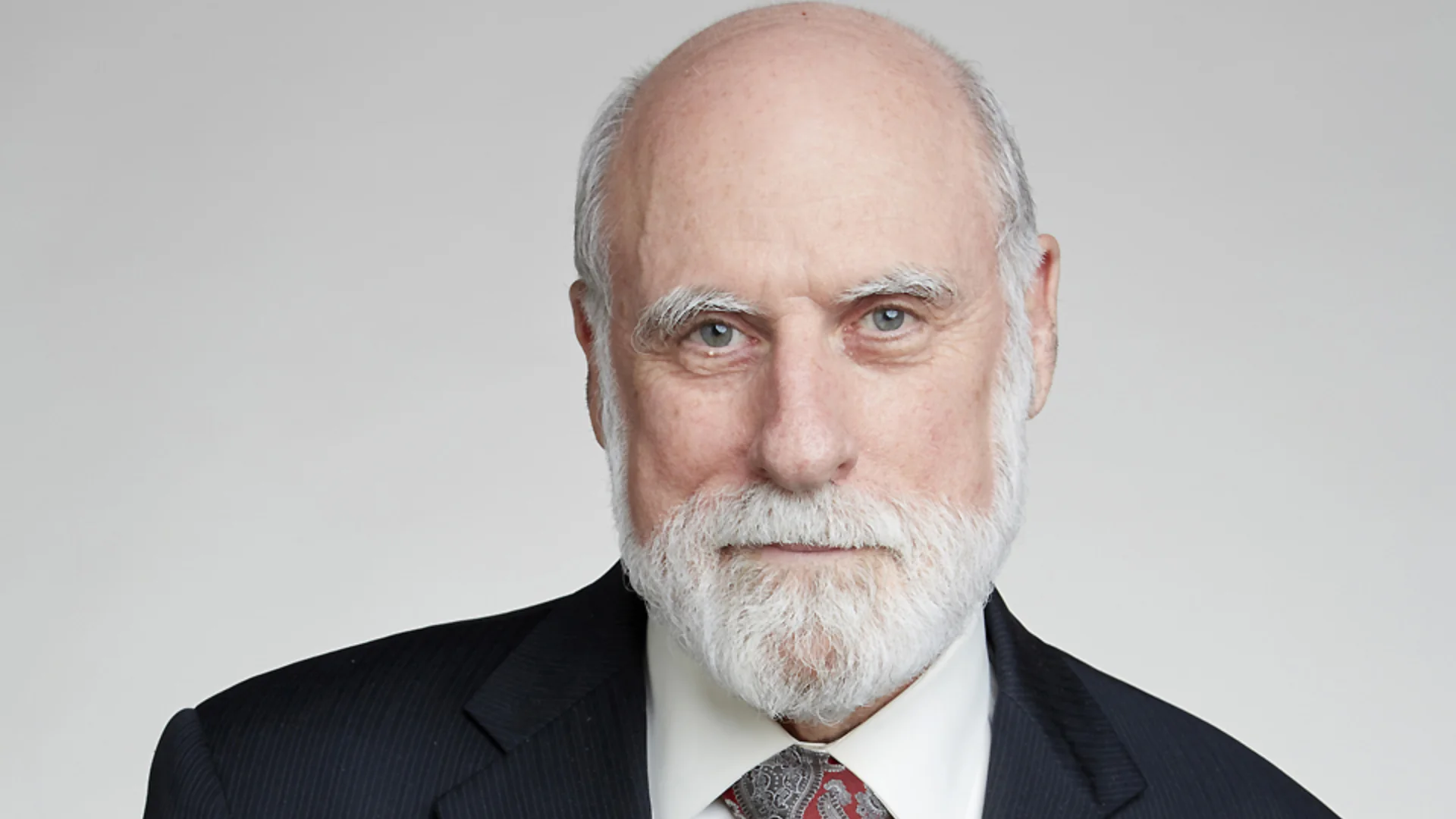
Vint Cerf, the 83-year-old co-creator of TCP/IP, is leaving his post as Google's vice president and chief internet evangelist next week, ending a tenure that began in October 2005. He used one of his final public appearances to argue that the internet's early protocol battles are about to repeat themselves — this time among AI agents.
Cerf's Exit Closes a Two-Decade Chapter at Google
Cerf's departure became public through a live video appearance at the Open Frontier conference, hosted by the Laude Institute in late June 2026. On stage, UC Berkeley professor and RISC architecture co-developer Dave Patterson noted that Cerf had been at Google for more than 20 years and was retiring the following week. A Google spokesperson subsequently confirmed the departure to TechCrunch's report on the announcement.
No successor has been named, and neither Cerf nor Google has detailed his plans after leaving the company. The exact final day has not been specified beyond "next week" as of June 30, 2026.
From ARPANET to TCP/IP: The Career That Built the Internet's Plumbing
Cerf's Google title was always something of an honorific for work done decades earlier. After a mathematics degree from Stanford in 1965 and a doctorate from UCLA — where he worked in Leonard Kleinrock's lab on the early ARPANET — Cerf was recruited in 1973 by Robert Kahn to help design what Kahn called a "network of networks." Their 1974 paper in IEEE Transactions on Communications laid out the internetworking approach that became TCP/IP, the protocol suite that still routes traffic across the modern internet, a contribution recognized by the ACM's Turing Award citation.
The years that followed were not purely technical. Cerf ran TCP/IP development as a DARPA program manager through the early 1980s, then moved into industry, leading MCI Mail — the first commercial email service connected to the internet — before returning to policy work as chairman of ICANN's board from 2000 to 2007. That mix of engineering and standards-body governance is the same combination he leaned on in his final Google-era public remarks. His honors, compiled by the Internet Hall of Fame's biography, span the Turing Award, the Presidential Medal of Freedom, and the IEEE Medal of Honor, among others.
Cerf's Wager: AI Agents Will Need Something Like TCP/IP
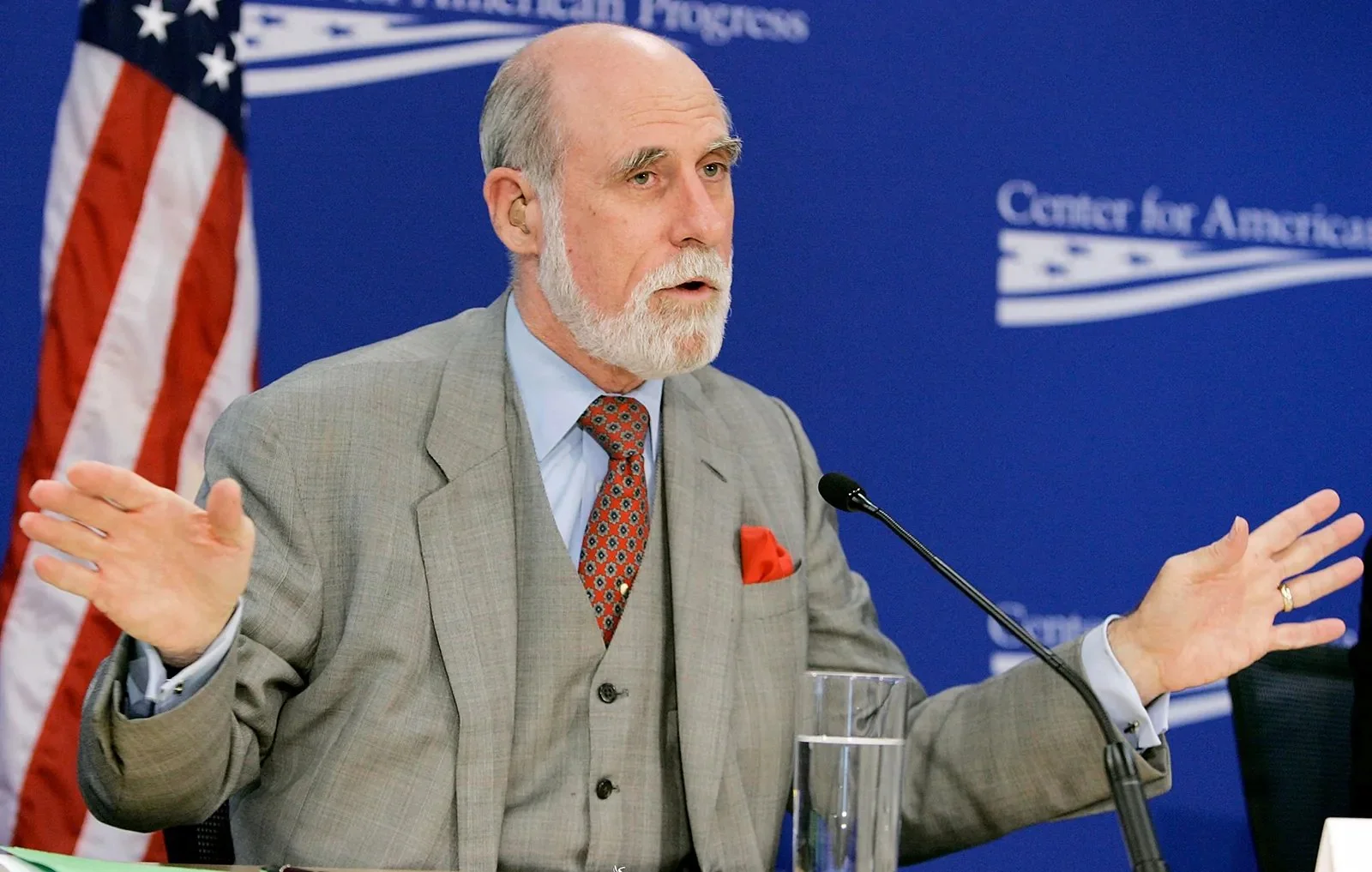
The panel Cerf joined — alongside Keras creator François Chollet, Tcl creator John Ousterhout, and Databricks co-founder Matei Zaharia — was framed around what makes open-source infrastructure durable. Cerf's contribution went further, into a specific prediction about where AI is heading.
His argument: natural language is too ambiguous to serve as a reliable coordination layer between autonomous AI agents. He compared loose, prose-based coordination between agents to a distorting game of telephone, and suggested the industry will eventually need the kind of formal, precise interaction standards that TCP/IP provided for computer networks in the 1970s. In his framing, the current moment echoes the internet's early "protocol wars," when competing networking schemes had to converge on a shared standard before the internet could scale.
That is a forecast, not a settled technical consensus. Other panelists reportedly argued the opposite position — that natural language between large language model agents will prove sufficient on its own, without a new formal standard layered on top. The disagreement was aired but not resolved on stage, and no timeline or working group was described for building the kind of protocol Cerf has in mind.
What Remains Open: No Successor, No Consensus on Standards
Two separate uncertainties sit side by side here. Inside Google, there is no announced successor to Cerf's evangelist role, and the company has not said whether the title will continue in its current form. Outside Google, the technical question Cerf raised — whether AI agents need a formal coordination protocol or can get by on natural language — remains an open dispute among people building the underlying systems, not a question with an agreed answer.
The centralization concern that framed the broader panel discussion — a handful of well-resourced labs controlling advanced AI models, in contrast to the internet's originally decentralized design — is the backdrop against which Cerf's protocol argument was made. Whether that argument gains traction likely depends less on Cerf's personal authority, considerable as it is, than on whether agent failures traceable to ambiguous natural-language coordination become common enough to force the industry's hand.
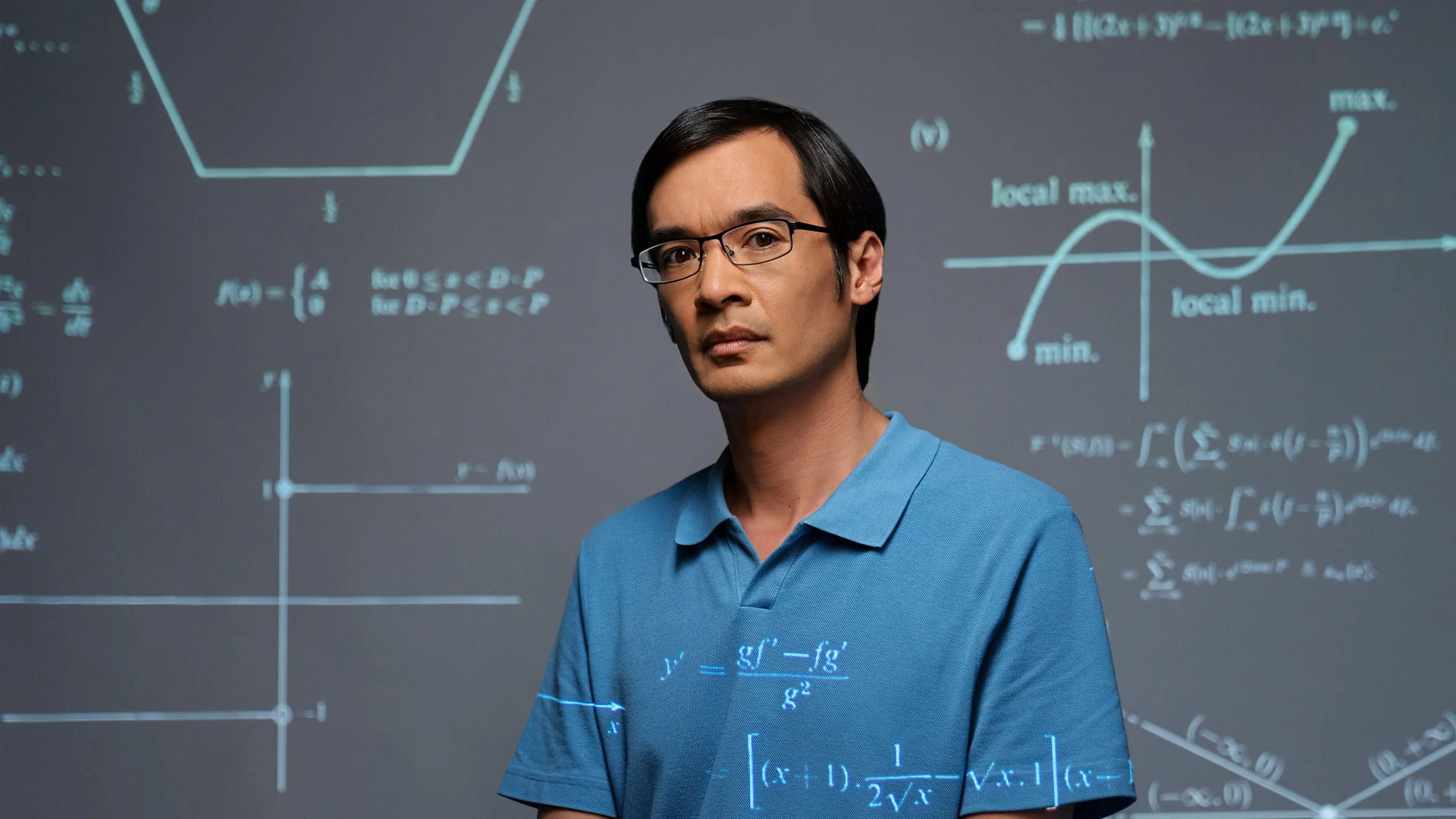
Terence Tao Used AI Coding Agents to Revive 24 Dead 1999 Java Applets
Terence Tao's AI coding agents ported 24 defunct Java applets to JavaScript in hours, fixed 2 old bugs, and shipped a 1999 relativity tool.

CoreWeave and Nebius Are Chasing $145 Billion in AI Deals on $16 Billion of Revenue
Microsoft, Meta and Nvidia have committed more than $145 billion to neoclouds CoreWeave and Nebius, whose combined 2026 revenue is projected near $16 billion.
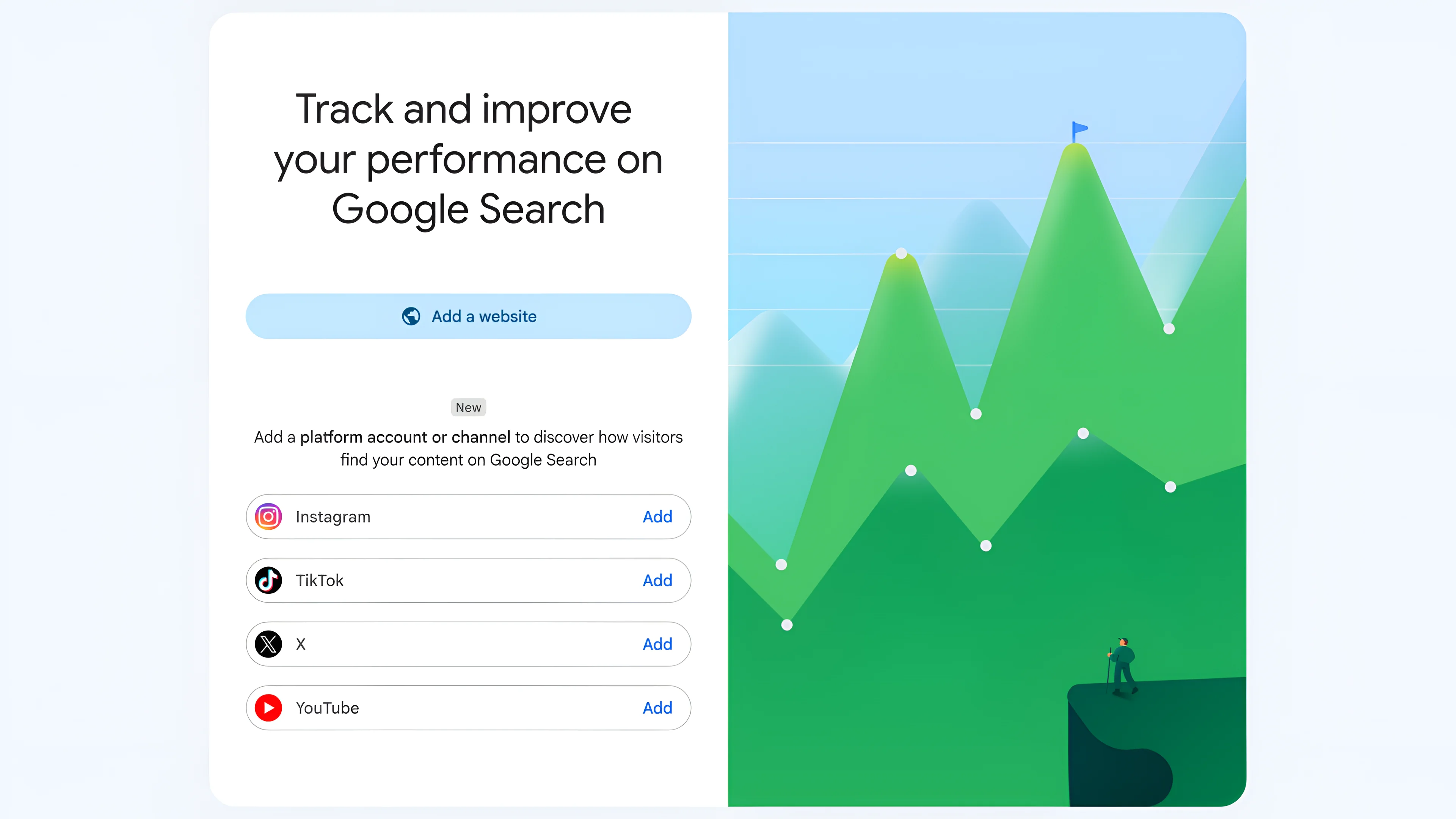
Google Search Console Now Reports Search Traffic to Your TikTok, Instagram, X and YouTube Posts
Google's new Search Console platform properties let creators track clicks and search queries driving traffic to TikTok, Instagram, X and YouTube posts.
GPT-5.6 Launches in Three Tiers, Narrowing the Gap With Claude Fable 5 at a Fraction of the Cost
OpenAI's GPT-5.6 Sol scores one point behind Claude Fable 5 in intelligence tests, at $1.04 per task versus $2.75, but trails on SWE-Bench Pro coding results.
Comments (0)
Please sign in to join the discussion.
No comments yet.
Be the first to share your perspective on this topic.