
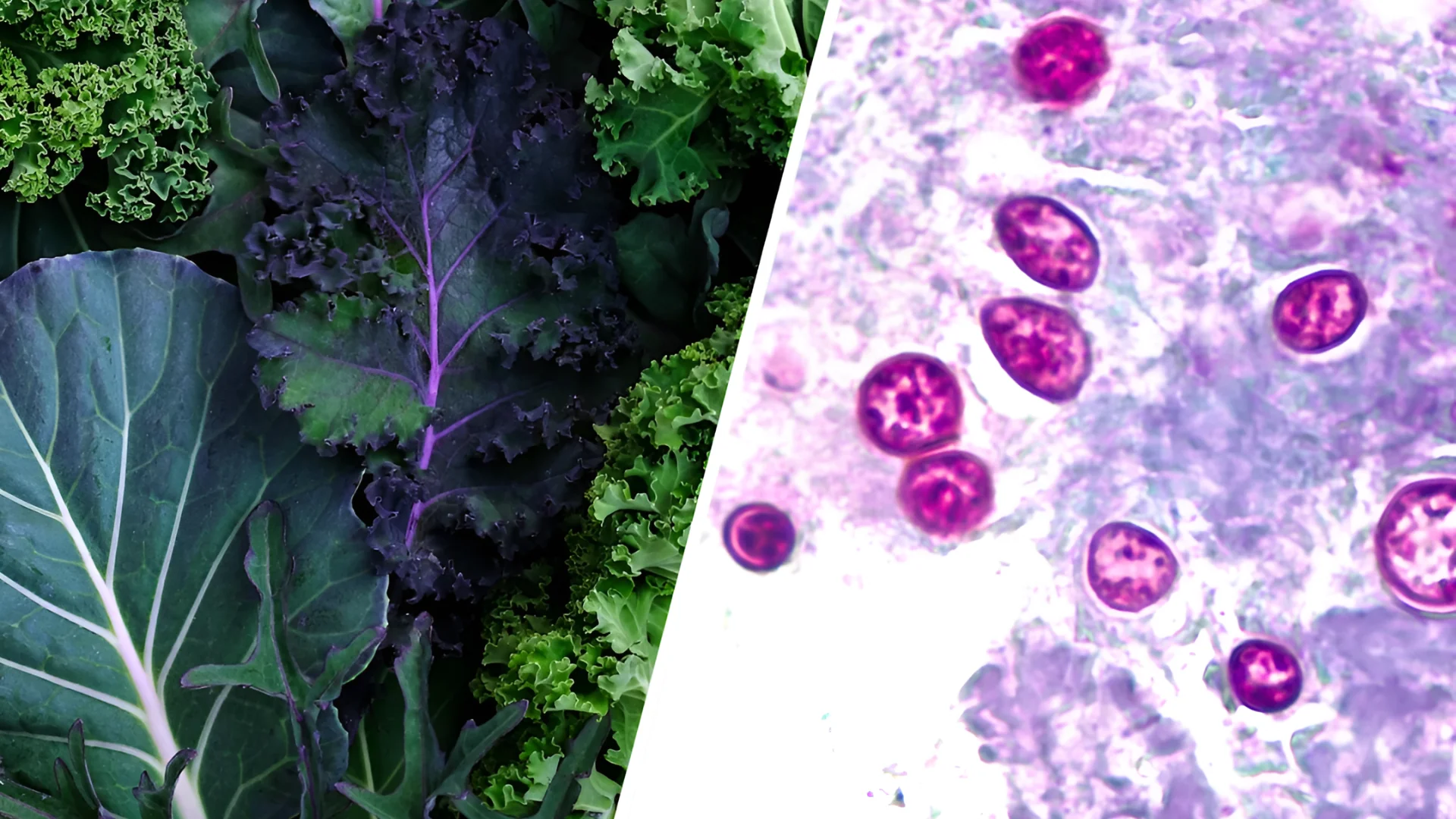
A multistate outbreak of cyclosporiasis has surged since May 2026, and Michigan's case count alone now exceeds the entire 2019 national record, the worst year previously on file.
Michigan's Case Count Alone Surpasses the 2019 National Record
Cyclosporiasis, caused by the microscopic parasite Cyclospora cayetanensis, produces explosive watery diarrhea, severe cramping, nausea, fatigue, and weight loss that can persist for weeks or months without treatment. The parasite does not spread person to person, which means each case reflects a separate exposure to contaminated food or water.
Michigan has become the epicenter of this year's outbreak, with more than 3,300 reported cases, according to state health department data. Ohio has recorded more than 1,100 cases, and New York City has logged over 400. Cases have appeared in more than 30 states in total. The chart below compares the three hardest-hit locations.
The Broader Toll: Hospitalizations and States Affected
Beyond the state-by-state totals, two figures capture the outbreak's overall reach: more than 140 people have been hospitalized nationwide, and cases have now been confirmed in more than 30 states. Set against the 2019 national record of roughly 4,700 cases, the scale of this year's outbreak becomes clearer even before a final national tally is available.
Investigators Are Focusing on Bagged Salad Greens, Not Whole Lettuce
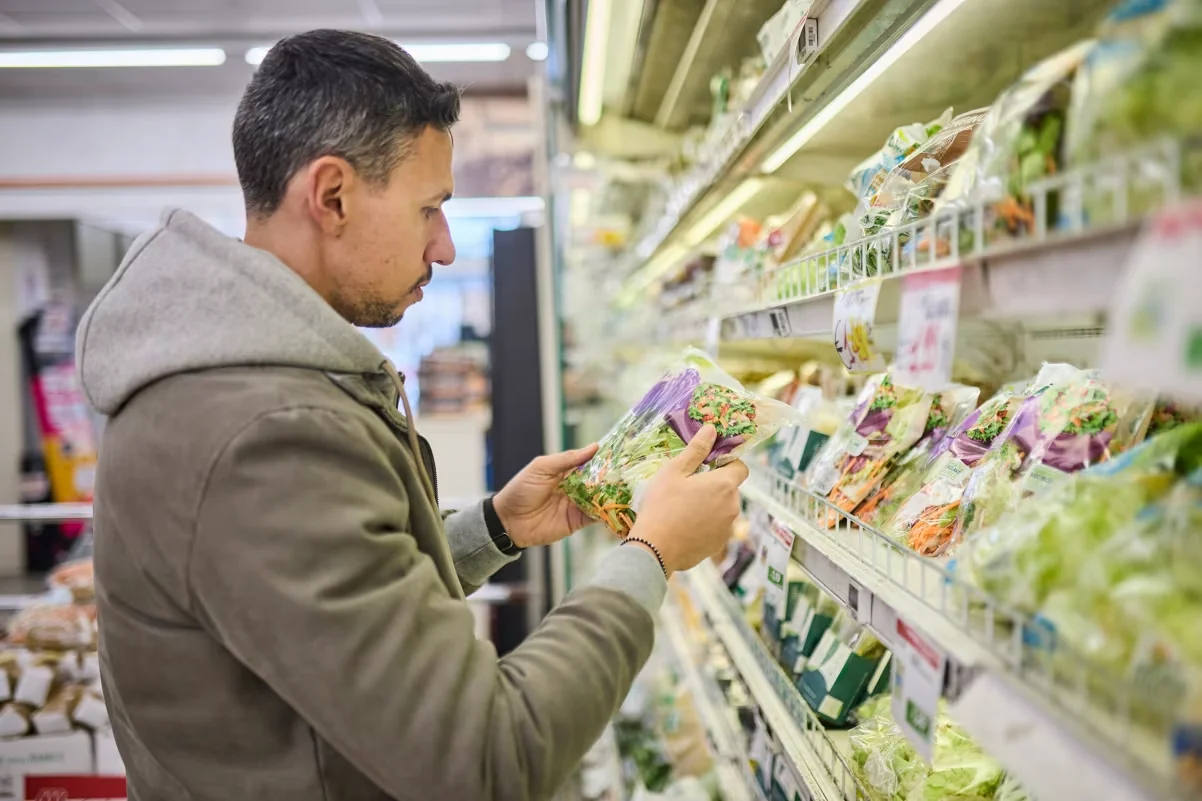
The CDC has not identified a single definitive national source and believes multiple separate clusters may be involved. But in Michigan, after interviewing more than 1,000 patients, state health officials pointed toward whole lettuce and bagged salad greens as a likely culprit. As a precaution, Taco Bell voluntarily pulled several fresh produce ingredients from select restaurants while the investigation continues.
Officials are advising consumers to avoid pre-mixed salad kits, buy whole heads of lettuce instead, discard the outer leaves, and wash the rest thoroughly before eating, based on guidance summarized in reporting on foods to avoid during the outbreak.
Why Mixed Salad Bags Are Structurally Harder to Trace
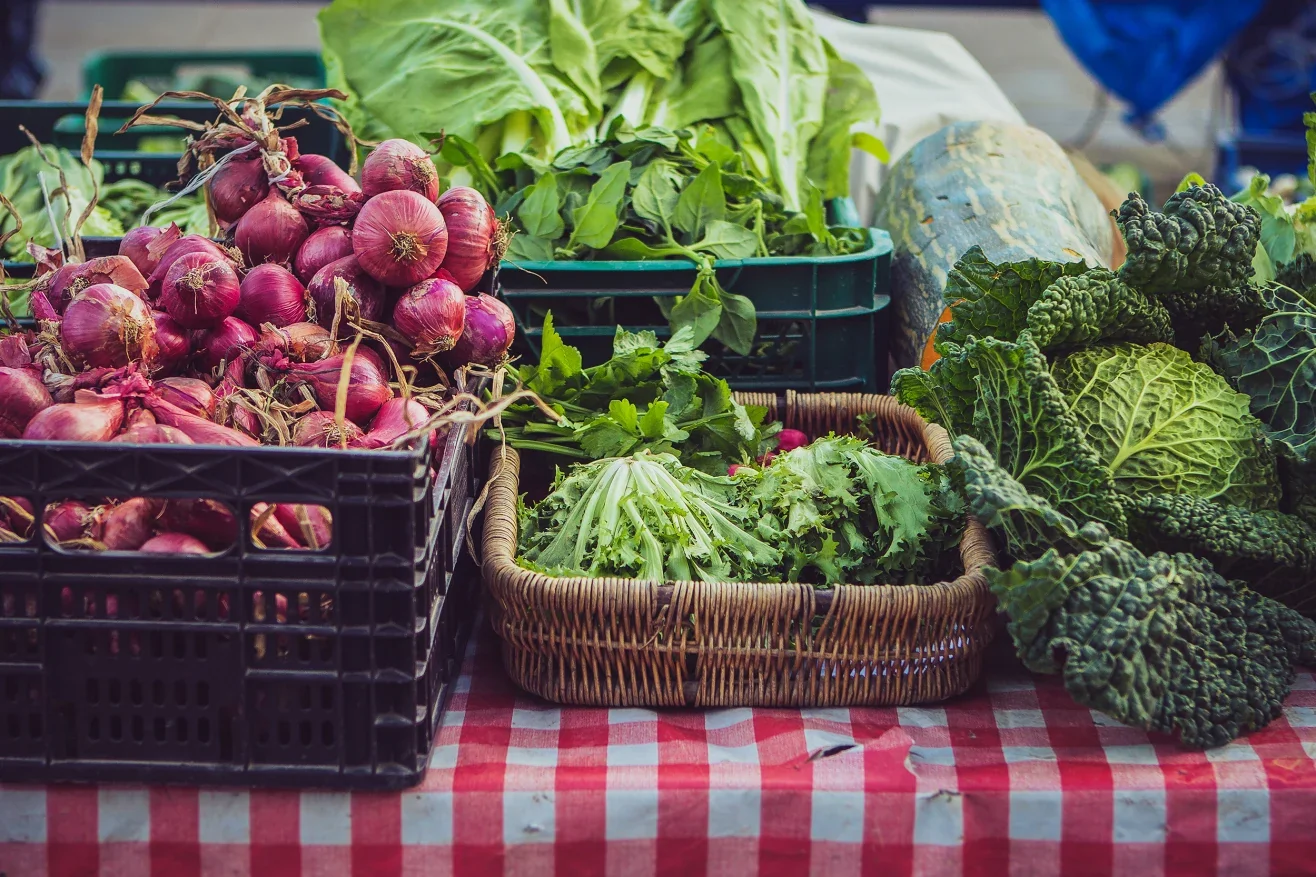
A bagged salad mix is, by design, a blend: greens from several different growing operations are frequently combined into a single package before it reaches a store shelf. A whole head of lettuce, by contrast, typically traces back to one field and one harvest. That structural difference is why investigators searching for a contamination source have more difficulty narrowing bagged greens down to a single farm than they do with whole produce, even when both are under suspicion.
A Narrow Surveillance Cut Exposes Deeper Strain on Response
The investigation is unfolding alongside federal funding cuts and workforce reductions at health agencies. The CDC recently removed cyclospora from its FoodNet surveillance program, which tracks long-term disease trends, citing budget constraints.
Former CDC officials cited in reporting on the funding cuts say that specific removal does not directly stop the real-time investigators actively working this outbreak. But those same officials point to a broader problem: chronic understaffing and aging data systems are slowing the overall speed of local and federal outbreak investigations, a concern echoed in coverage of the agency's response.
Why Washing Pre-Bagged Greens Won't Guarantee Safety
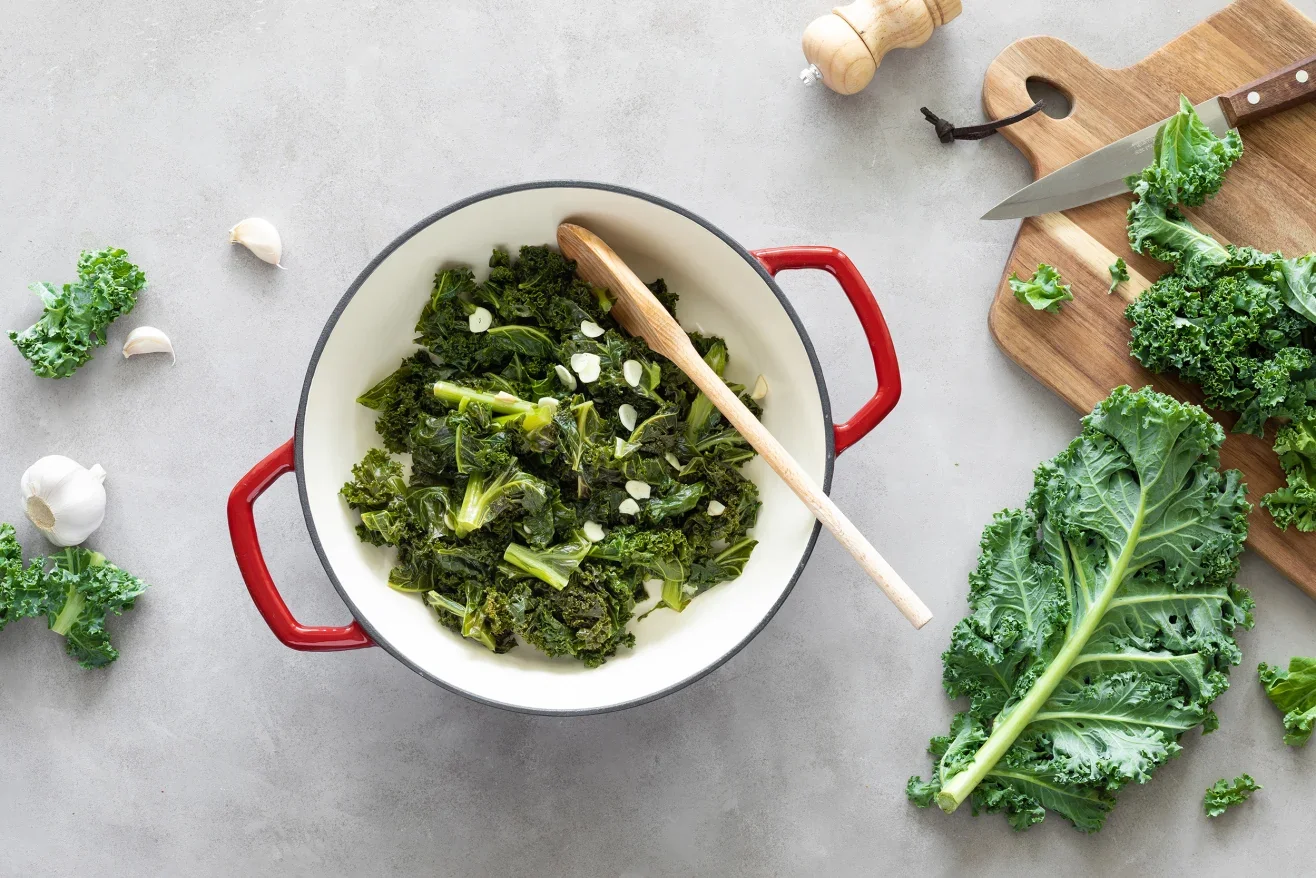
A "pre-washed" label does not guarantee a bag is free of Cyclospora, since the parasite's oocysts can resist rinsing. Officials note that cooking produce to 158°F (70°C), or peeling items with removable skin, kills or removes the parasite, but that option does not apply to salad greens meant to be eaten raw. For those, buying whole heads, discarding outer leaves, and washing thoroughly under running water is the recommended precaution while the investigation continues, according to coverage of foods to avoid during the outbreak.
Diagnosis requires a stool exam, and the infection is treatable with the antibiotic trimethoprim/sulfamethoxazole, combined with hydration and antidiarrheal medication. Anyone with symptoms lasting more than a few days, especially explosive watery diarrhea following recent consumption of salad greens, should contact a healthcare provider for testing rather than waiting for symptoms to resolve on their own.

What Magnesium Actually Does and Which Medications It Can Undermine
A guide to magnesium's supported benefits, who is actually at risk of overdose, and the specific medications that require spacing doses apart from supplementation.

A Second American Has Contracted Ebola in Congo's Record Outbreak
A US aid worker in DRC has tested positive for Bundibugyo Ebola virus as the outbreak, now Africa's fastest-growing, shows signs of significant undetected spread.
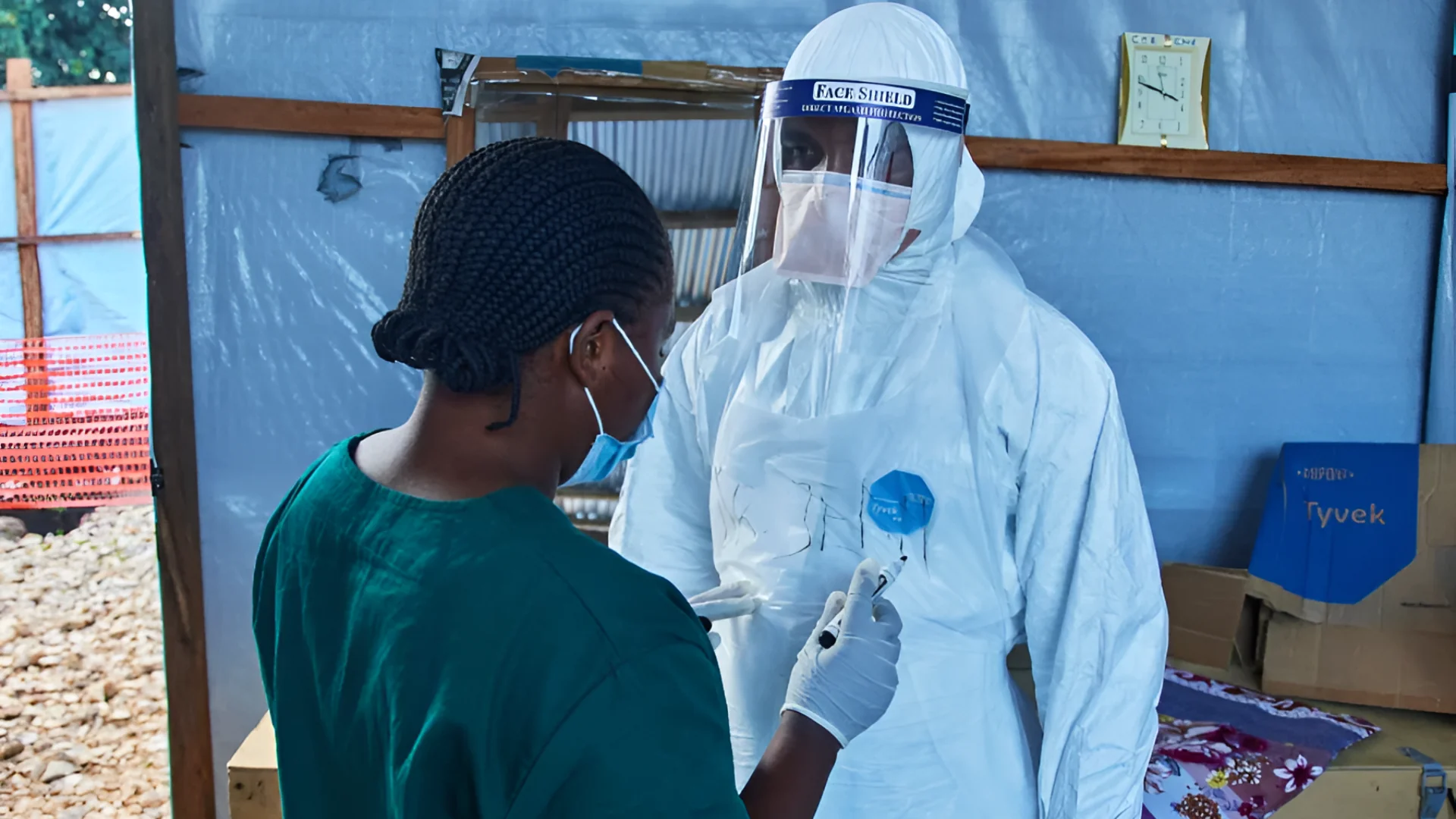
DRC's Bundibugyo Ebola Outbreak Spreads With No Approved Vaccine or Treatment
A rare Bundibugyo Ebola strain is spreading undetected across the DRC, reaching Kinshasa and Uganda, with no approved vaccine or treatment yet available.

Creatine's Benefits Are Well-Proven Research on Women Isn't
New reporting on National Creatine Day reviews the supplement's proven safety and muscle benefits alongside a persistent gap in female-specific dosing research.
Comments (0)
Please sign in to join the discussion.
No comments yet.
Be the first to share your perspective on this topic.