
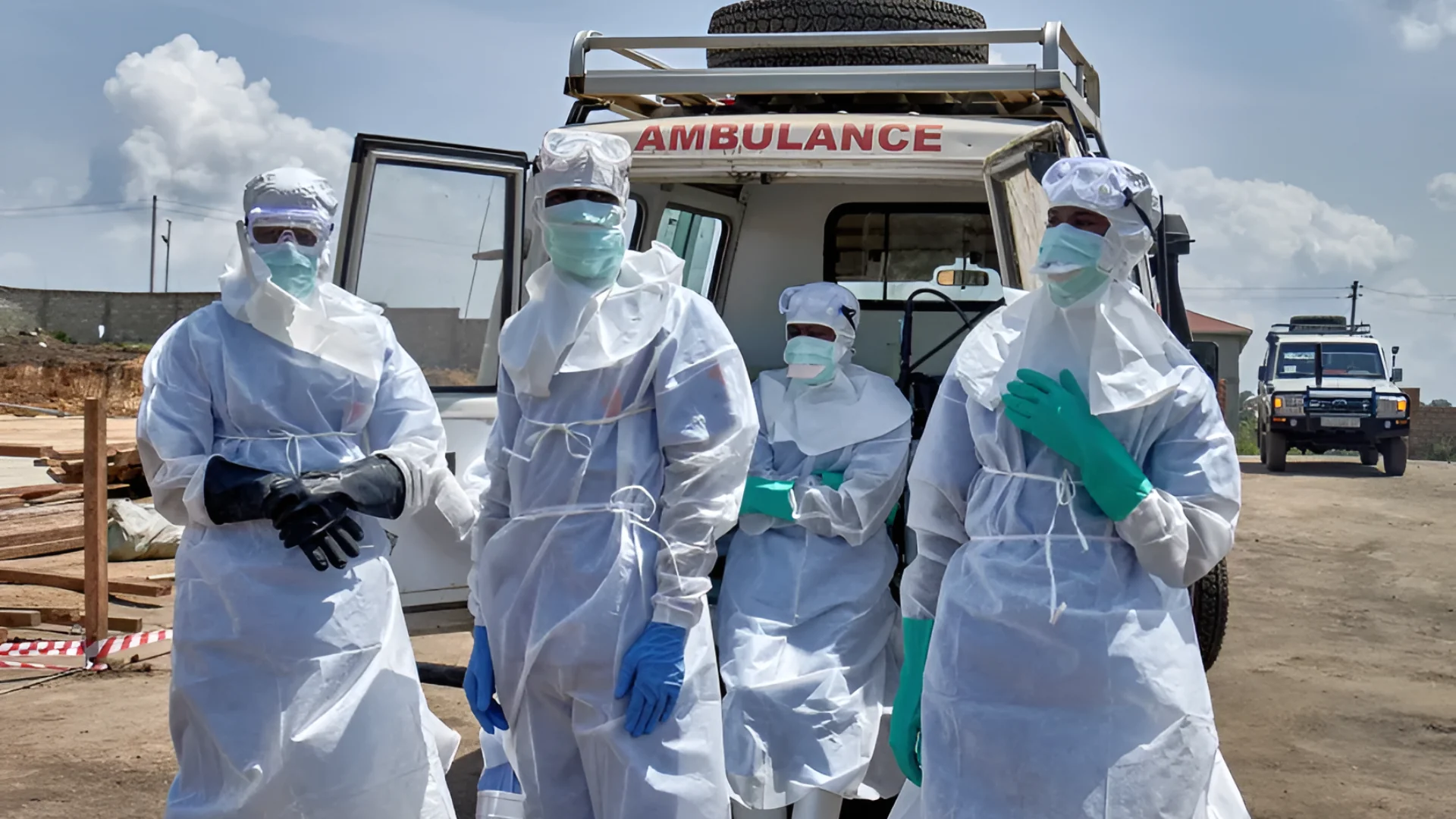
A U.S. citizen working for a humanitarian organization in the Democratic Republic of Congo has tested positive for the Bundibugyo strain of Ebola, the CDC confirmed Friday, as the country's outbreak continues to outpace containment efforts.
A Second American Contracts Ebola While Working Logistics in Bunia
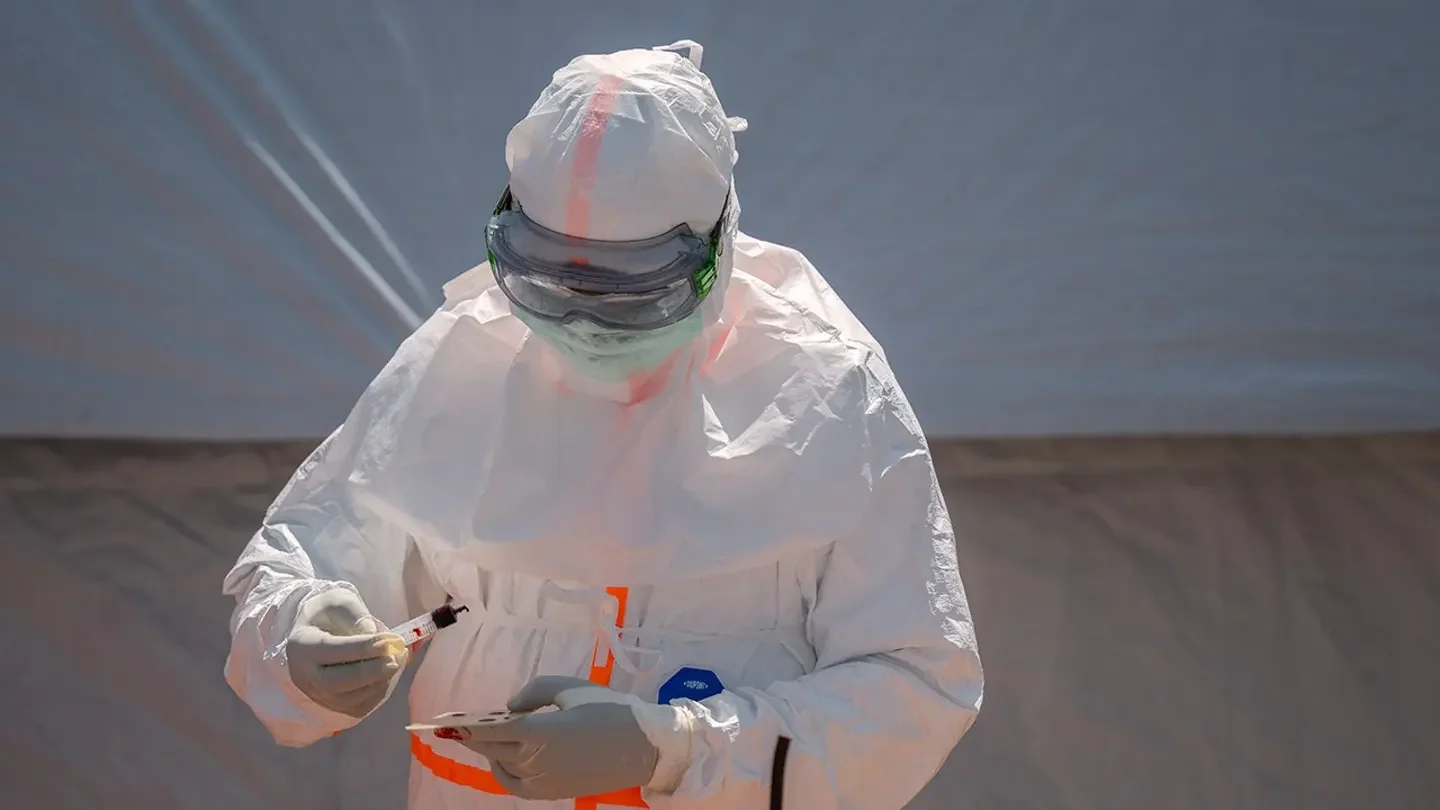
The patient has been in isolation since Monday at an Ebola treatment center in Bunia, the capital of Ituri province. According to reporting on the case, the worker had spent the past month focused on logistics rather than direct patient care, a distinction that matters because Ebola spreads through contact with bodily fluids rather than through the air. The CDC said it is working with the patient's employer, other federal agencies, and Congolese health authorities to trace high-risk contacts and assess further transmission risk. The State Department has said it is aware of the case and is supporting the American affected, and officials are weighing medical evacuation to a specialized treatment center in the United States or Europe.
This is the second American infected during the current outbreak. An American physician contracted the virus in May, was evacuated to Berlin, and later recovered — a precedent that shapes how officials are now approaching evacuation for the second patient. The CDC maintains that overall risk to the American public remains low, though it continues to advise against non-essential travel to affected DRC provinces.
DRC's Case Count Passes 1,830 Amid the Continent's Fastest-Growing Outbreak

The Africa CDC has described this as the fastest-growing Ebola outbreak ever recorded on the continent. The DRC government reported 1,830 confirmed cases and 648 deaths as of July 9, with additional cases confirmed across the border in Uganda. The World Health Organization has formally declared the outbreak across DRC and Uganda a global health emergency, a designation that unlocks coordinated international response resources but also signals how far the situation has moved beyond routine outbreak response, as detailed in an earlier account of the outbreak's spread and the absence of an approved vaccine.
Undetected Transmission Is Undercutting Confidence in the Official Count
The reported case totals may understate the true scope of the outbreak. A senior WHO official has warned that actual infections could run two to four times higher than official figures. That estimate is reinforced by a specific tracking gap: in some regions, 80% of new cases have no known epidemiological link to previously identified patients. A case with no traceable link to an existing chain typically means health workers did not catch the transmission event that produced it — the kind of blind spot that lets an outbreak keep spreading even while official numbers appear to describe a contained situation.
A Strain Without Approved Treatment Narrows the Response
Unlike the more familiar Zaire strain, Bundibugyo currently has no approved vaccine or treatment. That absence limits what health workers can offer patients beyond supportive care, and it raises the stakes on early detection given how large the undetected-case gap appears to be. Clinical trials for a new treatment recently began in eastern Congo, an effort tracked in the first drug trial targeting the Bundibugyo strain, though any results from that trial remain pending and cannot yet inform how this outbreak is managed.
Armed Conflict Is Undercutting Contact Tracing in Eastern Congo
Containment work is complicated by factors outside the outbreak itself. Ongoing armed conflict in eastern Congo has forced mass displacement, which can move exposed individuals across provincial lines faster than contact tracers can follow them. Community mistrust and attacks on health centers have further slowed response work, alongside funding shortfalls that limit how much surveillance and treatment capacity authorities can sustain. None of these factors are new to this outbreak, but together they help explain why case detection is lagging behind actual transmission — and why officials are treating the second American case as a signal to tighten contact tracing rather than an isolated incident.

What Magnesium Actually Does and Which Medications It Can Undermine
A guide to magnesium's supported benefits, who is actually at risk of overdose, and the specific medications that require spacing doses apart from supplementation.
The 2026 Cyclosporiasis Outbreak Has Already Broken the U.S. Record
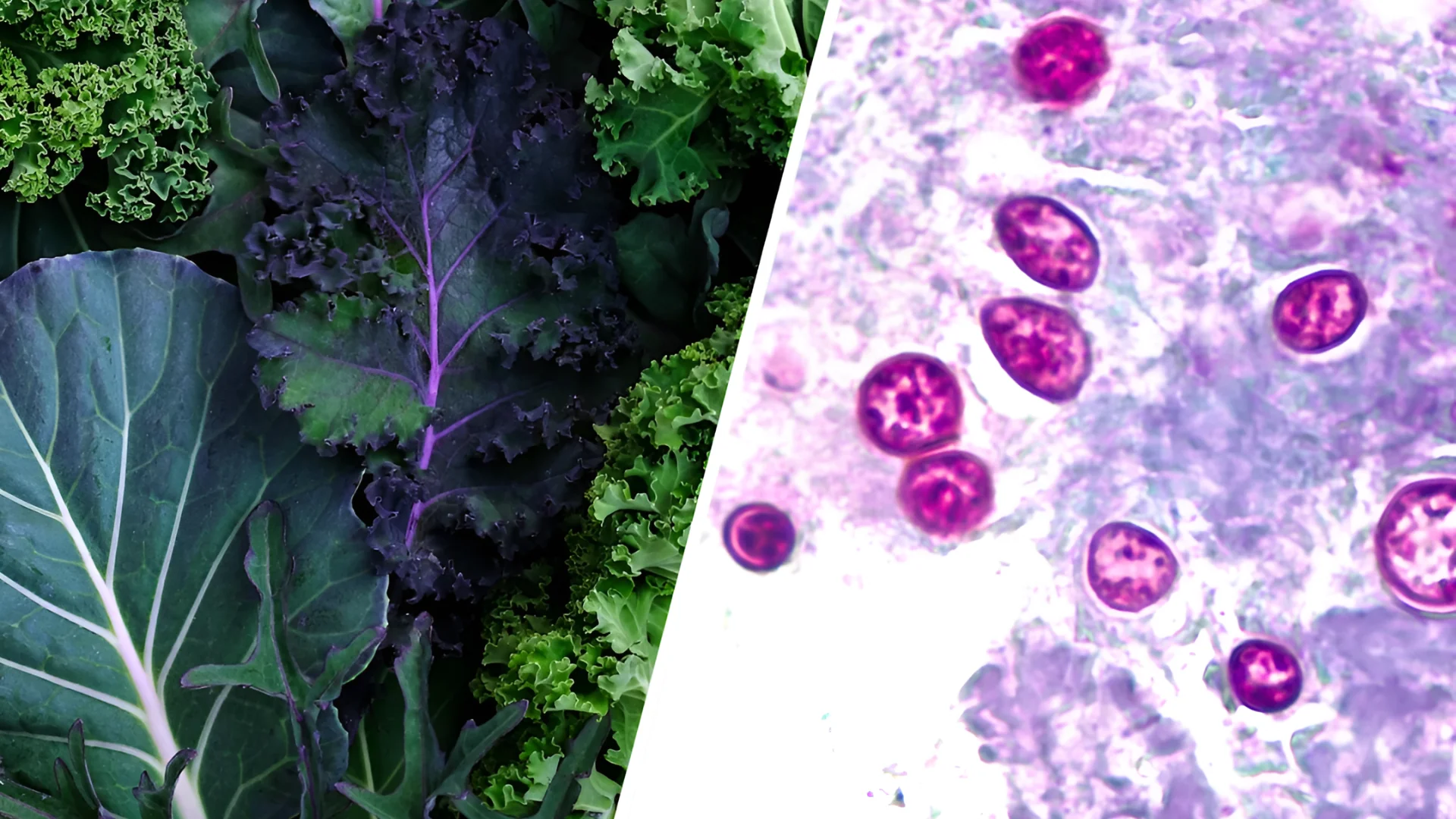
A multistate cyclosporiasis outbreak has surpassed the 2019 U.S. record, with Michigan hit hardest. Investigators are focused on bagged greens amid CDC budget cuts.
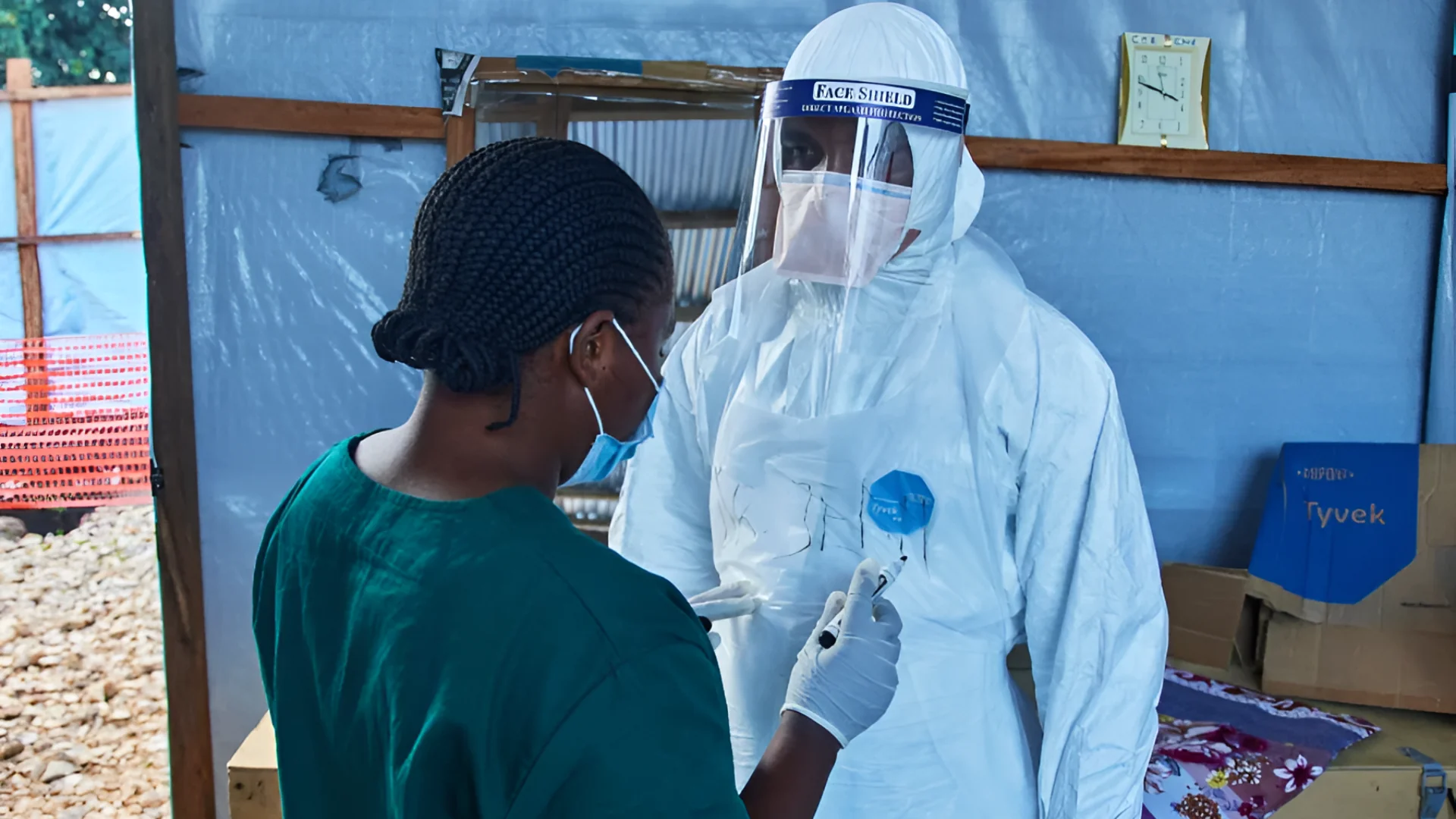
DRC's Bundibugyo Ebola Outbreak Spreads With No Approved Vaccine or Treatment
A rare Bundibugyo Ebola strain is spreading undetected across the DRC, reaching Kinshasa and Uganda, with no approved vaccine or treatment yet available.

Creatine's Benefits Are Well-Proven Research on Women Isn't
New reporting on National Creatine Day reviews the supplement's proven safety and muscle benefits alongside a persistent gap in female-specific dosing research.
Comments (0)
Please sign in to join the discussion.
No comments yet.
Be the first to share your perspective on this topic.