
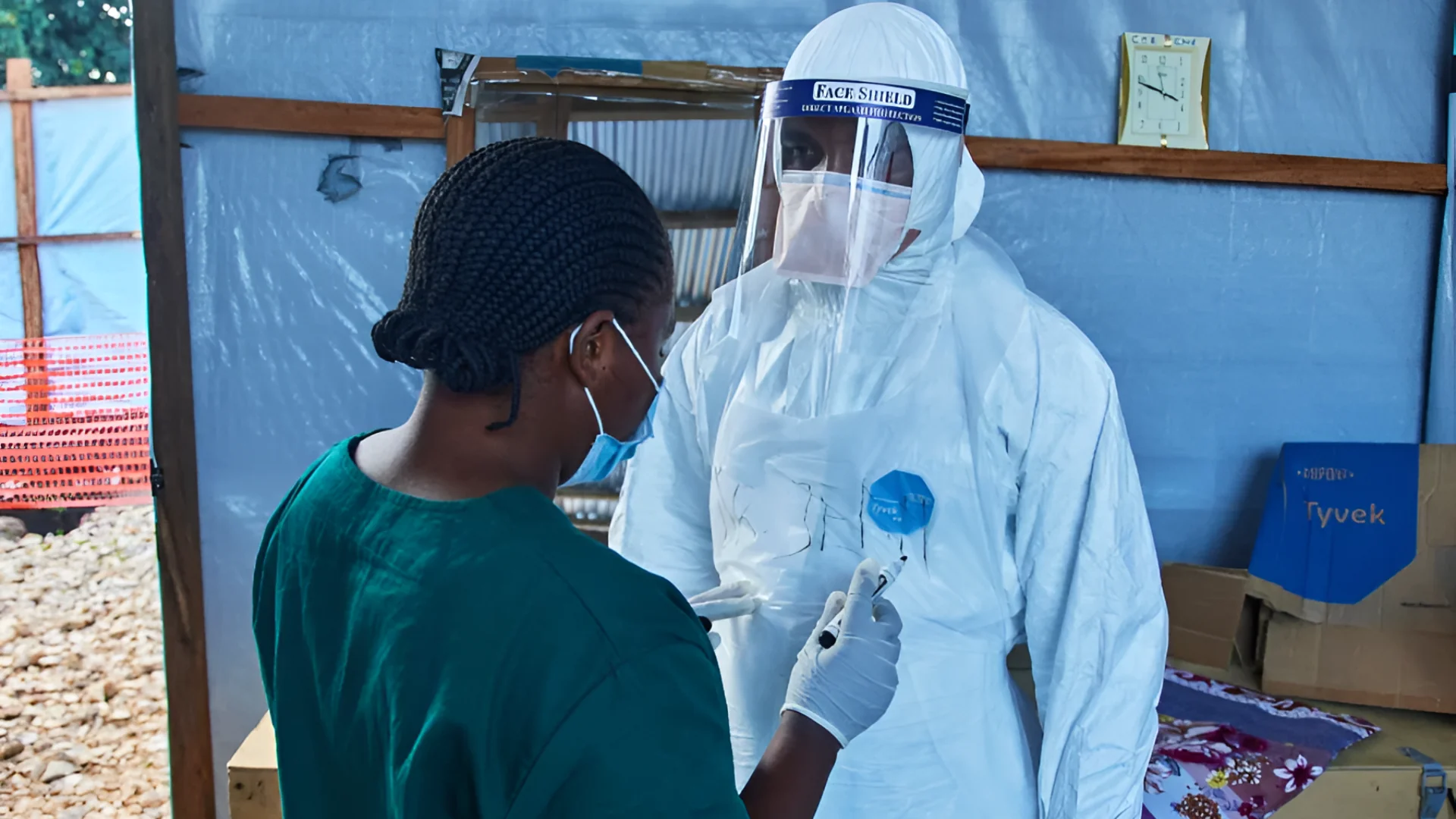
The Bundibugyo strain of Ebola has infected more than 1,700 people across five provinces of the Democratic Republic of Congo, crossed into Uganda, and reached the capital, Kinshasa — and unlike the more familiar Zaire strain, no vaccine or therapeutic is approved to fight it.
A Two-Month Head Start: How the Outbreak Reached Five Provinces Before Detection
The DRC Ministry of Public Health officially declared the outbreak on May 15, 2026, tracing its epicenter to the towns of Bunia and Rwampara in Ituri province. The World Health Organization has since declared it a Public Health Emergency of International Concern. It is the 17th Ebola outbreak recorded in the DRC, but only the second ever caused by the Bundibugyo ebolavirus rather than the more commonly seen Zaire strain.
By the time health authorities confirmed the outbreak, the virus was already moving. It has since spread into North Kivu, South Kivu, and Haut-Uele provinces, crossed the border into Uganda, and produced a lab-confirmed case roughly 1,000 kilometers away in Kinshasa — a shift from rural transmission to a dense urban population center that changes the containment calculus considerably. The timeline below traces that progression from its estimated genetic origin to the most recent confirmed count.
Even that count likely understates the outbreak's true reach. Poor diagnostic access, active conflict zones, and unreported deaths in affected communities all mean the confirmed total of 1,708 cases is probably a floor, not a ceiling, on the epidemic's actual size.
What Genomic Sequencing Reveals About the Silent Spread
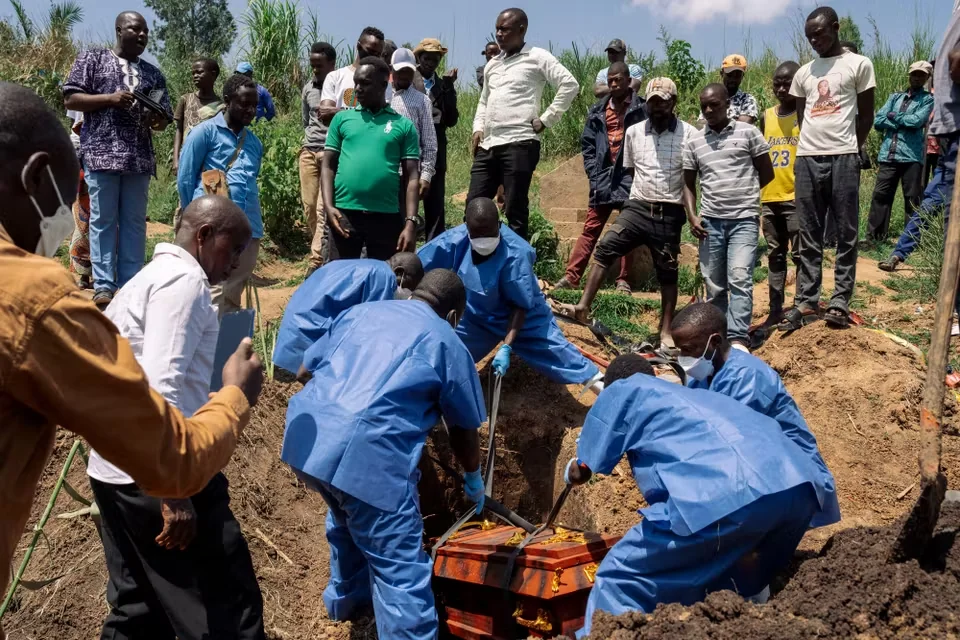
Genomic epidemiologists sequencing the virus have reconstructed roughly how long it circulated before anyone noticed. Their estimate for the time to most recent common ancestor — essentially, the genetic starting point of this outbreak's lineage — falls in mid-March 2026, or possibly earlier. That puts the virus's real start about two months ahead of the official May 15 declaration.
During its exponential growth phase, the outbreak's estimated doubling time was 11.7 days, a pace that, left unchecked, compounds quickly: a caseload doubling roughly every eleven days will grow eightfold in under six weeks. Combined with an evolutionary substitution rate of about 1.1×10⁻³ per site per year — in line with prior Ebola lineages — the genomic picture is less about a mutating threat and more about a fast-moving one that had a substantial head start.
Why a Standard Ebola Test Missed the Bundibugyo Strain
The detection delay was not simply a matter of a remote outbreak location. Early diagnostic efforts were actively working against health workers: standard rapid tests used in the field were calibrated for the Zaire strain, the pathogen behind most prior DRC outbreaks and the one for which existing rapid diagnostics and vaccines were designed. Applied to Bundibugyo virus samples, those same tests came back negative.
That strain mismatch — not a lack of testing effort — appears to explain a meaningful share of the two-month gap between the genomic origin estimate and the official declaration. Only broader genomic sequencing, rather than routine point-of-care testing, was able to correctly identify the pathogen.
The consequence extends past diagnostics. Because vaccines and therapeutics developed for prior DRC outbreaks target the Zaire strain, there is currently no approved vaccine or treatment for Bundibugyo virus at all — a gap that an earlier trial targeting the Bundibugyo strain specifically is only beginning to address.
A Rising Toll Complicated by Conflict and Limited Contact Tracing
The response effort is unfolding inside an active conflict zone. Ebola treatment centers and healthcare workers in eastern DRC have come under direct attack, and organizations including the International Medical Corps, which is building treatment centers and scaling up infection prevention measures, describe contact tracing as severely limited by the security vacuum and porous regional borders. That combination — a strain with no approved countermeasure, spreading through territory where responders themselves are targets — is a large part of why officials describe the outbreak as out of control, expanding faster than it can be traced or contained.
The scale has grown considerably since the outbreak's spread past 1,300 cases and into a fourth province was last reported, and health officials caution the confirmed figures below remain a floor rather than a full accounting.
Whether the outbreak can be brought under control now depends less on the virus's underlying behavior, which genomic data describes reasonably well, than on two things neither sequencing nor surveillance can fix on their own: getting a strain-matched vaccine or treatment into the field, and securing enough access in conflict-affected provinces to trace where the virus is actually going next.

What Magnesium Actually Does and Which Medications It Can Undermine
A guide to magnesium's supported benefits, who is actually at risk of overdose, and the specific medications that require spacing doses apart from supplementation.

The 2026 Cyclosporiasis Outbreak Has Already Broken the U.S. Record
A multistate cyclosporiasis outbreak has surpassed the 2019 U.S. record, with Michigan hit hardest. Investigators are focused on bagged greens amid CDC budget cuts.
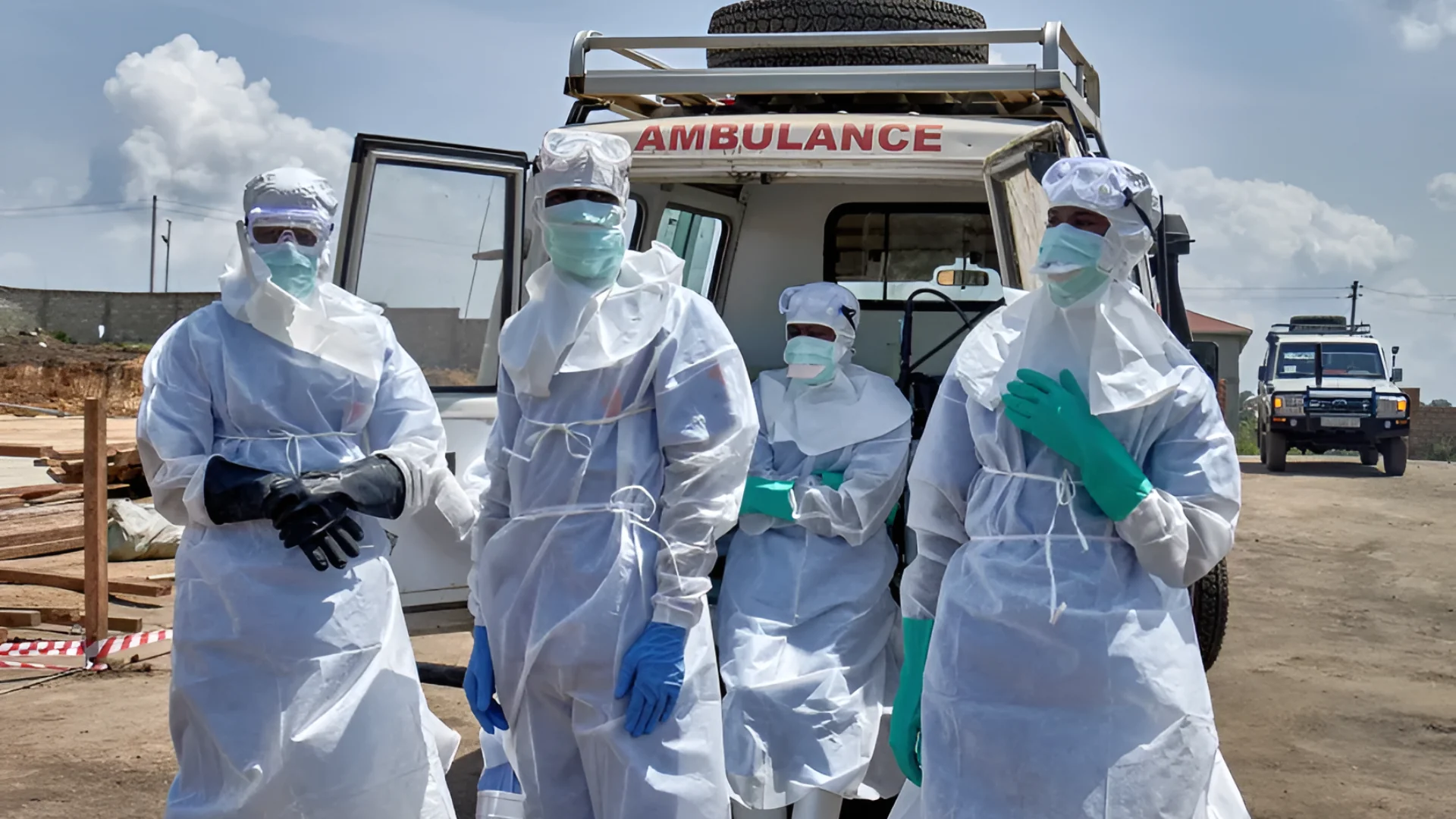
A Second American Has Contracted Ebola in Congo's Record Outbreak
A US aid worker in DRC has tested positive for Bundibugyo Ebola virus as the outbreak, now Africa's fastest-growing, shows signs of significant undetected spread.

Creatine's Benefits Are Well-Proven Research on Women Isn't
New reporting on National Creatine Day reviews the supplement's proven safety and muscle benefits alongside a persistent gap in female-specific dosing research.
Comments (0)
Please sign in to join the discussion.
No comments yet.
Be the first to share your perspective on this topic.