
![Healthcare workers carry a patient infected with the Ebola virus from an ambulance at the Ebola treatment centre in Bunia, Ituri, in the Democratic Republic of the Congo on June 23, 2026 [Benediction Murhabazi/AFP]](/uploads/1782826828474-DR_Congo_says_1_307_Ebola_cases_confirmed__including_377_deaths.webp)
The Democratic Republic of the Congo's 17th Ebola outbreak has reached 1,307 confirmed cases and 377 deaths since it began in May, with the virus now confirmed in a fourth province and eastern treatment centers approaching full capacity.
The Outbreak Has Spread Beyond Its Original Epicenter
The outbreak began in Ituri province and has since spread to North Kivu, South Kivu, and now Haut-Uele, which borders South Sudan and the Central African Republic, according to an account of the outbreak's geographic spread. That border position raises the practical question of cross-border transmission risk, though the Reuters and CIDRAP reporting does not indicate confirmed cases in either neighboring country tied to the Haut-Uele spread specifically. Uganda, which borders the outbreak's eastern provinces, has separately recorded 20 confirmed cases and 2 deaths. The outbreak has already reached Europe once: a French doctor who treated patients in the DRC tested positive for Ebola after spending a day in Kinshasa before returning to France, a case detailed in earlier reporting on the outbreak's spread to Europe.
The current outbreak is caused by the Bundibugyo strain of the virus, for which no licensed vaccines or therapeutics currently exist. Responders are instead relying on investigational monoclonal antibodies, an approach that depends on supply and deployment logistics rather than an approved standard of care.
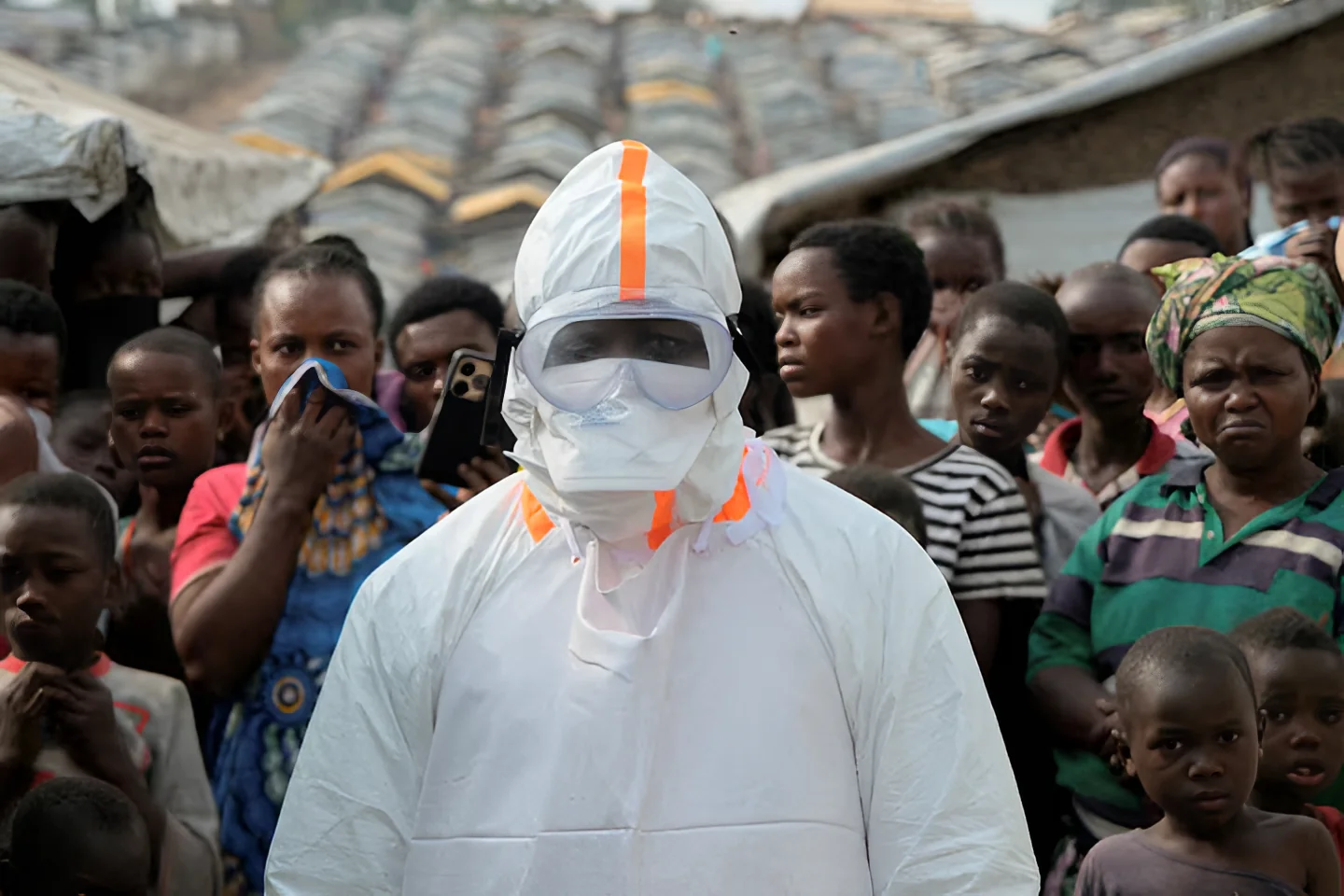
Eastern Treatment Centers Are Nearing Capacity
Africa CDC's Dr. Jean Kaseya reported that 95% of beds in eastern Congo's emergency Ebola treatment facilities are currently occupied, according to Africa CDC's account of the response effort. That occupancy rate signals a healthcare system operating near its functional limit in the outbreak's hardest-hit region, not simply a high caseload. Contact tracing, the primary tool for breaking transmission chains before they widen, remains vastly inadequate by the same account. Funerals continue to serve as a primary transmission vector, since bodies remain highly infectious after death, a dynamic that has shaped Ebola outbreaks in the region for over a decade.
Compounding the resource strain, health workers lack basic protective gear, rapid diagnostic tests, medicines, and body bags. Local mistrust and violence have further disrupted response efforts: a mob recently set fire to a treatment center's tents in Ituri, an incident that illustrates how community resistance, not just disease biology, is currently constraining containment.
Kinshasa's Gathering Ban Has Drawn Political Criticism
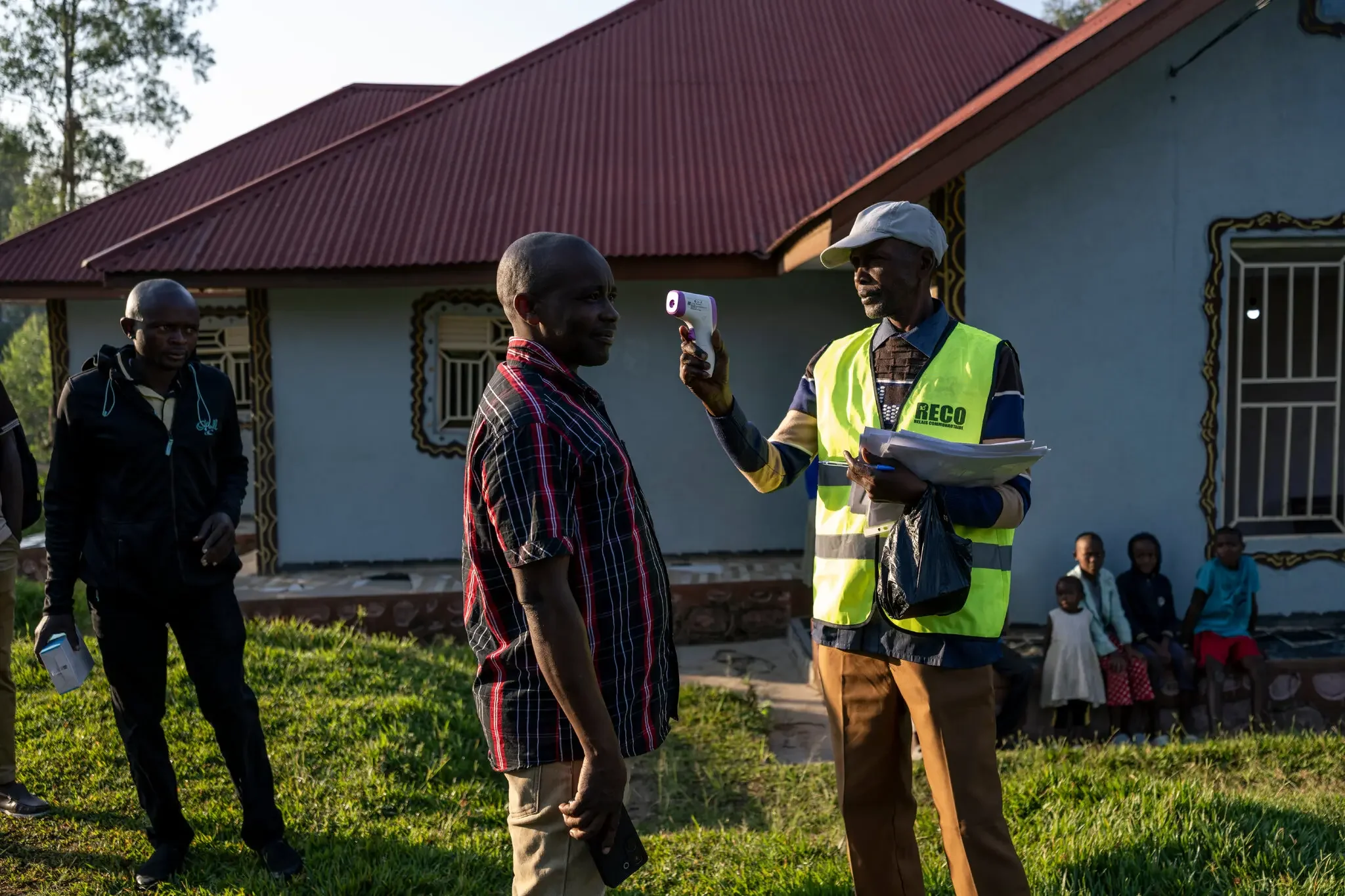
The DRC government has banned public gatherings in four provinces and in the capital, Kinshasa, citing the outbreak, according to the report on the gathering ban. Opposition leaders have criticized the Kinshasa-specific ban as politically motivated, arguing it is intended to prevent planned July protests over constitutional reform rather than to control disease spread. The DRC government's public justification and the opposition's competing interpretation remain in direct conflict, and the available reporting does not resolve which motivation is accurate. The dispute adds a layer of political friction to an outbreak response that already depends heavily on public cooperation and trust, the same factors implicated in the Ituri treatment center attack.

What Magnesium Actually Does and Which Medications It Can Undermine
A guide to magnesium's supported benefits, who is actually at risk of overdose, and the specific medications that require spacing doses apart from supplementation.

The 2026 Cyclosporiasis Outbreak Has Already Broken the U.S. Record
A multistate cyclosporiasis outbreak has surpassed the 2019 U.S. record, with Michigan hit hardest. Investigators are focused on bagged greens amid CDC budget cuts.
A Second American Has Contracted Ebola in Congo's Record Outbreak
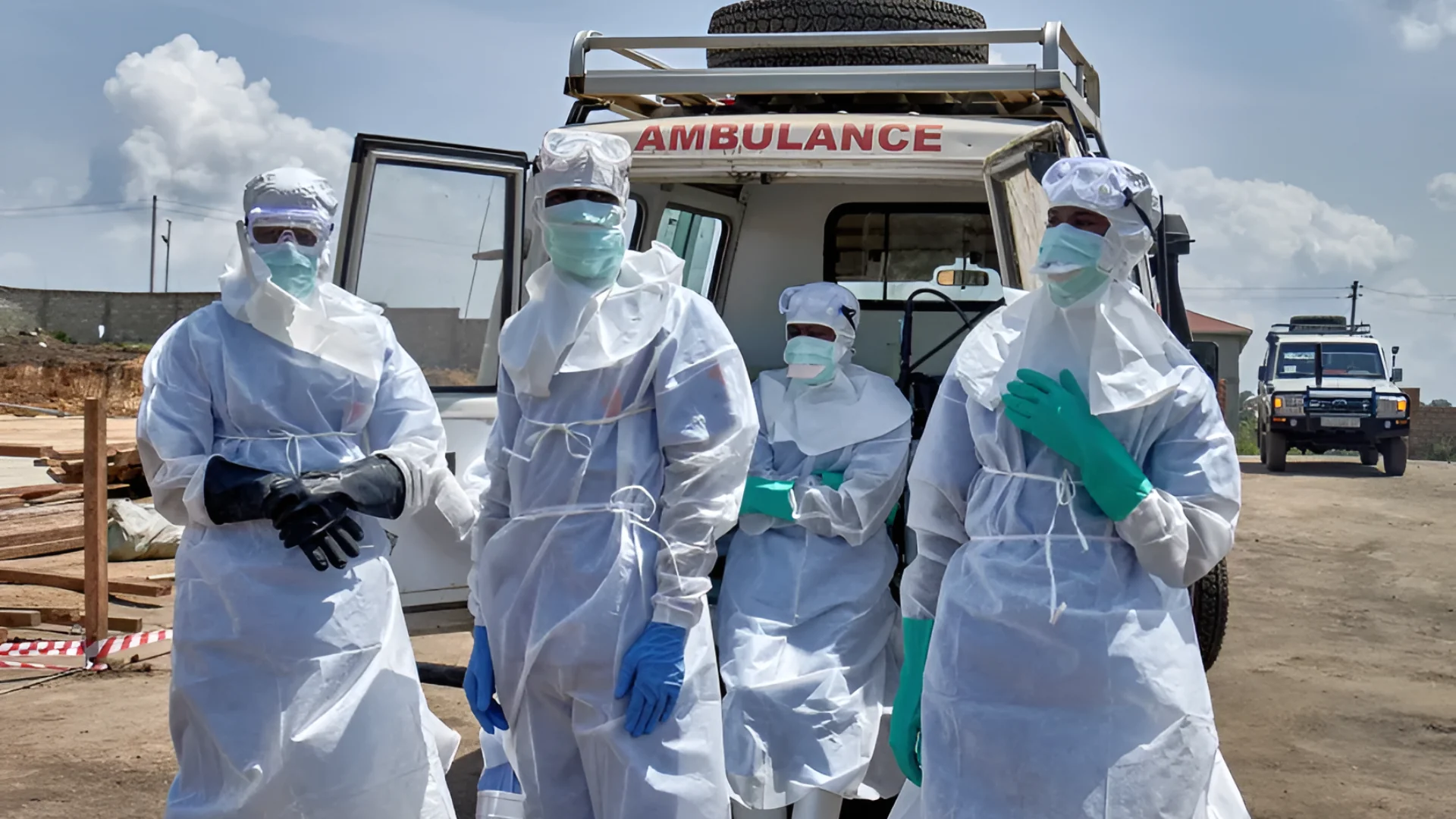
A US aid worker in DRC has tested positive for Bundibugyo Ebola virus as the outbreak, now Africa's fastest-growing, shows signs of significant undetected spread.
DRC's Bundibugyo Ebola Outbreak Spreads With No Approved Vaccine or Treatment
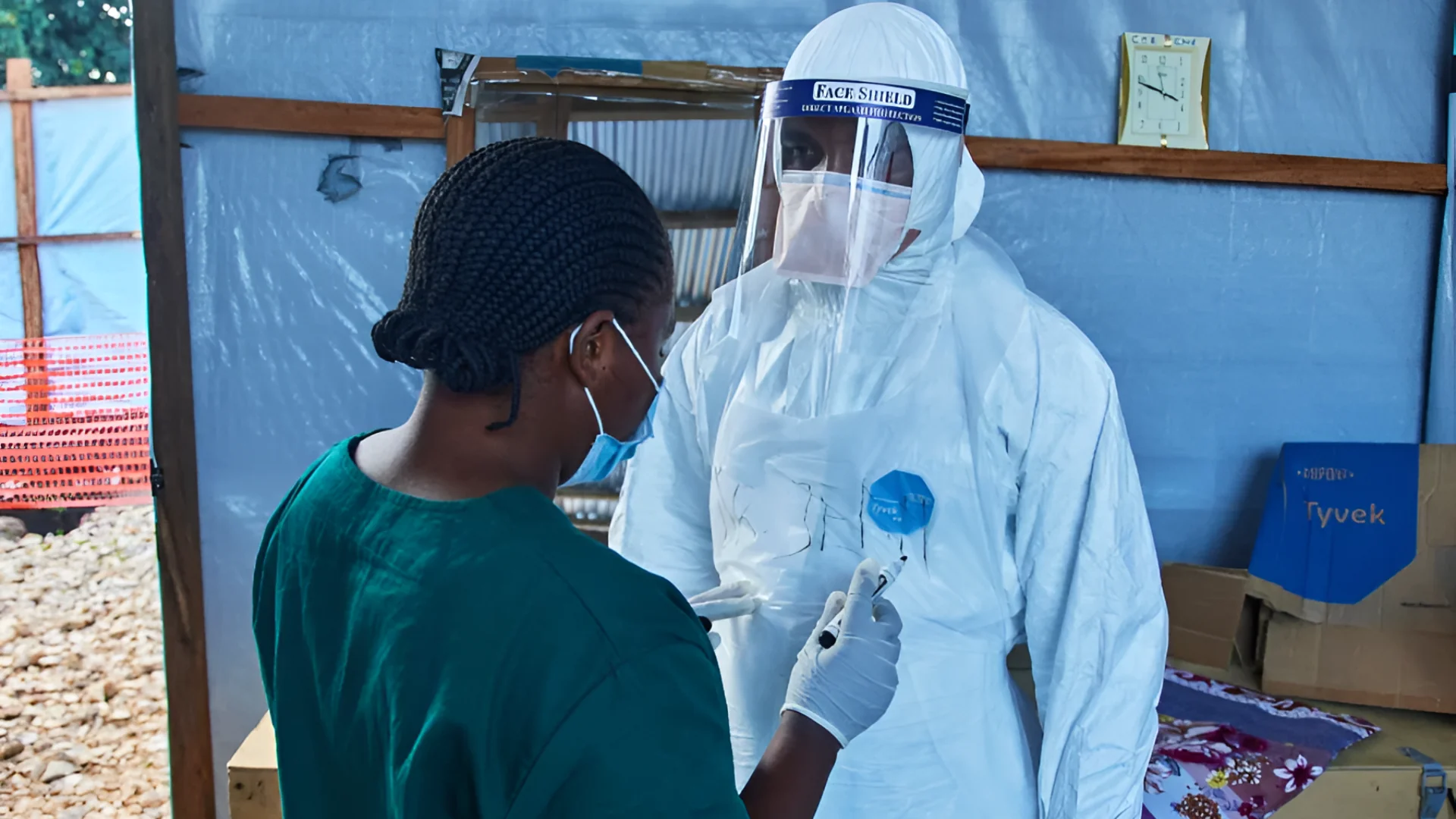
A rare Bundibugyo Ebola strain is spreading undetected across the DRC, reaching Kinshasa and Uganda, with no approved vaccine or treatment yet available.
Comments (0)
Please sign in to join the discussion.
No comments yet.
Be the first to share your perspective on this topic.