
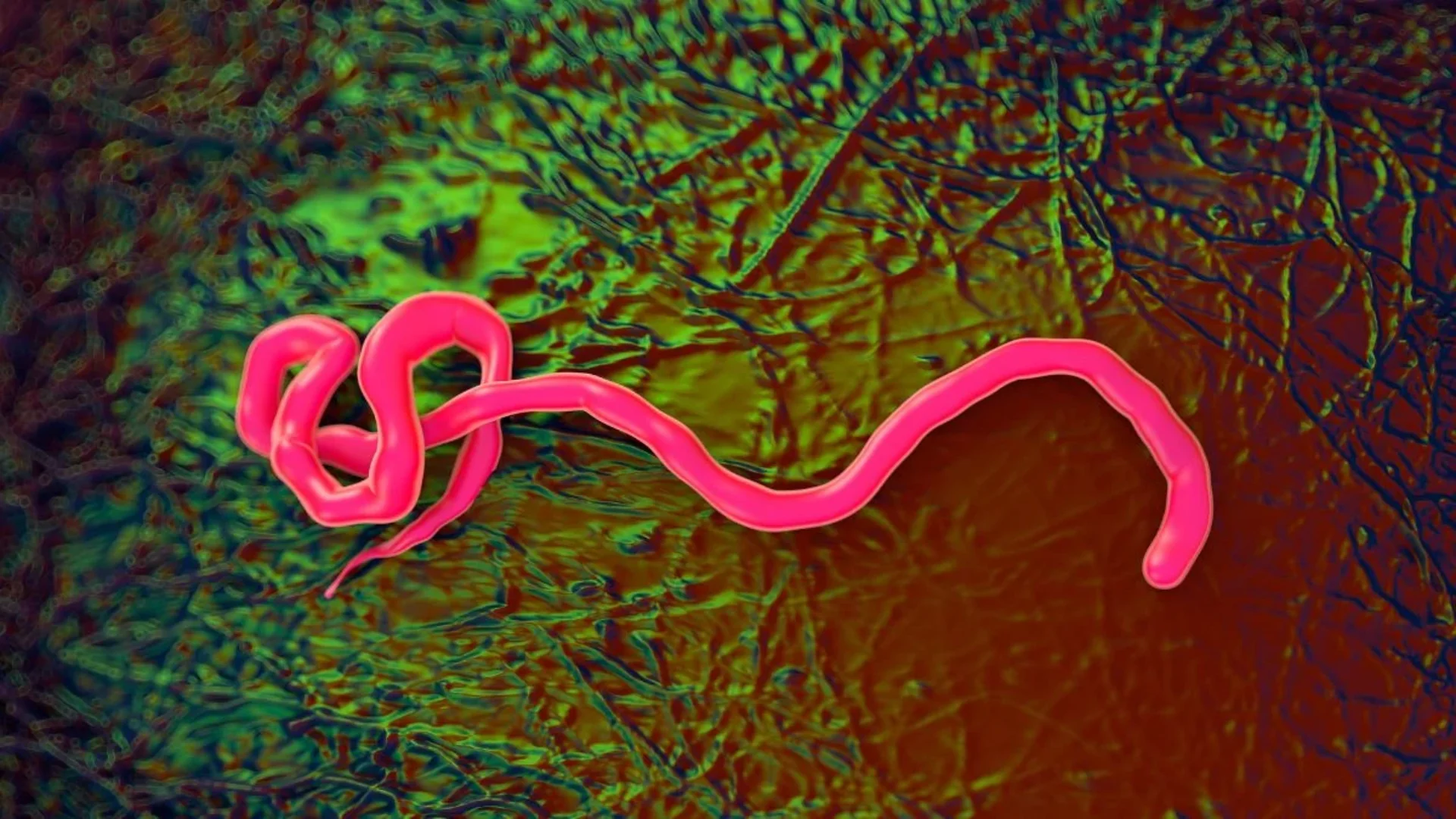
France confirmed its first Ebola case on June 24, 2026 — a humanitarian doctor who returned from an active transmission zone in the Democratic Republic of Congo. It is the first confirmed case outside Africa in the current outbreak, and it arrives at the moment the outbreak surpasses 1,000 total infections with no licensed vaccine available for this particular strain.
How the Outbreak Unfolded: From DRC Detection to Europe in Six Weeks
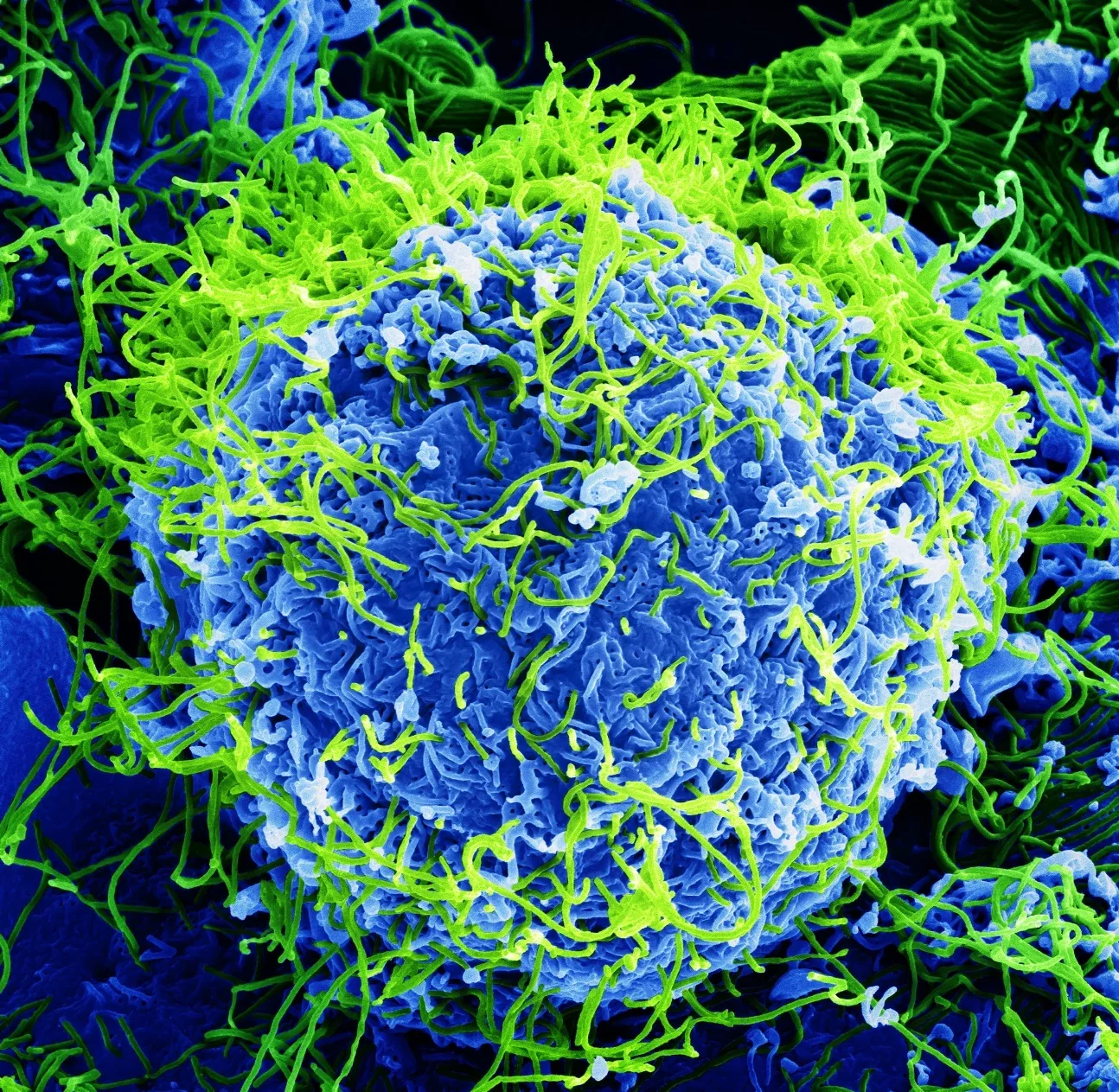
The 2026 outbreak was declared simultaneously by the DRC and Uganda on May 14–15, driven by the Bundibugyo ebolavirus strain — a variant distinct from the Zaire strain that caused every major outbreak since 1976. Within 48 hours, WHO Director-General Tedros Adhanom Ghebreyesus declared it a Public Health Emergency of International Concern, the organization's highest formal alert level. On June 5, the Africa CDC and WHO launched a joint six-month continental response plan. Less than three weeks later, the virus crossed the Mediterranean.
The French patient was isolated immediately upon return and transferred to a specialized facility with negative-pressure containment. High-risk contacts were placed under mandatory 21-day monitored home isolation. The European Centre for Disease Prevention and Control currently rates the risk to the broader European population as low to very low, and French health authorities have not reported secondary transmission as of the time of publication.
The speed of geographic spread is partly an artifact of how this strain moves through a population already fractured by conflict. The epicenters — Ituri, North Kivu, and South Kivu provinces — are among the most contested territories in central Africa, with Islamic State-affiliated ADF fighters and M23 rebel forces limiting medical access to dozens of villages. Contact tracers have successfully followed up with only 58% of active contacts. Over 35,000 contacts remain untraced, a figure that reflects both population mobility linked to artisanal mining and documented community mistrust of outside health workers. The index case — Patient Zero — has not been identified.
The chart below traces the key moments in the six weeks between first detection and the confirmed export to France.
The Deadliest Opening Month on Record — and Why the Speed Matters
The outbreak reached 250 confirmed deaths in 37 days. That is the fastest any Ebola outbreak has hit that marker in recorded history. The 2014–2016 West Africa outbreak — the largest in history, ultimately killing more than 11,000 people — took 78 days to reach the same threshold. The 2018–2019 North Kivu DRC outbreak, itself the second deadliest on record, took 130 days. The velocity difference is not merely statistical; it reflects a set of structural conditions in the current epicenters that actively resist containment.
The population in eastern DRC's Ituri, North Kivu, and South Kivu provinces includes more than five million internally displaced people, many concentrated in overcrowded settlement camps. The Kigonze camp near Bunia, for example, houses around 15,000 people and had recorded at least 30 suspected but unverified Ebola deaths since May, according to reporting cited in the source package. With only 0.2 physicians per 1,000 people across the DRC and 80% of the Ituri population lacking reliable access to clean water, the outbreak's early trajectory was set against conditions that would challenge containment of any pathogen.
Children and adolescents under 18 account for 15% of confirmed infections but more than 25% of confirmed deaths. Young people infected with this strain are dying at nearly twice the rate of adults, a disparity that UNICEF links to both physiological vulnerability and the disruption of pediatric care infrastructure across 31 affected health zones, where 2.95 million minors are now considered at risk.
The chart below compares how quickly the three most significant Ebola outbreaks of the modern era reached 250 confirmed deaths.
No Approved Vaccine, No Approved Treatment — The Bundibugyo Problem
The single most consequential difference between the 2026 outbreak and every Ebola response since 2014 is the absence of approved medical countermeasures. The Bundibugyo ebolavirus strain is one of six known species in the genus and is phylogenetically distant from the Zaire strain. Every licensed vaccine and every approved therapeutic that has been developed and deployed since the 2014–2016 West Africa crisis — including the widely used rVSV-ZEBOV vaccine (Ervebo) and the monoclonal antibody treatments mAb114 and REGN-EB3 — was designed specifically against Zaire ebolavirus. They do not reliably neutralize the Bundibugyo strain. The WHO has explicitly advised against deploying these products in the current outbreak due to insufficient evidence that they would provide meaningful protection.
This leaves responders without two of the three tools that made the 2018–2019 DRC outbreak containable: ring vaccination of contacts and therapeutic treatment of confirmed cases. Supportive care — fluid management, fever control, secondary infection prevention — remains the primary intervention. The DRC government and WHO are working with research institutions on accelerated access to experimental Bundibugyo-specific candidates, but no product has yet cleared the evidence threshold required for emergency use authorization.
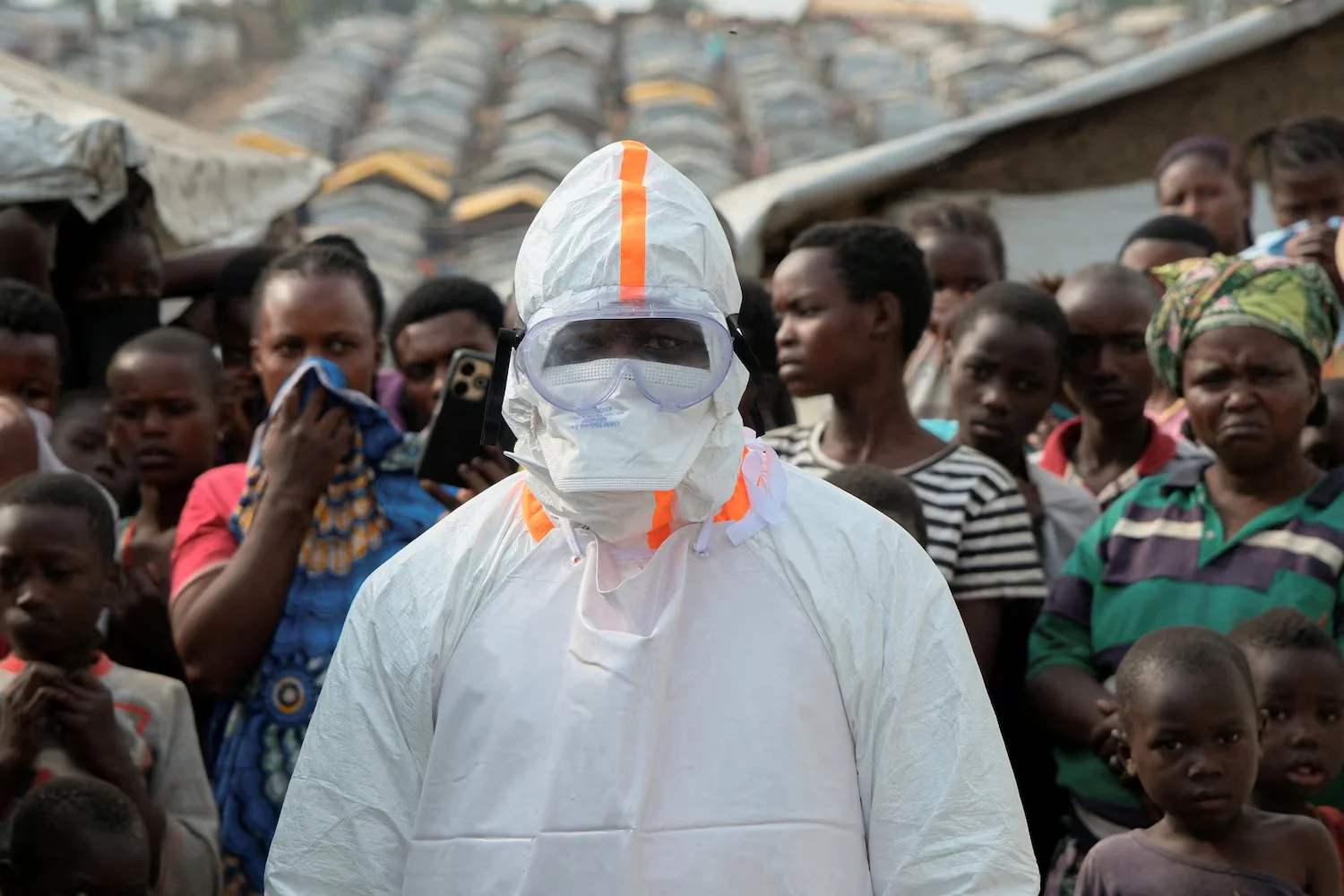
That structural gap shapes everything else about the response. Because frontline health workers cannot be vaccinated against this specific strain, what makes this strain structurally different from prior responses is not just the biology but the operational posture required: every health worker entering a treatment zone relies on personal protective equipment and isolation protocol alone, with no pharmaceutical backstop if exposure occurs. The French doctor's case is a direct consequence of that reality.
The four figures below reflect the scale of the outbreak and the depth of the vaccine and treatment gap as of June 24, 2026.
The France case does not, on its own, signal a wider European spread. Health authorities have followed established protocols, and the European risk assessment remains low. What it does signal is that a strain for which no licensed medical countermeasure exists has now traveled beyond the African continent under active outbreak conditions — and done so while more than 35,000 contacts in the source region remain unaccounted for.

Fish Oil Supplements Don't Protect Memory, USC Trial Finds
A randomized controlled trial published in eBioMedicine found that 2,000 mg daily DHA supplements failed to improve memory or slow hippocampal shrinkage in 365 at-risk adults over 24 months, despite confirmed CSF delivery.


Intermittent Fasting: Benefits, Risks, and Who Should Avoid It
New research confirms intermittent fasting produces similar weight loss to calorie counting, with added psychological benefits. But for people with diabetes, eating disorders, or certain medical conditions, the risks are real.
DRC Ebola Outbreak Surpasses 1,000 Cases: Children Most at Risk
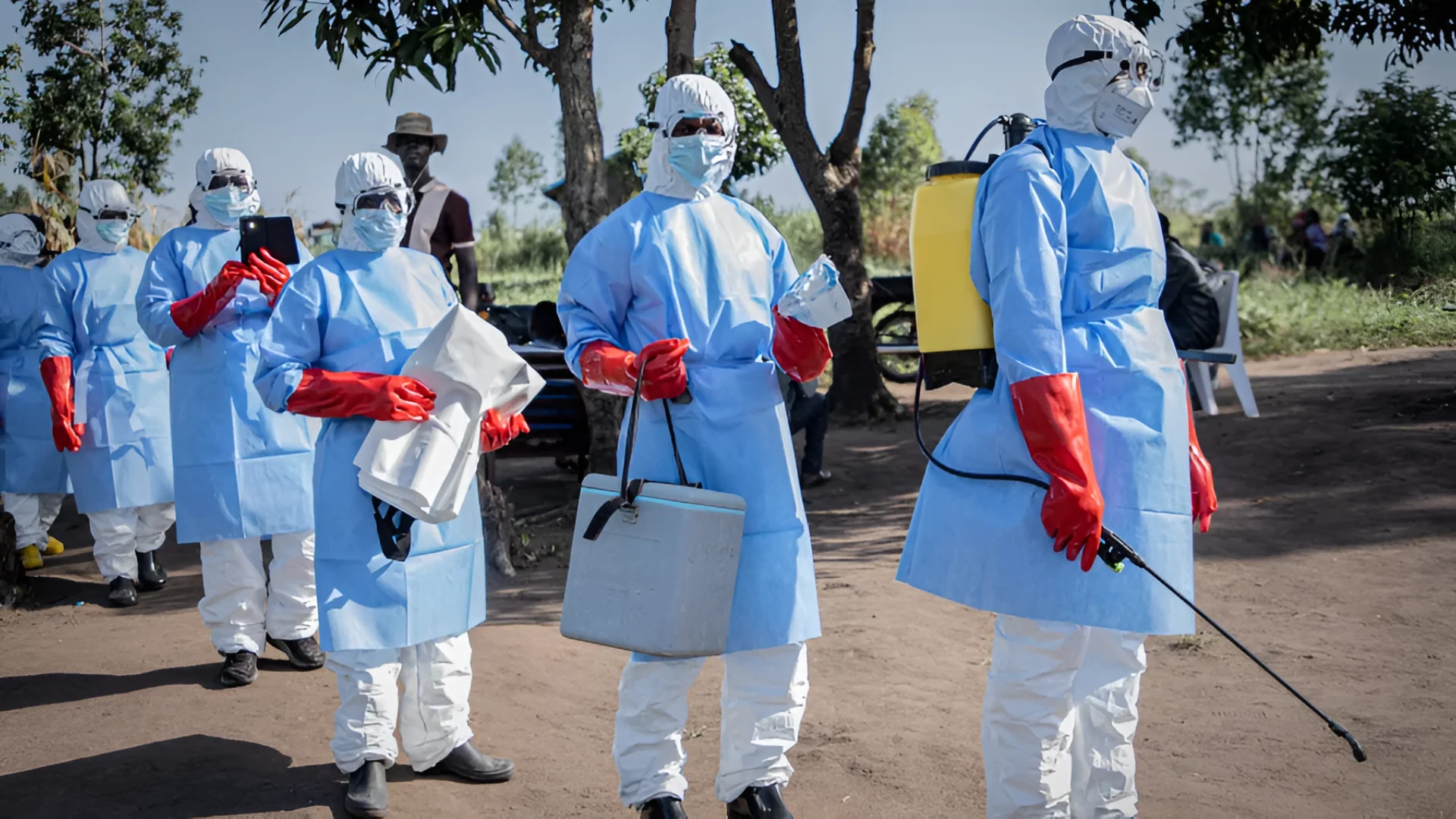
A WHO-declared public health emergency, the DRC Ebola outbreak now tops 1,000 cases. Children are dying at nearly twice the rate of adults, contact tracing covers only 58% of known contacts, and a $20 million funding gap threatens the six-month response plan.

Ultra-Processed Foods and Brain Health: What Studies Show
Research from Monash University, Harvard, and studies of tens of thousands of adults connects ultra-processed food intake to measurable cognitive decline, dementia risk, Parkinson's symptoms, and depression — with actionable thresholds in the data.
Comments (0)
Please sign in to join the discussion.
No comments yet.
Be the first to share your perspective on this topic.