
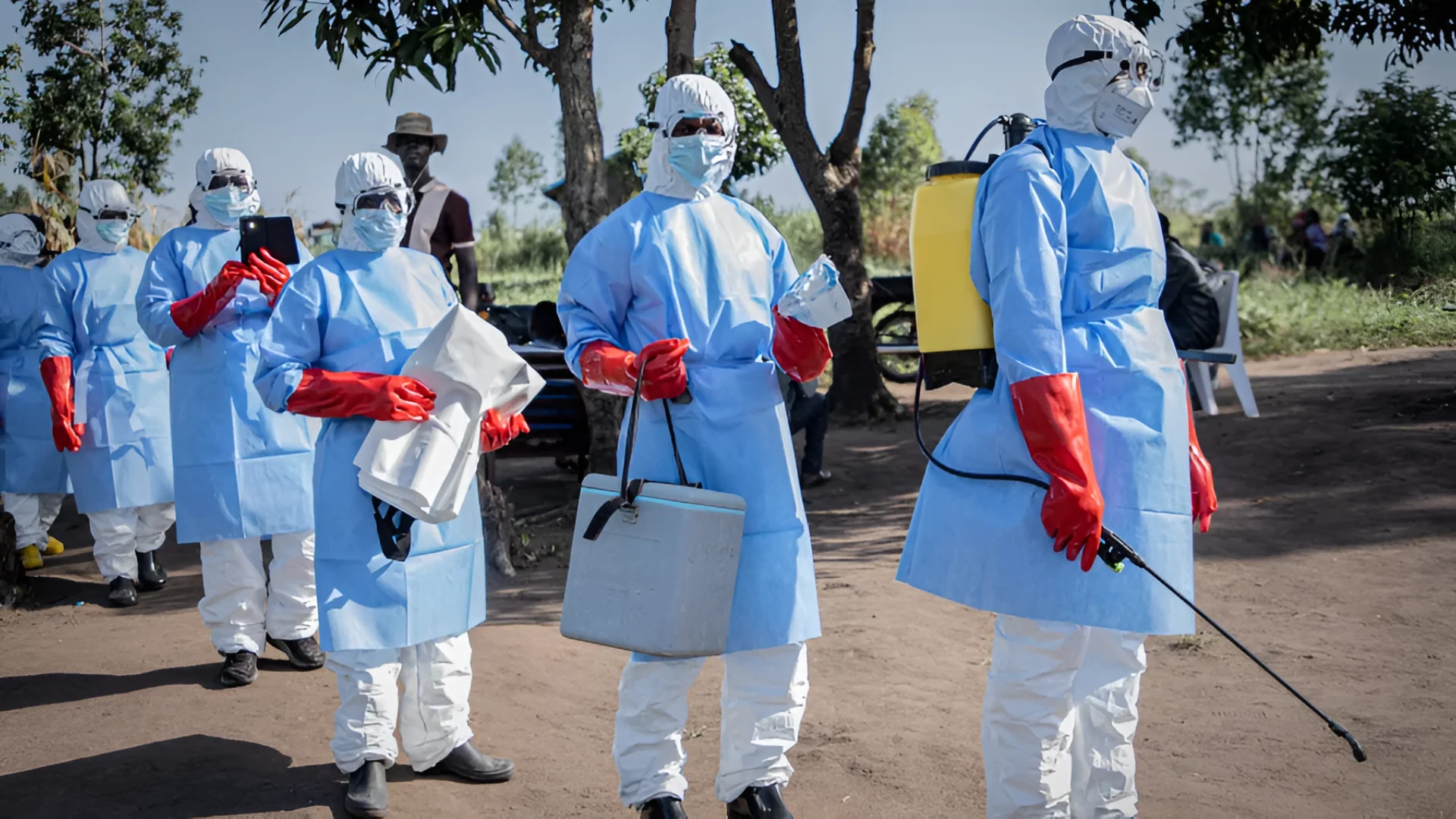
The Democratic Republic of Congo's Bundibugyo Ebola outbreak has reached 1,003 confirmed cases and 254 deaths since circulating from April 2026, according to the DRC Ministry of Health. UNICEF warned this week that the mortality pattern is not uniform: children are dying at nearly twice the rate of infected adults, and almost three million children in the outbreak zone face rising exposure risk.
A Rapidly Expanding Outbreak Centered in Ituri Province
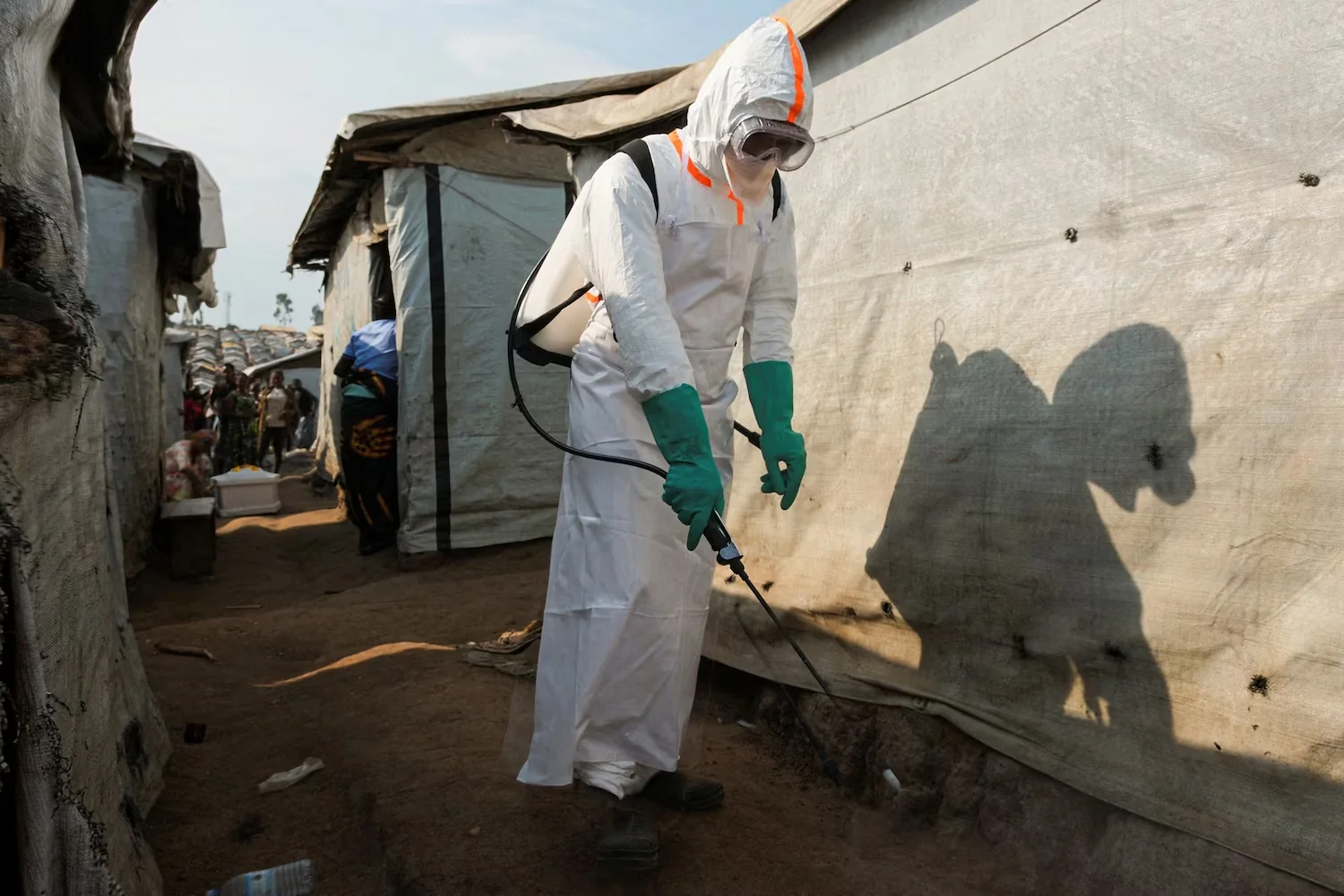
The epicenter remains Ituri Province, where the Mongbwalu, Rwampara, and Bunia health zones have reported the highest case concentrations. Cases have since been confirmed in North Kivu and South Kivu, extending the outbreak's footprint across eastern DRC. Uganda has reported 20 confirmed cases linked to cross-border travel from the DRC, including one child who tested positive, with 19 additional contacts placed under quarantine.
As of mid-June, 365 patients were hospitalized or in isolation, and 100 recoveries had been recorded. The WHO declared the outbreak a Public Health Emergency of International Concern on May 17, 2026, a designation that formally triggers a coordinated international response mechanism and signals that the spread poses a risk beyond DRC's borders.
The chart below shows the confirmed outbreak figures at the time of reporting.
Children Account for 15% of Cases but More Than 25% of Deaths
UNICEF estimates that 2.95 million children and adolescents — 54% of the population across 31 affected health zones — face direct exposure risk. The mortality disparity is striking: children represent roughly 15% of confirmed cases, yet account for more than 25% of confirmed deaths. According to UNICEF's warning on the outbreak, infected children are dying at nearly twice the rate of infected adults.
A key structural factor is chronic malnutrition. More than half of children under five in Ituri are chronically malnourished, which directly compromises the immune response needed to survive Ebola infection. This is not an incidental vulnerability — it means the population most exposed in this outbreak is also the population physiologically least equipped to survive it. UNICEF has opened specialized nurseries in Ituri to care for infants separated from sick or deceased parents. Over 130 children in the province have been orphaned by the outbreak to date.
The chart below compares children's and adults' shares of confirmed cases and confirmed deaths, illustrating where the mortality burden falls most heavily.
Contact Tracing Has Stalled Well Below the Threshold Needed to Break Transmission
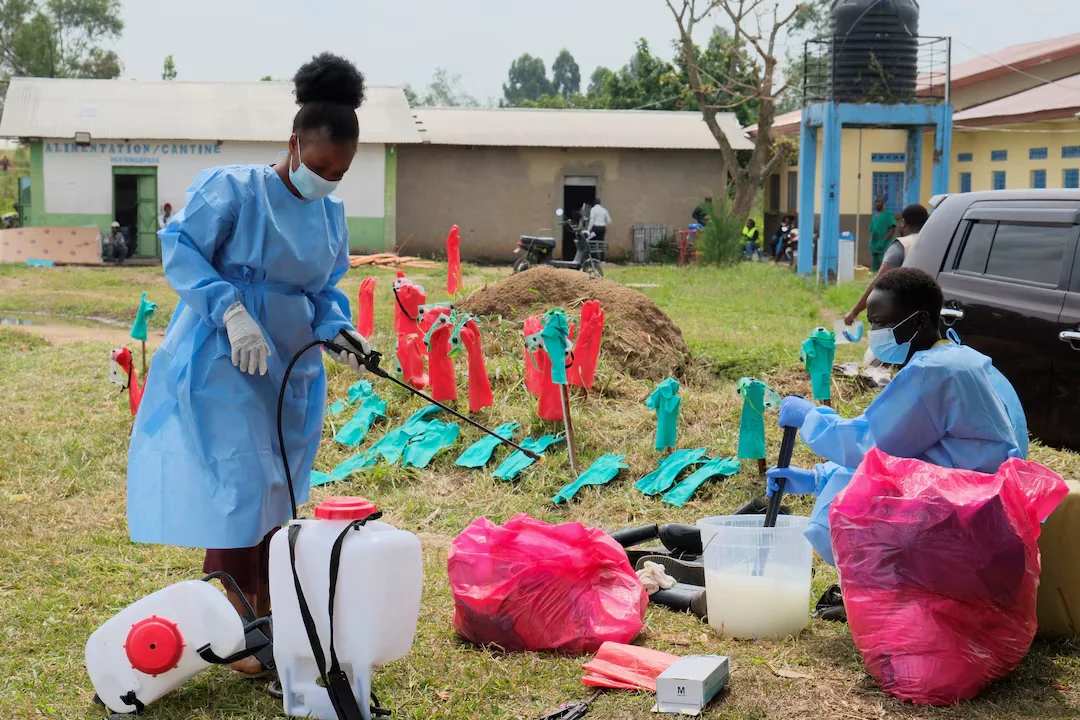
For an Ebola outbreak to be brought under control, public health authorities typically need to identify and monitor close contacts of every confirmed case at coverage rates of 90–95%, according to WHO operational guidance. In the DRC outbreak, only 58% of identified contacts have been successfully followed up — a gap that, in practice, means roughly four in every ten exposure chains are going unwatched.
The reasons are compounded. Misinformation spreading through social media and word of mouth has made parts of the population resistant to contact tracers and health workers, according to Bonheur Baeni, a project manager with the NGO CARE. Community engagement teams are working with local leaders to rebuild trust, but the effect on tracing coverage has not yet closed the gap.
UNICEF is seeking $70.7 million for a six-month containment and response plan. As of the time of reporting, $20 million of that total remains unfunded, leaving roughly 28% of the planned response without resources. For context on how malnutrition and funding gaps compound outbreak severity in this region, the shortfall is particularly acute given Ituri's pre-existing humanitarian burden.
The chart below places both gaps — contact tracing coverage and funding coverage — against their required targets.
The cross-border dimension adds further urgency. Uganda's 20 confirmed cases demonstrate that the outbreak is not geographically self-contained. For context on what distinguishes this outbreak from previous DRC Ebola crises, the Bundibugyo strain's behavior and the scale of the first-month case count are both factors WHO flagged in its emergency declaration. Whether the contact tracing gap and the funding shortfall can be addressed before transmission extends further will determine the outbreak's trajectory over the coming weeks.

Ultra-Processed Foods and Brain Health: What Studies Show
Research from Monash University, Harvard, and studies of tens of thousands of adults connects ultra-processed food intake to measurable cognitive decline, dementia risk, Parkinson's symptoms, and depression — with actionable thresholds in the data.
![DRC health workers retrieve the body of an Ebola virus victim from Rwampara Hospital morgue in Ituri province, June 09, 2026 [Anadolu Agency]](/uploads/1782059208554-More_than_70_medics_infected_with_Ebola_as_DRC_outbreak_spreads____fast___.webp)
DRC Ebola 2026: Why This Outbreak Is Different
The DRC's Bundibugyo Ebola outbreak declared in May 2026 has grown past 800 confirmed cases, reached displacement camps holding 30,000 people, and spread to Uganda, while health systems face 70+ infected workers and no approved treatment.
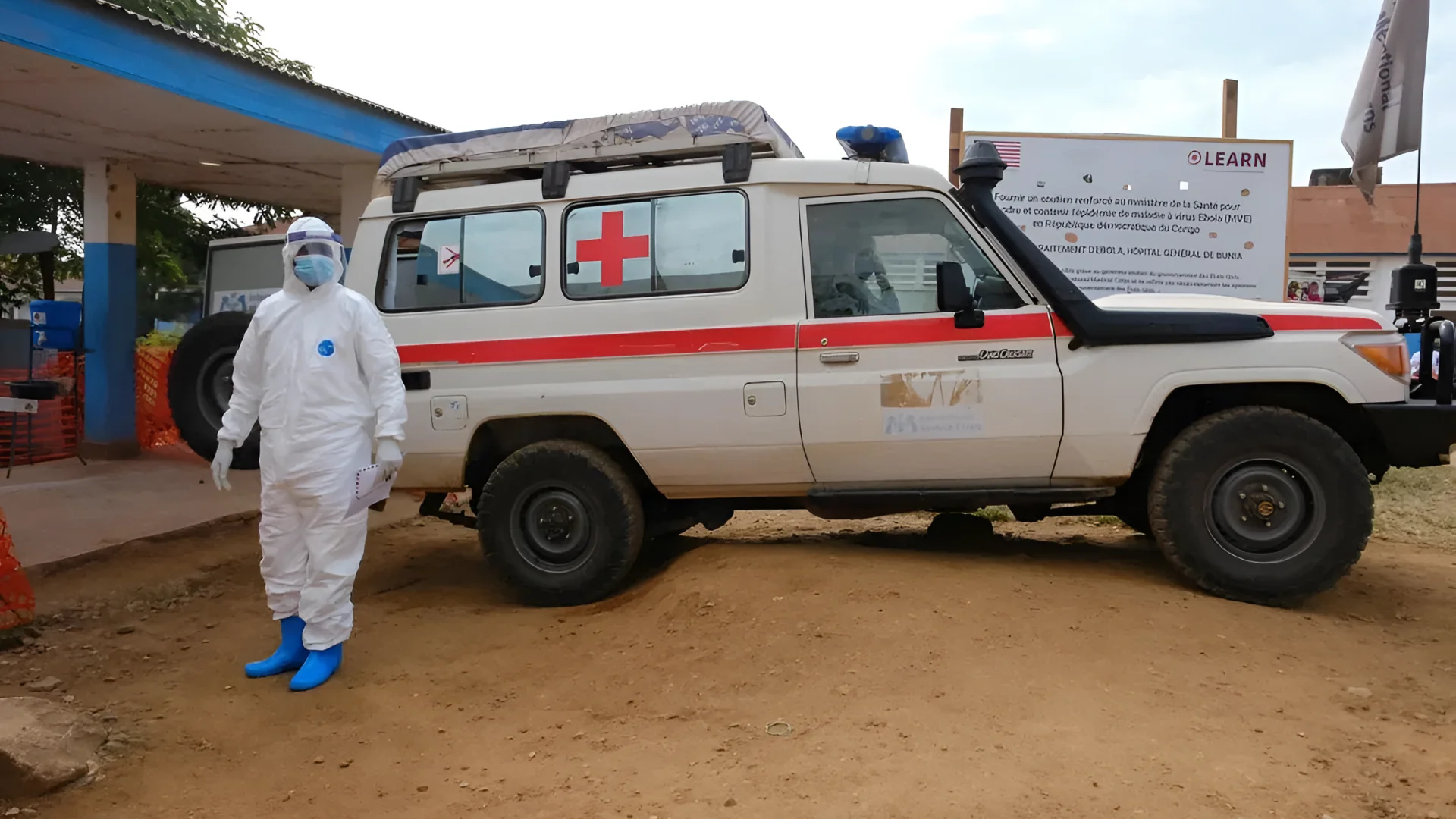
DRC Ebola Outbreak 2026: Hunger and Funding Gaps
The 2026 DRC Ebola outbreak has recorded 896 confirmed cases and 232 deaths in under a month, driven by Bundibugyo strain, no approved treatment, patient escapes linked to hunger, and $810M in pledged funds still undelivered.
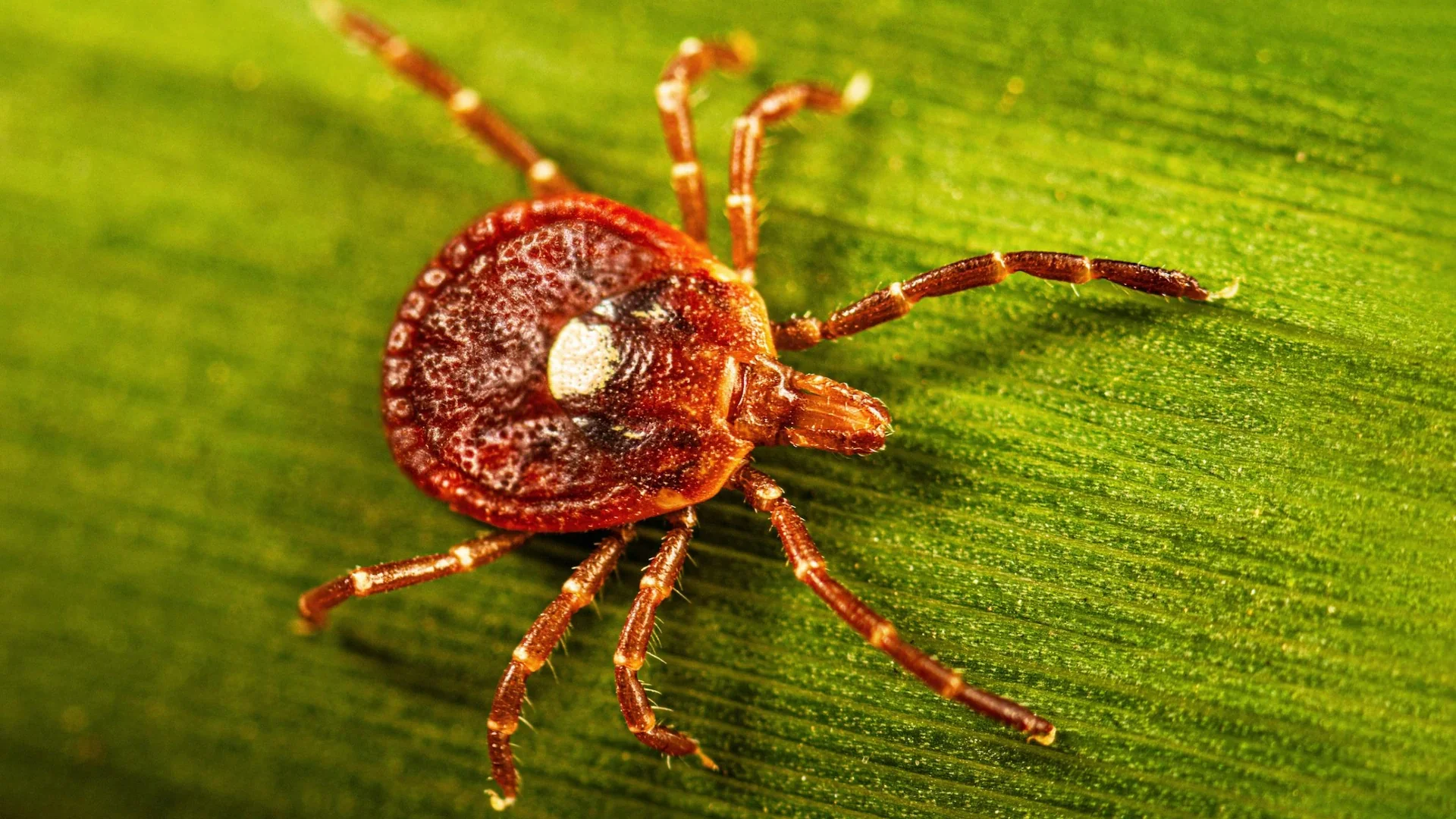
Alpha-Gal Syndrome: What a Tick Bite Does to Your Diet
Alpha-gal syndrome is a delayed food allergy caused by tick bites that sensitizes the immune system to a sugar molecule found in mammalian meat. Cases are surging in the Midwest and Northeast, with new state-level reporting mandates and federal labeling legislation underway.
Comments (0)
Please sign in to join the discussion.
No comments yet.
Be the first to share your perspective on this topic.