

Several large-scale studies now connect regular ultra-processed food consumption to measurable changes in cognition, dementia risk, Parkinson's symptoms, and depression. The evidence is observational — it shows association, not confirmed causation — but the numbers are consistent enough to merit close attention.
A Single Extra Bag of Chips Is Enough to Shift Cognitive Scores

Research from Monash University, drawing on data from 2,100 adults, found that every 10% increase in ultra-processed food as a share of total diet produced a measurable drop in visual attention and processing speed. The study authors put the threshold in concrete terms: a 10% increase is roughly equivalent to adding one standard bag of chips to an otherwise unchanged daily diet.
The more significant finding is what did not buffer the effect. Participants who otherwise followed a Mediterranean-style diet — broadly considered one of the most brain-protective dietary patterns in the literature — still showed the same cognitive decline when their UPF intake rose by that 10% increment. Barbara Cardoso, one of the Monash researchers, described the finding as showing "a distinct and measurable drop in a person's ability to focus" for every ten percent increase in UPF consumption.
This suggests the harm is not simply explained by UPFs displacing nutritious food. Something about the ultra-processed foods themselves — their additives, their formulation, or their effect on metabolic markers — appears to carry independent cognitive cost. What exactly that mechanism is remains under investigation.
The chart below summarises the key cognitive thresholds and effect relationships found in the Monash study.
The Dementia and Alzheimer's Numbers From Large Cohort Research
Two large studies give different windows into the dementia risk question. A Chinese cohort study covering 72,083 participants found that among regular UPF consumers, 518 developed dementia over the follow-up period — 287 with Alzheimer's disease and 119 with vascular dementia. The study also tested the reverse: replacing just 10% of daily UPF intake with minimally processed food alternatives was associated with a 19% reduction in dementia risk.
Separately, a Harvard study tracking adults over 50 found that those in the highest UPF consumption group carried a 58% higher risk of dementia compared with lower consumers, and a 46% higher risk of cognitive impairment.
Dr. Rosa Sancho of Alzheimer's Research UK offered several candidate mechanisms: low fibre, excess sugar and sodium, elevated blood pressure, and systemic inflammation. These are consistent with established cardiovascular and metabolic risk pathways for dementia, though the studies cannot isolate which pathway — or combination of pathways — drives the association.
The three figures below represent the headline risk ratios and the protective swap finding from the source studies.
How UPF Additives May Reach Dopamine-Producing Cells Via the Gut
The Parkinson's link introduces a specific proposed mechanism, which makes it analytically distinct from the dementia and cognition findings. Chinese researchers found that consuming ultra-processed foods eleven or more times a day was associated with a 2.5-fold increase in the likelihood of early Parkinson's symptoms — a notably high multiplier, though it applies to an unusually high consumption threshold.
The mechanism researchers have proposed runs through the gut. Emulsifiers and artificial sweeteners found in UPFs are thought to disrupt beneficial gut bacteria, producing a microbiome imbalance. The resulting inflammation does not stay localised: it is believed to travel via the gut-brain axis to the central nervous system, where it may damage dopamine-producing nerve cells — the cells whose loss defines Parkinson's disease.
A King's College London study of 88 Parkinson's patients found that those patients showed consistently abnormal gut microbiomes, and that certain additives appeared capable of triggering chemical reactions that directly harm neurons. Dr. Frederick Clasen of King's College London noted that "harmful bacteria play an important role in worsening Parkinson's symptoms," and that additives may "trigger chemical reactions that directly damage brain nerve cells." This is a proposed pathway, not an established causal chain — but it is consistent with the growing literature on the gut-brain axis in neurological disease.
The diagram below traces the proposed pathway from UPF additive ingestion to neurological effect.
Heavy UPF Diets and the Risk of Clinical Depression
The mental health connection comes from a Harvard Medical School study that followed more than 31,000 middle-aged women over 14 years. Women whose diets were heavy in ultra-processed items — specifically bacon, sausages, and artificially sweetened drinks — had a significantly higher likelihood of developing clinical depression over that period.
The study also produced a directional intervention signal: cutting UPF intake by three daily servings was associated with a meaningful reduction in depression risk. This figure is observational and was not tested in a controlled trial, but the 14-year follow-up period and the size of the cohort give it more weight than short-duration dietary studies typically carry.
The mechanism connecting UPFs to mood disorders is not confirmed, but the inflammation pathway proposed in the Parkinson's research is consistent with existing hypotheses about depression's relationship to systemic inflammation and gut microbiome disruption.
The chart below shows the directionality of the depression association from the Harvard data.
Taken together, the evidence from these studies does not support a simple dose-response rule — the mechanisms differ, the populations differ, and the consumption thresholds vary considerably. What the research does establish is that UPF consumption is associated with measurable brain-related outcomes across multiple independent studies, in cohorts ranging from 88 people to more than 72,000, and that the effects appear even at modest increments of intake. The practical implication suggested by the data is narrow but consistent: small reductions in ultra-processed food consumption — whether replacing one daily item or trimming three servings — appear repeatedly as the threshold at which measured risk begins to shift.

What the AHA's New Coffee Guidance Means for Heart and Liver Health
The American Heart Association's new statement on caffeine, paired with a 2026 Italian liver study, reshapes how much coffee is considered healthy and why brewing method matters.
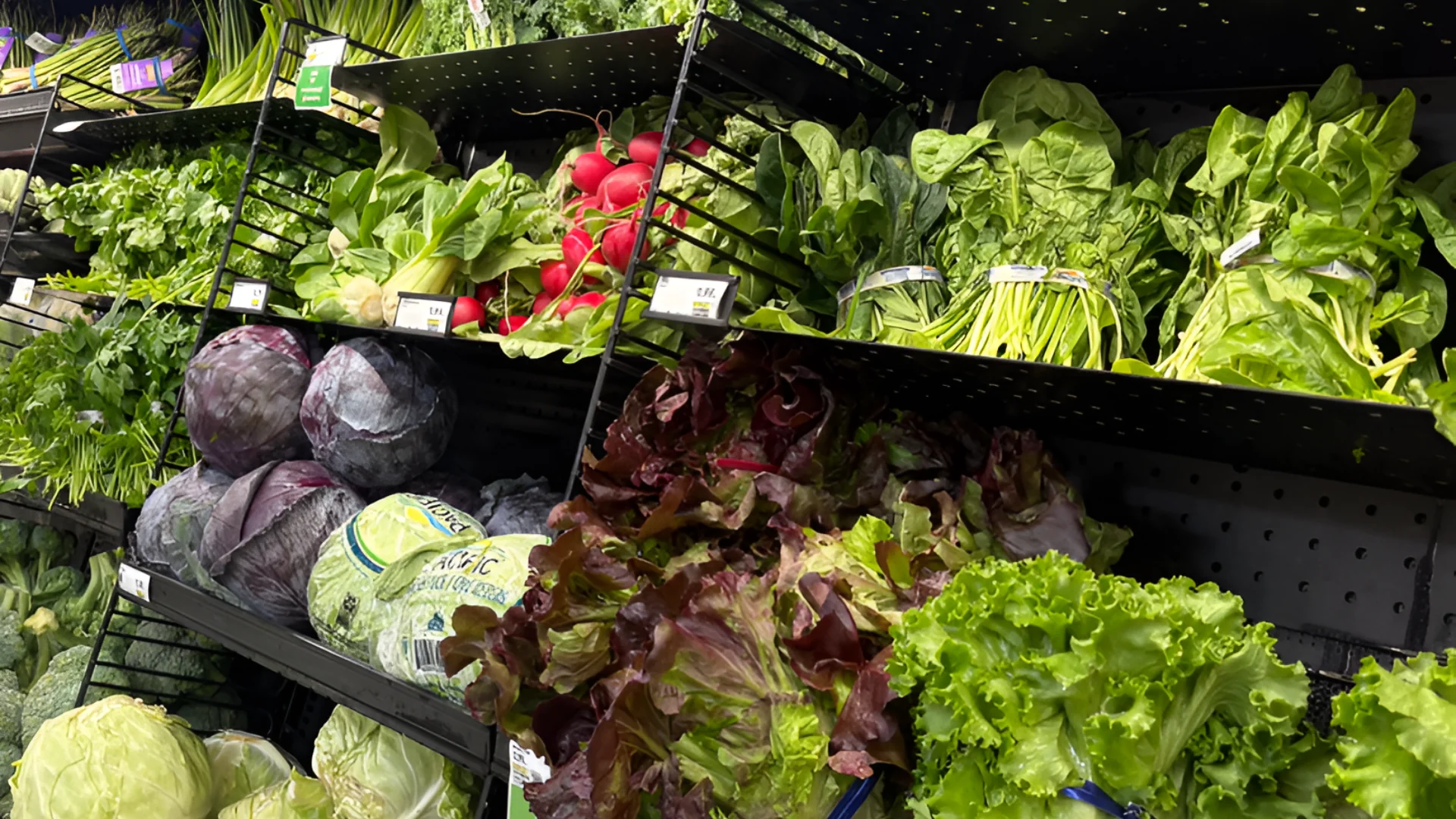
Record Cyclospora Outbreak Tied to Taylor Farms Lettuce Grows to 15 States
A multistate Cyclospora outbreak tied to Taylor Farms iceberg lettuce has grown to 6,358 confirmed cases in 15 states, with illness onset dates that predate the recall window.
![Hundreds of millions of birds and mammals worldwide have been killed by the disease [File: Dado Ruvic/Reuters]](/uploads/1785854077180-Australia_warns_H5N1_likely_to_spread_after_first_mass_mortality_episode.webp)
Australia Confirms First H5N1 Mass Mortality Event as Bird Flu Spreads to a Second State
A confirmed H5N1 die-off in South Australian terns, a suspected Victorian cluster, and a case in a Coorong petrel mark a new phase of Australia's outbreak.

Hate Chia Water? A Gastroenterologist's 6 Alternative Ways to Eat Chia Seeds
A gastroenterologist explains why grinding chia seeds — not soaking them in water — is the practical fix for fibermaxxing's texture problem.
Comments (0)
Please sign in to join the discussion.
No comments yet.
Be the first to share your perspective on this topic.