
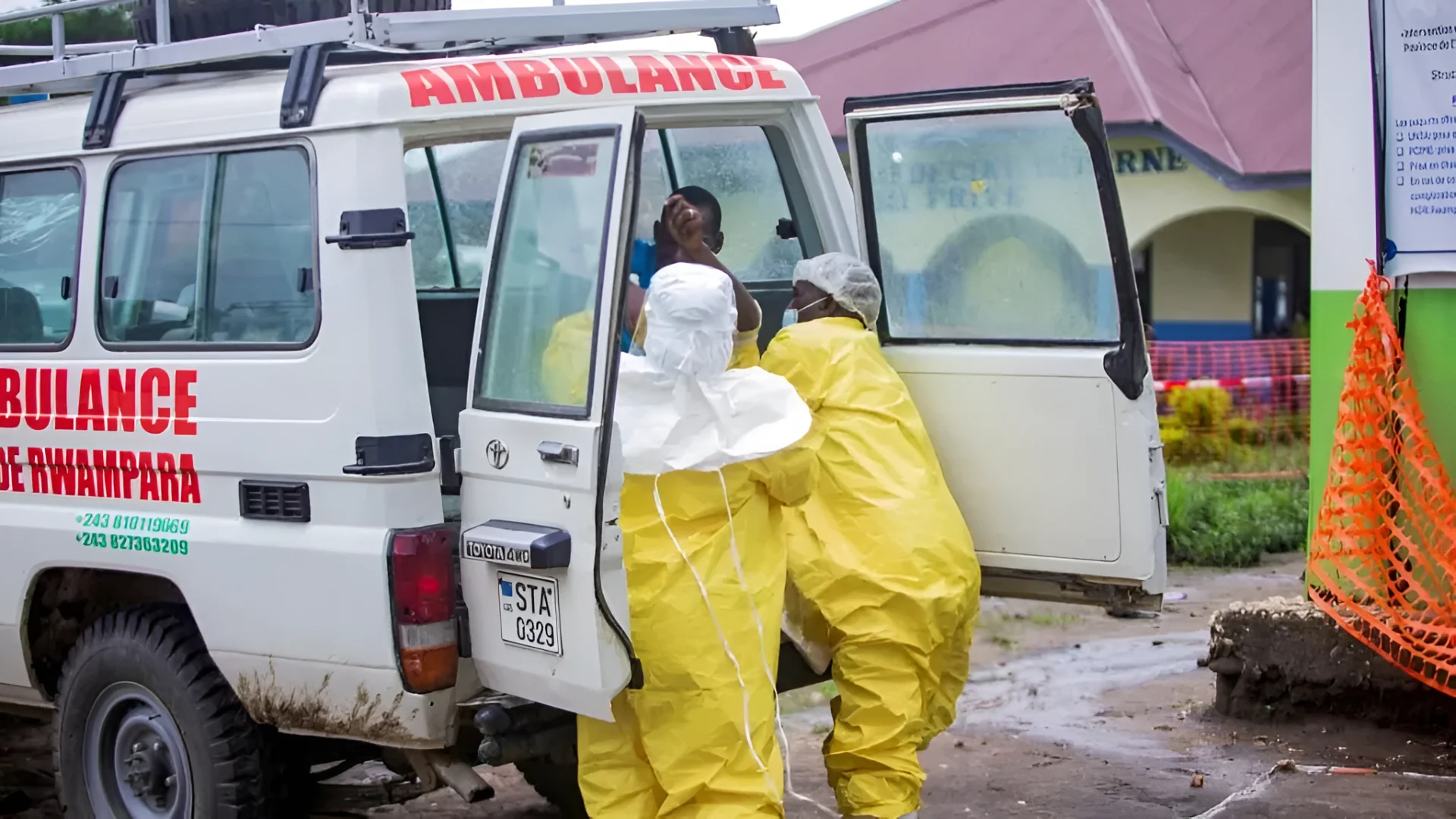
Patient enrollment has officially begun in the Democratic Republic of the Congo for the PARTNERS trial, the first clinical study designed to identify safe and effective therapeutics against Ebola disease caused by the Bundibugyo virus.
No Approved Therapeutics Exist For The Bundibugyo Strain Behind This Outbreak
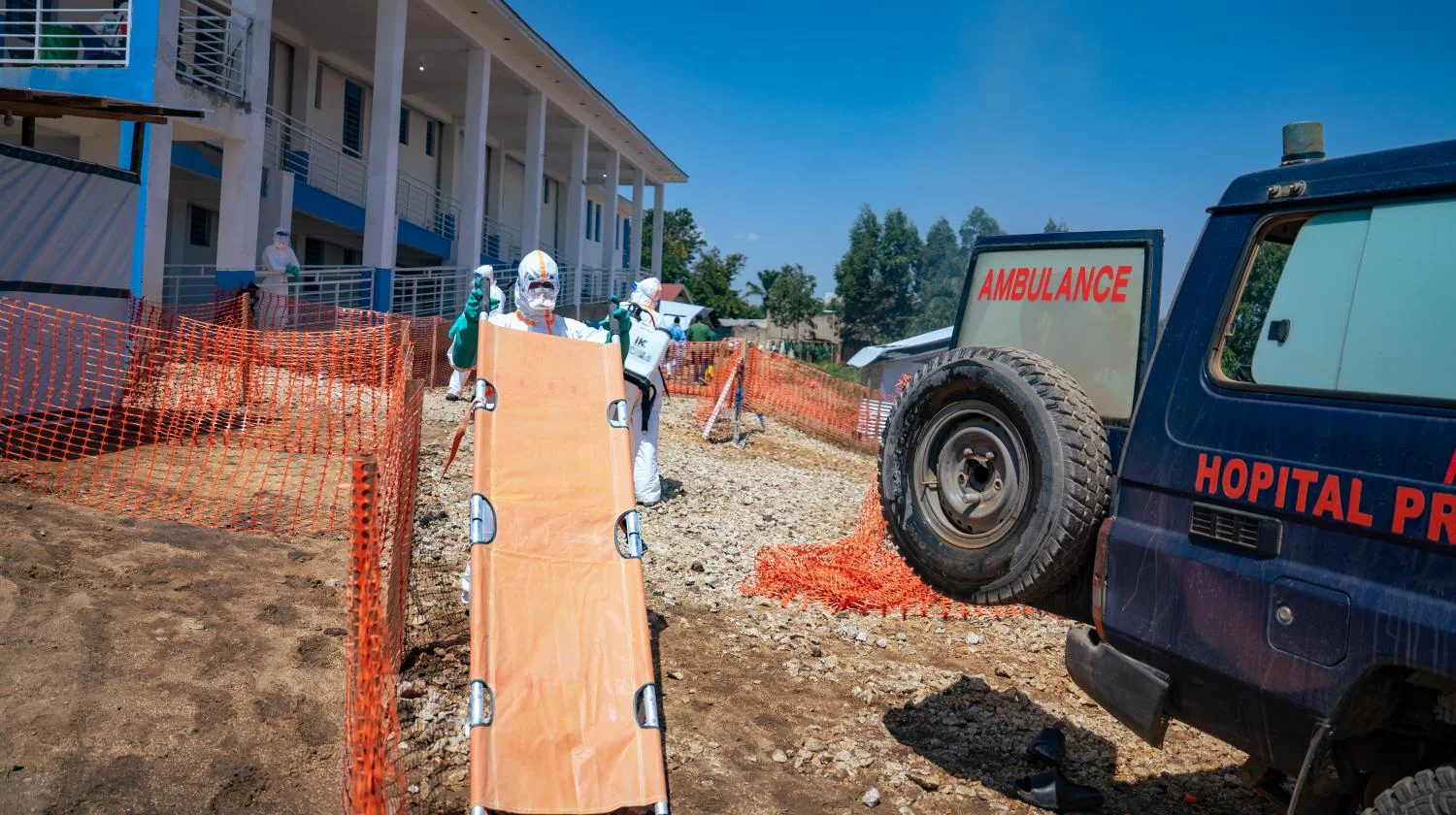
Effective therapeutics already exist for Zaire ebolavirus, the strain behind most past Ebola outbreaks. No treatment has been proven to work uniformly across the different virus types that cause Ebola disease, and currently there are zero licensed or approved treatments or vaccines specifically for the Bundibugyo strain driving the current outbreak. The World Health Organization has separately issued an Emergency Use Listing for the first molecular diagnostic test built specifically to detect the Bundibugyo virus, a step meant to speed up triage and containment while the treatment trial gets underway. WHO Director-General Dr. Tedros Adhanom Ghebreyesus noted that people are recovering from the disease even without approved therapeutics, but said more lives could be saved with safe and effective treatments available. The chart below lays out that gap.
The PARTNERS Platform Trial Splits Patients Across Four Treatment Arms
The trial's full name — Platform Adaptive Randomised Trial for New and Repurposed Filovirus TreatmentS — describes how it works. Patients are randomized into one of four groups: MBP134, a pan-Ebolavirus monoclonal antibody developed by Mapp Biopharmaceuticals; remdesivir, the Gilead Sciences antiviral previously used in hospitalized COVID-19 patients; a combination of both drugs; or a control arm receiving optimized, high-quality supportive care, including fluids, electrolyte replacement, oxygen support, blood pressure management, and pain control. Because PARTNERS is structured as a platform trial, researchers can add new experimental treatments to the study as they become available, rather than starting a new trial from scratch. Professor Amanda Rojek of the University of Oxford, who leads trial operations, said research needs to run alongside the outbreak response rather than after it, so evidence can inform patient care in months rather than years. Here is how the four arms feed into that shared analysis.
Confirmed Cases Have Passed 1,400 In DRC As The Virus Crosses Into Uganda
As of July 2, 2026, the DRC has recorded 1,406 confirmed cases, 438 deaths, and nearly 210 recoveries, putting the case-fatality rate at around 26%. The epidemic's epicenter spans Ituri, North Kivu, and South Kivu provinces and has recently reached a fourth province, prompting authorities to ban mass gatherings in the capital, Kinshasa — building on the outbreak's spread past 1,300 cases into a fourth province. The outbreak has also crossed the border into Uganda, which has reported 20 confirmed cases and 2 deaths. That gap in scale is visible in the country-by-country totals below.
Community Mistrust Over Burial Protocols Is Fueling Attacks On Treatment Centers
Extreme community mistrust, misinformation, and local violence are significantly slowing the medical response, a pattern consistent with earlier case data showing children among those most at risk. An Ebola treatment center in Ituri province was attacked and set on fire, killing two people and forcing active patients to flee. Dr. Chikwe Ihekweazu, executive director of the WHO Health Emergencies Programme, said the backlash is heavily tied to resistance against safe and dignified burial protocols. Because deceased bodies remain highly infectious, trained medical teams must handle burials, a requirement that frequently clashes with traditional family customs. The outbreak is also unfolding inside a broader humanitarian crisis, with severe food insecurity and armed conflict between the Congolese military and local militia groups driving mass internal displacement — conditions that complicate both trial enrollment and routine outbreak containment work.
Trial Investigators Say A Clear Answer Could Take Months, Possibly Into 2027
Dr. Vasee Moorthy, acting lead of WHO's R&D Blueprint group, said a definitive answer will take time: enrollment is expected to run for months and could extend into 2027. The study may need to enroll up to 1,000 patients to establish clear efficacy data, though it could conclude earlier if one treatment arm shows an exceptionally high survival benefit. Enrolled patients will be monitored for a minimum of 28 days. That timeline, from a confirmed starting point to an uncertain endpoint, is mapped out below.
For now, the trial's early value may be operational as much as scientific: it gives clinicians a structured way to offer experimental options inside an outbreak that has already outpaced the tools available to fight it, in a region where the response itself is contested ground.

What Magnesium Actually Does and Which Medications It Can Undermine
A guide to magnesium's supported benefits, who is actually at risk of overdose, and the specific medications that require spacing doses apart from supplementation.
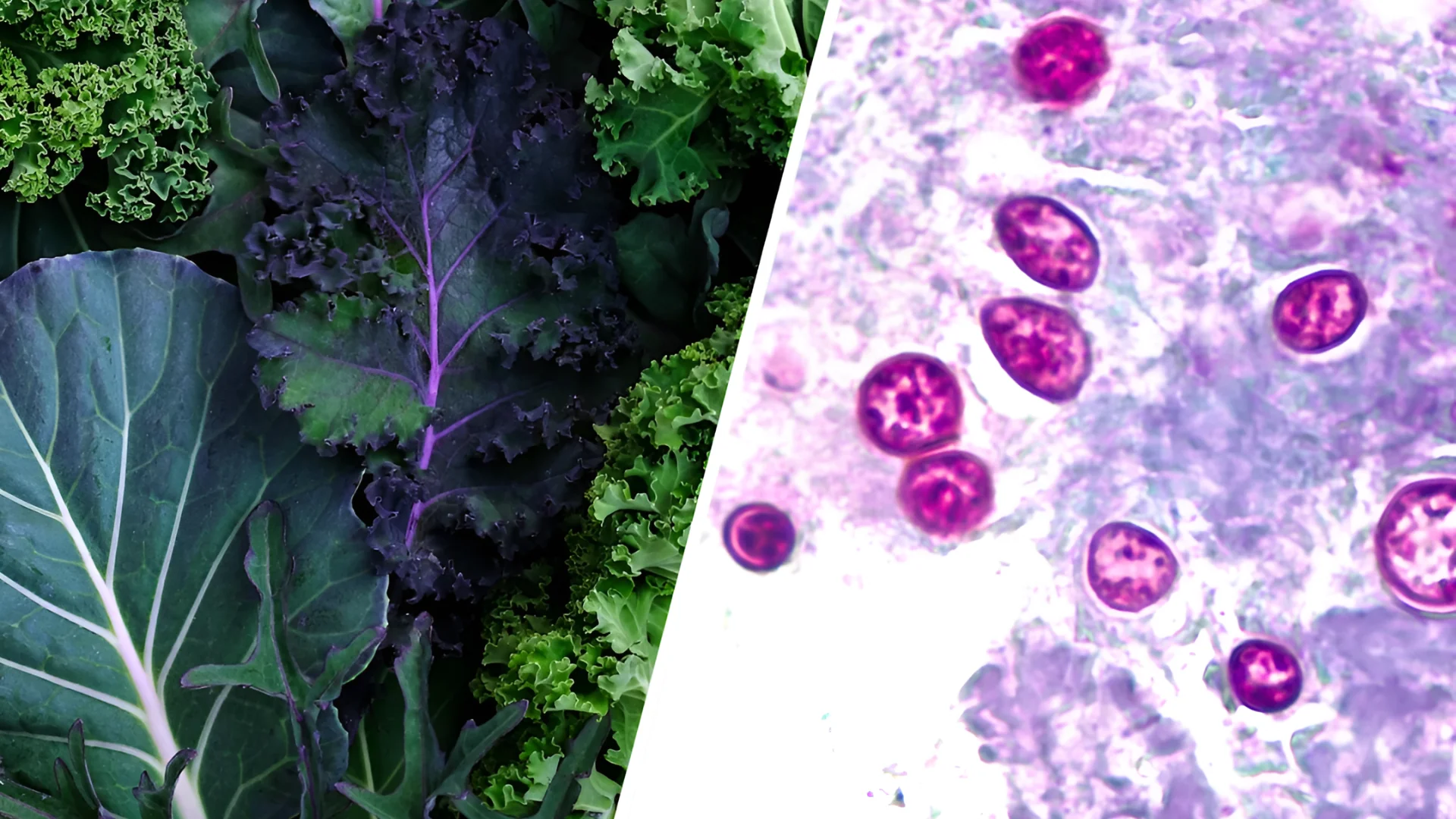
The 2026 Cyclosporiasis Outbreak Has Already Broken the U.S. Record
A multistate cyclosporiasis outbreak has surpassed the 2019 U.S. record, with Michigan hit hardest. Investigators are focused on bagged greens amid CDC budget cuts.
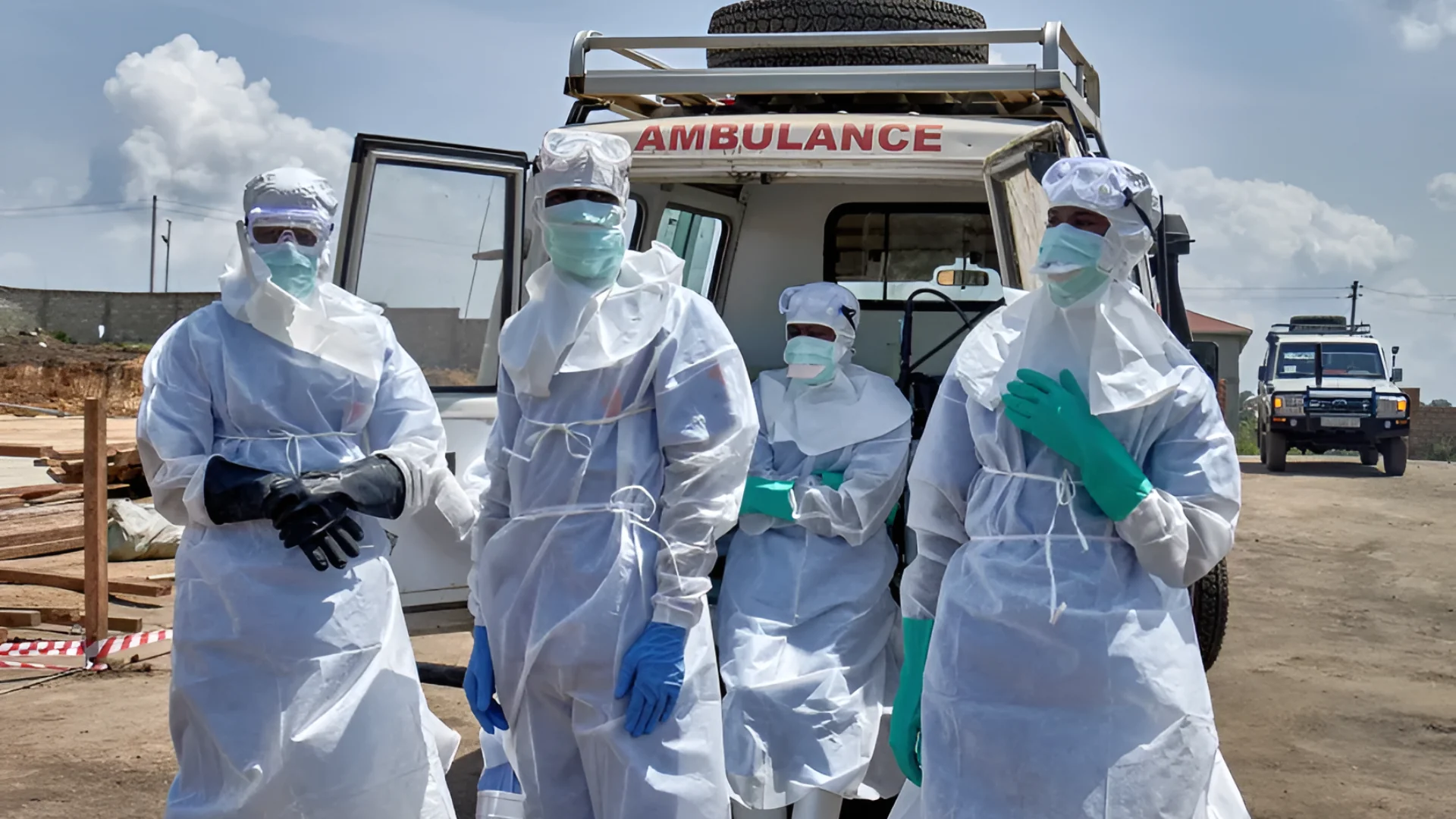
A Second American Has Contracted Ebola in Congo's Record Outbreak
A US aid worker in DRC has tested positive for Bundibugyo Ebola virus as the outbreak, now Africa's fastest-growing, shows signs of significant undetected spread.
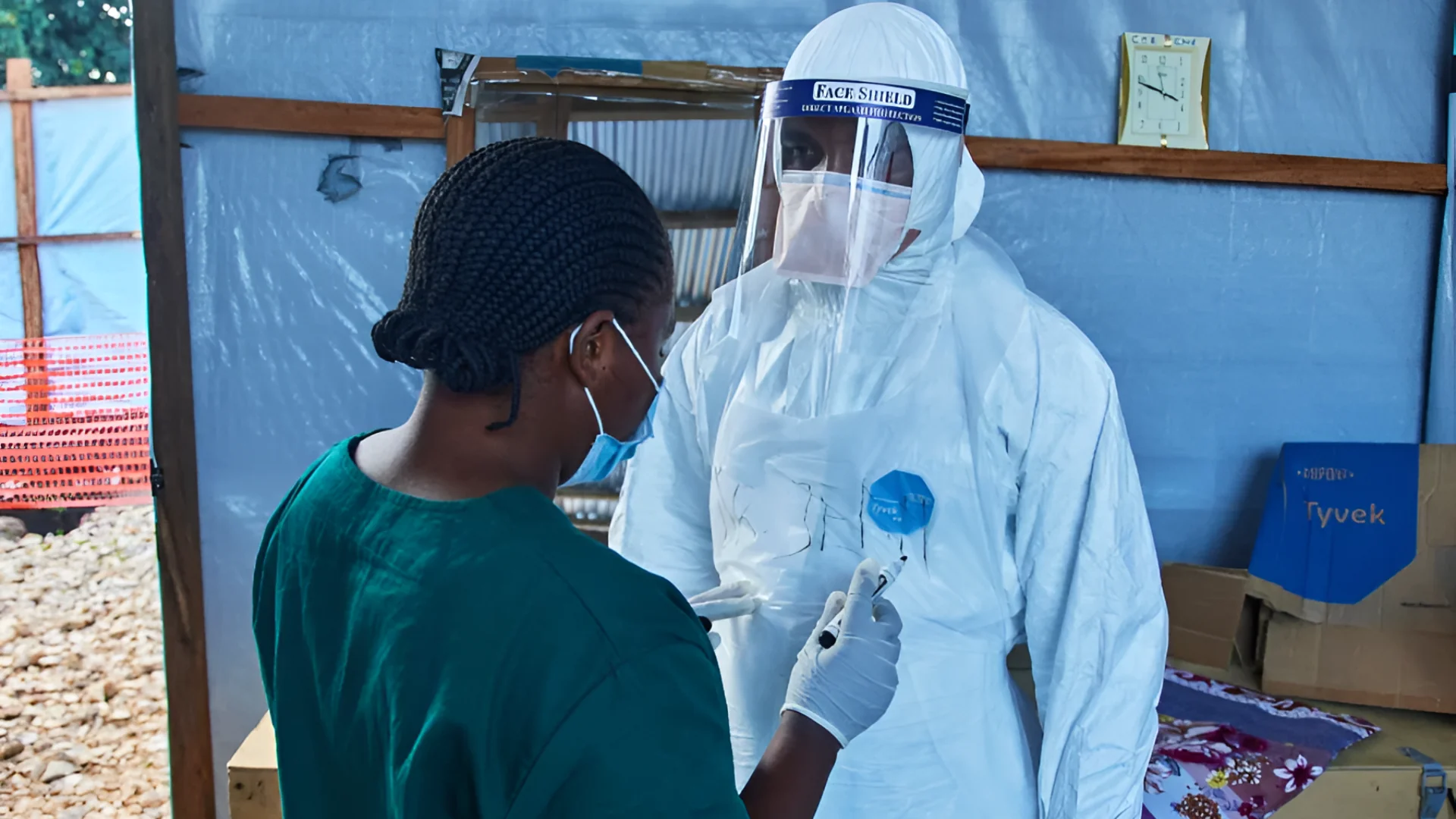
DRC's Bundibugyo Ebola Outbreak Spreads With No Approved Vaccine or Treatment
A rare Bundibugyo Ebola strain is spreading undetected across the DRC, reaching Kinshasa and Uganda, with no approved vaccine or treatment yet available.
Comments (0)
Please sign in to join the discussion.
No comments yet.
Be the first to share your perspective on this topic.