
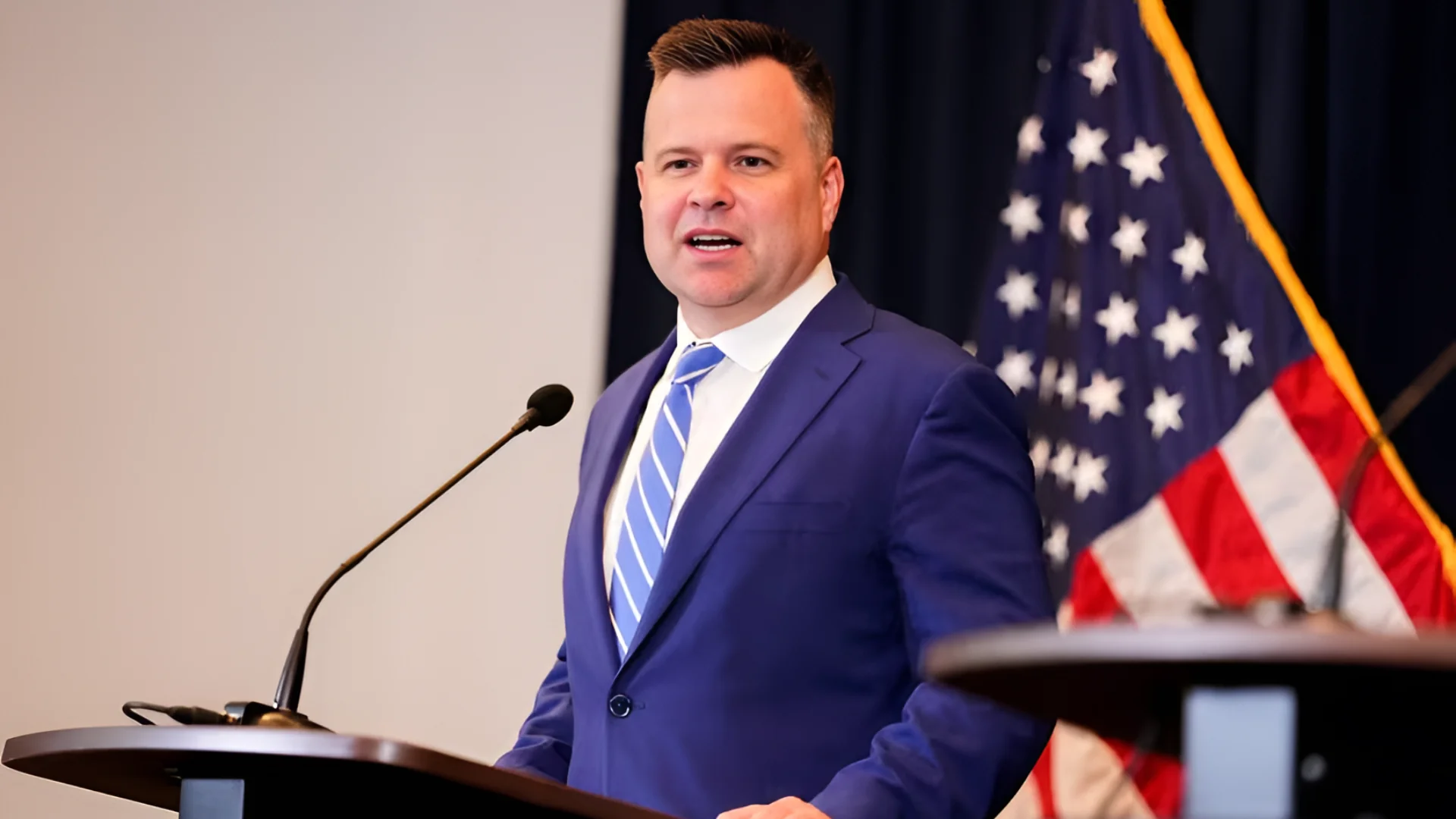
Bill Pulte, a housing finance official with no prior national security background, assumed the role of acting Director of National Intelligence on June 19 and within days had overseen the removal of 51 staffers from the Office of the Director of National Intelligence — sparking sharp criticism from Republicans and Democrats alike, and contributing to the expiration of a key surveillance authority.
Pulte's First Days at ODNI: Who Was Removed and How
Pulte reportedly arrived at ODNI a day ahead of schedule on June 18 to request employee lists, according to reporting on the transition. By June 23, multiple outlets confirmed that 51 personnel had been removed from their roles. CBS News reported that six career and political staff were formally fired, while 45 others — detailed personnel borrowed from other intelligence agencies — were sent back to their home organizations.
CNN reported that political appointees with ties to former DNI Tulsi Gabbard were among those removed. Sources cited by CBS characterized the initial round as "thoughtful and methodical," saying the personnel removed either lacked current assignments or were working on tasks no longer considered active priorities.
The distinction between the two categories matters operationally. Formal firings sever the employee from federal service; returning detailed staff simply ends their ODNI assignment, leaving them at their originating agencies. The practical effect on ODNI's institutional capacity differs significantly depending on which category grows in subsequent rounds.
The timeline below shows the sequence of events from Gabbard's original downsizing plan through Pulte's first week.
The NCTC Dispute: Up to 400 Cuts, or None at All
The sharpest factual conflict in the reporting concerns the National Counterterrorism Center. NBC News and ABC News reported that Pulte ordered the identification of up to 400 NCTC employees for removal in the coming weeks. That figure would represent a substantial reduction at one of ODNI's most operationally sensitive components — the body created specifically after the September 11 failures to centralize terrorist threat tracking.
CBS News, however, cited sources stating that "no staffers have been removed from the counterterrorism group" and that "no further firings are planned for now." The two sets of accounts are not easily reconciled: one describes an active culling process already underway in planning; the other describes a deliberate pause.
The discrepancy matters because the NCTC operates on real-time threat streams. Even a planned reorganization — if leaked or perceived as imminent — can affect staff continuity, information sharing, and liaison relationships with foreign partners. Whether the 400 figure reflects an actual order, a planning scenario, or a trial balloon remains unresolved in the available sourcing.
The metric cards below show the confirmed removal figures against the disputed forward projection.
Bipartisan Pushback and the FISA Consequence

The appointment drew criticism across party lines in a pattern unusual for intelligence oversight disputes, which typically fracture along partisan lines. Senator Thom Tillis, a Republican from North Carolina who is retiring, publicly called Pulte an "incompetent sycophant" and predicted his tenure would be damaging — unusually direct language from a member of the same party as the president making the appointment.
Democrats on the intelligence committees moved more formally. Senator Mark Warner and Representative Jim Himes sent a joint letter to Pulte warning against mass cuts made without congressional consultation. Their letter noted, as reported by The Guardian, that any large-scale reduction would compound the substantial downsizing that already took place in 2025 under Gabbard — and risk degrading an organization built specifically to address the coordination failures that preceded the September 11 attacks.
The most concrete legislative consequence came earlier in June, when congressional Democrats declined to extend Section 702 of the Foreign Intelligence Surveillance Act. Section 702 is the legal authority underpinning broad signals intelligence collection; its expiration represents a narrowing of the surveillance toolkit available to the intelligence community at the same moment ODNI's staffing is being reduced. The two developments are linked in congressional Democrats' framing — the non-renewal was described by observers as a deliberate response to the perceived politicization of ODNI's leadership.
Where the Restructuring Stands — and What Remains Unresolved
Pulte is serving in an acting capacity. Trump's formally nominated candidate for a Senate-confirmed DNI is Jay Clayton, a former SEC chair and federal prosecutor. Clayton's confirmation timeline is not established in the available reporting, meaning Pulte's authority at ODNI could extend for weeks or months.
The cumulative picture of ODNI's staffing trajectory involves three distinct phases: the pre-Pulte headcount of roughly 2,000, Gabbard's 2025 plan to reduce that to approximately 1,300, and the confirmed removals under Pulte so far. The horizontal bar chart below illustrates that trajectory against the disputed forward projection. The current removal count of 51 is confirmed; any figure beyond that remains contested.
The acting DNI's lack of national security background, the absence of a confirmed replacement, and the unresolved dispute over NCTC staffing levels leave ODNI in an uncertain position. Trump's stated goal — removing political holdovers and returning detailed staff to home agencies — aligns broadly with what has happened so far. Whether the restructuring stops at the 51 already removed, extends to the disputed NCTC target, or expands further will depend on Pulte's tenure length, Clayton's confirmation timing, and whether congressional pressure shifts the pace or scope of the cuts.
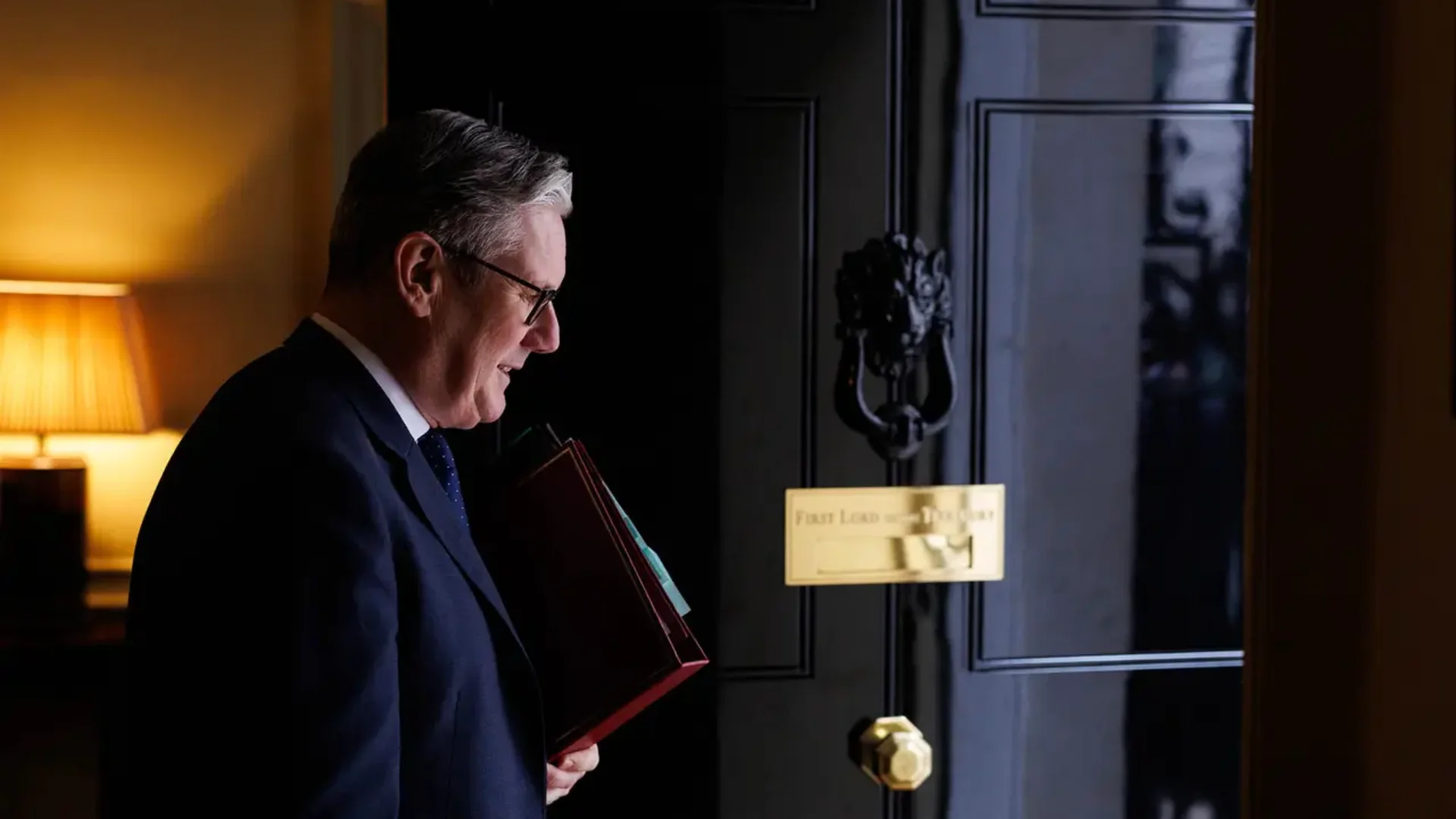
Starmer Announces Resignation, Clearing Labour's Path to Burnham
Starmer resigns as UK prime minister after Burnham's by-election win triggers cabinet defections; gilt yields rise as markets price in leadership transition risk.
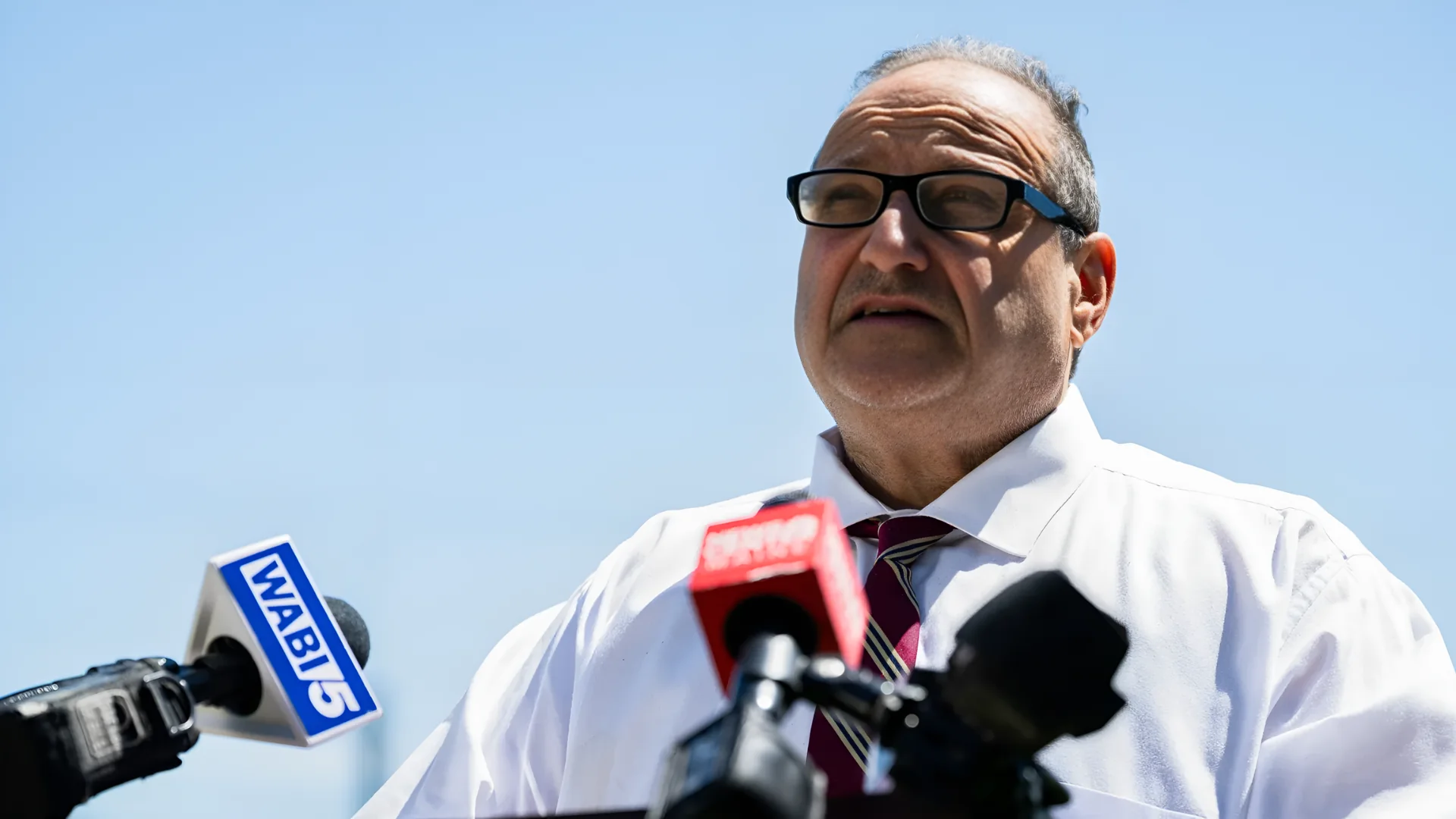
Maine 2026 Primary Results: Dunlap, Pingree Win
Maine's ranked choice runoffs confirmed Dunlap for ME-02 and Pingree for governor. Troy Jackson's loss signals limits on Platner's intraparty influence ahead of his Senate race.

UF Names Stuart Bell President Amid DEI Controversy
UF trustees voted June 10 to appoint former University of Alabama president Stuart Bell as UF's 14th president, ending a search repeatedly disrupted by conservative pressure over DEI records. A $1.45 billion stadium project was announced the same week.

UK Gives Apple and Google 3 Months on Child Nude Images
UK Prime Minister Keir Starmer has issued a three-month deadline for tech companies to activate or build default protections blocking minors from taking, sending, or viewing nude imagery on smartphones and tablets, with legislation threatened if they refuse.
Comments (0)
Please sign in to join the discussion.
No comments yet.
Be the first to share your perspective on this topic.