
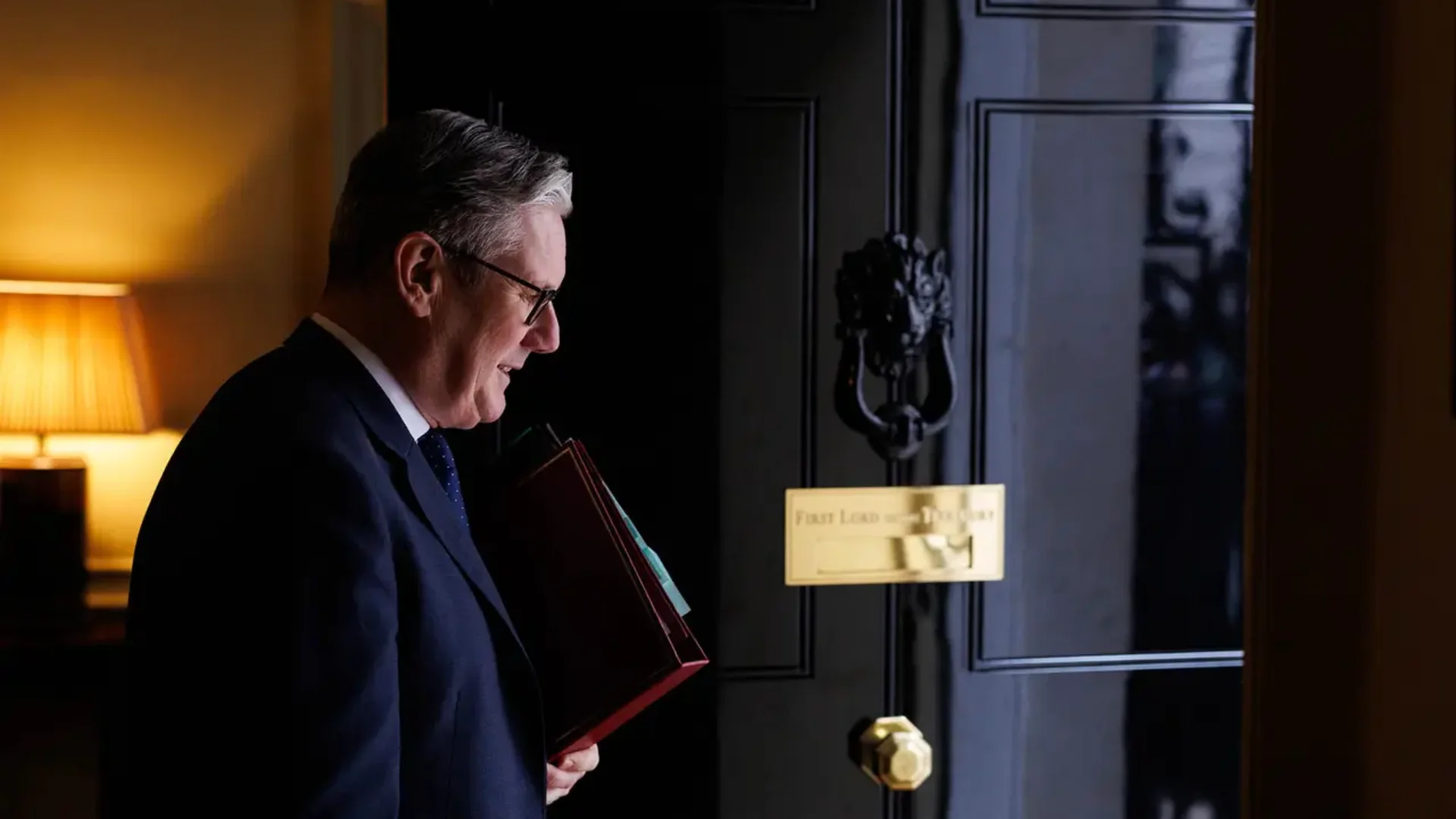
Keir Starmer told the country on Monday that he will resign as Labour leader and prime minister, becoming the sixth UK prime minister to leave office in under a decade. His departure follows a weekend of cabinet defections set off by Andy Burnham's return to Parliament, and it opens a path toward an uncontested succession that could be finalized within weeks.
Burnham's Makerfield Win Set Off a Weekend of Cabinet Defections
Pressure on Starmer had been building for months, but it reached a breaking point after Thursday's Makerfield by-election returned former Greater Manchester mayor Andy Burnham to the House of Commons. Burnham's win gave Labour MPs a credible alternative to rally around, and more than 200 of them, over half the parliamentary party, are reportedly prepared to nominate him.
Cabinet support eroded over the following two days. Foreign Secretary Yvette Cooper, Home Secretary Shabana Mahmood, Transport Secretary Heidi Alexander, and Energy Secretary Ed Miliband each urged Starmer toward a dignified exit, according to BBC's reporting on the events leading to Starmer's exit. Their intervention followed earlier departures: Health Secretary Wes Streeting resigned in May, and Defence Secretary John Healey left over disagreements on military spending.
Speaking outside 10 Downing Street on Monday, Starmer framed the decision as a response to his party rather than a personal choice. Addressing whether he was "best placed to lead us into the next general election," he said he had heard his parliamentary party's answer and would accept that answer "with good grace," according to BBC's live coverage of the resignation announcement. He pledged full support for whoever succeeds him.
The sequence below lays out how a routine by-election turned into a leadership change within four days.
Markets Push Up Gilt Yields as Investors Price In Transition Risk
The resignation announcement moved UK borrowing costs within hours. The 10-year gilt yield climbed to 4.86%, and the 30-year yield, which reflects how investors price long-run fiscal risk, rose further to 5.55%. Sterling came under pressure too, dipping below $1.32 against the dollar for the first time in nearly three months, while the FTSE 100 slipped a more modest 0.1%.
The gap between the bond-market reaction and the relatively calm equity move is informative on its own. Equities track corporate earnings expectations, which a change of prime minister does not directly alter. Gilt yields track the government's own borrowing costs, and a rise there signals investors want more compensation for holding UK debt through a leadership transition, not that they expect an immediate recession.
Economists cited by Citibank have warned that whoever succeeds Starmer will inherit a fiscal position with little room to maneuver on public services, living standards, or immigration policy, regardless of who wins. That constraint, not the identity of the next prime minister, is largely what the bond market is reacting to.
Labour's Internal Math Points to an Uncontested Burnham Succession
Under Labour's leadership rules, a candidate needs nominations from 20% of the party's MPs, roughly 80 of them, before a contest can formally begin. Burnham is reported to already have backing from more than 200, well past that threshold and more than half the parliamentary party.
That margin matters because it changes what kind of contest is likely. If no rival candidate also clears the 20% bar, there is no requirement for a vote among party members, and Burnham could be installed without one. Starmer intends to stay on as a caretaker until Parliament returns in September, attending the NATO summit in Turkey in early July in the meantime, but if Burnham faces no challenger, the handover could happen as soon as the Commons rises on July 16.
Loyalist MPs Decry a 'Stitch-Up' and Renew Calls for an Election
Not everyone in the party is satisfied with how the change is unfolding. Backbenchers including John Slinger, Neil Coyle, and Mike Tapp have objected to what they describe as a stitch-up, arguing that a leadership change carried out through internal party mechanics rather than a public vote sidesteps the electorate that delivered Labour's 2024 majority. Some have called for a general election to be held whenever a sitting prime minister is replaced mid-term, a position that has no basis in UK constitutional practice but reflects discomfort with the speed of the process.
That objection sits alongside a separate, more practical worry: Burnham is broadly seen as Labour's strongest communicator, but neither he nor any other potential successor has signaled a plan for loosening the fiscal constraints that economists say will limit what the next government can do on services, wages, or immigration. The leadership question may be close to settled. The harder one, what an incoming prime minister can actually change, is not.
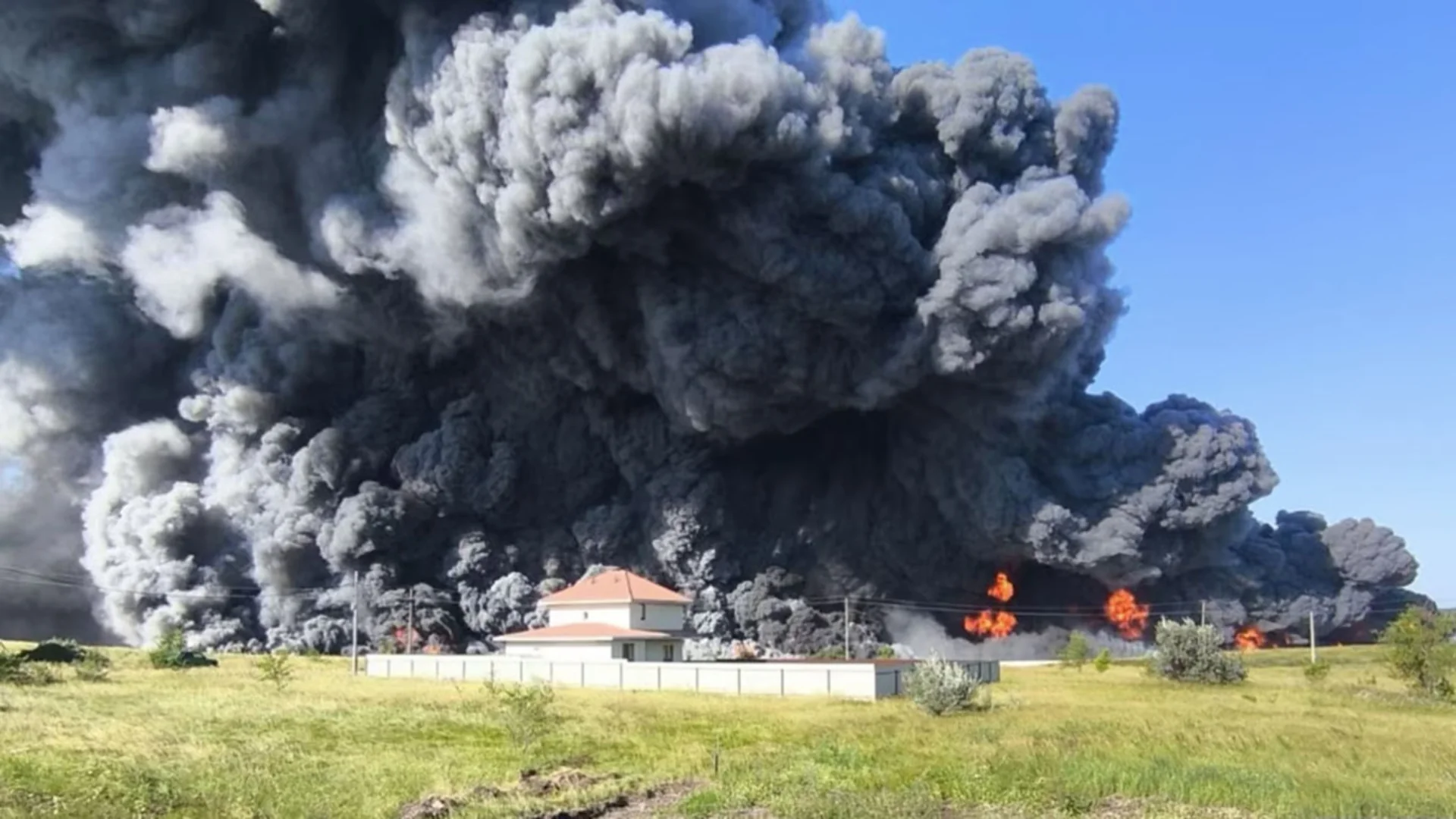
Ukraine's Drone Campaign Has Wiped Out a Fifth of Wildberries' Warehouse Capacity
Ukrainian drone strikes have damaged over 1.18 million square meters of Wildberries warehouse space, pushing Russia's top retailer toward years of losses.

Explosive-Laden Drone Shuts Down Leipzig Airport, Second Object Strikes DHL Cargo Plane
A drone carrying explosives shut both Leipzig/Halle Airport runways overnight after a second object struck a DHL cargo plane, Germany's interior minister said.
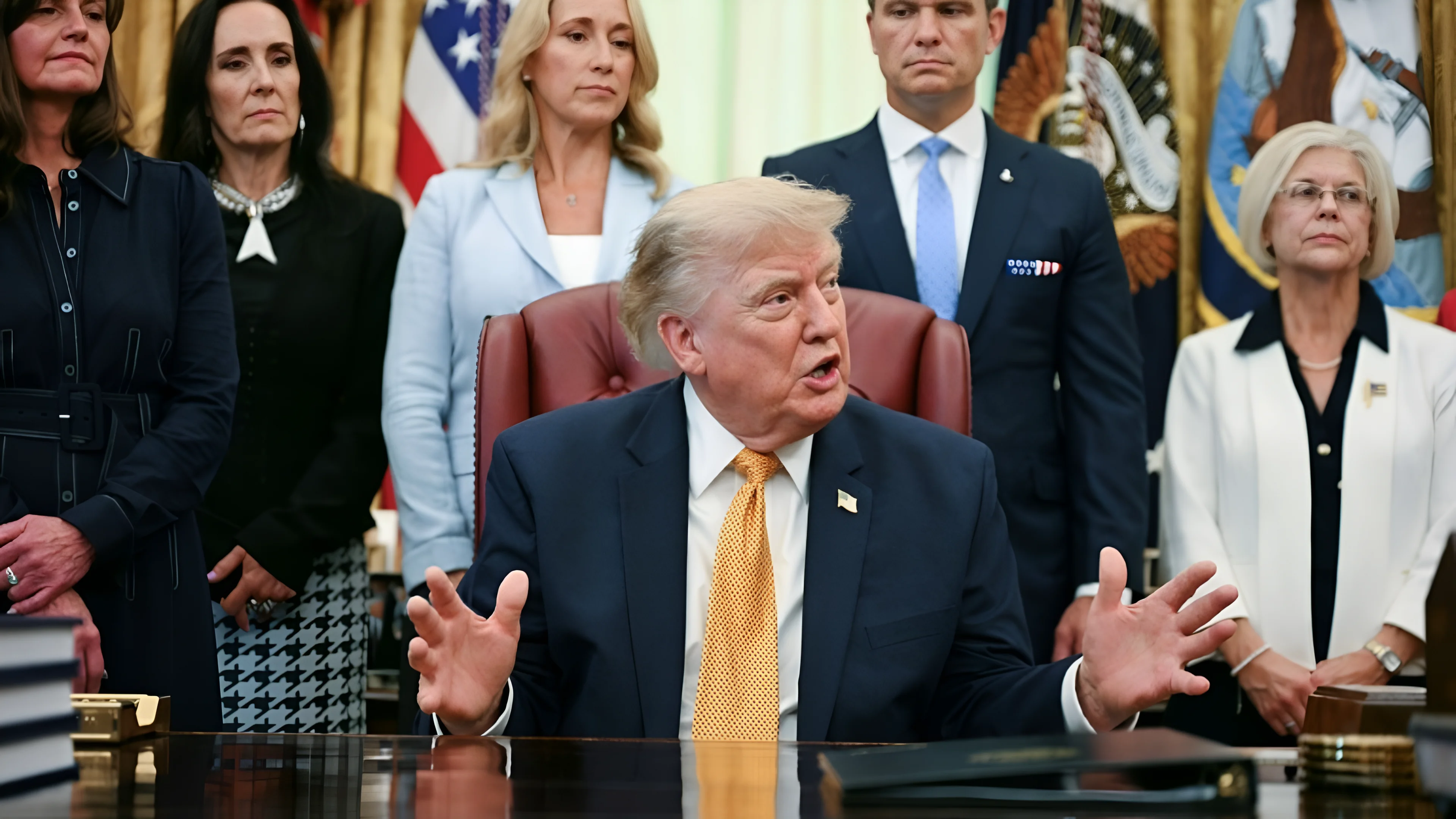
Iran Denies Trump's US Talks Claim as Oil Prices Tumble and Tehran Warns Ships in Hormuz
Brent crude fell 6.8% Monday after Trump said US-Iran talks would resume, but Tehran denies any negotiations are happening and threatens US warships in Hormuz.
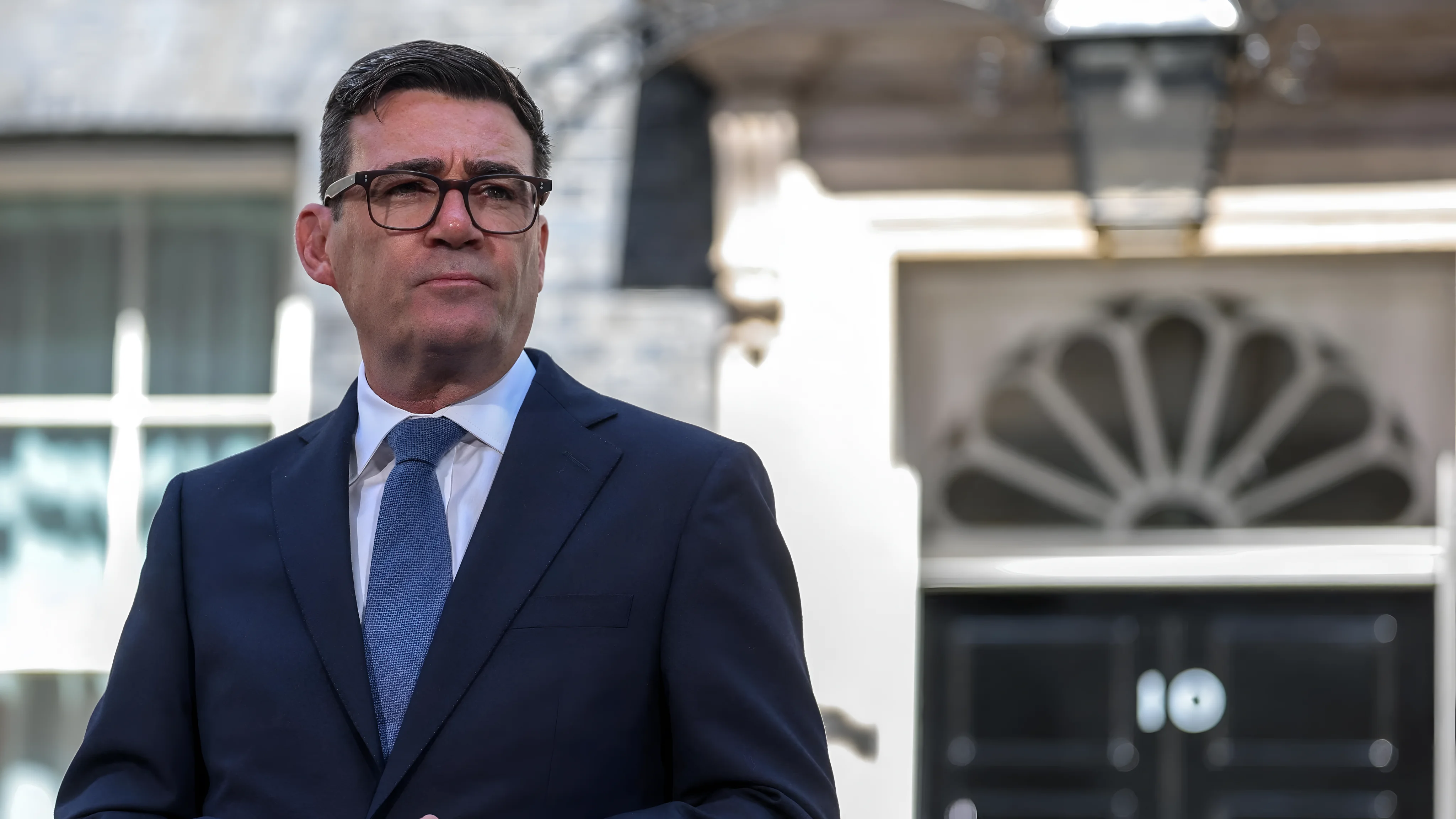
Burnham Hosts Zelensky in First Foreign Visit as UK PM, Pledges £25bn
Andy Burnham hosts Volodymyr Zelensky at a UK naval base in his first week as PM, unveiling Stone Cloak jammer tech and a £25bn Ukraine support total.
Comments (0)
Please sign in to join the discussion.
No comments yet.
Be the first to share your perspective on this topic.