
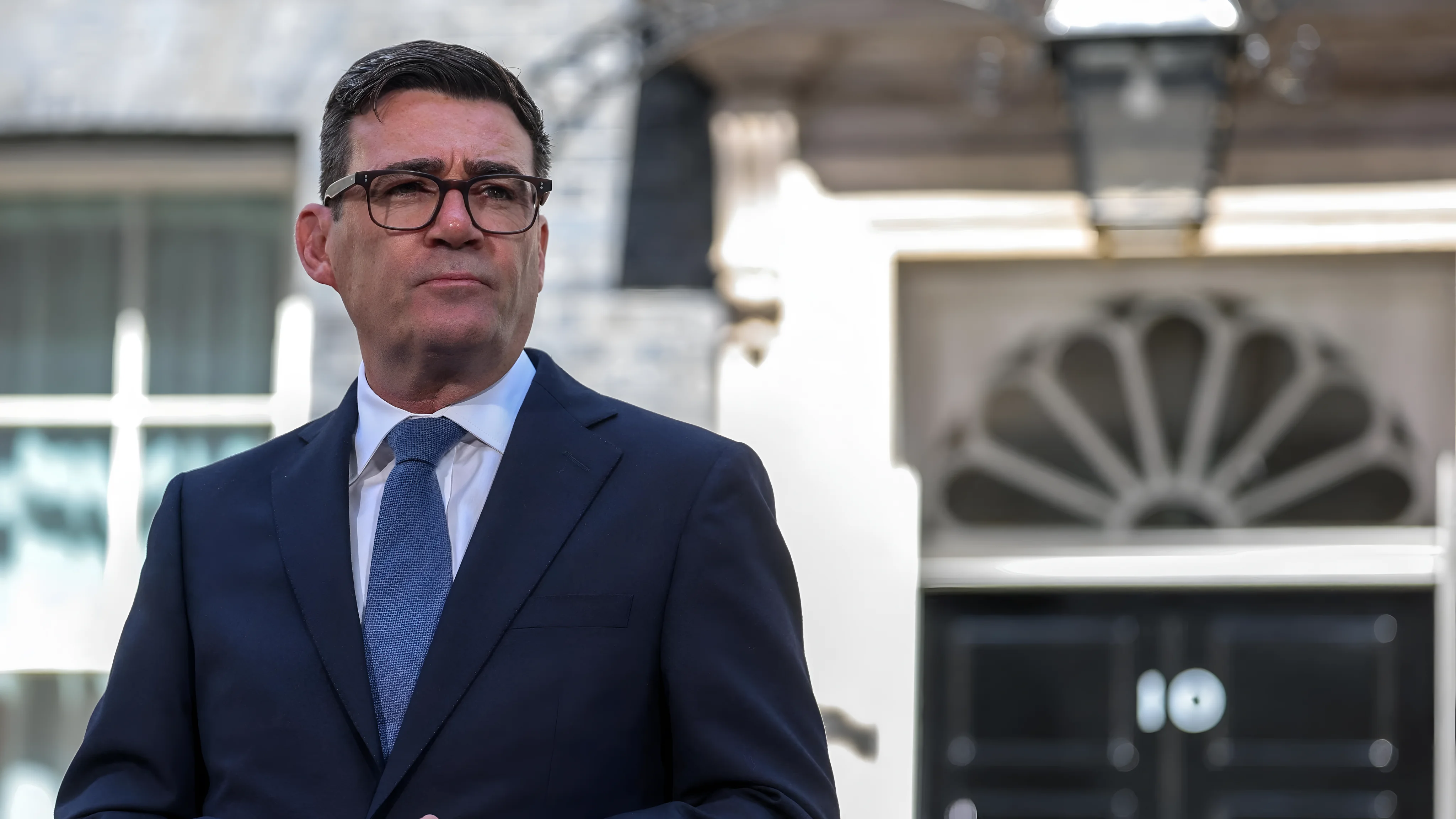
Andy Burnham used his first week as prime minister to host Volodymyr Zelenskyy at a British naval base, pairing a symbolic gesture with a concrete pledge to hand Ukraine the means to build its own drone-jamming technology.
A Naval Base Rendezvous Opens Burnham's Diplomatic Calendar
Burnham took office on 20 July 2026, replacing Keir Starmer, and reporting on his transition into No. 10 has noted he arrives with little prior foreign-policy experience. Within hours of entering Downing Street, he called Zelenskyy and invited him to visit "at the earliest opportunity." That invitation was accepted for Monday, 27 July, making the Ukrainian president Burnham's first foreign visitor as prime minister.
The two leaders are meeting at a British naval base, where they are due to hear from roughly 200 Ukrainian military personnel and sailors who spent three weeks in the UK on Exercise Sea Breeze, a maritime security and counter-mine drill preparing participants for future missions in the Black Sea. "Britain stands with Ukraine, shoulder to shoulder, and our support remains unwavering," Burnham said in a statement, adding that "Russia should be in no doubt of our resolve." Zelenskyy is due in Washington the following day for talks with President Trump, according to a White House official cited in wire reporting — a scheduling detail that places the London stop ahead of a higher-stakes conversation in the same week, against a backdrop where allies at this year's G7 summit have already been weighing how much attention Ukraine will get relative to other priorities.
Stone Cloak's Intellectual Property Moves From Stockpile to Frontline Production
At the naval base, Burnham is set to announce that the UK will hand Ukraine the intellectual property behind Stone Cloak, a tablet-sized electronic warfare device that blocks Russian detection of any drone it is fitted to. The Ministry of Defence has already supplied thousands of the jammers to Ukrainian forces; the new step lets Ukraine manufacture the technology domestically at scale rather than relying solely on British shipments. "Stone Cloak is the best of homegrown British innovation and proven on the frontline, and it will be vital to protecting our security in both our countries," Burnham said.
The same jamming technology is expected to feed into the UK's next generation of long-range strike weapons, including Project Brakestop, a government initiative to develop low-cost cruise missiles. What isn't in the available government or reported material is a timeline for when Ukrainian domestic production might begin, or what it would cost — a gap worth flagging rather than filling in.
Downing Street Puts a Four-Year Price Tag on the Relationship
Burnham's office says total UK support to Ukraine since the February 2022 invasion has reached £25 billion (about $33.3bn), made up of £16 billion in military assistance and £5.6 billion in non-military support. Those two components add up to £21.6 billion — £3.4 billion short of the £25 billion headline figure — and the wire report carrying Downing Street's statement does not explain the gap. Earlier parliamentary tallies from the House of Commons Library and House of Lords Library put the cumulative total lower at earlier points in the same rolling count, which is consistent with a running figure that has grown in stages rather than evidence of a discrepancy in this release.
Britain Still Trails Germany Among Europe's Biggest Military Backers
Set against the wider European picture, the UK is not the largest single military donor. Kiel Institute for the World Economy figures, compiled by Statista, show that between January 2022 and June 2025, Germany provided €16.5 billion in military aid to Ukraine — the most of any European country — with the UK second at €13.8 billion. Those figures sit on a different currency and a different time window than Downing Street's 26 July sterling total, so they're presented here for comparative shape, not as a reconciliation of the numbers above.
Taken together, the visit reads as a low-risk opening move for a prime minister still finding his footing on foreign policy: a symbolic first meeting, a technology commitment years in the making rather than newly invented, and a funding figure that — however imprecisely reconciled in its own release — keeps Britain in the same conversation as Germany rather than ahead of it. Zelenskyy's next stop, in Washington, will test whether that conversation holds beyond London.
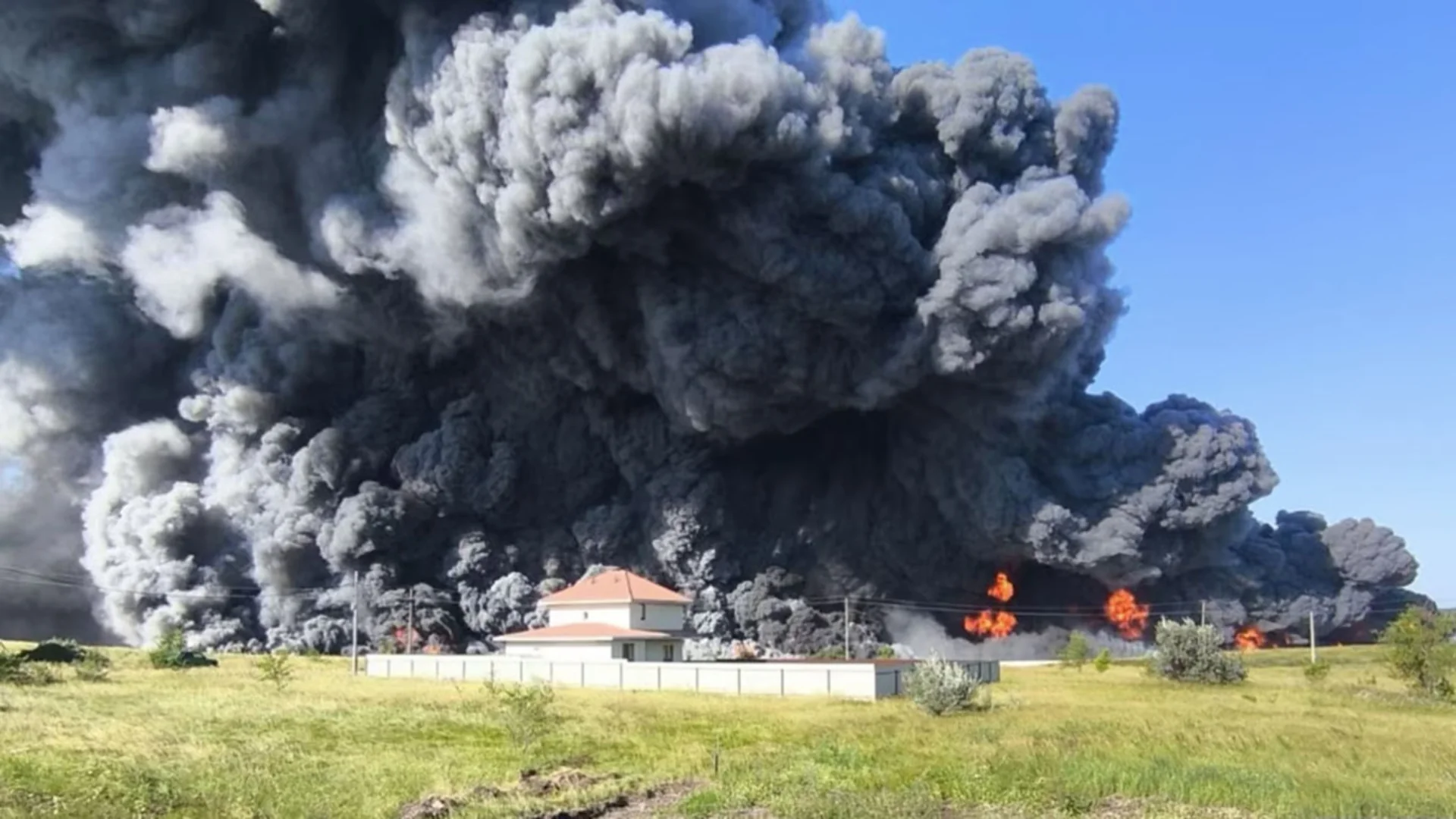
Ukraine's Drone Campaign Has Wiped Out a Fifth of Wildberries' Warehouse Capacity
Ukrainian drone strikes have damaged over 1.18 million square meters of Wildberries warehouse space, pushing Russia's top retailer toward years of losses.

Explosive-Laden Drone Shuts Down Leipzig Airport, Second Object Strikes DHL Cargo Plane
A drone carrying explosives shut both Leipzig/Halle Airport runways overnight after a second object struck a DHL cargo plane, Germany's interior minister said.
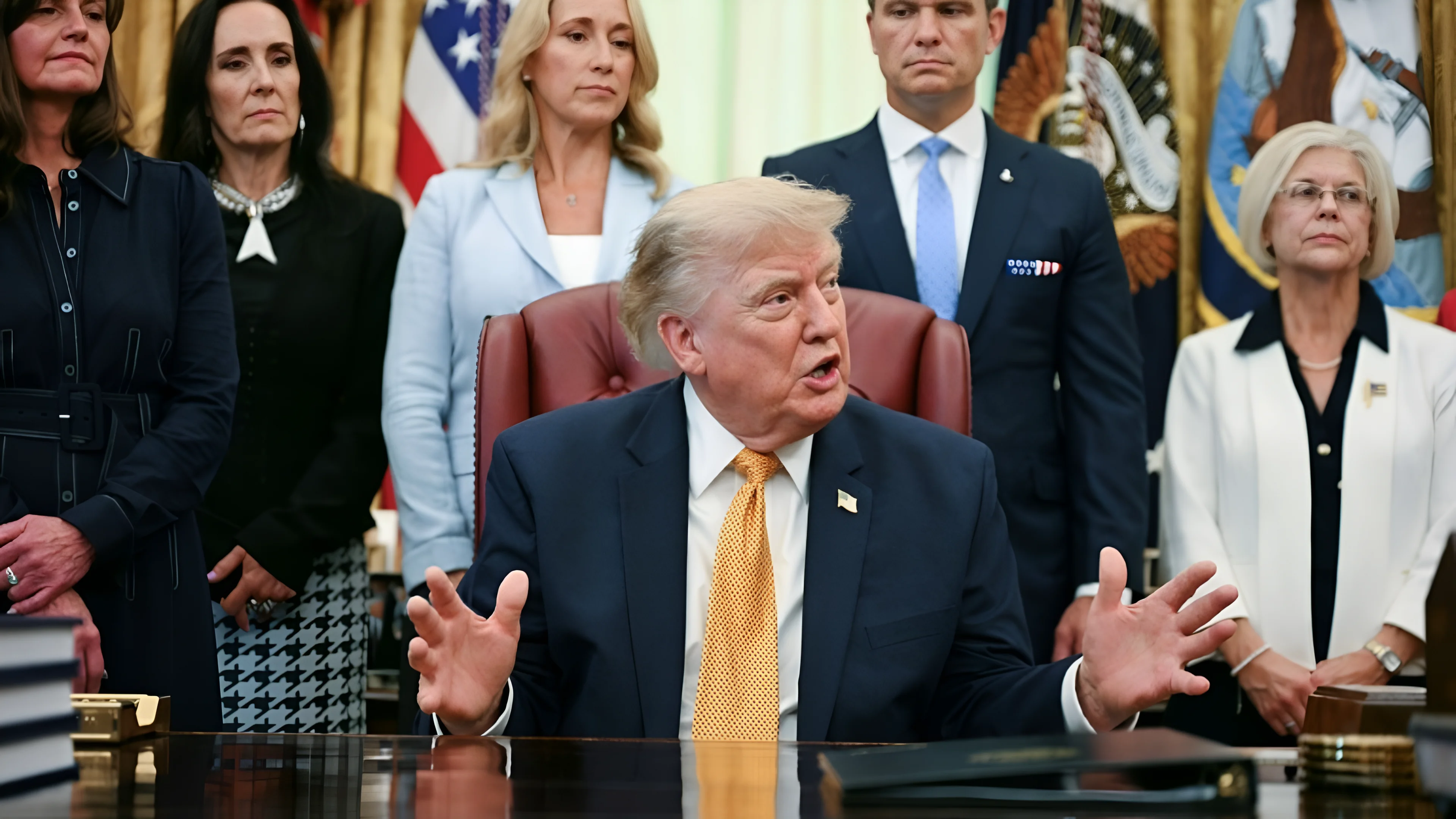
Iran Denies Trump's US Talks Claim as Oil Prices Tumble and Tehran Warns Ships in Hormuz
Brent crude fell 6.8% Monday after Trump said US-Iran talks would resume, but Tehran denies any negotiations are happening and threatens US warships in Hormuz.
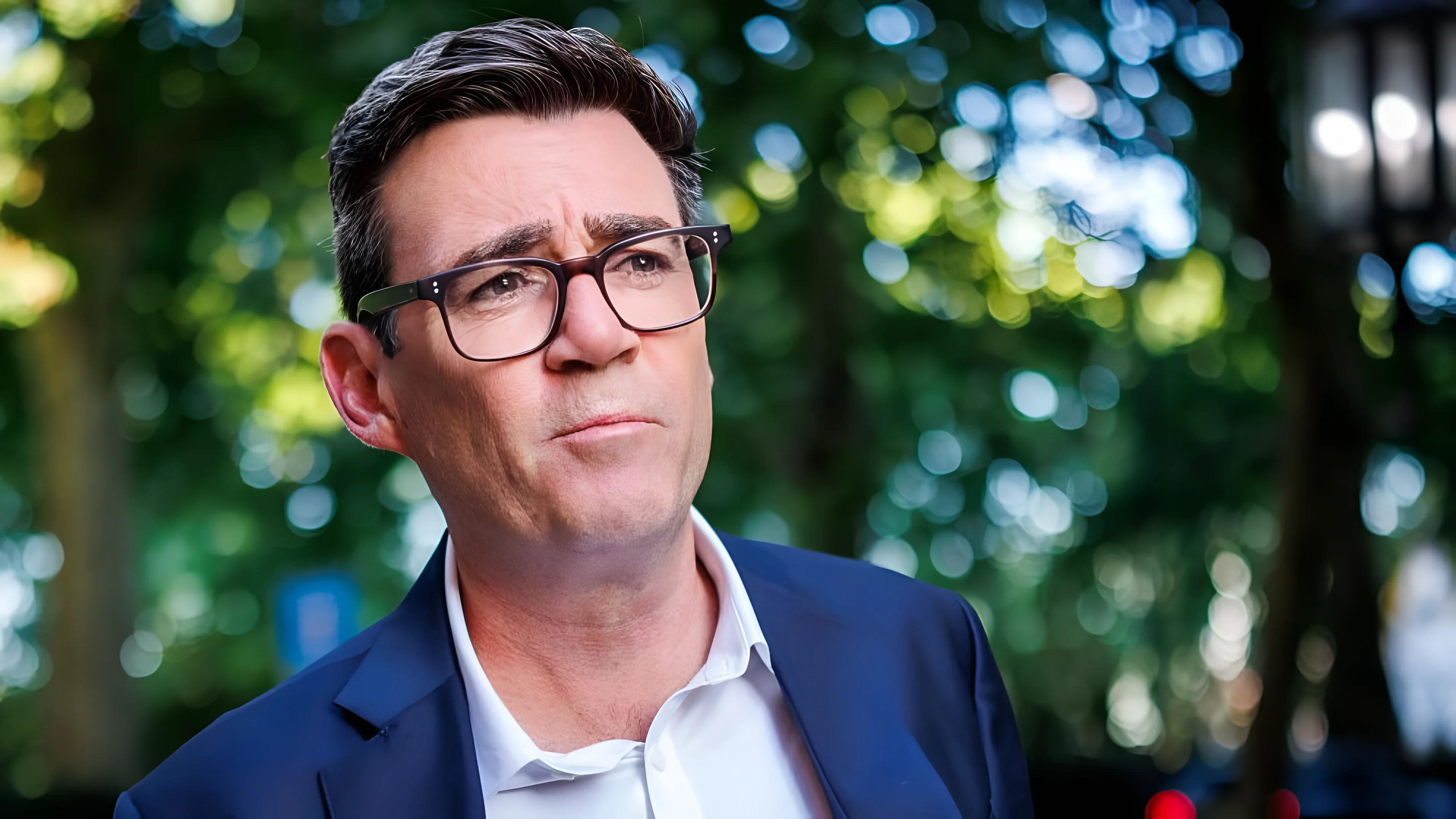
Andy Burnham Confirmed Labour Leader With Record 94% MP Backing
Andy Burnham won 379 of 403 Labour MPs' nominations, a modern-era record, as Survation found Labour level with Reform UK for the first time in a year.
Comments (0)
Please sign in to join the discussion.
No comments yet.
Be the first to share your perspective on this topic.