
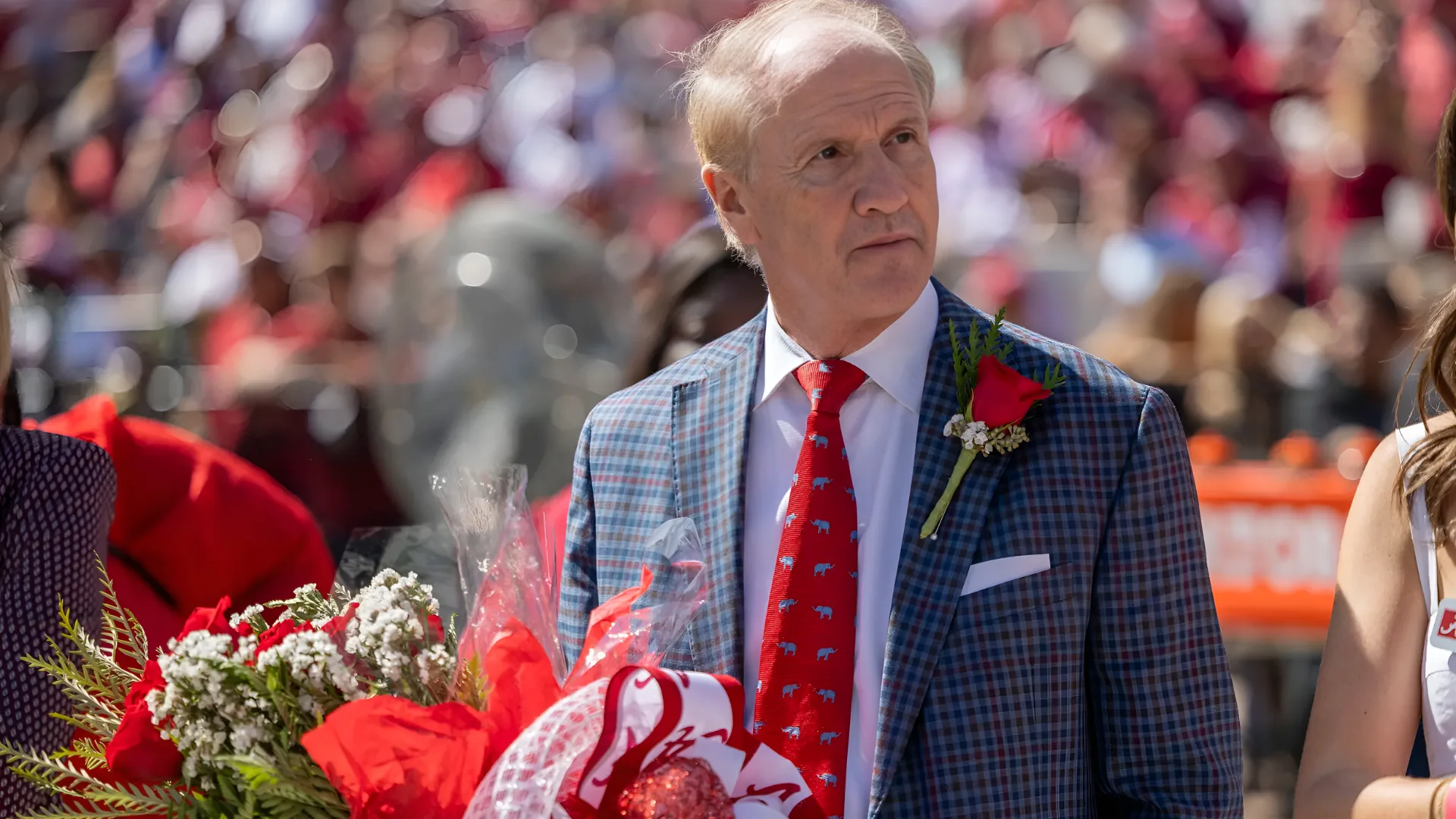
The University of Florida's Board of Trustees voted unanimously on June 10, 2026, to appoint Dr. Stuart R. Bell as the institution's 14th president, concluding a search that was derailed once before by conservative opposition to a candidate's DEI record. Bell's appointment is not yet final: the Florida Board of Governors must ratify the choice at its June 25 meeting, a vote that carries genuine political risk given the polarized environment that defined the entire process.
A Search That Had to Start Over — and How Bell Survived It
The current search was shaped, from the beginning, by what happened before it. In the summer of 2025, the Florida Board of Governors rejected UF's previous sole finalist, Santa Ono — then president of the University of Michigan — following a conservative backlash over his association with DEI programs. The rejection was a direct signal to UF's trustees and search committee about what the state's governing apparatus would and would not accept.
When Bell was announced as the sole finalist on May 18, 2026, scrutiny was immediate. Critics pointed to his 2017 decision to open a Division of DEI at the University of Alabama, where he had served as president since 2015. What those critics tended to elide was the follow-on: Bell shuttered the division in 2024 to comply with Alabama's Senate Bill 129, replacing it with a Division of Opportunities, Connections, and Success — a rebranding that tracks the same legislative pressure Florida's own institutions have faced. The distinction matters for evaluating Bell's trajectory. His closure of the DEI office was not a voluntary ideological statement but a mandated compliance response to a state law, a fact that separates his record from the caricature presented in the social media campaign against him.
That campaign escalated quickly. U.S. Senator Rick Scott wrote public letters calling for search transparency. U.S. Education Secretary Linda McMahon posted on social media pushing for anti-DEI reforms. On May 22, UF's official X account issued an unusually pointed post backing McMahon, describing DEI as "discriminatory by design, antithetical to the purpose of a university, and incompatible with the pursuit of truth" — language that prompted formal inquiry requests from Democratic state legislators about institutional neutrality. On June 3, Bell appeared on campus for forums with pre-screened questions and stated directly: "Let me start by being crystal clear: I have not come to Florida to bring DEI or any form of woke back. Period."
Board of Trustees Chair Mori Hosseini was blunt about the external pressure. "This is way too important to have your personal reason or getting paid by somebody to tweet," he said in remarks accompanying the vote. "This board is not going to give in. We're going to do the right thing."
The timeline below charts the sequence from Bell's emergence as a finalist to the pending state ratification.
Bell's Confirmation Gauntlet and the Governance Transparency Problem
Whether Bell clears the June 25 Board of Governors vote is not a given. The BOG rejected Ono less than a year ago, demonstrating that the state board is willing to override a unanimous trustee selection when it judges a candidate politically unacceptable. Bell has worked to pre-empt that outcome — his June 3 campus appearance, his forceful public distancing from identity politics, and his emphasis on what he called "merit, achievement, and character" were all calibrated for a conservative state audience as much as for the UF community. His engineering and research credentials are strong: he holds a B.S. in nuclear engineering and a Ph.D. in mechanical engineering from Texas A&M, spent years at LSU and the University of Kansas before leading Alabama, and was inducted into the State of Alabama Engineering Hall of Fame in 2023. At Alabama, he expanded student mental health resources and grew the National Merit Scholar population by nearly 40%.
The more durable problem surfaced by this search is structural rather than personal. A 2022 Florida law shields the early stages of university presidential searches from public records requests, meaning the deliberations that produce a sole finalist happen entirely outside public view. Faculty union leaders and Democratic state legislators condemned the process on those grounds, arguing that only when a choice has already been made does any scrutiny become possible. That critique applies to the process regardless of who was selected. The transparency question will persist whether Bell is ratified smoothly or faces another round of political turbulence on June 25.
The diagram below maps the sequence of decisions and pressures Bell must navigate to the confirmed appointment.
A $1.45 Billion Renovation for The Swamp, Built Around What It Already Is
The leadership announcement arrived alongside a separate but equally significant institutional decision. On June 11, during the Board of Trustees annual meeting, UF unveiled a multi-phase $1.45 billion renovation plan for Ben Hill Griffin Stadium — known universally as The Swamp — with construction scheduled to begin after the 2026 football season and conclude by 2030. The 2026 season will mark the first for head coach Jon Sumrall with the Gators.
The renovation's stated goals center on what stadium operators typically describe as the controllable fan-experience variables: upgraded technology infrastructure, improved restrooms and concessions, better traffic flow, and expanded gathering spaces. The plan is explicitly designed to preserve the features that give the venue its identity — the orange Wing Walls, the close fan-to-field proximity that concentrates crowd noise, and the overall capacity of 88,548 seats. Compliance with the Americans with Disabilities Act will require adding handrails and widening lower-bowl aisles, a change that will shift some lower-level seating upward into the structure, though the total seat count is not expected to change materially.
Funding will come from a combination of private philanthropy, capital reserves, and long-term debt. Final approval from the Board of Governors for the financing structure is expected in the fall of 2026. Chair Hosseini described the project as an effort to transform the venue into "the premier collegiate athletic destination."
The three key figures behind the renovation are shown below.
Together, the two announcements from the first two days of June's trustee meetings define the near-term institutional agenda at UF: a leadership succession still awaiting state ratification, and a billion-dollar capital commitment requiring its own separate round of Board of Governors approval in the fall. Bell, if confirmed, inherits both the political scrutiny that already defined his search and the responsibility of shepherding one of college football's most storied venues through a four-year construction project without eroding the game-day environment that justifies the investment.
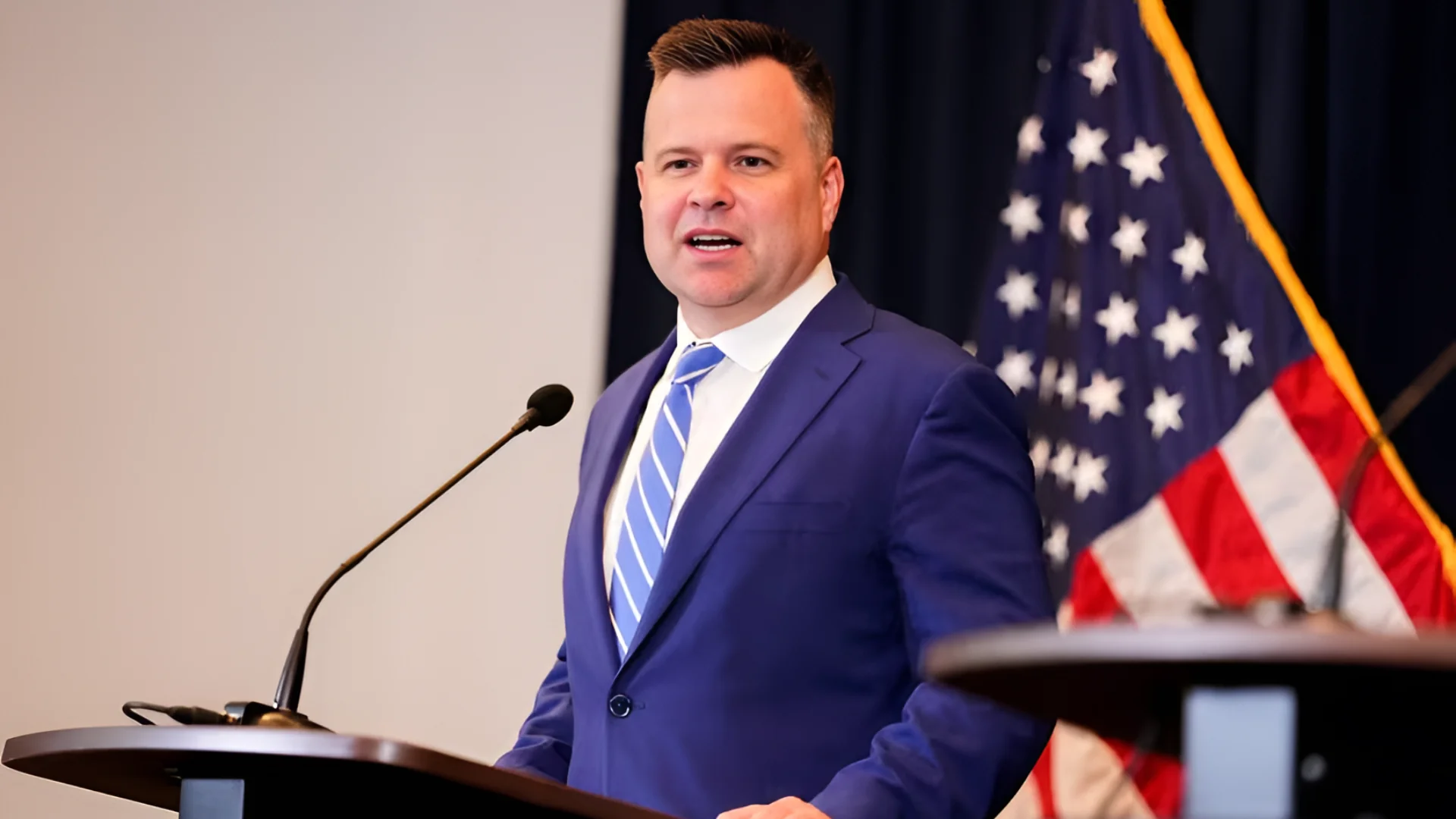
Bill Pulte Fires 51 ODNI Staff in First Week as Acting DNI
Acting DNI Bill Pulte removed 51 ODNI personnel in his first week, with bipartisan critics warning the cuts risk the post-9/11 intelligence coordination mission.
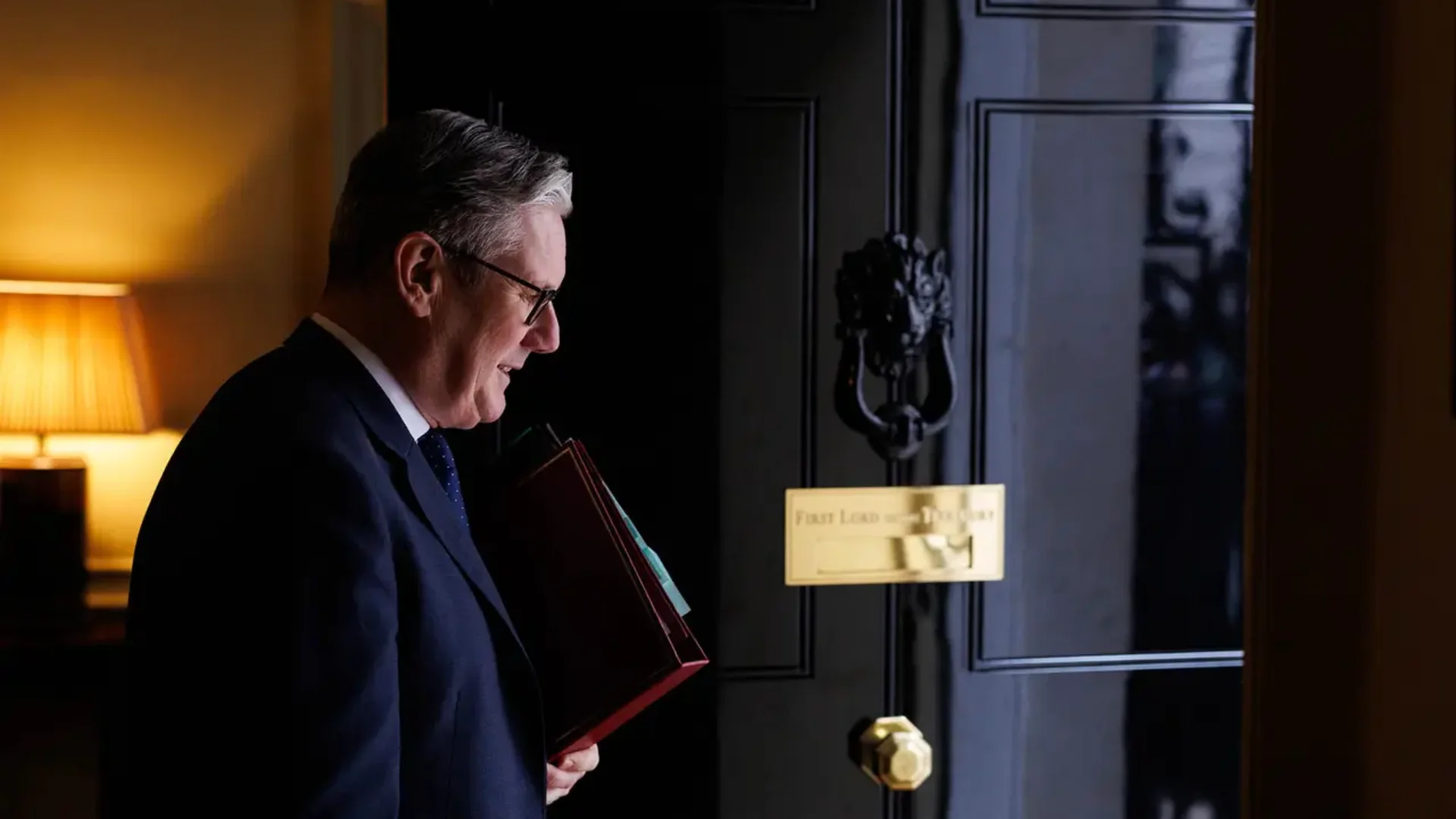
Starmer Announces Resignation, Clearing Labour's Path to Burnham
Starmer resigns as UK prime minister after Burnham's by-election win triggers cabinet defections; gilt yields rise as markets price in leadership transition risk.

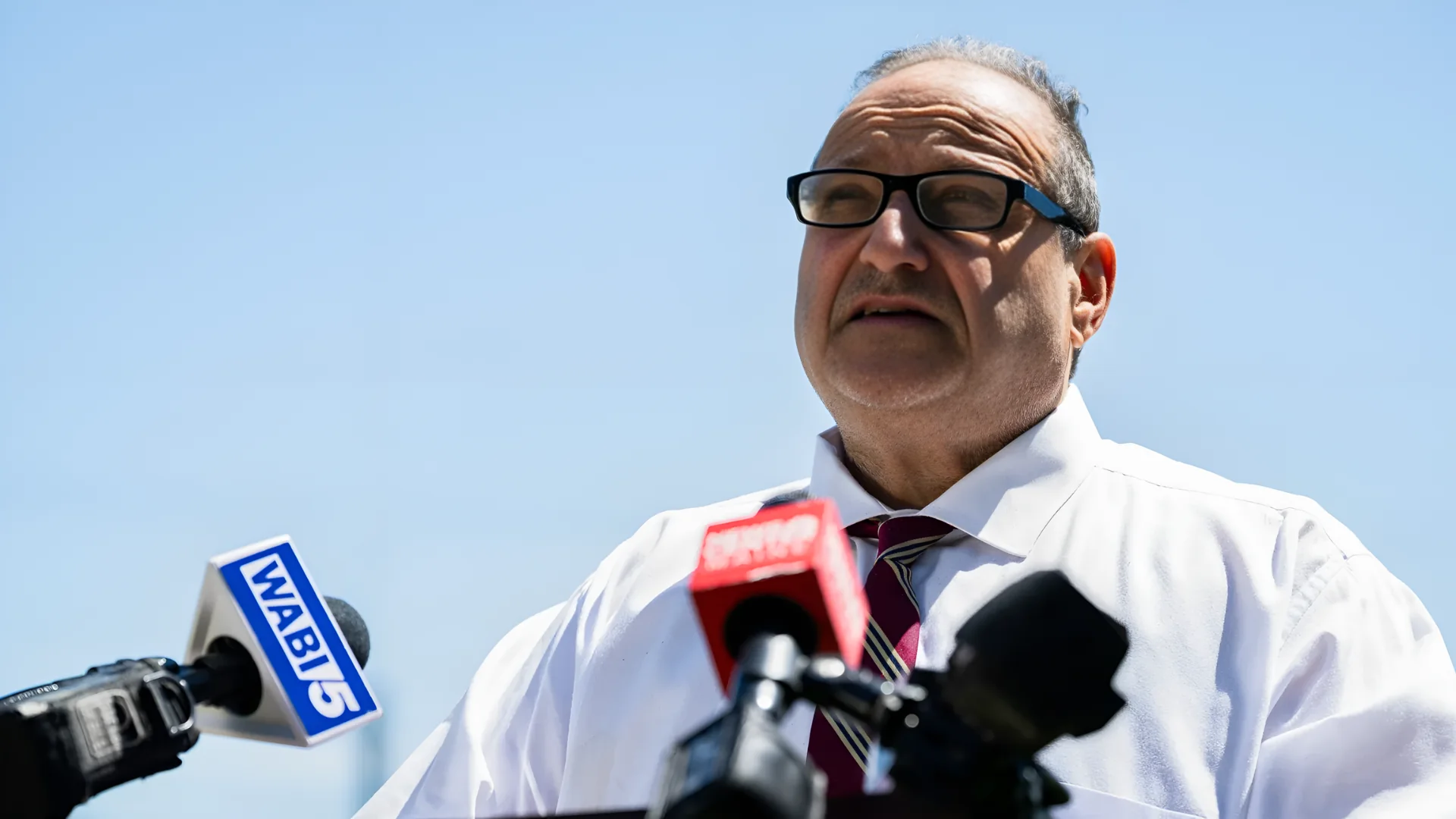
Maine 2026 Primary Results: Dunlap, Pingree Win
Maine's ranked choice runoffs confirmed Dunlap for ME-02 and Pingree for governor. Troy Jackson's loss signals limits on Platner's intraparty influence ahead of his Senate race.
UK Gives Apple and Google 3 Months on Child Nude Images
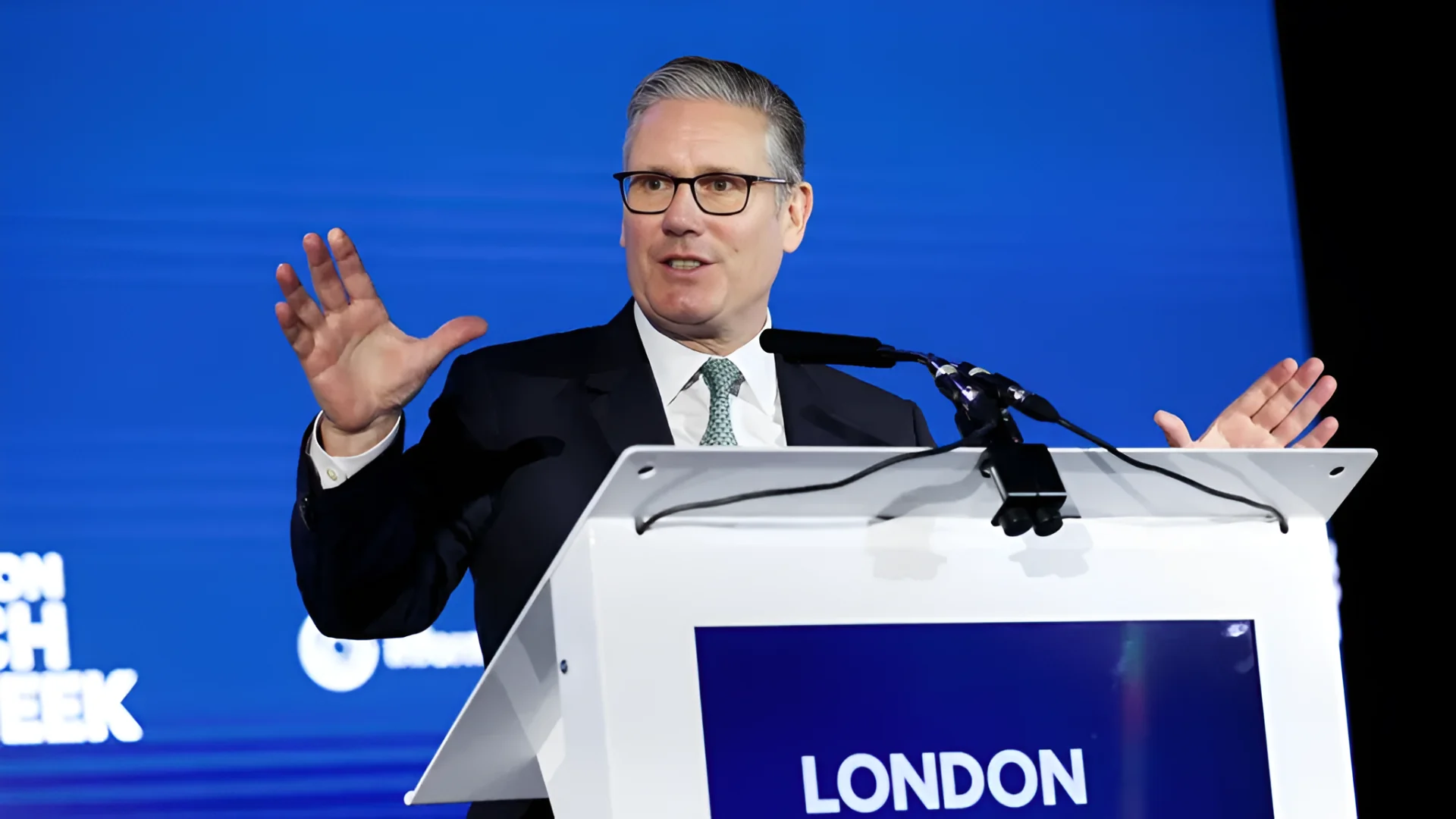
UK Prime Minister Keir Starmer has issued a three-month deadline for tech companies to activate or build default protections blocking minors from taking, sending, or viewing nude imagery on smartphones and tablets, with legislation threatened if they refuse.
Comments (0)
Please sign in to join the discussion.
No comments yet.
Be the first to share your perspective on this topic.