
A first trip to Italy tends to go one of two ways: you either lean into how things actually work there, or you spend a week bumping against customs that nobody warned you about. Most of the friction is avoidable — if you know where to look.
Coffee, Breakfast, and the Dining Clock
The cappuccino rule is real. In Italy, a milky coffee drink is a morning ritual, not a post-lunch option. The prevailing belief among locals is that milk slows digestion, making a cappuccino after a full meal something close to a dietary offense. Most Italians switch to espresso after around 11 a.m. Ordering a cappuccino after dinner will not get you thrown out, but it will quietly mark you as a tourist.
Breakfast itself is a different beast than what visitors from the US or northern Europe expect. A traditional Italian start to the day is fast, light, and sweet — a cornetto and a coffee consumed standing at the bar, finished in under five minutes. A hot, savory plate of eggs and bacon is simply not part of the culture.
Dinner timing trips up nearly every first-timer. Showing up hungry at 6:30 or 7 p.m. is often futile: many authentic local restaurants do not open for dinner service until 7:30 p.m. at the earliest, and the typical Italian sits down to eat at 8:30 p.m. or later. Arriving early usually means eating at a tourist-oriented place near a major square.
On the bill: most Italian restaurants include a coperto — a per-person cover charge that accounts for bread, the table, and service. It appears as a line item and is not optional. The American habit of calculating and leaving a 20 percent tip on top is neither expected nor necessary. Rounding up or leaving a few small coins is a courteous gesture; anything beyond that is a pleasant surprise, not a social obligation.
Water comes bottled. If you ask for acqua, the server will ask whether you want naturale or frizzante. Tap water is not typically served as a default, and ice is sparse by American standards.
The chart below shows three customs that catch first-time visitors most consistently.
Getting Around: Trains, Taxis, and What You're Carrying
Italy's regional train network is affordable and extensive, but it comes with a step that many visitors skip to their financial regret: validation. Physical regional train tickets must be stamped at the yellow or green machines on the platform before boarding. The ticket itself is not enough. Conductors check regularly, and passengers traveling with an unvalidated ticket — even a valid, paid one — face on-the-spot fines that can be steep. Note that this applies to regional trains; ticketless high-speed services like Frecciarossa handle validation differently through the booking system.
Taxis work differently than in most cities. Street-hailing is not the norm. To get a cab in Italy, you need to go to an official designated taxi stand (parcheggio taxi), which are found near train stations, major piazzas, and airports, or you call a dispatch service via app or phone. Walking out to the curb and waiting for a taxi to pass is not how it works, and doing so in many cities will leave you standing indefinitely.
Luggage deserves its own warning. Cobblestone streets are picturesque and merciless. Oversized rolling suitcases become burdens almost immediately: narrow sidewalks, steep staircases, boutique hotels in historic buildings without lifts, and station underpasses with no escalators all conspire against large bags. Experienced Italy travelers consistently recommend packing light enough to carry everything up a flight of stairs unaided.
The diagram below shows how to correctly get a taxi in Italy — a process that differs enough from other destinations to cause real confusion on arrival.
Sightseeing: The Big Three Trap and the Pace Problem
Rome, Florence, and Venice are genuinely worth visiting. They are also genuinely crowded, expensive relative to the rest of the country, and — when visited back-to-back in a week — a recipe for exhaustion rather than experience. Locals and seasoned travelers alike point to the same missed opportunity: the rest of Italy.
Regions like Puglia, Umbria, and Piedmont offer comparable food culture, architecture, and history with a fraction of the tourist infrastructure pressing in from every direction. The heel of Italy's boot, the hill towns of central Italy, and the wine-growing northwest are accessible, affordable, and far less likely to involve timed-entry queues.
The pace argument applies even within the Big Three. Attempting to tick off major sites across multiple cities in a single week tends to produce a highlight reel rather than any genuine sense of place. The concept of dolce far niente — the sweetness of doing nothing — is not a travel cliché in Italy; it is a cultural instruction about how time is supposed to feel there.
A practical rule at outdoor markets: do not touch the produce yourself. The vendor selects what you want. If gloves are provided, use them. Picking through tomatoes with bare hands is considered rude and occasionally results in being asked to leave.
The flow below illustrates the fork most visitors face when planning an Italy trip — and where the choice tends to lead.
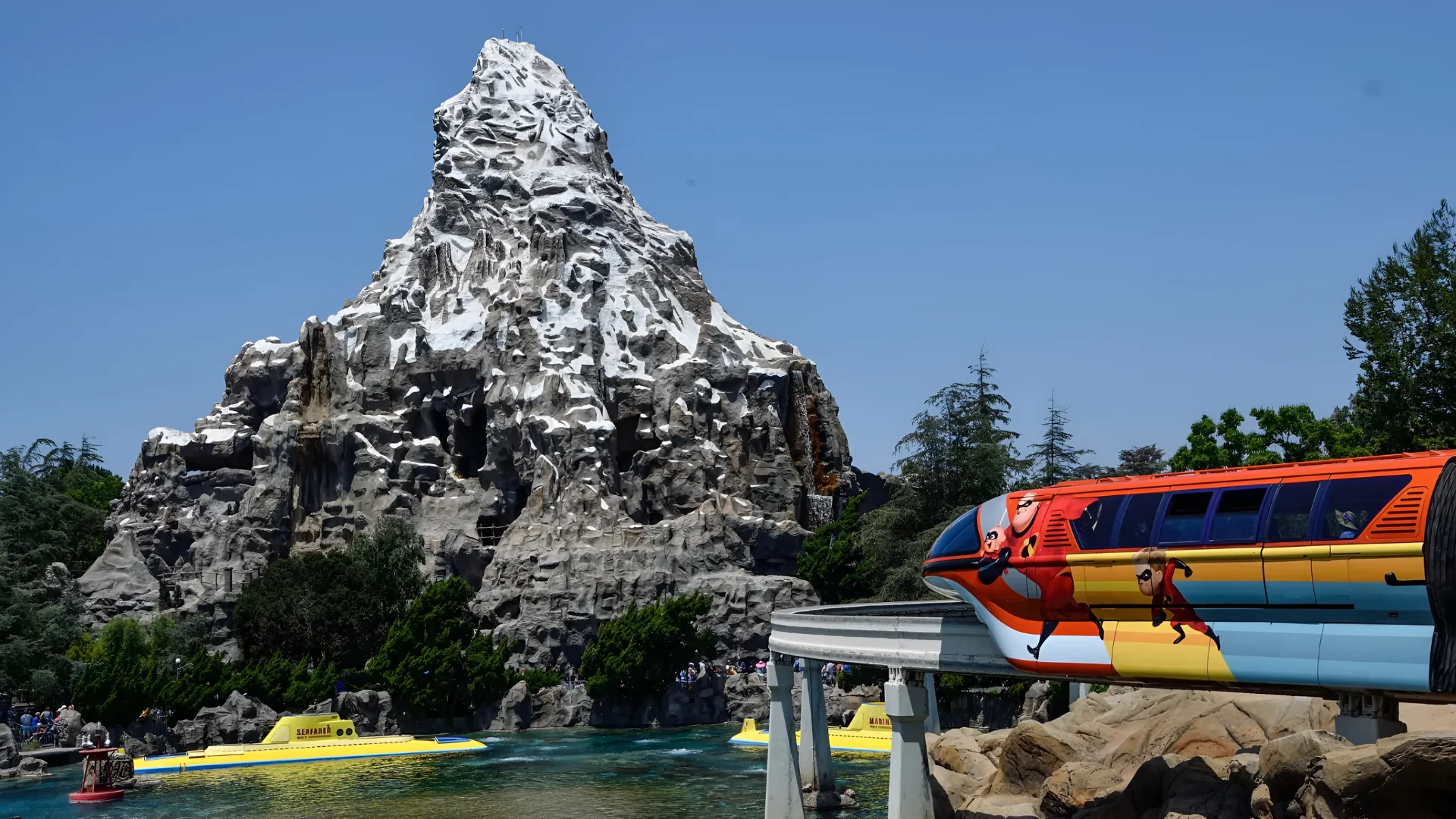
Disneyland Shuts Six Attractions as Its 70th Anniversary Winds Down
A guide to which Disneyland attractions close, reopen, or run reduced hours in August 2026 as the resort's 70th anniversary celebration wraps up.

Big Boy No. 4014 Becomes First Locomotive of Its Size to Cross Horseshoe Curve
Union Pacific's Big Boy No. 4014 crossed Horseshoe Curve and rolled through Western Pennsylvania towns Saturday on its first-ever East Coast tour marking America's 250th anniversary.
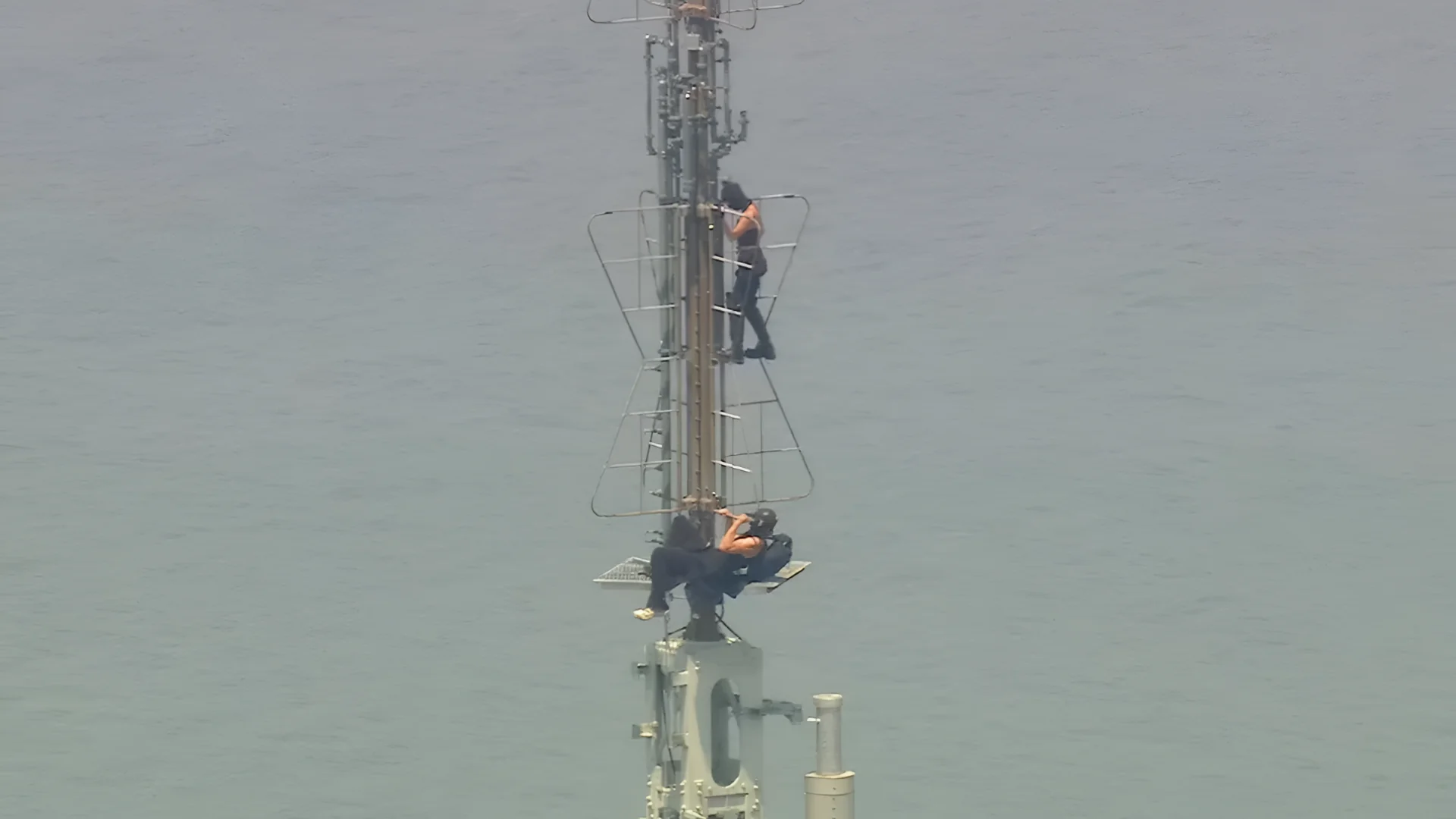
Empire State Building Climbers Face Court Thursday
A daredevil couple known for skyscraper stunts scaled the Empire State Building's spire, unfurled a peace banner, got engaged, and were arrested on multiple charges.

Teen Falls Down Disneyland Ride Drop, Escapes Serious Injury
A teenager climbed out of a moving log on Tiana's Bayou Adventure at Disneyland, fell down the 50-foot waterfall drop, and was released from hospital with minor injuries. Cal/OSHA cleared the attraction after inspection.
Comments (0)
Please sign in to join the discussion.
No comments yet.
Be the first to share your perspective on this topic.