
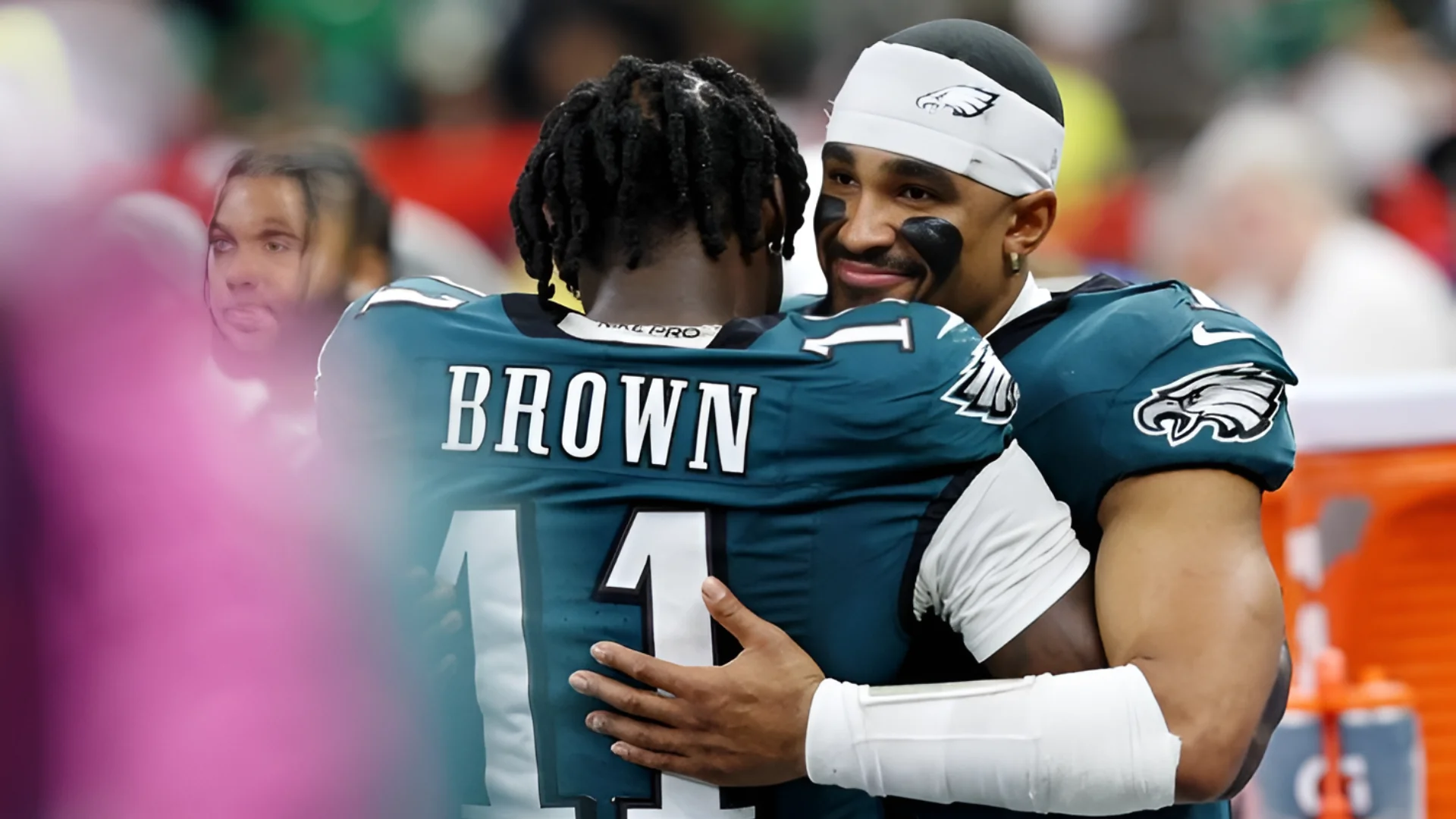
Philadelphia traded its franchise wide receiver A.J. Brown to the New England Patriots on June 1, 2026, receiving a 2028 first-round draft pick and a 2027 fifth-round selection in return. The deal ends a four-year run in which Brown set the two highest single-season receiving yardage marks in Eagles history — and closes a chapter that had grown increasingly complicated.
The June 1 Date Was Not Incidental — It Was the Cap Strategy
The Eagles did not announce this trade on June 1 by accident. Under NFL rules, executing a trade on or after June 1 allows a team to split a player's dead cap money across two seasons rather than absorbing it entirely in one. For Philadelphia, that distinction matters: Brown's departure generates $40 million in dead cap, a figure that would have been a significant single-year burden had the move come earlier in the offseason.
By timing the move to June 1, the Eagles spread that hit across 2026 and 2027, softening the immediate impact on a roster still expected to compete. Brown's contract with New England runs through 2029 and averages $32 million per season — a commitment the Patriots are now absorbing in full as they build around second-year quarterback Drake Maye.
In return, Philadelphia collects a 2028 first-round pick and the better of New England's two 2027 fifth-round picks. Eagles GM Howie Roseman framed the haul in direct terms at his post-trade press conference, saying a first-round pick is a first-round pick and noting that the organization now holds two first-round selections in 2028. The pick, the cap relief, and the timing together represent a coordinated front-office move rather than a reactive one. The chart below summarizes the core numbers.
Brown's Four Years in Philadelphia: Franchise Records and a Fraying Partnership
Brown arrived in Philadelphia in March 2022 via trade from Tennessee, immediately signing a four-year extension that made him one of the highest-paid receivers in the league. What followed was a run of production the franchise had never seen at the position. In 2022, Brown posted 1,496 receiving yards, the highest single-season total in Eagles history. He followed it in 2023 with 1,456 yards — the second-highest mark ever — making him the sole occupant of the top two spots in franchise records.
His final two seasons in Philadelphia were quieter statistically and, by multiple accounts, more contentious operationally. Reported friction with quarterback Jalen Hurts became a recurring storyline. Roseman addressed the subject directly at his press conference, stating that whatever interpersonal dynamics existed between Brown and Hurts did not affect the front office's confidence in Hurts as the team's leader. He also confirmed that Brown sought what Roseman described as a fresh start for his family at this point in his career.
The two framings — a player-requested move and a clean organizational narrative around Hurts — are not necessarily contradictory, but the front office's choice to emphasize both simultaneously suggests the relationship had become untenable regardless of which party drove the resolution. Brown leaves as one of the most productive receivers in Eagles history. He also leaves having grown visibly frustrated with his role in the offense over the final stretch of his tenure. The chart below places his Eagles production in context.
What New England Is Buying, and Why Vrabel's History With Brown Matters
The Patriots acquire a 29-year-old receiver who, when healthy and engaged, remains among the most physically imposing playmakers in the NFL. For Drake Maye, Brown fills a gap that New England had been unable to solve through the draft or conventional free agency: a true number-one perimeter target who can win contested catches, stress defenses vertically, and command bracket coverage that opens space for everyone else.
New England had already signed Romeo Doubs in free agency to address the receiver position, but Doubs is a complementary piece. Brown is a centerpiece. The pairing gives Maye two genuine weapons and a more credible passing structure heading into his second professional season.
The more layered element of the deal is what Brown himself described about his relationship with Patriots head coach Mike Vrabel. Vrabel coached Brown with the Tennessee Titans from 2019 through 2021 — the three seasons in which Brown established himself as an elite receiver. Brown noted that Vrabel was extremely tough on him early in his career, and credited that pressure with pushing him to develop into the player he became. When the trade was finalized, Vrabel's message to Brown was characteristically spare: get open and catch the ball.
That reunion carries real operational weight. Brown is joining a coaching staff that already knows his tendencies, his practice habits, and his standards — and that he trusts. For a player who sought, by his own account and his former GM's confirmation, a fresh professional environment, the familiarity with Vrabel is not a minor detail. It is likely a significant part of why New England was the destination rather than another contender. The timeline below traces the key moments in Brown's path from Tennessee to Philadelphia to New England.
How Philadelphia Rebuilt the WR Room Before Pulling the Trigger
The Eagles did not trade Brown and then begin searching for replacements. Roseman structured this offseason in the opposite order, assembling a reconstituted receiving corps before executing the move — a sequencing that suggests the front office had decided on Brown's departure well before the announcement.
DeVonta Smith, Brown's longtime complement in the Philadelphia offense, moves into the WR1 role. Smith is a proven contributor, though his profile as a route runner and separator is meaningfully different from Brown's contested-catch, physicality-first game. The Eagles addressed that distinction through volume rather than a single equivalent replacement. Philadelphia drafted Makai Lemon in the first round, acquired Dontayvion Wicks via trade, and signed both Hollywood Brown and Elijah Moore in free agency.
The result is a wider, younger, less expensive receiver group — one that does not replicate Brown's singular skill set but offers Jalen Hurts more positional variety and distributes the production and the salary across multiple contributors. Whether that diffusion of targets ultimately serves the Eagles' offense as well as a clear number-one receiver did is the meaningful open question heading into the 2026 season.
For now, Roseman's public position is that the move serves both sides. Brown gets the fresh start he sought, the Eagles collect a 2028 first-round pick to pair with their own, and New England gives its young franchise quarterback the caliber of receiver his development arguably requires. The harder assessments will come when the games are played.
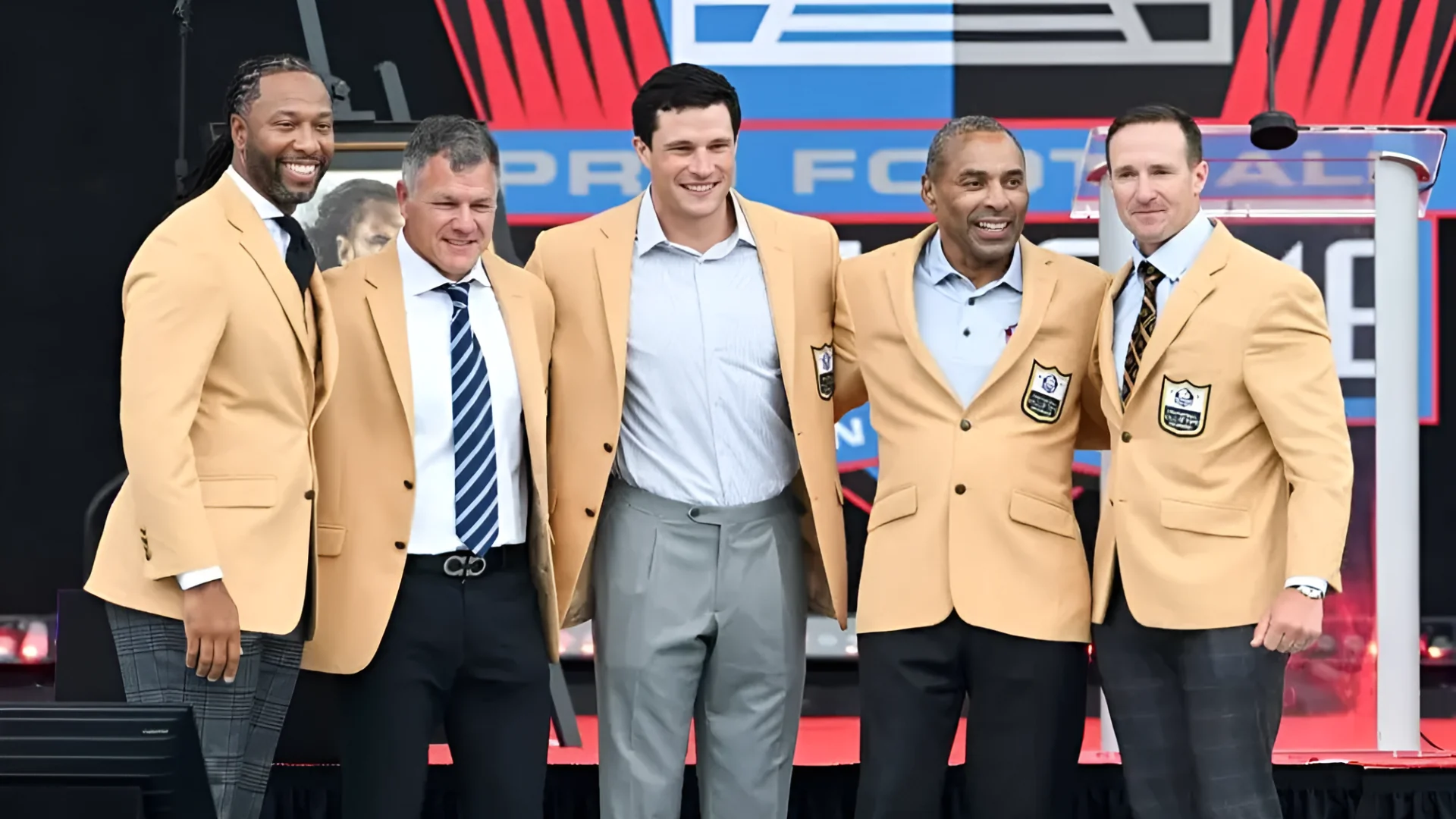
Drew Brees and Larry Fitzgerald Lead a Five-Man Class Into Canton
The 2026 Hall of Fame class enshrined Drew Brees, Larry Fitzgerald, Adam Vinatieri, Luke Kuechly, and Roger Craig, whose speeches ranged from comic to deeply personal.
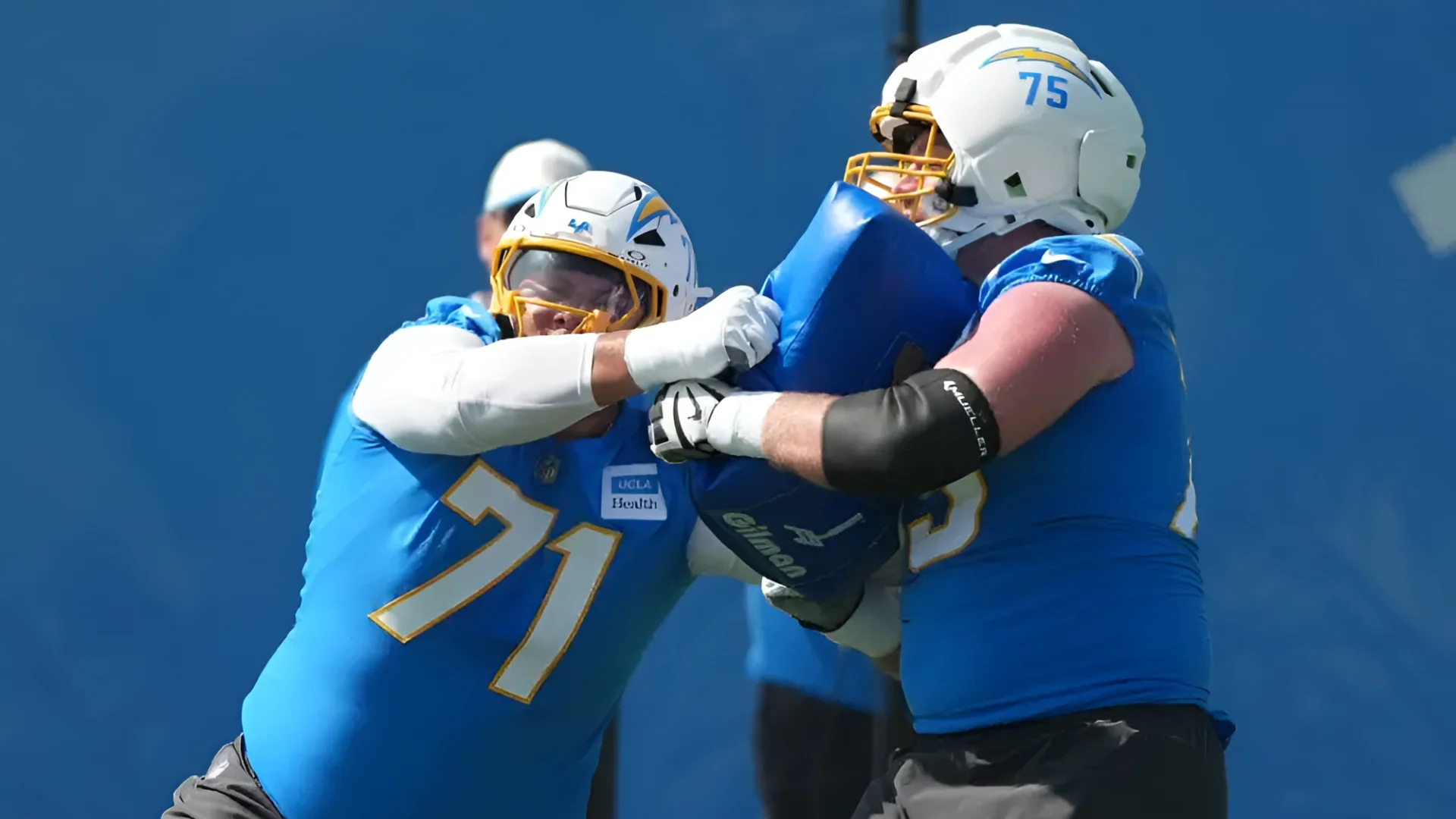
Mike McDaniel Is Asking Justin Herbert to Throw Before He's Sure
McDaniel's Day 3 film review shows Herbert testing anticipatory throws to Ladd McConkey as the Chargers reshape their passing timing in camp.
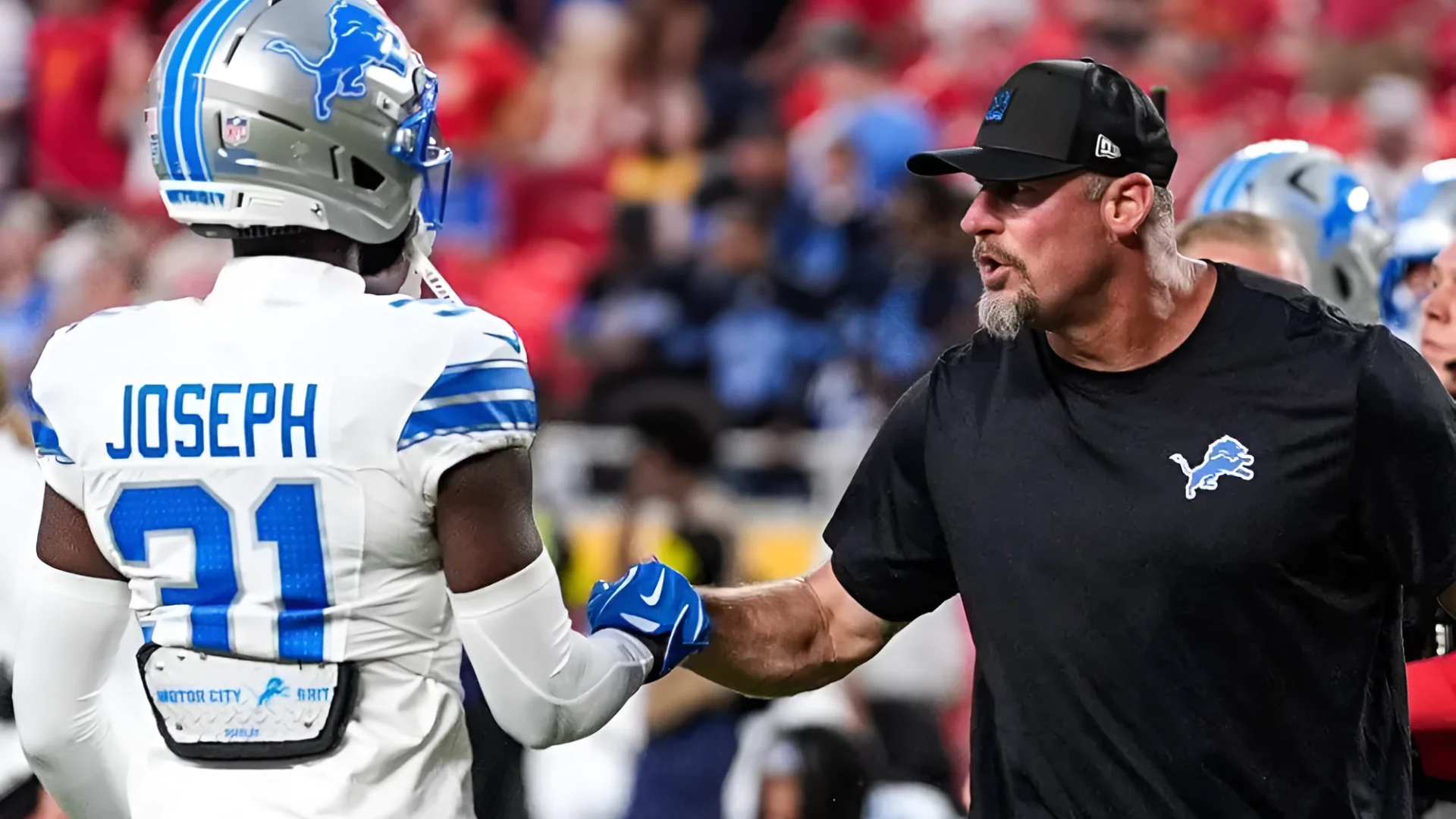
Lions Enter 2026 Camp With QB Stability and Two Real Position Fights
Detroit's 2026 training camp features a settled starting quarterback but open battles for backup QB, the No. 2 edge rusher spot, and right tackle.
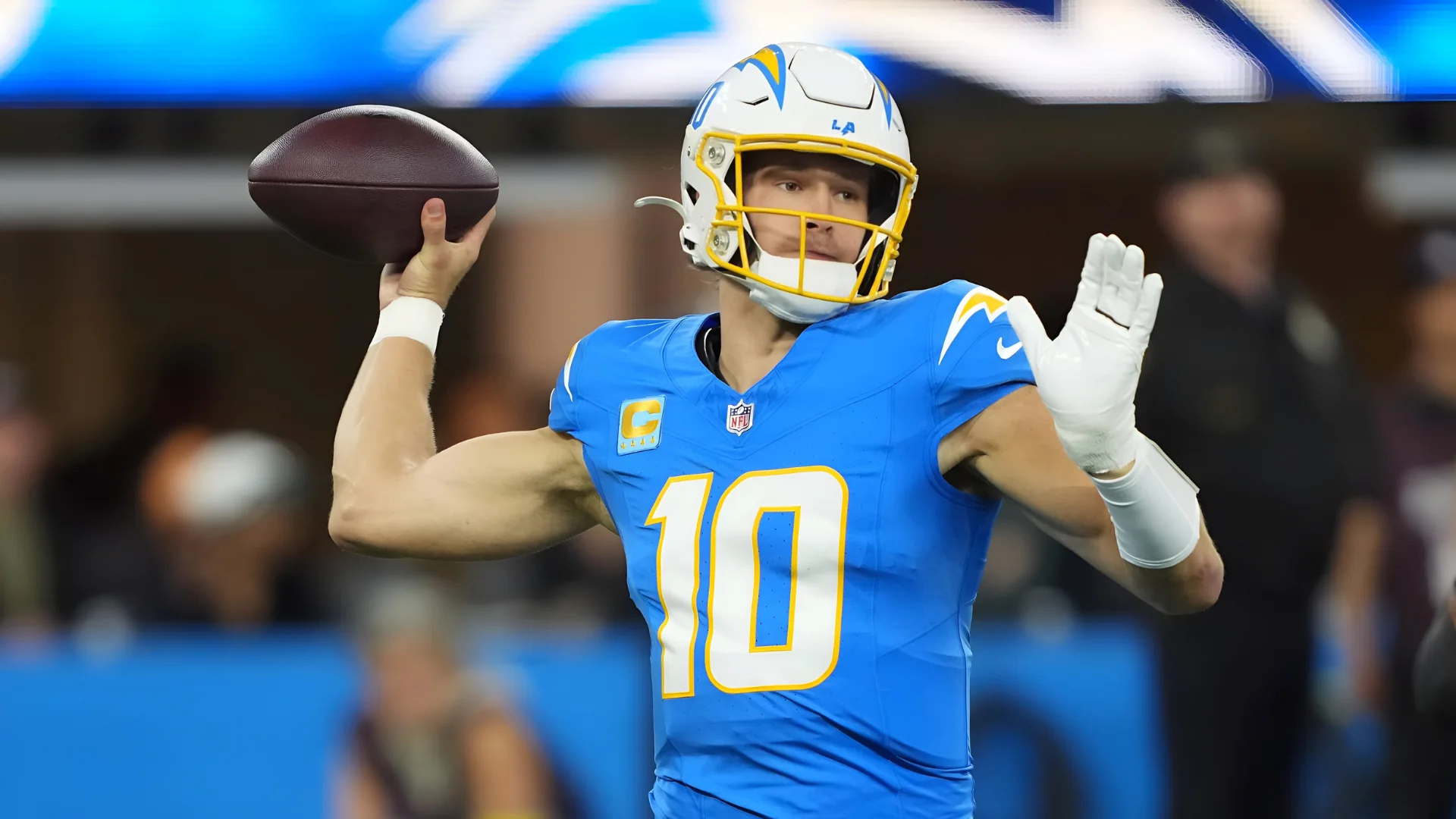
Justin Herbert's Footwork Overhaul Under Mike McDaniel
The Chargers' new OC is rebuilding Herbert's footwork from scratch, syncing his steps to route timing to neutralize the pass rush that battered him in 2025.
Comments (0)
Please sign in to join the discussion.
No comments yet.
Be the first to share your perspective on this topic.