
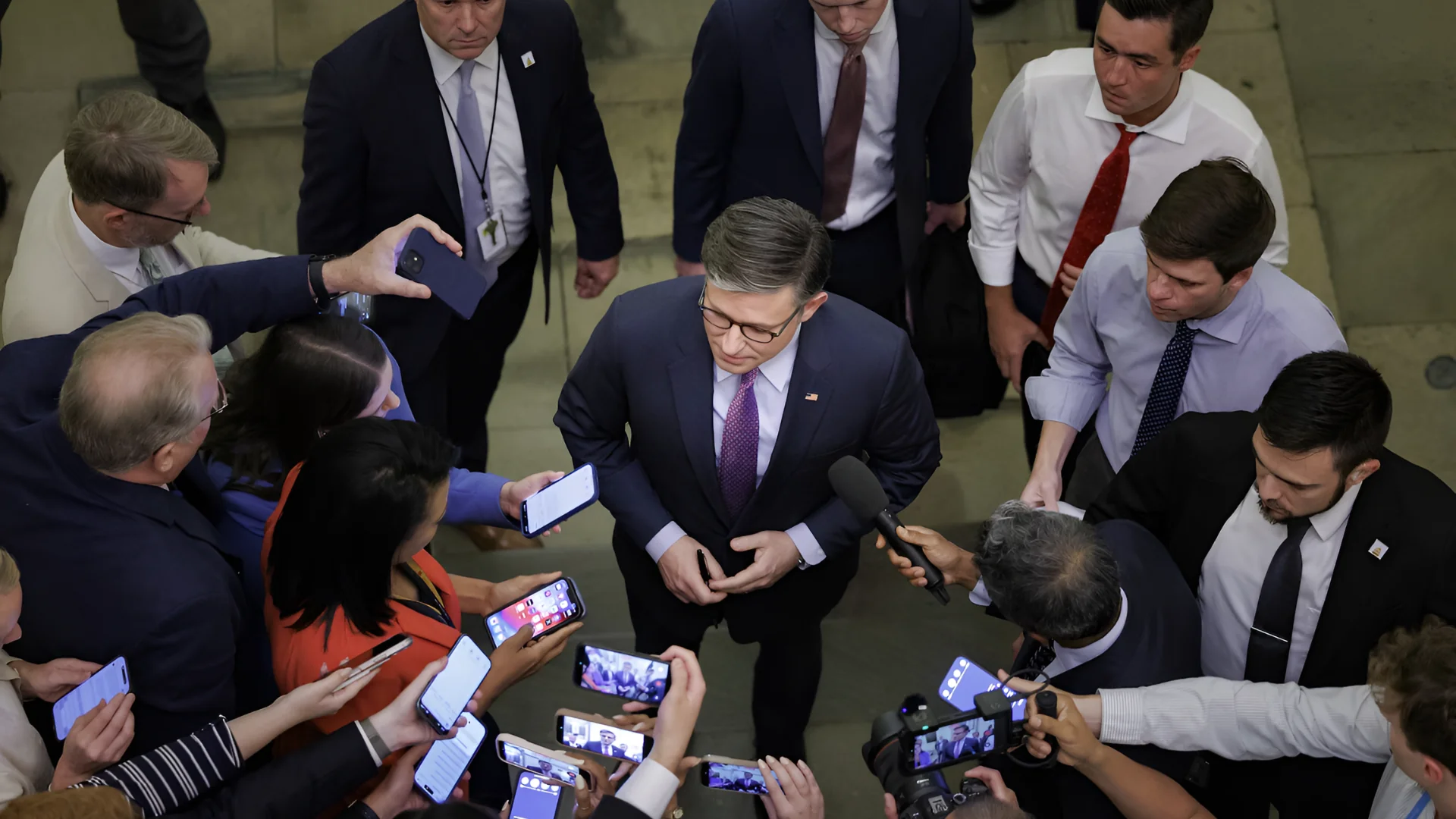
Speaker Mike Johnson is testing whether a fight over voter identification rules can be repackaged as a budget question, a maneuver that would let Senate Republicans pass it with 51 votes instead of the 60 needed to beat a filibuster.
A Grant Program Designed to Clear the Byrd Rule
The underlying measure, the SAVE America Act, would require in-person proof of citizenship to register to vote, mandate photo identification for federal elections, exclude student IDs as acceptable identification, and require copies of ID with mail-in ballots. Those are policy mandates, not spending provisions, which is why the bill cannot normally ride through reconciliation, a process reserved for measures that primarily affect federal revenue or spending.
Johnson's announced workaround, described on June 29 and 30, 2026, would convert the mandates into a financial incentive: federal grants to states that adopt the stricter rules. The bet is that a Senate parliamentarian evaluating the bill under the Byrd Rule, which screens reconciliation bills for provisions that are not budgetary in nature, would treat a grant program as sufficiently fiscal to survive, even though its practical effect is the same set of voting requirements the House already approved in a narrower form in early 2025 and revised again in February 2026. Whether the parliamentarian accepts that framing is the central unresolved question, and neither Johnson's office nor the bill's text has detailed how the grant formula would work.

Pressure From the White House and a Stalled House Floor
President Trump has pushed Congress hard on the bill. On June 29, he declined to sign a bipartisan housing measure already on his desk, using it as leverage to force movement in the Senate, and he publicly asked why Senate Majority Leader John Thune has not simply removed the parliamentarian to clear the bill's path. Overruling or replacing a parliamentarian to force through a ruling would be an unusual step with its own political costs, and Thune has not indicated he intends to take it.
Inside the House, a bloc of hardline Republicans led by Rep. Anna Paulina Luna has withheld votes on procedural rules for unrelated legislation, leaving leadership unable to advance other bills until a pathway for the SAVE Act materializes. To get past that bottleneck, leadership is preparing a fallback that would attach the SAVE Act to the National Defense Authorization Act, a bill Congress is effectively required to pass each year. Tying the measure to defense authorization would make it harder for individual senators to block without also holding up military funding, though it would not change the underlying vote math in a chamber where Republicans hold a narrow majority.

The Senate Math Still Does Not Add Up
Even if the parliamentarian signs off on the grant-program approach, Republicans do not appear to have the votes. Sens. Mitch McConnell, Susan Collins, Lisa Murkowski, and Thom Tillis have each voiced opposition to the core bill, and Senate Republicans cannot lose more than three votes on a party-line measure given their majority. That arithmetic is significant enough that Trump himself, in a private comment on June 29, acknowledged that passing the act's full federal mandates is "probably not going to happen," according to reporting on the discussions. The gap between the public pressure campaign and that private admission suggests leadership is pursuing the reconciliation route as much to show hardliners an exhausted set of options as to bank on its success.
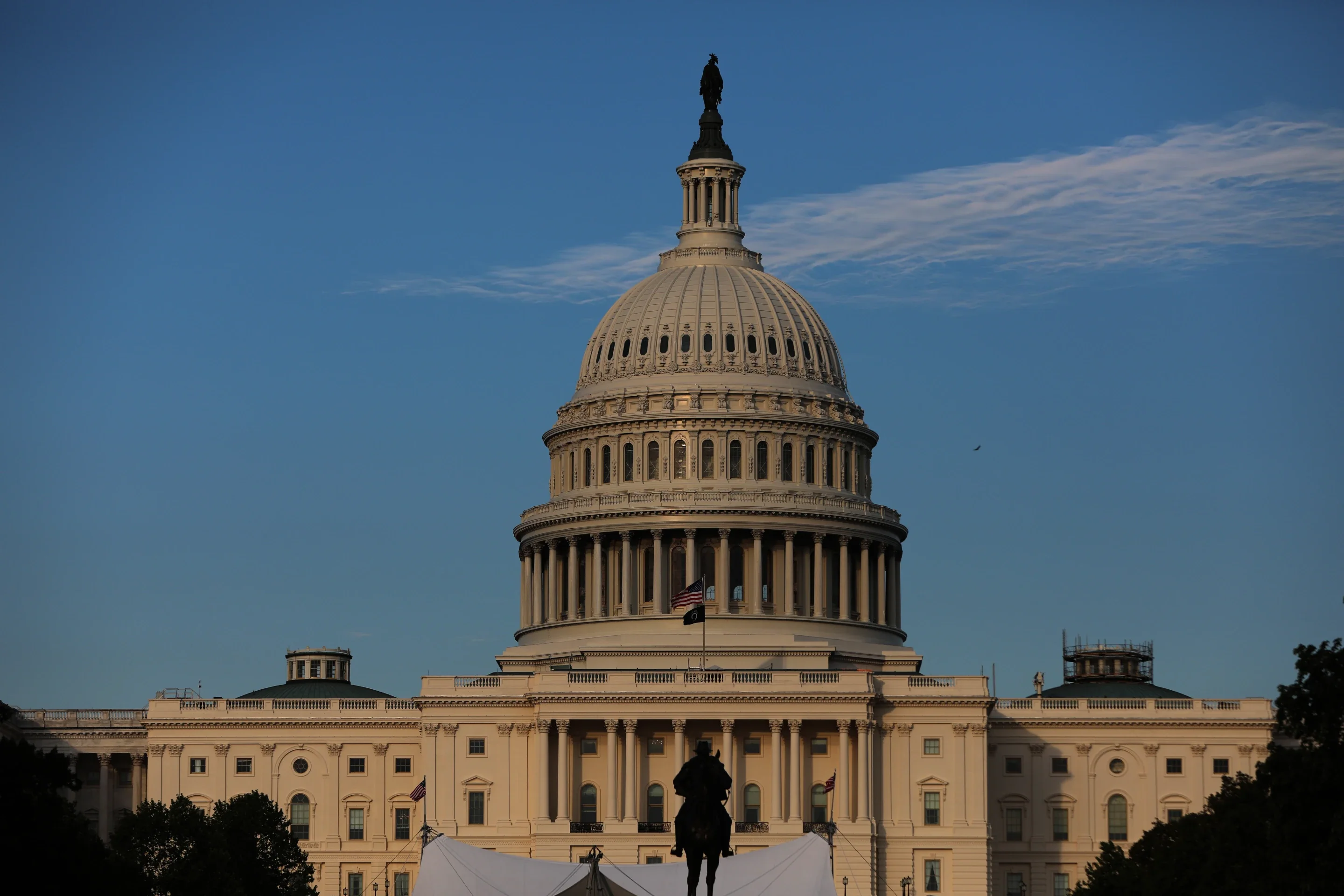
A Recent Court Loss Looms Over the Push
The reconciliation strategy follows a separate setback for the administration's broader voter-list efforts. A federal judge, Sparkle L. Sooknanan, blocked the Department of Homeland Security and Elon Musk's DOGE initiative from using the federal SAVE database to conduct mass voter roll purges, citing privacy violations and the wrongful flagging of legitimate citizens. That ruling does not directly affect the SAVE America Act's legislative path, but it adds to a pattern in which administration-aligned efforts to tighten voter rolls and registration requirements have run into judicial resistance, raising the likelihood that a reconciliation-passed SAVE Act would also draw an immediate legal challenge over whether its grant-program structure is a genuine spending measure or a disguised regulatory mandate.
With the 2026 midterms approaching, the timeline is tight: any reconciliation bill would need to clear the parliamentarian's review, survive a floor vote with no more than three Republican defections, and withstand likely litigation, all before new registration and identification rules could practically take effect for the fall elections.

Andy Burnham Confirmed Labour Leader With Record 94% MP Backing
Andy Burnham won 379 of 403 Labour MPs' nominations, a modern-era record, as Survation found Labour level with Reform UK for the first time in a year.


Israel Tells US of a New Plot to Assassinate Trump as the Iran Ceasefire Collapses
Amid renewed US-Iran strikes and a fraying ceasefire, Israel warned Washington of a new, unverified plot to assassinate Trump.
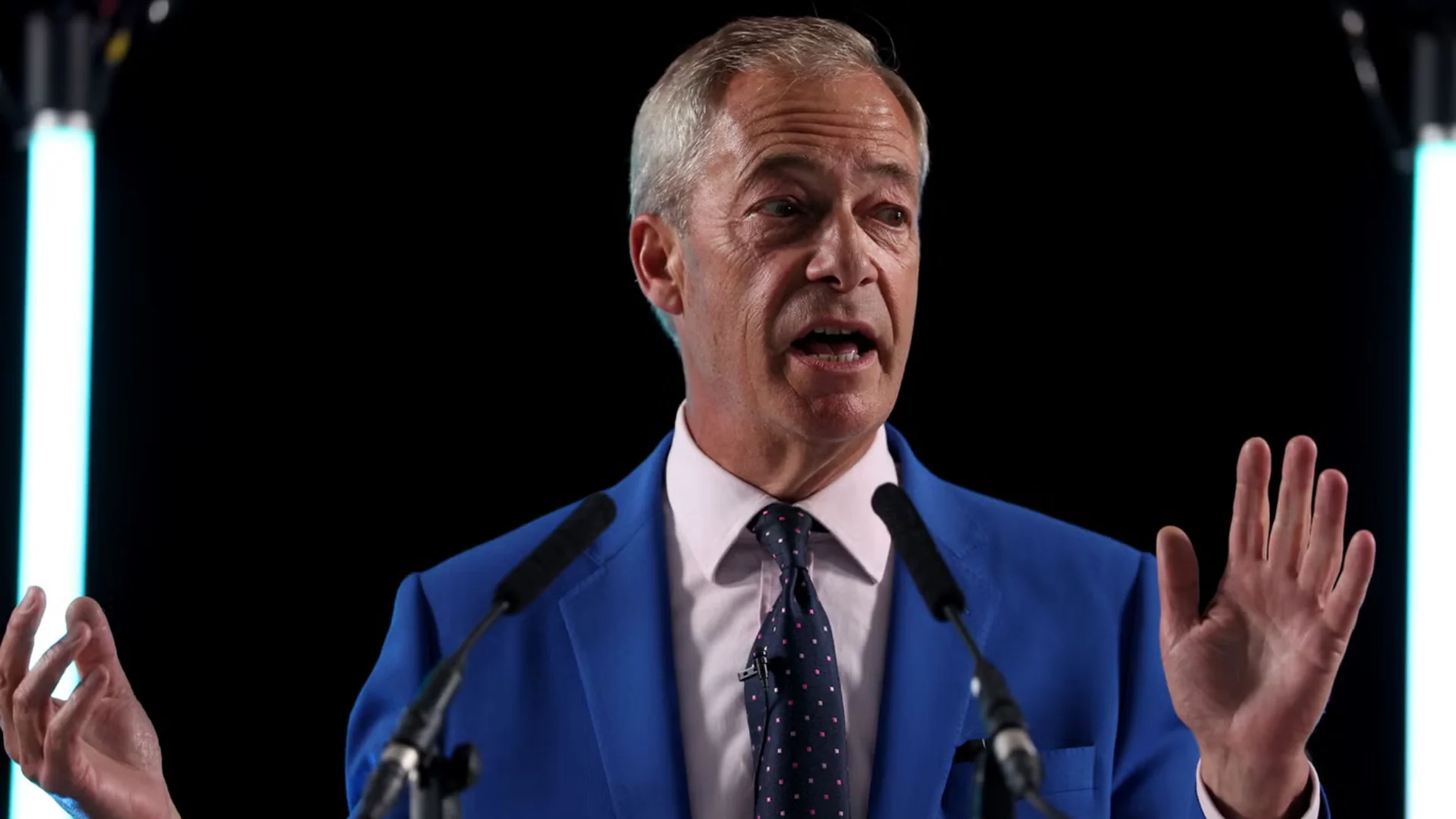
Farage Faces Two Watchdogs Over Cottrell's Hidden Funding
A Sunday Times investigation says George Cottrell funded Farage's staff, security and housing before 2024. Two watchdogs are now weighing separate legal tests.
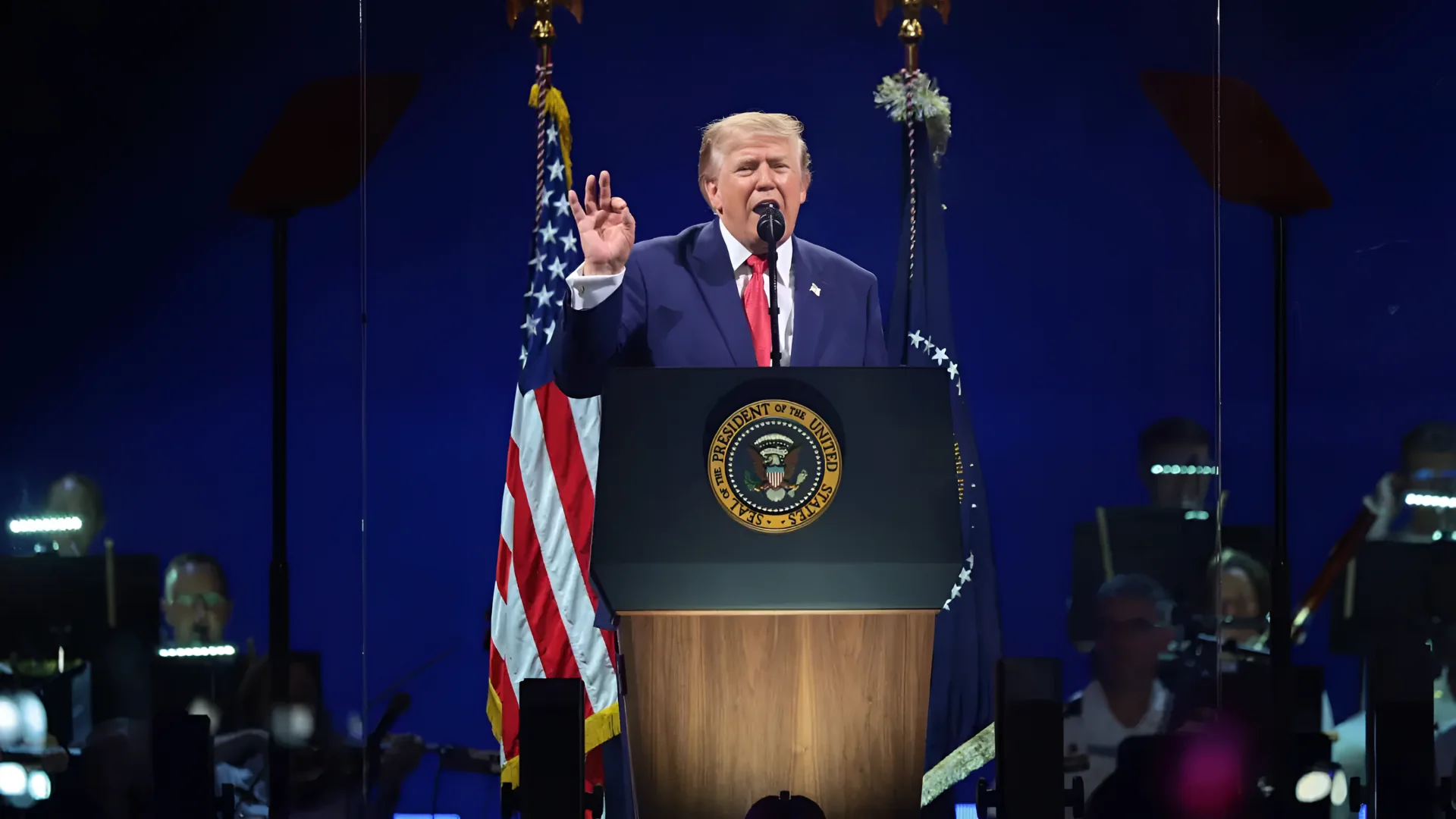
Storms Delay Trump's July 4 Speech, Not His Politics
A storm evacuation delayed Trump's America 250 keynote by nearly two hours, but the speech itself broke from past Independence Day addresses with midterms messaging.
Comments (0)
Please sign in to join the discussion.
No comments yet.
Be the first to share your perspective on this topic.