
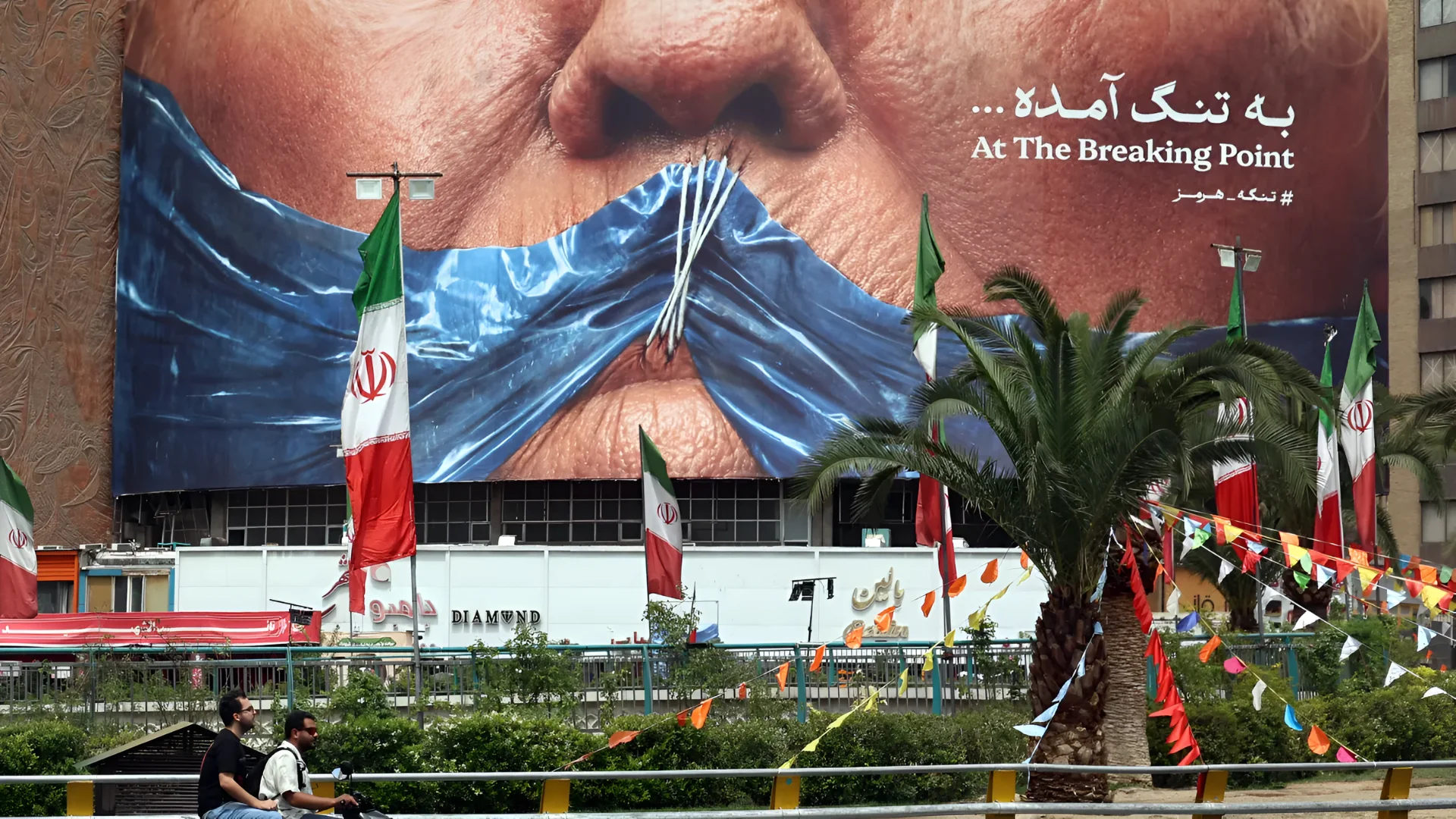
Iran's Tasnim news agency reported Monday that Tehran has halted the exchange of messages with Washington through intermediaries and announced its intent to pursue complete closure of the Strait of Hormuz, citing Israeli military operations in Lebanon as a violation of the conditions under which the two countries' ceasefire was agreed.
Iran's Negotiating Team Cites Lebanon as a Ceasefire Precondition
Iran's semi-official Tasnim news agency announced on June 1 that the Iranian negotiating team is suspending dialogues and the exchange of texts through mediators, citing Lebanon as one of the preconditions for the ceasefire and stating that this ceasefire has now been violated on all fronts, including Lebanon. The statement leaves no immediate channel for the kind of back-channel communication that has governed US-Iran interaction since April.
Iranian Foreign Minister Abbas Araghchi reinforced the position directly. Araghchi wrote on X that the ceasefire between Iran and the US is unequivocally a ceasefire on all fronts, including in Lebanon, and that its violation on one front constitutes a violation on all fronts, holding the US and Israel responsible for the consequences of any violation.
The US side did not immediately confirm or contest the framing. The White House did not respond to CNBC's request for comment, and US Central Command declined to comment. That silence leaves open a significant interpretive gap: Washington has not publicly stated whether it regards Israeli operations in Lebanon as a breach of the April ceasefire under the same terms Iran invokes.
The chart below places this suspension within the diplomatic sequence that led to it.
The 60-Day MOU That Now Sits Unsigned
The timing of the suspension matters because negotiations had reached an unusually concrete stage. The two sides had been working toward a 60-day memorandum of understanding that would extend the ceasefire and open nuclear talks, with draft terms reported by US sources including unrestricted Hormuz shipping, Iran removing mines from the strait within 30 days, proportional lifting of the US naval blockade, and sanctions waivers allowing Iran to sell oil.
The deal was awaiting final approval from both US President Donald Trump and Ayatollah Mojtaba Khamenei at the time Iran announced the suspension. The framework was not a preliminary exchange of positions — it was reportedly near the approval stage, which makes the collapse of mediator contact more operationally significant than a breakdown at an earlier phase would have been.
The mine-clearance provision is the most consequential term now in doubt. Iran's 30-day obligation to remove mines from the strait, which was part of the draft, cannot proceed through a channel that Tehran says it has suspended. The US naval blockade modulation was conditioned on that clearance; both tracks now stall together.
The flow below maps the MOU's reported draft structure and which conditions Iran's announcement puts in immediate jeopardy.
Hormuz Closure Threat and the Oil Market Response
Iran's statement went beyond suspending talks. According to Tasnim, the resistance front and Iran have resolved to completely block the Strait of Hormuz and activate other fronts including the Bab al-Mandeb Strait, in order to punish the Zionists and their supporters. The Bab al-Mandeb reference is significant: it is the southern chokepoint of the Red Sea, and its activation as a pressure point would extend disruption well beyond Persian Gulf oil flows.
The market response to the combination of suspended talks and closure language was immediate. WTI crude oil futures surged 5%, reaching $91.74 per barrel, while US stock futures and European markets declined amid the escalating Iran-US tensions. Prediction market pricing reflected the shift in assessed probability: Polymarket odds for Hormuz Strait normalization dropped to 25% on June 1.
Iran's stated conditions for resuming any process are concrete rather than vague. Tehran has demanded a full withdrawal of Israeli forces from Lebanon, and Tasnim stated that no dialogue will take place until Israel fully withdraws from occupied areas in Lebanon and stops all attacks in both Lebanon and Gaza. Both of those conditions require Israeli action, not American action — which means Washington cannot unilaterally reopen the mediator channel without Israeli cooperation.
The metric snapshot below captures the three figures that define the market and diplomatic state as of June 1.
What the Breakdown Means for a Broader Settlement
The suspension does not formally end the April ceasefire, but it removes the mechanism through which the ceasefire has been managed and extended. The two sides had been working toward a 60-day memorandum of understanding that would extend the ceasefire and open nuclear talks, with the deal awaiting final approval from both Trump and Khamenei. That approval process is now frozen alongside the mediator channel.
The structural problem is sequencing. Iran's demand that Israel halt Lebanon operations and withdraw before talks resume puts Washington in a position where restoring the diplomatic channel requires influencing Israeli military decisions — something the US has managed inconsistently across the conflict's duration. The White House has not publicly acknowledged Lebanon operations as a ceasefire breach, which means the two sides may not be operating under a shared definition of what the April agreement covers.
Iran has consistently maintained that the broader Iran-US ceasefire covers Lebanon as well, and that Israeli operations there constitute a violation of its terms. That interpretive gap, if unresolved, will block any return to the mediator format regardless of whether either side wants to resume.
The Bab al-Mandeb activation threat adds a second chokepoint to the risk picture. If Iran moves to close both the Strait of Hormuz and the southern Red Sea passage simultaneously, the energy and shipping disruption would extend well beyond Persian Gulf oil exporters to affect broader Asian and European supply chains. That remains a stated intention, not a confirmed action, as of June 1.

Why Japan Is Losing the AI Race It Helped Create
From language tokenization barriers to corporate risk aversion and venture capital gaps, this explainer breaks down why Japan's AI position lags the US and China.

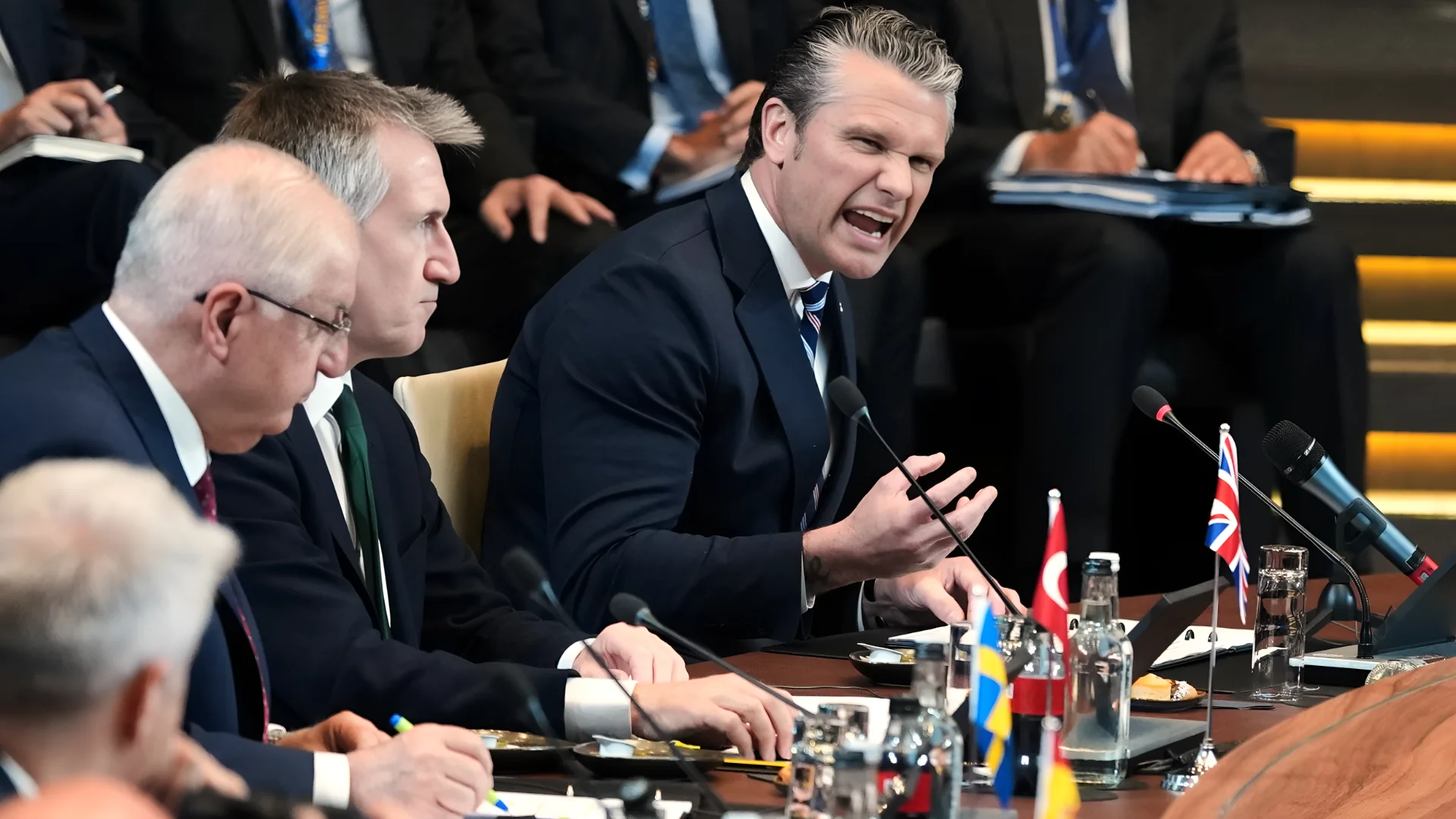
Pentagon Ties NATO Dues to Allies' Defense Spending
A Pentagon review tied to NATO dues and already-underway troop and asset cuts sets up tension ahead of the July 7-8 NATO leaders' summit in Ankara, Turkey.
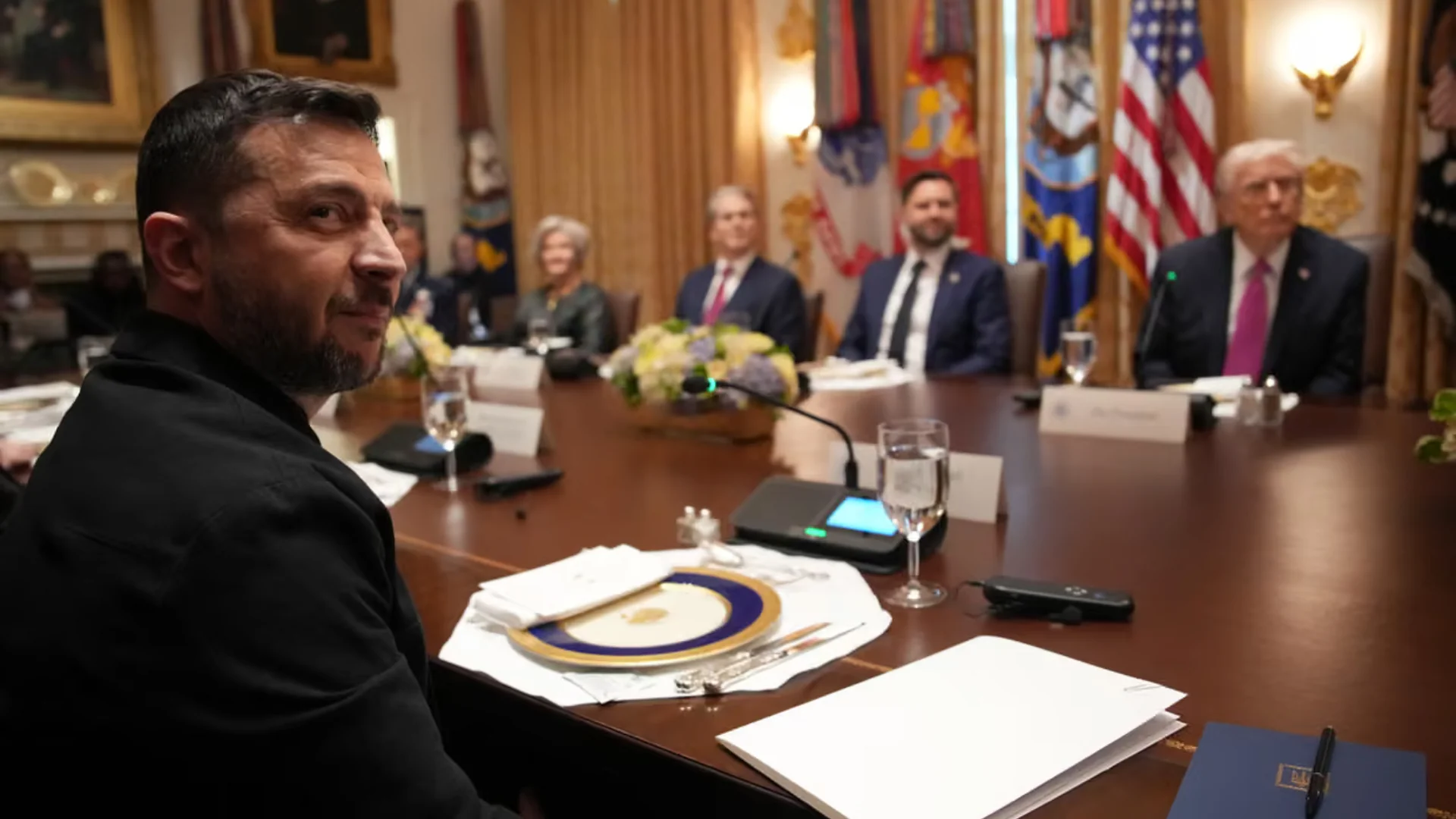
G7 2026: Ukraine Left Waiting as Trump Eyes Iran Deal
Trump arrives at the G7 in Evian-les-Bains prioritizing an Iran peace deal over direct Ukraine engagement, with no bilateral scheduled with Zelenskyy and European partners pushing a ceasefire proposal Trump has not endorsed.

Vienna Taylor Swift Plot: Austrian Man Gets 15 Years
An Austrian court handed down sentences of 15 and 12 years to two men convicted of plotting a terrorist attack at Taylor Swift's sold-out Vienna Eras Tour concerts in August 2024.

Comments (0)
Please sign in to join the discussion.
No comments yet.
Be the first to share your perspective on this topic.