
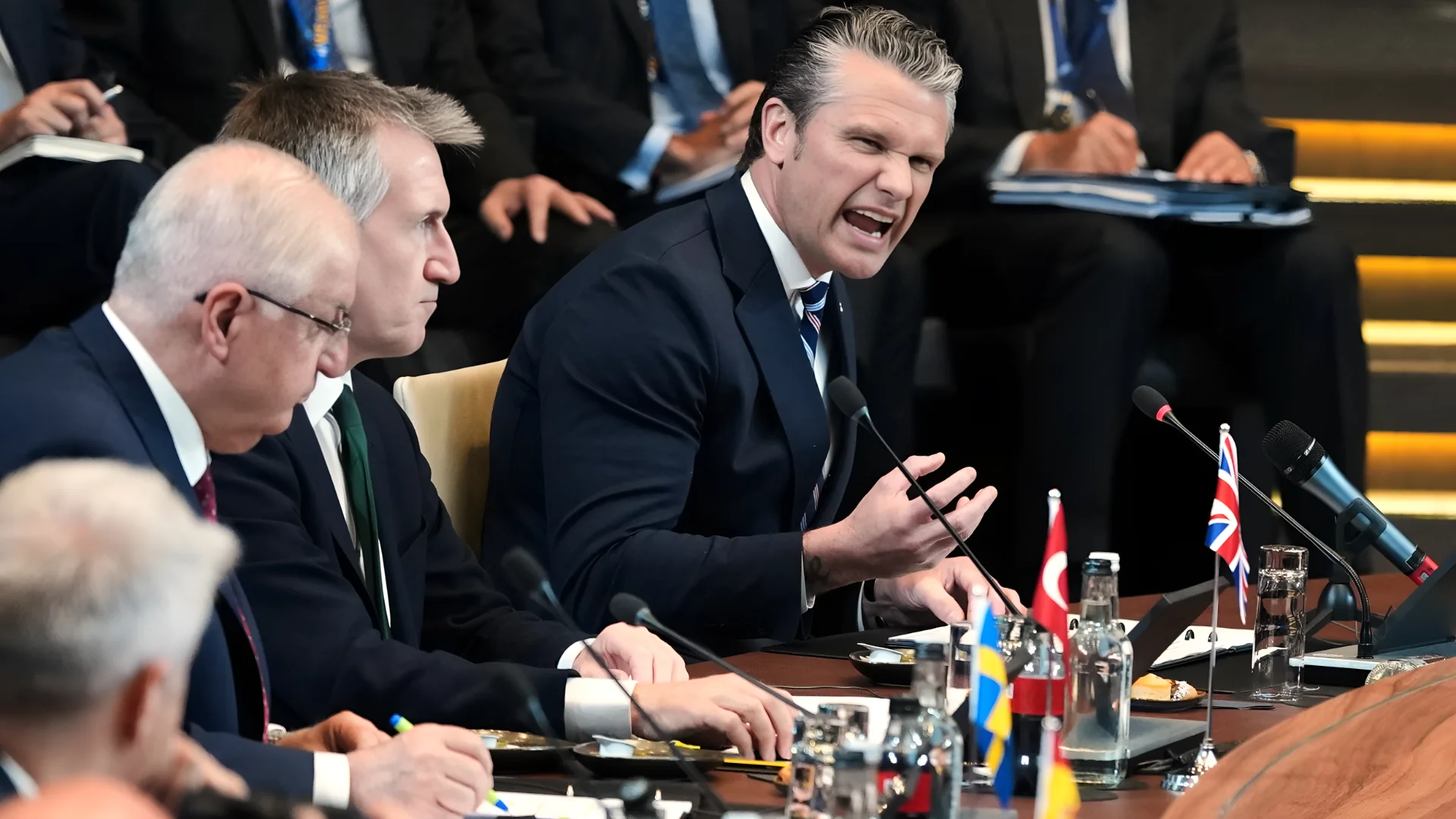
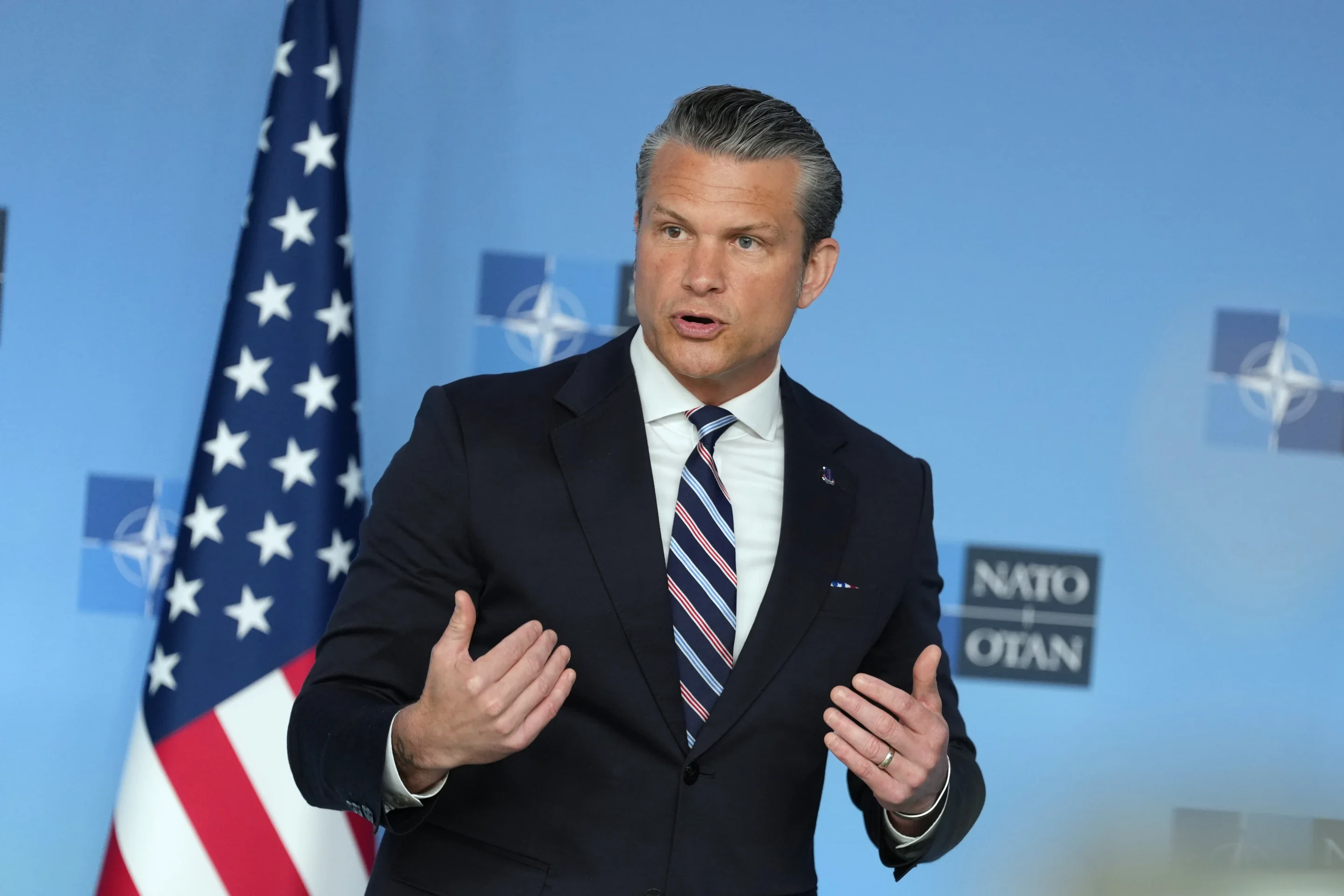
U.S. Defense Secretary Pete Hegseth told NATO counterparts in Brussels that the Pentagon will spend six months reviewing American force posture in Europe, while making U.S. financial contributions to the alliance contingent on how quickly other members meet their defense spending targets.
A Six-Month Review Built Around "Primary Responsibility"
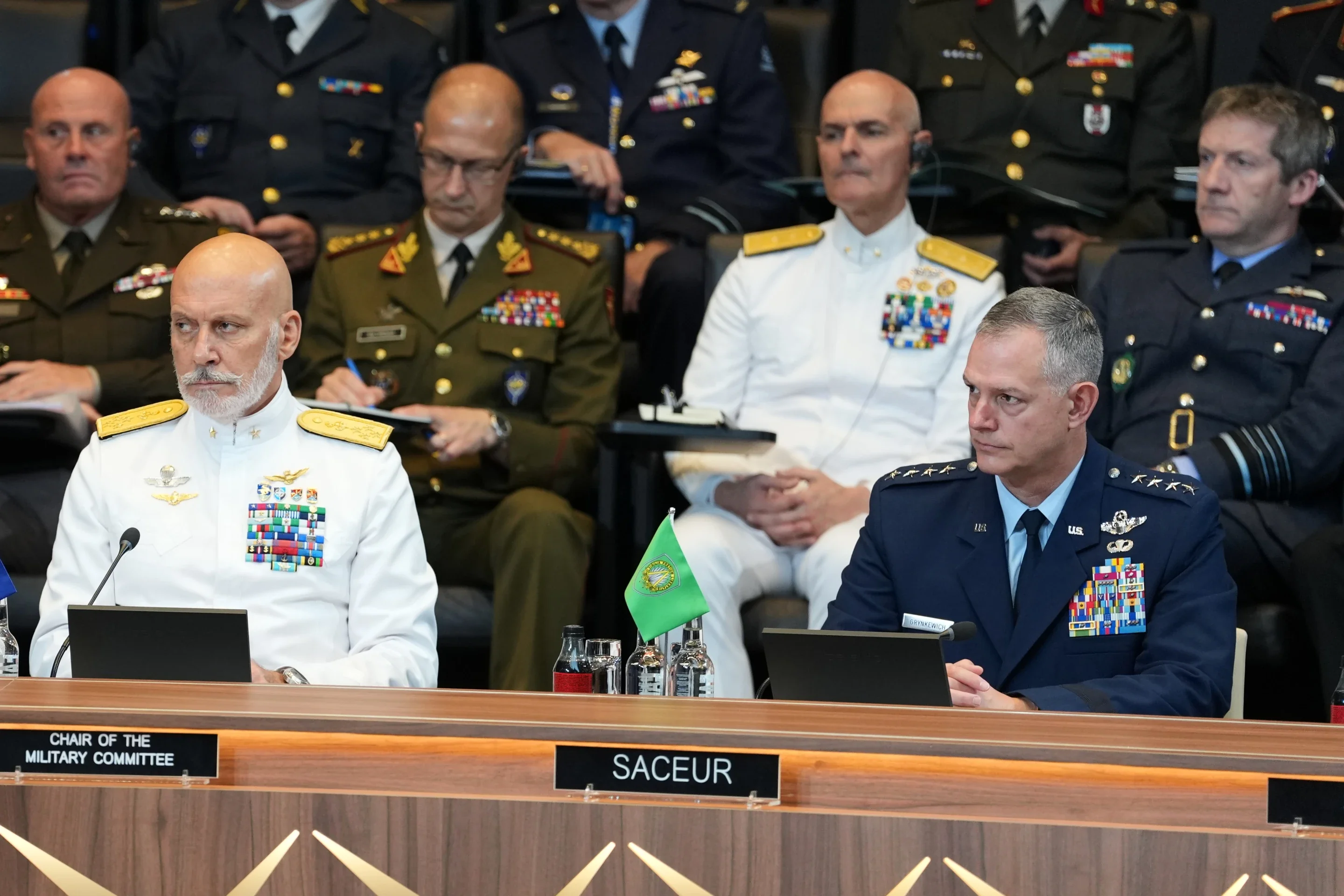
Hegseth said the review, led by U.S. European Command commander Gen. Alexus Grynkewich, will shape future American troop deployments and base locations across the continent. He framed the effort as designed to push the alliance toward European nations taking primary responsibility for their own defense, a posture he labeled NATO 3.0. Speaking to ministers, he was blunt about what the process would mean for individual allies: in his remarks to the ministerial, Hegseth said "some countries will fail" the review. He did not lay out the specific benchmarks the Pentagon will use to make that determination, leaving the practical stakes for any single ally unresolved until the assessment concludes later this year. Because the review is expected to run through the rest of 2026, its conclusions will not be ready before the Ankara summit, meaning allies will spend the coming weeks responding to Hegseth's framing without knowing how the assessment will ultimately affect their own basing arrangements.
Iran War Access Disputes Frame the Pentagon's Complaints
The review followed pointed criticism of how European governments handled the recent U.S. war with Iran. Hegseth said allied governments had denied U.S. forces predictable access, basing and overflight rights during the conflict, a stance he called shameful in comments reported from the meeting. He separately criticized member states for prioritizing gender equity, climate policy and defense austerity ahead of conventional capabilities such as tanks, fighters and air defenses. The two complaints describe different things: the access dispute points to a specific operational decision allies made during an active conflict, while the critique of policy priorities is a broader argument about how European governments allocate attention and resources during peacetime. Presenting them together in the same address links a concrete wartime grievance to a wider argument about European governance, even though the two rest on different kinds of evidence.
Dues Now Conditional on Allied Spending
Hegseth also attached a financial condition to the relationship. He told ministers that U.S. contributions to NATO's common operating budget, roughly $790 million in 2026, will now depend on whether other allies meet their defense spending commitments. That converts what has functioned as a routine annual contribution into a lever the Pentagon can adjust based on its own year-to-year assessment of allied compliance. It is also a shift in tone as much as mechanics: the announcement explicitly ties a previously administrative budget process to political conditions, signaling that Washington intends to treat its share of NATO's operating costs as ongoing leverage rather than a fixed commitment. Because the common budget funds NATO's command structure, headquarters and shared infrastructure rather than national defense budgets directly, the immediate effect of withholding U.S. dues would be felt by the alliance's institutional operations rather than by any single member country's own military spending.
Force Posture Cuts Already Underway
The dues threat and the review both follow reductions the U.S. had already set in motion. Earlier in June, Washington told NATO it would significantly cut the assets allocated to the NATO Force Model, the alliance's pool of forces designated for rapid response in a crisis, according to reporting on the asset withdrawals. The reductions reportedly include an aircraft carrier strike group, cruise-missile-capable submarines and dozens of F-15 and F-16 fighter jets. Separately, the Pentagon canceled the deployment of an armored brigade combat team to Poland and a long-range fire battalion to Germany, decisions that followed a dispute between President Donald Trump and German Chancellor Friedrich Merz, layered on top of an earlier withdrawal of 5,000 troops from Europe. The Force Model cuts and the troop cancellations are not the same kind of reduction: the Force Model describes capabilities pledged for a future contingency that may never be called upon, while the brigade and battalion cancellations affect units that were actually scheduled to deploy. Together, the asset and troop reductions predate the formal review by weeks, meaning the assessment Hegseth announced will evaluate a force posture that was already smaller than it had been earlier this year.
NATO's Downplayed Response Ahead of the Ankara Summit
NATO Secretary-General Mark Rutte offered a notably calmer account of the Force Model reductions than Hegseth's framing of the broader review suggested. In his comments on the withdrawal, Rutte described the Force Model as merely "a planning tool," not a binding commitment, and said that in an actual war, every ally, including the United States, would max out whatever capabilities it had available. That description is consistent with how the Force Model was designed to function: a peacetime estimate of what allies could contribute if called upon, not a standing guarantee of forces already positioned for use. The gap between Rutte's characterization and Hegseth's tone, one treating the cuts as a routine planning adjustment, the other tying them to a broader demand that Europe take over its own defense, is likely to resurface at the NATO leaders' summit scheduled for July 7-8 in Ankara, Turkey. With the Pentagon's review still months from conclusions and U.S. dues now explicitly linked to allied spending, the summit arrives with the practical terms of the relationship still unsettled, and with European officials left to respond to Washington's framing before knowing what the review will ultimately decide.

Why Japan Is Losing the AI Race It Helped Create
From language tokenization barriers to corporate risk aversion and venture capital gaps, this explainer breaks down why Japan's AI position lags the US and China.

G7 2026: Ukraine Left Waiting as Trump Eyes Iran Deal
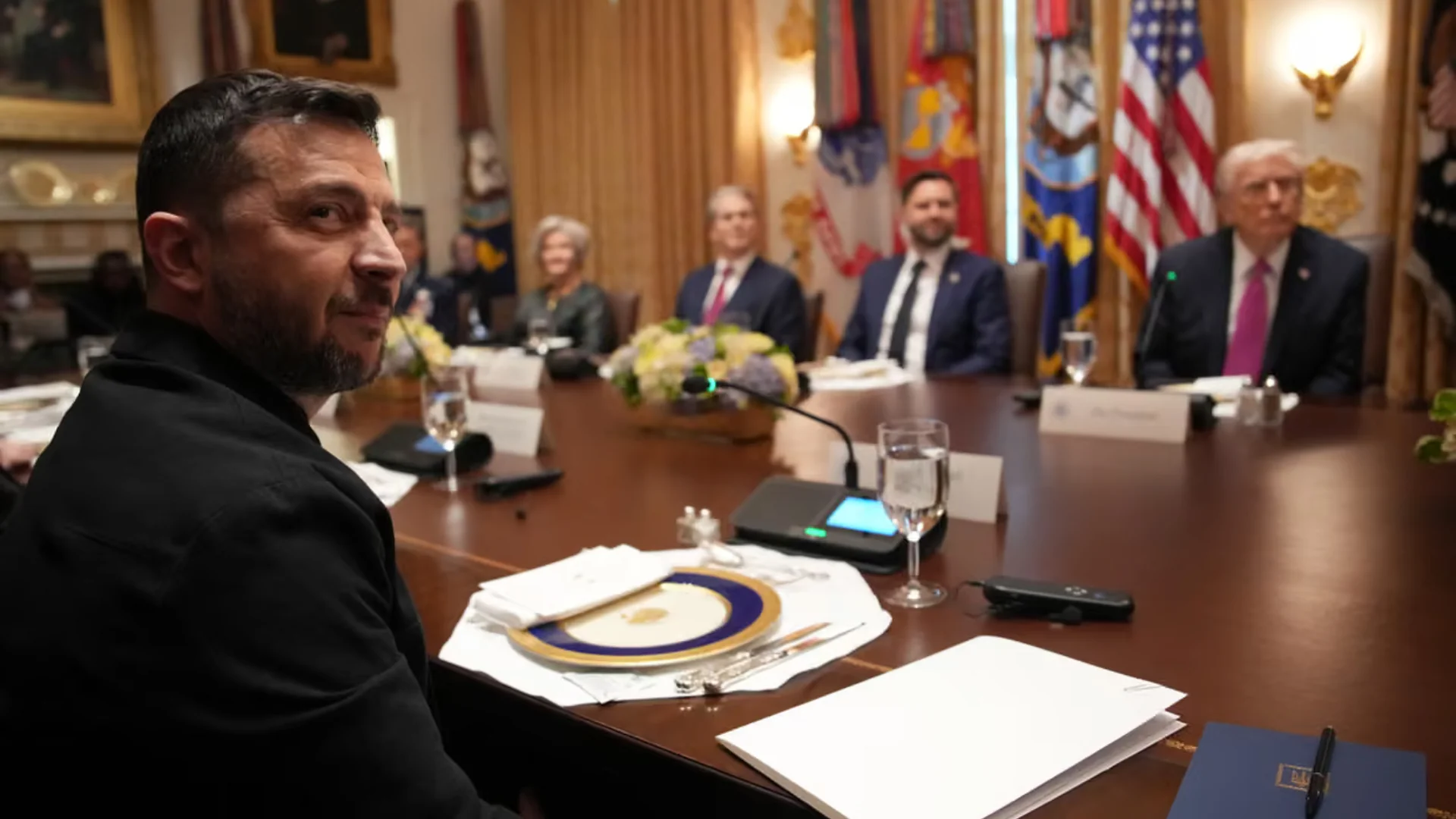
Trump arrives at the G7 in Evian-les-Bains prioritizing an Iran peace deal over direct Ukraine engagement, with no bilateral scheduled with Zelenskyy and European partners pushing a ceasefire proposal Trump has not endorsed.
Iran Suspends US Talks, Threatens to Close Hormuz
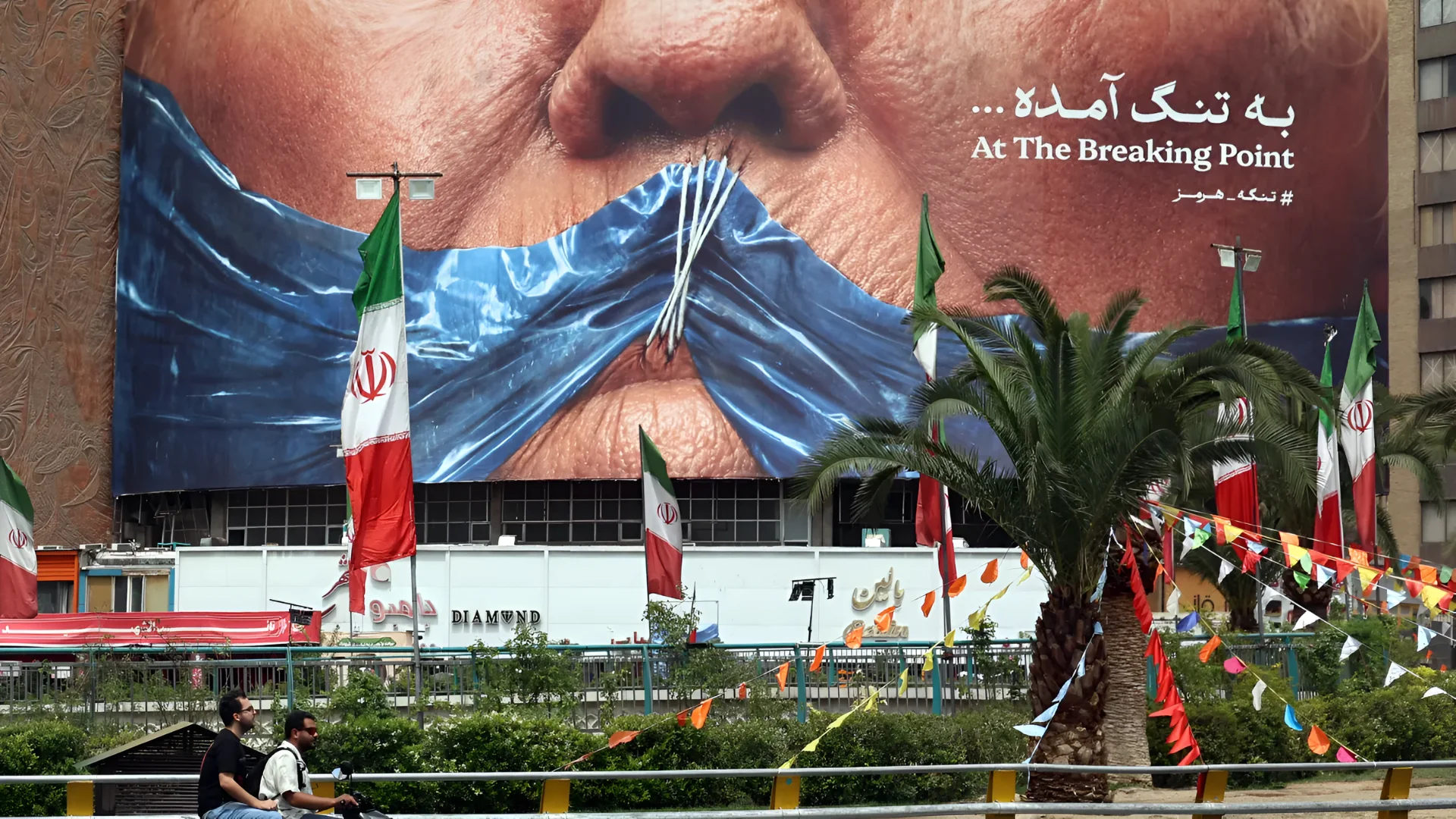
Iran suspended indirect US negotiations on June 1, 2026, citing Israeli military activity in Lebanon as a breach of the April ceasefire, collapsing a 60-day MOU framework and threatening Hormuz closure.

Vienna Taylor Swift Plot: Austrian Man Gets 15 Years
An Austrian court handed down sentences of 15 and 12 years to two men convicted of plotting a terrorist attack at Taylor Swift's sold-out Vienna Eras Tour concerts in August 2024.

Comments (0)
Please sign in to join the discussion.
No comments yet.
Be the first to share your perspective on this topic.