
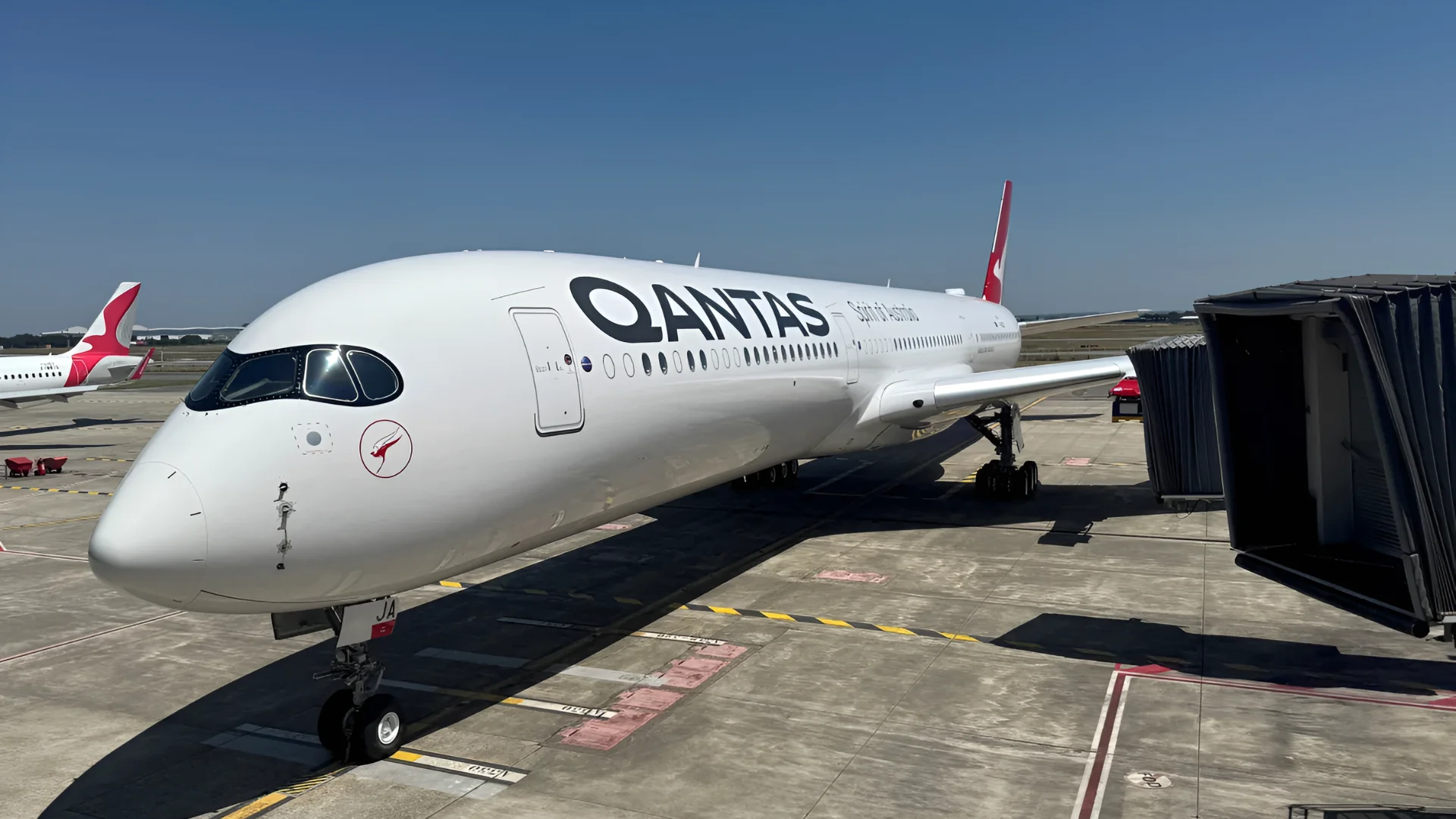
Qantas has confirmed October 2027 as the launch date for Project Sunrise, a Sydney-to-London nonstop service that will cover 17,015 km in up to 22 hours — making it the longest scheduled commercial flight in history. The announcement includes the first aircraft delivery date, cabin specifications, and a ticket-sales opening of February 2027, providing the clearest picture yet of what it took to make the route viable.
An Extra Fuel Tank and Half the Passengers: The Engineering Behind the Range
The Sydney–London route doesn't fit inside a standard long-haul aircraft. To reach London without stopping, Qantas required Airbus to produce a custom variant of the A350-1000 specifically for this program. The key modification is a rear center fuel tank holding an additional 20,000 liters, bringing total fuel capacity to 130,700 kg — a meaningful structural change that also increased the aircraft's maximum takeoff weight.
The tradeoff is direct and unavoidable: more fuel means less payload. Each of the 12 aircraft in the Project Sunrise fleet carries only 238 passengers, roughly half the capacity of a standard A350-1000 configuration. Aerodynamic improvements including taller wingtips were added to partially offset the efficiency cost of the heavier aircraft, but the fundamental constraint of fuel weight versus passenger weight defines every other design decision on the plane.
The route surpasses the current record holder — Singapore Airlines' Singapore-to-New York service at approximately 19 hours — by roughly three hours of flight time. The chart below places the Sydney–London route in context against the current cohort of ultra-long-haul nonstop services, using maximum published scheduled block times.
Cabin Design as a Medical Protocol, Not a Marketing Claim
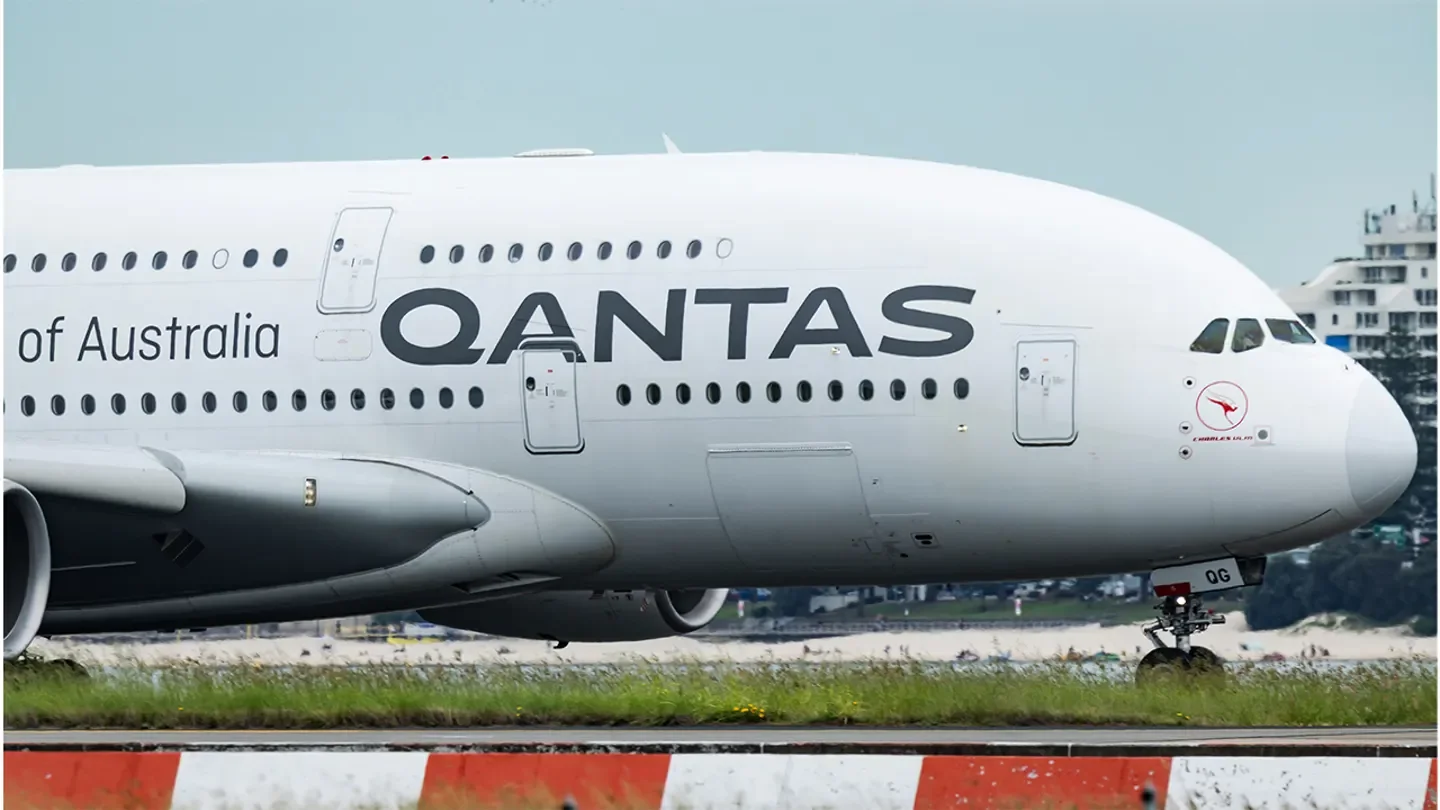
The low passenger count of 238 seats allows Qantas to configure the aircraft with meaningfully more space per traveler than a standard commercial layout — but the more consequential design work concerns how the cabin manages the physiological reality of a 22-hour journey.
Qantas developed the cabin in direct collaboration with the University of Sydney's Charles Perkins Centre, a research body focused on chronic disease and health optimization. The partnership produced a scientifically structured lighting program — named schemes such as "Sunrise," "Sunset," and "Awake" — designed to shift passengers' circadian cues toward the destination time zone progressively during the flight. This isn't ambient mood lighting; it is a timed phototherapy protocol applied at scale to a full aircraft cabin.
A dedicated Wellbeing Zone is positioned between Premium Economy and Economy, providing a standing area for stretching, hydration access, and movement — addressing the documented circulatory and musculoskeletal risks of extended sedentary travel. The seat specifications themselves reflect unusual density: Economy seats are offered at a 33-inch pitch, and the 42-seat Economy Plus section at 34 inches, both notably generous for the cabin class on a high-demand route. The full cabin breakdown is shown in the cards below.
A 20% Premium and No Cargo: The Economics That Have to Work
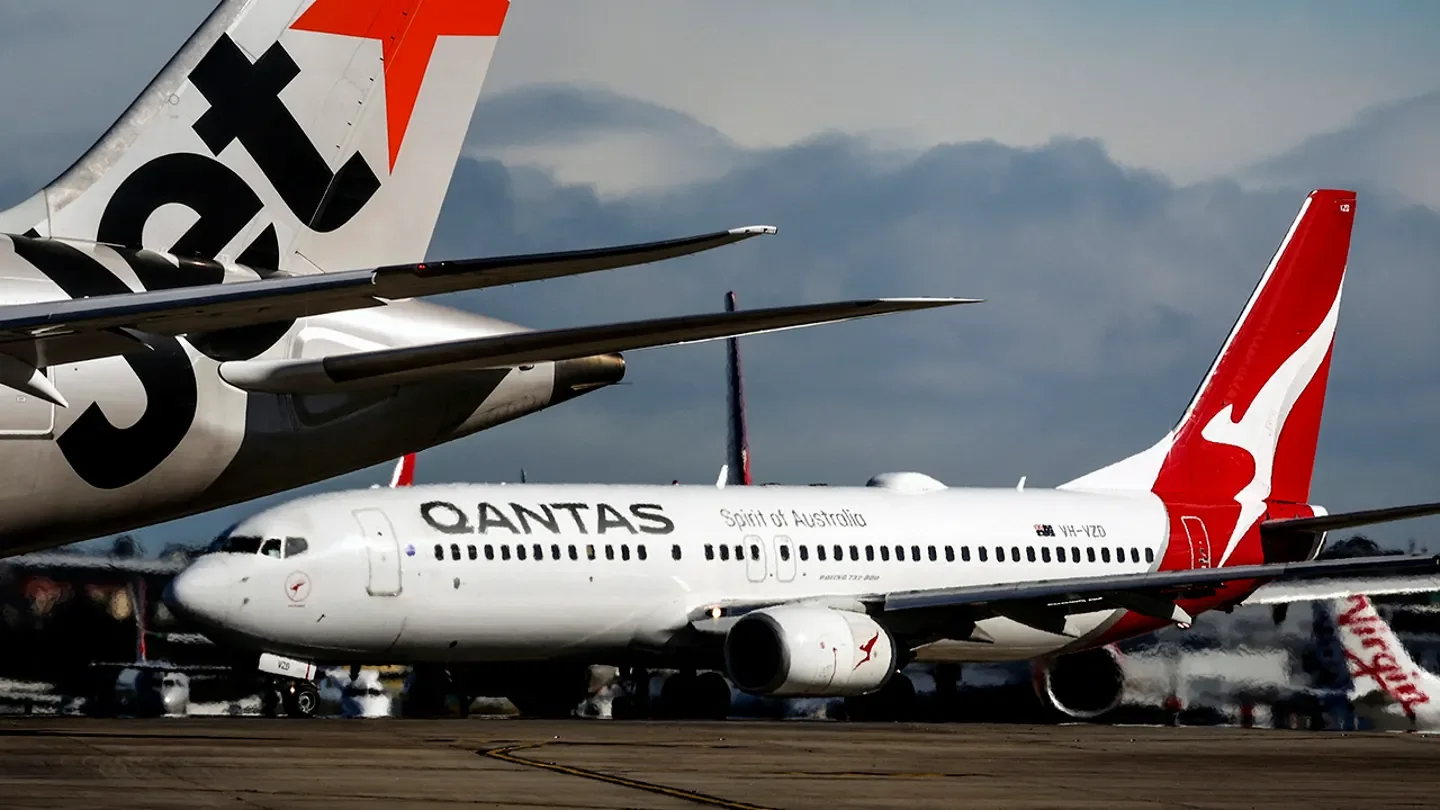
The engineering and wellness investment leaves Qantas with a 12-aircraft fleet that cannot carry meaningful cargo — weight reserved for passengers and fuel — and fares expected to run roughly 20% above what travelers currently pay on one-stop alternatives through hubs such as Dubai or Singapore. That pricing assumption is the core commercial bet: that a meaningful segment of premium travelers will pay more to eliminate the connection, the transit risk, and the disruption of a stopover.
The argument is strongest for business and first-class passengers, where the cost differential is smaller in absolute terms and the productivity loss of a transfer is concrete. It is less obvious for economy passengers, where the 20% premium is a more significant barrier — though the generous pitch and the wellbeing program represent a differentiated product even at that price point.
The confirmed timeline gives Qantas roughly a year between the first aircraft delivery (named "Vega," scheduled for April 2027) and ticket sales opening (February 2027), then a six-month window before the October 2027 inaugural flight. The key confirmed dates in the Project Sunrise launch sequence are shown in the timeline below.

Disneyland Shuts Six Attractions as Its 70th Anniversary Winds Down
A guide to which Disneyland attractions close, reopen, or run reduced hours in August 2026 as the resort's 70th anniversary celebration wraps up.

Big Boy No. 4014 Becomes First Locomotive of Its Size to Cross Horseshoe Curve
Union Pacific's Big Boy No. 4014 crossed Horseshoe Curve and rolled through Western Pennsylvania towns Saturday on its first-ever East Coast tour marking America's 250th anniversary.
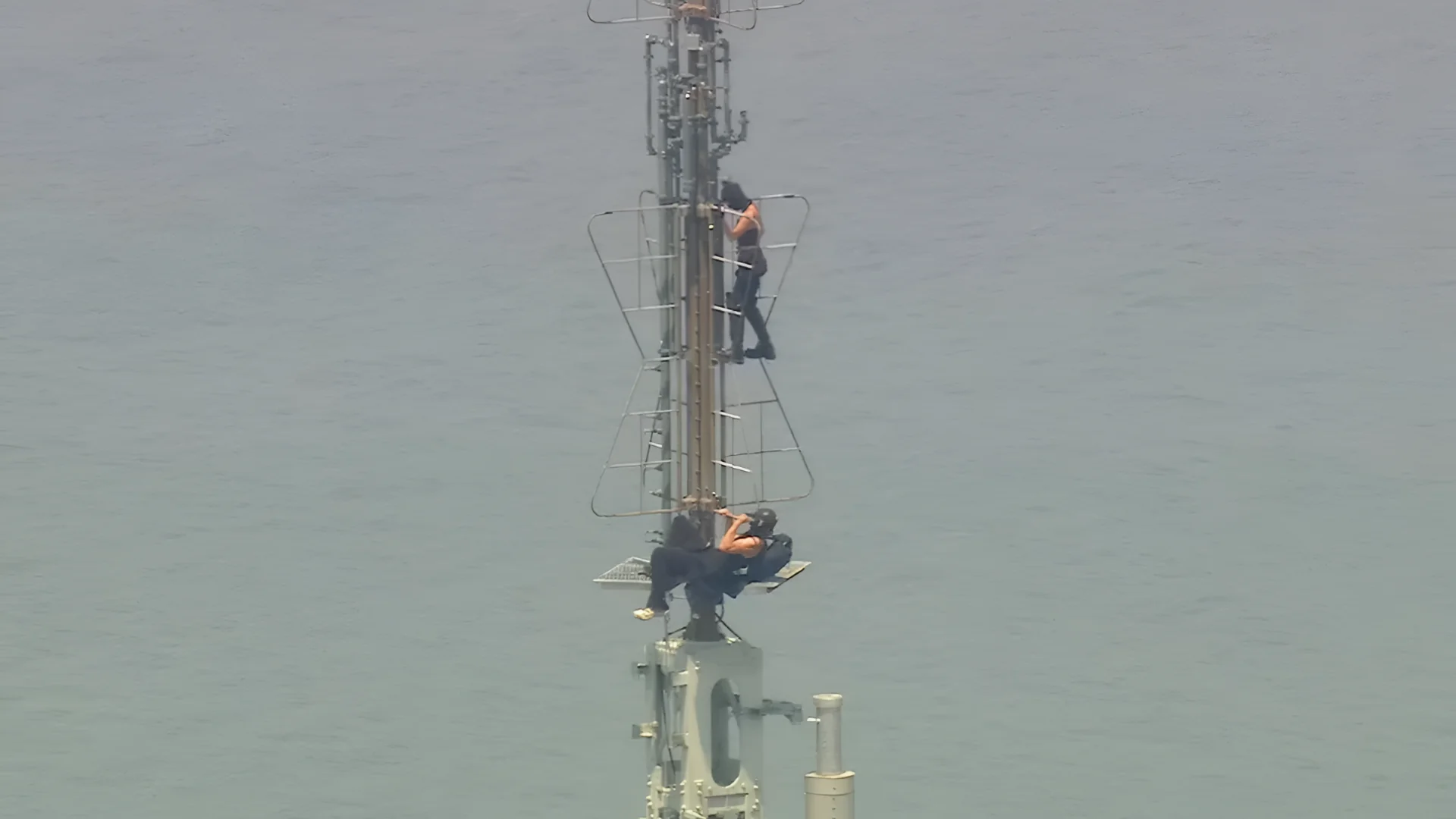
Empire State Building Climbers Face Court Thursday
A daredevil couple known for skyscraper stunts scaled the Empire State Building's spire, unfurled a peace banner, got engaged, and were arrested on multiple charges.

Teen Falls Down Disneyland Ride Drop, Escapes Serious Injury
A teenager climbed out of a moving log on Tiana's Bayou Adventure at Disneyland, fell down the 50-foot waterfall drop, and was released from hospital with minor injuries. Cal/OSHA cleared the attraction after inspection.
Comments (0)
Please sign in to join the discussion.
No comments yet.
Be the first to share your perspective on this topic.