
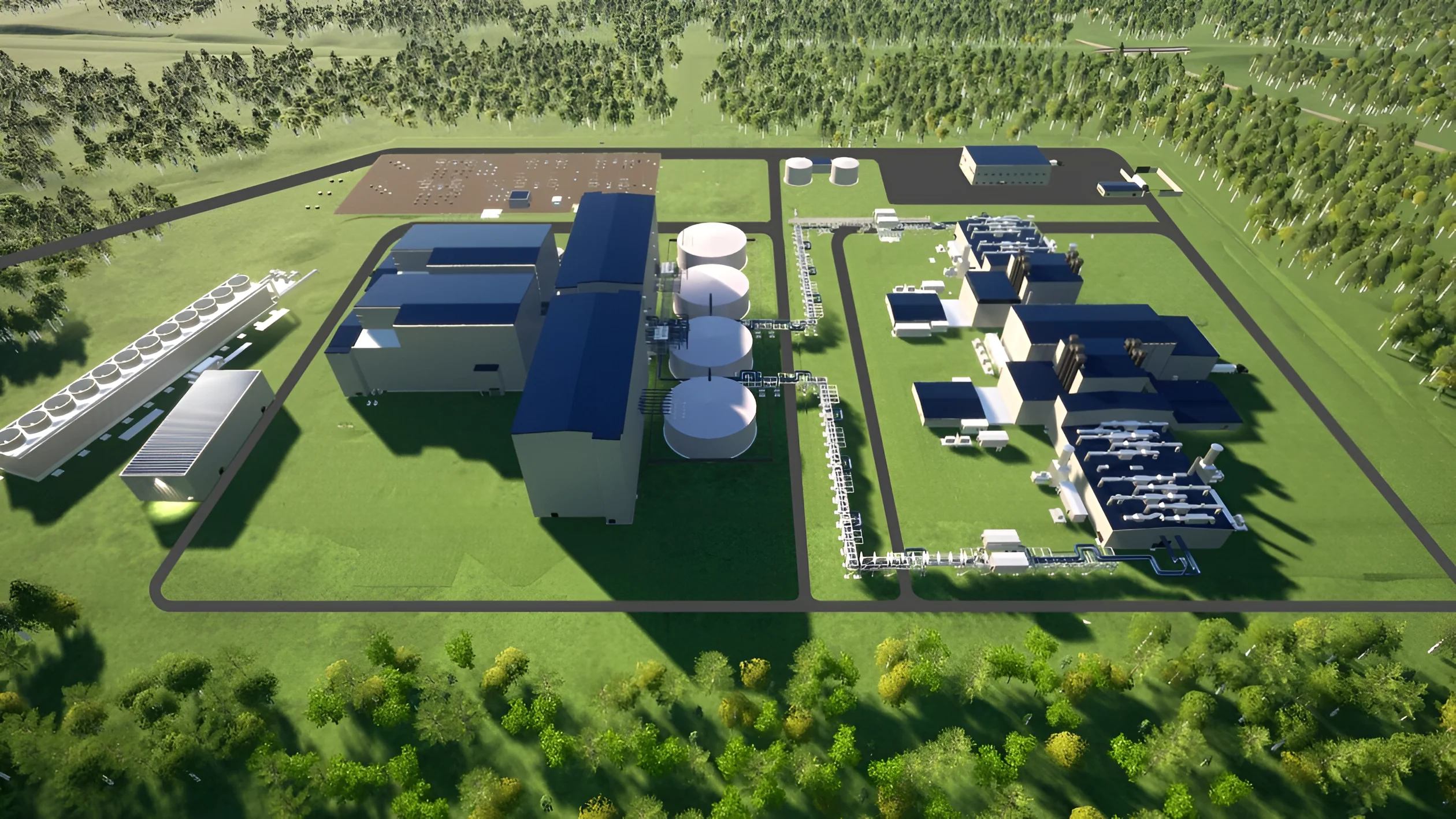
Meta has signed a commercial agreement with TerraPower to develop up to eight Natrium advanced nuclear reactors in the United States, targeting up to 2.8 gigawatts of firm, carbon-free baseload power for the company's growing AI and data center infrastructure. The agreement funds the early development of two initial units and gives Meta options on six additional reactors, with first delivery targeted as early as 2032.
What the Commercial Agreement Actually Commits To
The deal has two distinct layers. The immediate agreement covers the early development of a dual-unit Natrium installation — two reactors operating together — and is funded now. Meta also holds contractual rights to energy from up to six further units, though those depend on the first phase proceeding and on a site being identified in the coming months. No location for the initial installation has been announced.
The agreement emerged from Meta's nuclear Request for Proposals process, which the company ran to identify technology capable of delivering reliable, scalable, clean power at the scale its AI infrastructure requires. TerraPower was selected from that competitive process.
The four headline numbers from the deal — eight reactors, 2.8 GW of baseload, 4 GW of dispatchable peak capacity, and a 2032 target for first delivery — are the figures that matter most for assessing what this agreement actually delivers and where uncertainty remains.
How the Natrium Design Changes the Capacity Equation for Data Centers
Each Natrium unit is a sodium-cooled fast reactor rated at 345 MW of continuous baseload output. What distinguishes it from conventional nuclear designs is the integrated molten salt energy storage system, which allows each unit to temporarily boost its electrical output to 500 MW for periods exceeding five hours. That dispatchability — the ability to ramp up on demand — is a feature most baseload generation cannot offer.
For data centers, the operational implication is concrete. A single reactor can hold 345 MW of firm power as a guaranteed floor and surge to 500 MW during peak compute loads without calling on the grid or gas peaking plants. Two units operating together, the configuration that makes up the initial installation, provide 690 MW of firm baseload and up to 1 GW of dispatchable electricity. Scaling to eight units reaches 2.8 GW firm and up to 4 GW dispatchable — the full envelope of the Meta agreement.
The distinction between firm baseload and peak capacity matters for how AI infrastructure operators plan their power contracts. Carbon-free baseload guarantees continuous availability. Dispatchable peak capacity eliminates the need for separate peak-demand arrangements. The Natrium design collapses both into a single asset.
The chart below shows the four capacity configurations directly derivable from the deal's published unit specifications.
Where the Deployment Path Stands and What Remains Unresolved
The regulatory and construction context for this agreement is more advanced than most advanced nuclear announcements. TerraPower is already building its first commercial-scale Natrium plant in Kemmerer, Wyoming, with completion expected in 2030. That project matters because it is the live construction reference for the technology Meta is contracting — not a paper design.
On the regulatory side, the Natrium design has completed its environmental impact statement, and a final safety review by the U.S. Nuclear Regulatory Commission is pending. According to TerraPower, Natrium is currently the only commercial advanced nuclear technology that has reached this regulatory stage. That does not mean NRC approval is guaranteed, but it does mean the design has cleared more of the licensing process than most competitors.
What is not resolved is the location of the initial dual-unit installation for Meta. TerraPower and Meta have stated that the specific site will be identified in the coming months. Site selection for nuclear plants involves grid interconnection studies, water availability assessments, state regulatory approvals, and local permitting — processes that take time and carry their own uncertainties. The 2032 delivery target for first power is described as the earliest possible date, not a contractual delivery deadline.
The timeline below shows the key milestones from the current Kemmerer construction through the full build-out envelope of the Meta agreement.
The Kemmerer plant represents the only Natrium unit currently under active construction, and its 2030 completion will be the first real-world validation of both the reactor's operational performance and the molten salt storage system's grid behavior. That outcome will carry weight when TerraPower and Meta finalize site selection and begin detailed engineering for the initial Meta installation.
The agreement is structured so that the early development funding flows now, which is meaningful: it keeps engineering, site analysis, and regulatory preparation work moving before the Kemmerer plant has completed. Whether the 2032 target holds will depend on NRC final safety review timing, how quickly a suitable site can be identified and permitted, and how the Kemmerer construction progresses between now and 2030.
Why Japan Is Losing the AI Race It Helped Create
From language tokenization barriers to corporate risk aversion and venture capital gaps, this explainer breaks down why Japan's AI position lags the US and China.

AI and Chip Stocks Tumble as Rate Fears Spread Worldwide
A sharp AI and chip-stock selloff spread from South Korea to Wall Street this week, dragging down Nvidia, Micron, Qualcomm and SpaceX shares.
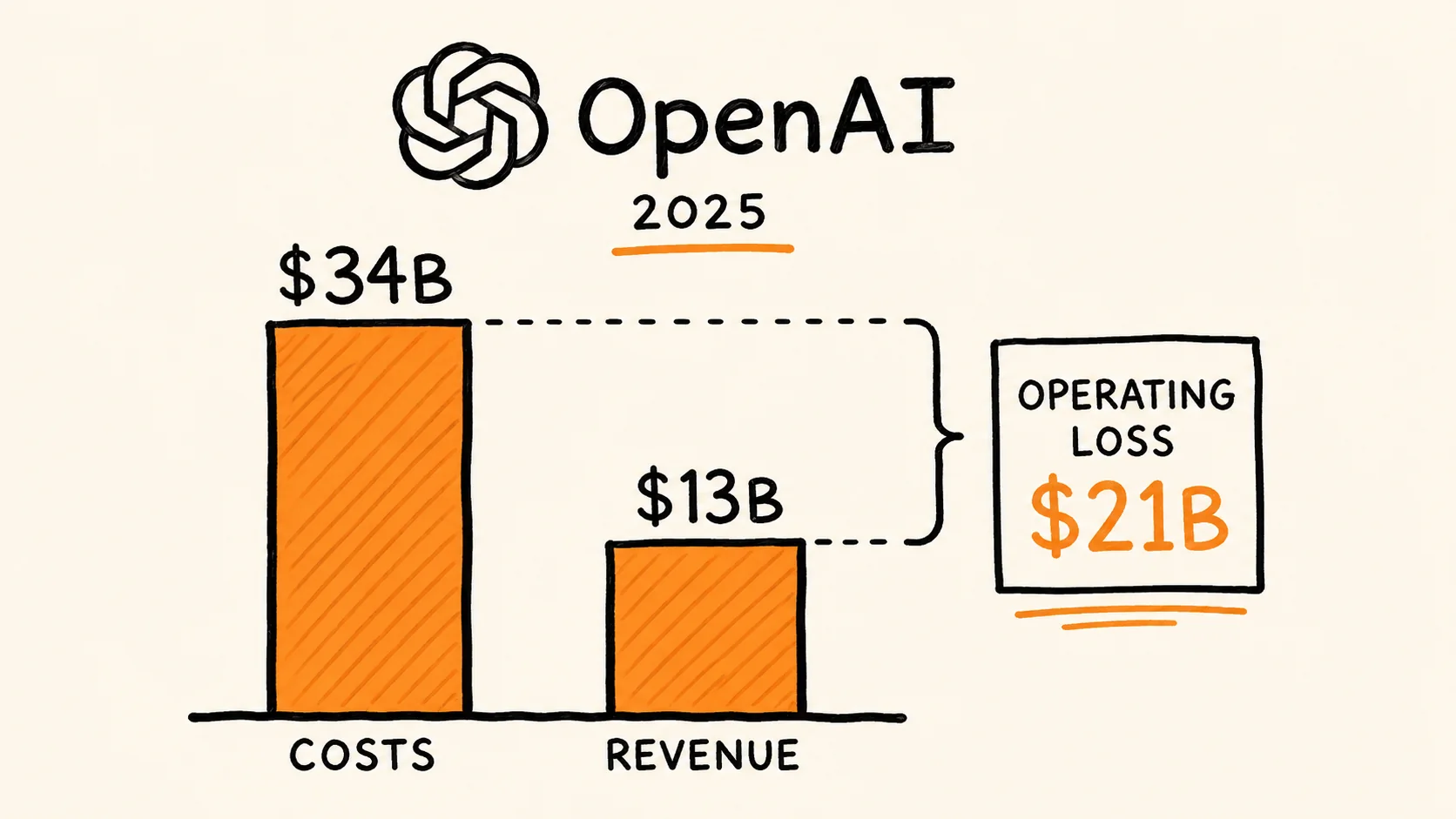
The AI Subsidy Era Is Ending — and Enterprise Buyers Are Getting the Bill
A data-grounded analysis of the AI subsidy model's structural unsustainability, OpenAI's 2025 financial losses, and the 2026 pivot to token-based pricing that is already shocking enterprise customers.
Ten Years After the Vote, Britain's Economic Case for Brexit Has Collapsed
New economic research and polling mark Brexit's 10th anniversary with falling GDP, investment, and productivity, and a British public favoring closer EU ties.
Comments (0)
Please sign in to join the discussion.
No comments yet.
Be the first to share your perspective on this topic.