
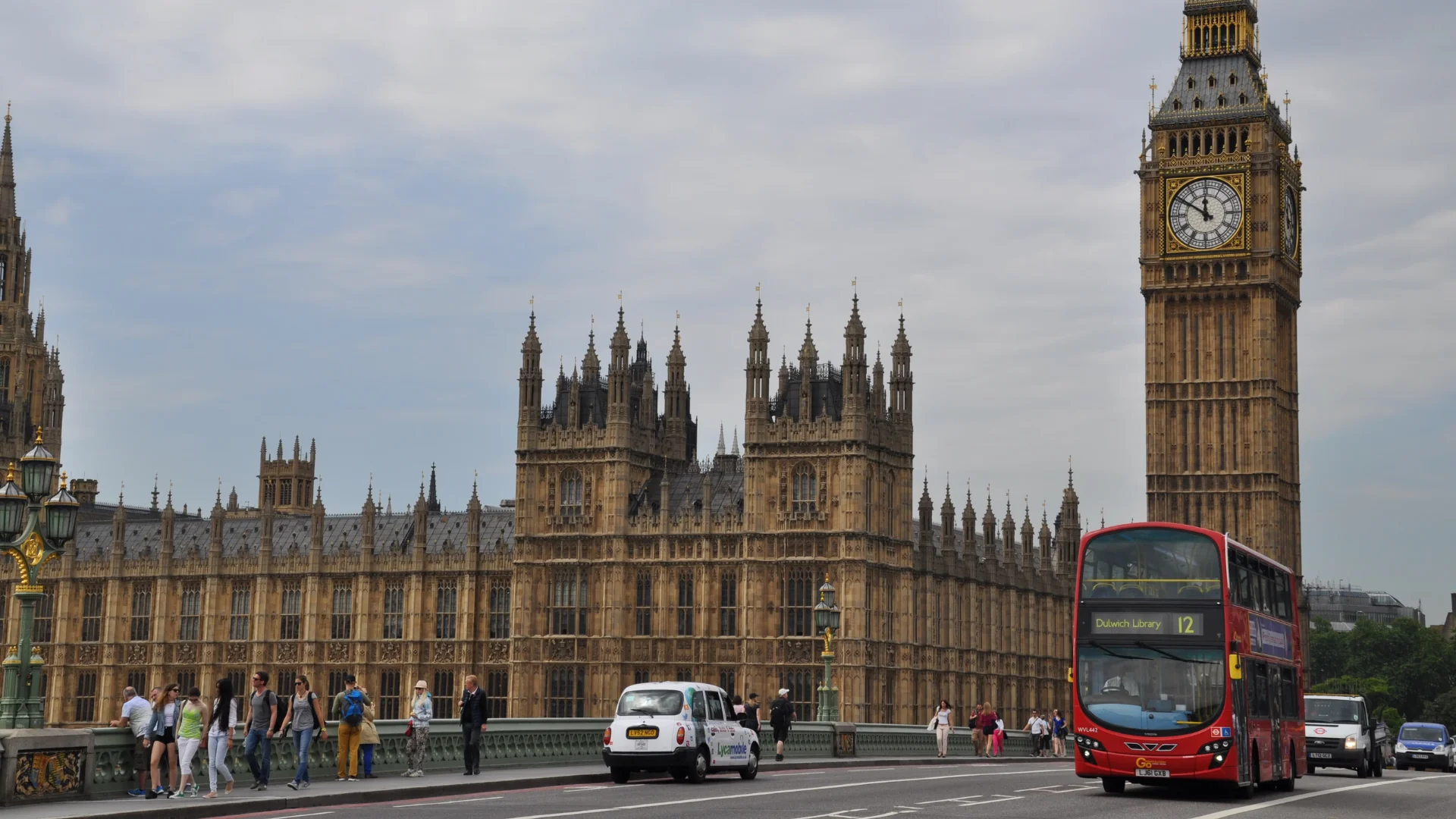
Ten years after Britain voted to leave the European Union, a new economic comparison puts a number on what the country gave up, and fresh polling shows a public that has largely stopped believing the trade-off was worth it.
A Cross-Country Study Puts a Number on the Cost
June 22, 2026 marks ten years since the 2016 referendum, and the anniversary arrives alongside a new attempt to measure what leaving actually cost. Researchers from the US, UK, and Germany, working under the National Bureau of Economic Research, compared the UK's economic trajectory against 33 peer nations that did not leave the bloc. Their conclusion: Brexit has reduced Britain's GDP by 6% to 8%, cut overall investment by 12% to 13%, and lowered economic productivity by 3% to 4%, relative to where the UK would likely stand had it remained inside the EU.
Those figures are modeled estimates, not a direct before-and-after measurement of one economy. The method works by tracking how similar countries performed over the same decade and treating the gap between the UK and that peer group as the Brexit effect. That approach carries its own uncertainty, which is why the study presents ranges rather than single figures. Still, the consistency of the gap across GDP, investment, and productivity is notable, since each measure points the same direction and by a comparable order of magnitude.
That pattern shows up directly in trade and manufacturing. Exporters on both sides of the original 2016 divide now describe persistent customs friction, added paperwork, and supply-chain delays as a routine cost of doing business with the EU. Leaders in sectors such as motor vehicle manufacturing and prefabricated steel structures point out that individual firms can still land global contracts, but the broader economy has absorbed what several describe as a structural "loss of wealth and prosperity." One assessment of the anniversary frames this as a shared frustration that now spans both former Leave and Remain camps in business circles, a convergence that did not exist in 2016.
The Public Has Reached Its Own Verdict
Where the NBER study measures the economy, a separate poll measures how people feel about it, and the two converge. The European Council on Foreign Relations surveyed British voters between May 7 and 14, 2026, and found that roughly two-thirds now believe leaving the EU has hurt the country. Specifically, 66% blame Brexit for driving up the cost of living and harming the broader economy, 57% say it diminished opportunities for young people, 57% call the original decision to leave "wrong," and 56% say the post-Brexit approach to migration and trade red tape has failed.
These are attitudes, not economic measurements, and they should be read that way. A decade of inflation, slow wage growth, and global shocks like energy prices has shaped how people assign blame, and the poll cannot isolate Brexit's share of that experience the way the NBER comparison attempts to. What the numbers do show clearly is a shift in mood: the 2016 vote split the country close to evenly, and ten years on, a clear majority now describes that decision in negative terms. Reporting on the poll describes this as a level of buyer's remorse that has not been visible at this scale before.
A Decade On, the Pull Is Back Toward Europe
The clearest sign of how far sentiment has moved is not the rear-view criticism of the 2016 decision but where the public now wants to go. The same ECFR research finds that 75% of Britons favor closer ties with the EU, with a majority open to reinstating freedom of movement in exchange for a closer trading relationship — a trade-off that would have been politically unthinkable in the years immediately following the referendum. Security alignment is shifting in parallel: only 18% of Britons currently view the United States as a reliable ally, a marked move toward favoring Europe as the preferred security partner instead.
That realignment is not one-sided. A parallel ECFR poll across 15 EU member states finds that two-thirds of European respondents would support Britain rejoining the bloc in the future. One opinion piece marking the anniversary frames this mutual drift as evidence that the "Global Britain" framing of 2016, built on deregulation and distance from Brussels, has given way to a public on both sides of the Channel that now sees closer integration as the more practical path. Separate reporting on the anniversary notes that none of this amounts to a near-term reversal — there is no mechanism on the table for rejoining — but it does mark a clear change in the political ceiling for closer UK-EU cooperation.
Ten years removed from the vote, the gap between what Brexit promised and what the data and the public now describe has become difficult to ignore. The economic case rests on modeled estimates rather than a single clean measurement, and the polling reflects sentiment shaped by a decade of pressures beyond Brexit alone. But the direction of both is the same, and the public's appetite has moved with it — back toward the relationship it voted to leave.
Europe's Debt Pile Is Nearing €1 Trillion. It's Still Not a Safe Asset
EU bonds are AAA-rated and near €1 trillion, but a 50-basis-point spread over German Bunds explains why a true European safe asset still doesn't exist.

UOB Sells UOBAM to Allianz Global Investors for S$555 Million
UOB Group has agreed to sell UOB Asset Management to Allianz Global Investors for S$555 million while keeping a long-term distribution tie for wealth clients.

US Economy Grows a Sluggish 1.5% in Q2 as Inflation Stays Stuck Near 3.7%
Commerce Department data show Q2 GDP grew 1.5%, below forecasts, as PCE inflation eased to 3.7% and three Fed officials pushed for a rate hike.
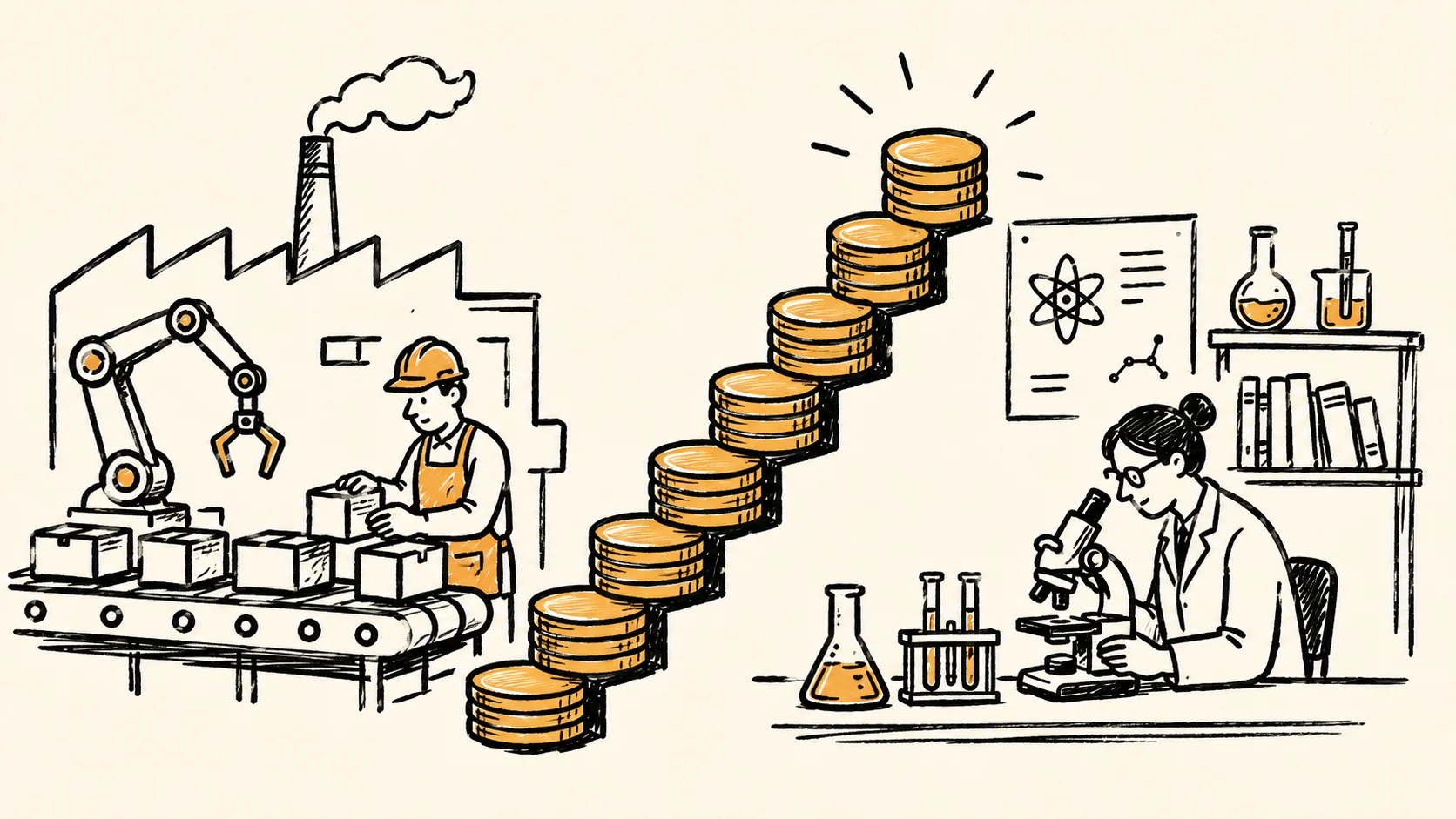
The Middle-Income Trap, Explained: Why Only 34 Economies Have Escaped Since the 1990s
108 economies are stuck in the "middle-income trap," per the World Bank. Here's what the trap is, how South Korea escaped it, and what's holding Vietnam back.
Comments (0)
Please sign in to join the discussion.
No comments yet.
Be the first to share your perspective on this topic.