

The US economy expanded at an annualized 1.5% pace in the second quarter, decelerating from 2.1% growth at the start of the year and missing Wall Street's forecasts, as an oil-driven inflation spike tied to the Iran war worked through the data even as consumer spending held up.
The Import Surge and Government Pullback That Cut GDP Growth Almost in Half
The Commerce Department's advance estimate, detailed in its GDP data release, showed real gross domestic product rising 1.5% in the April-through-June period, down from 2.1% in the first quarter and 0.5% in the final quarter of 2025. The deceleration mostly reflects arithmetic rather than a collapse in demand: a jump in government spending cuts and a widening trade gap subtracted from the headline number, while personal spending actually accelerated to a 2.1% pace after a weak 0.4% gain in the first quarter. A closely watched measure of underlying private demand, final sales to private domestic purchasers, posted a stronger 3.9% increase, suggesting the consumer side of the economy is not as weak as the topline print implies. Economists polled ahead of the release had penciled in growth closer to 2%, making this the second straight quarter that actual output has undershot expectations.
PCE Inflation Cooled to 3.7% in June, Still Nearly Double the Fed's Target
The same report showed the personal consumption expenditures price index, the gauge the Fed weighs most heavily, rose 3.7% in June from a year earlier, down from a 4.1% annual rate in May. Core PCE, which strips out food and energy, ticked down only slightly, to 3.3% from 3.4%. A separate government inflation measure cited in the government's account of how the economy performed during the Iran war put the broader annual inflation rate at 3.5%, underscoring that prices are running well above the Fed's 2% goal no matter which measure is used. The pressure traces back to a global oil shock: national gasoline prices climbed as high as $4.56 a gallon in May before easing after a preliminary peace agreement reached last month, a swing that is wrecking retirement math for near-retirees far more than the modest May-to-June improvement suggests.
Three Regional Fed Presidents Broke With Warsh's Rate-Hold a Day Before the GDP Data Landed
The GDP report landed less than 24 hours after the Federal Reserve, under new Chair Kevin Warsh, voted to hold its benchmark rate in a 3.50%-3.75% range for a fifth straight meeting. The decision was not unanimous: the Federal Open Market Committee voted 9-3, with Minneapolis Fed President Neel Kashkari, Cleveland Fed President Beth Hammack, and Dallas Fed President Lorie Logan all dissenting in favor of a rate increase, citing concerns that inflation is not falling fast enough. Logan's dissent is notable on its own — she has now broken publicly with the Fed's hold stance at a moment when Warsh is still establishing his own policy footing. Futures markets have since raised the odds of a rate hike at a coming meeting, a shift that carries its own risk: higher borrowing costs could slow the same consumer spending that is currently propping growth up.
A Rebounding Labor Market Is the Reason the Slowdown Isn't Worse
Hiring has held up better than many economists feared given the inflation shock. Employers have added an average of 92,000 jobs a month so far in 2026, a sharp turnaround from fewer than 10,000 jobs a month in 2025, when high interest rates and unpredictable tariff policy discouraged businesses from hiring. That rebound is a big reason consumer spending has kept accelerating even as prices stayed elevated, though the headline unemployment rate is still masking real softness underneath for workers whose hours or hiring prospects haven't followed the same trend. Thursday's release was the first of three Commerce Department estimates of second-quarter growth, meaning the 1.5% figure — like the underlying spending and inventory components behind it — is still subject to revision as more complete data comes in.
Taken together, the second-quarter data describe an economy absorbing an oil shock without stalling: growth slowed, inflation stayed uncomfortably high, and the Fed's newest chair is already facing dissent from within his own committee. The next Commerce Department revision, due in the coming weeks, will show whether the 1.5% print holds up — or whether the resilience in spending and hiring turns out to be doing more of the work than the headline number gives it credit for.
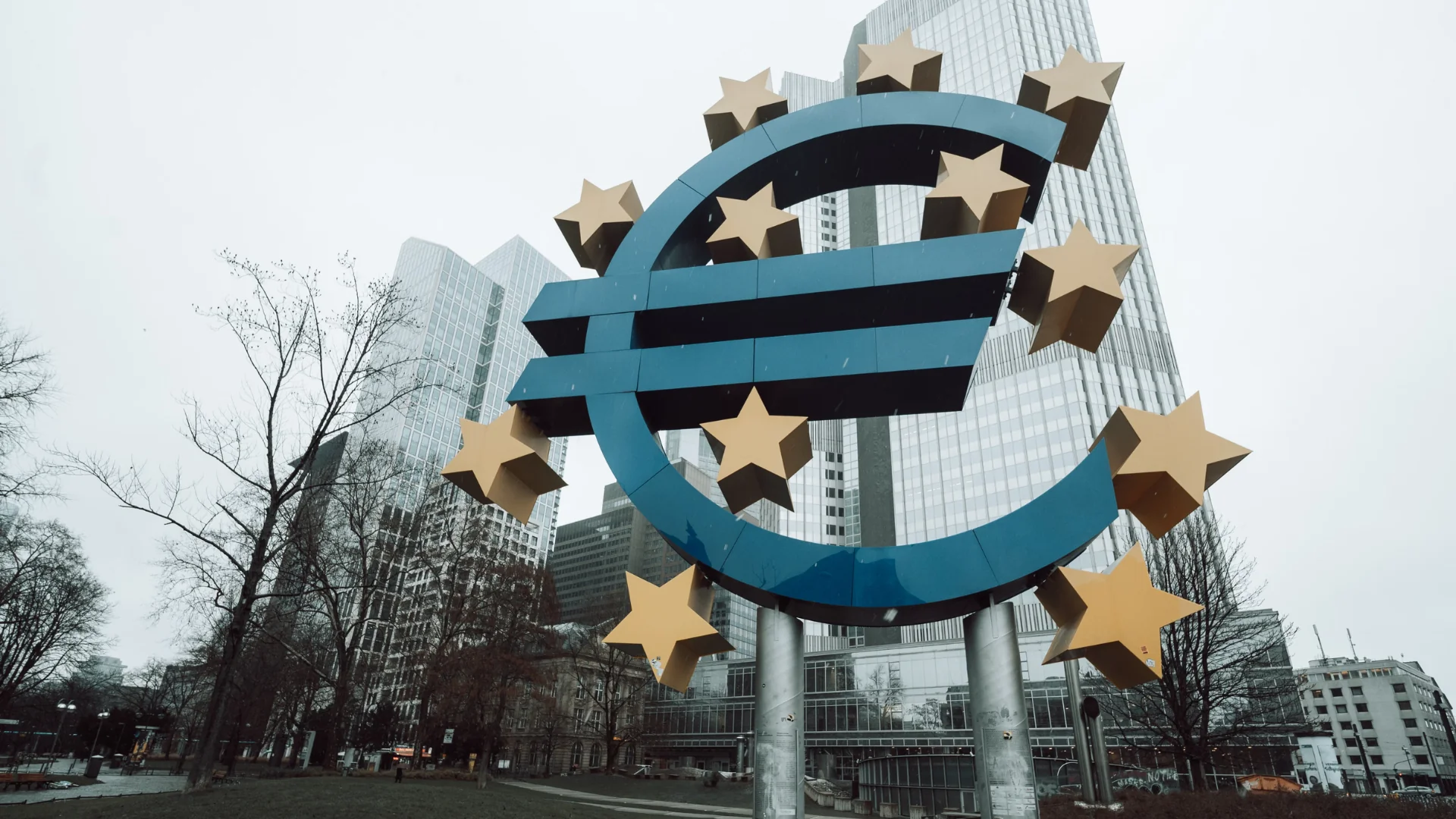
Europe's Debt Pile Is Nearing €1 Trillion. It's Still Not a Safe Asset
EU bonds are AAA-rated and near €1 trillion, but a 50-basis-point spread over German Bunds explains why a true European safe asset still doesn't exist.
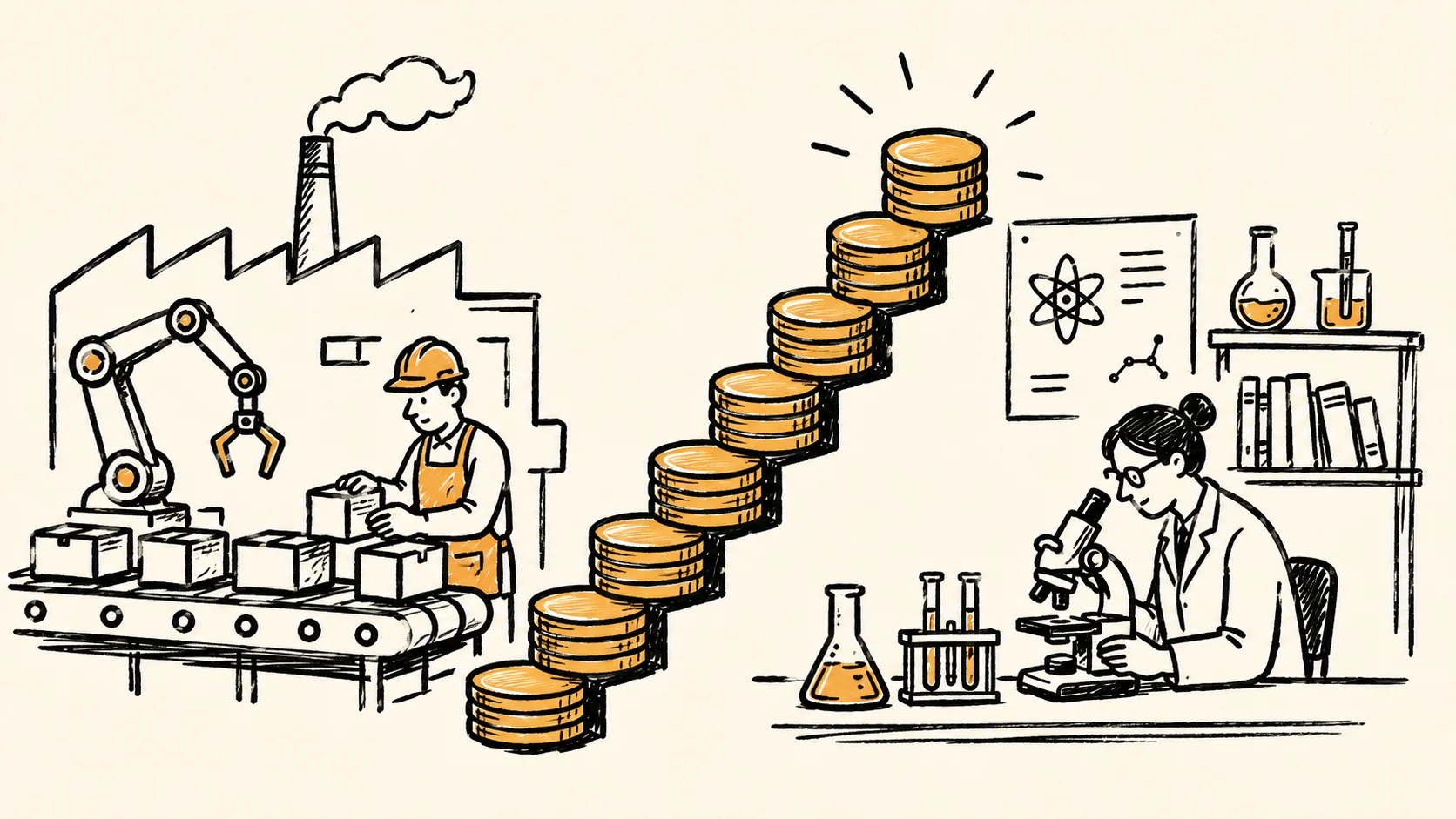
The Middle-Income Trap, Explained: Why Only 34 Economies Have Escaped Since the 1990s
108 economies are stuck in the "middle-income trap," per the World Bank. Here's what the trap is, how South Korea escaped it, and what's holding Vietnam back.

Trump's New 10%–12.5% Tariffs Take Effect on 60 Nations, Draw an Immediate Lawsuit
New Section 301 tariffs of 10%-12.5% hit 60 countries on July 24, replacing lapsed duties. Two small businesses sued hours later in U.S. trade court.
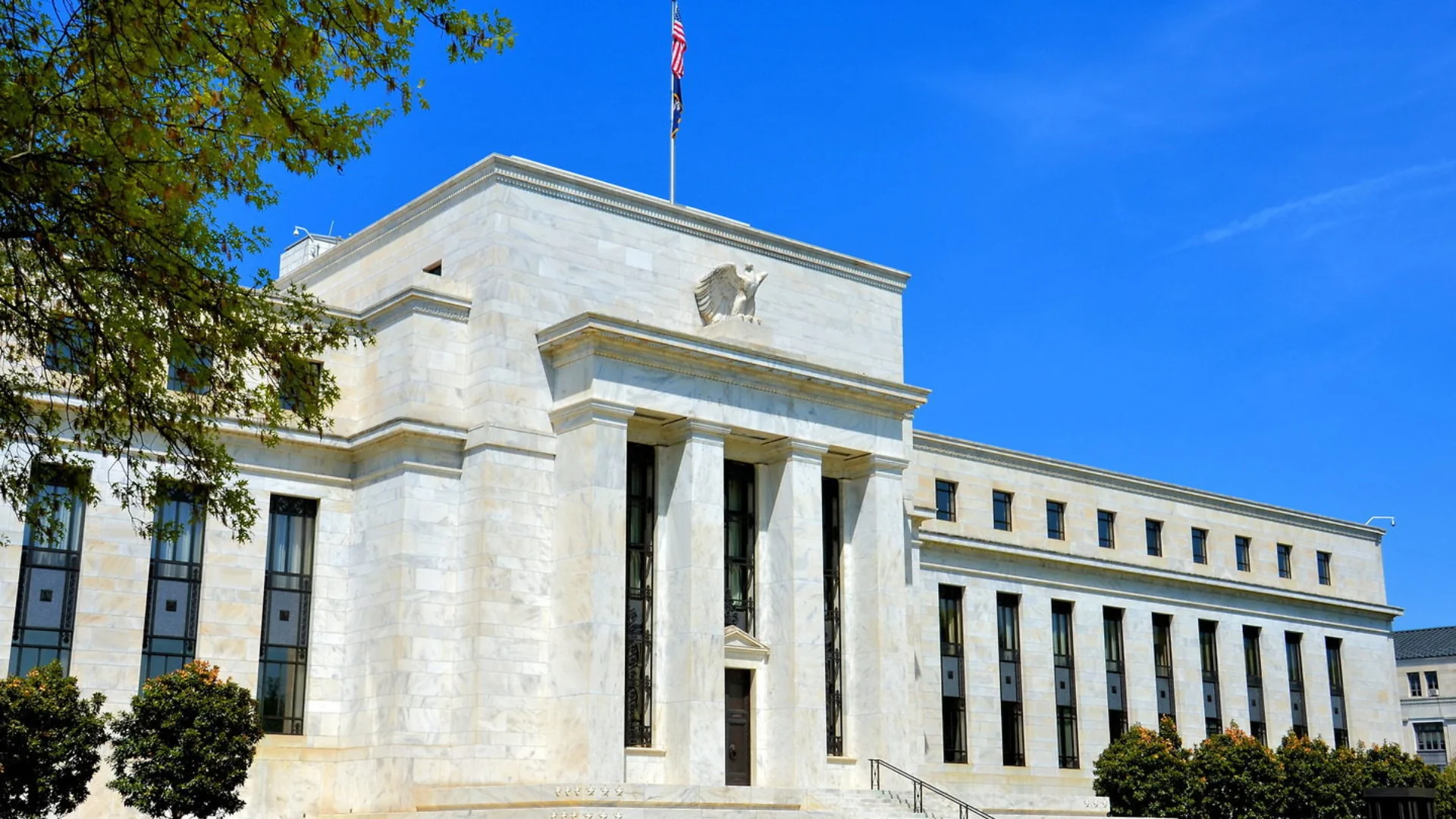
Inside the Fed's Growing Hawkish Camp as a July Rate Decision Looms
Dallas Fed's Logan is pushing for higher rates weeks after a weak June jobs report. Here's what's driving the split before the July 29-30 FOMC meeting.
Comments (0)
Please sign in to join the discussion.
No comments yet.
Be the first to share your perspective on this topic.