
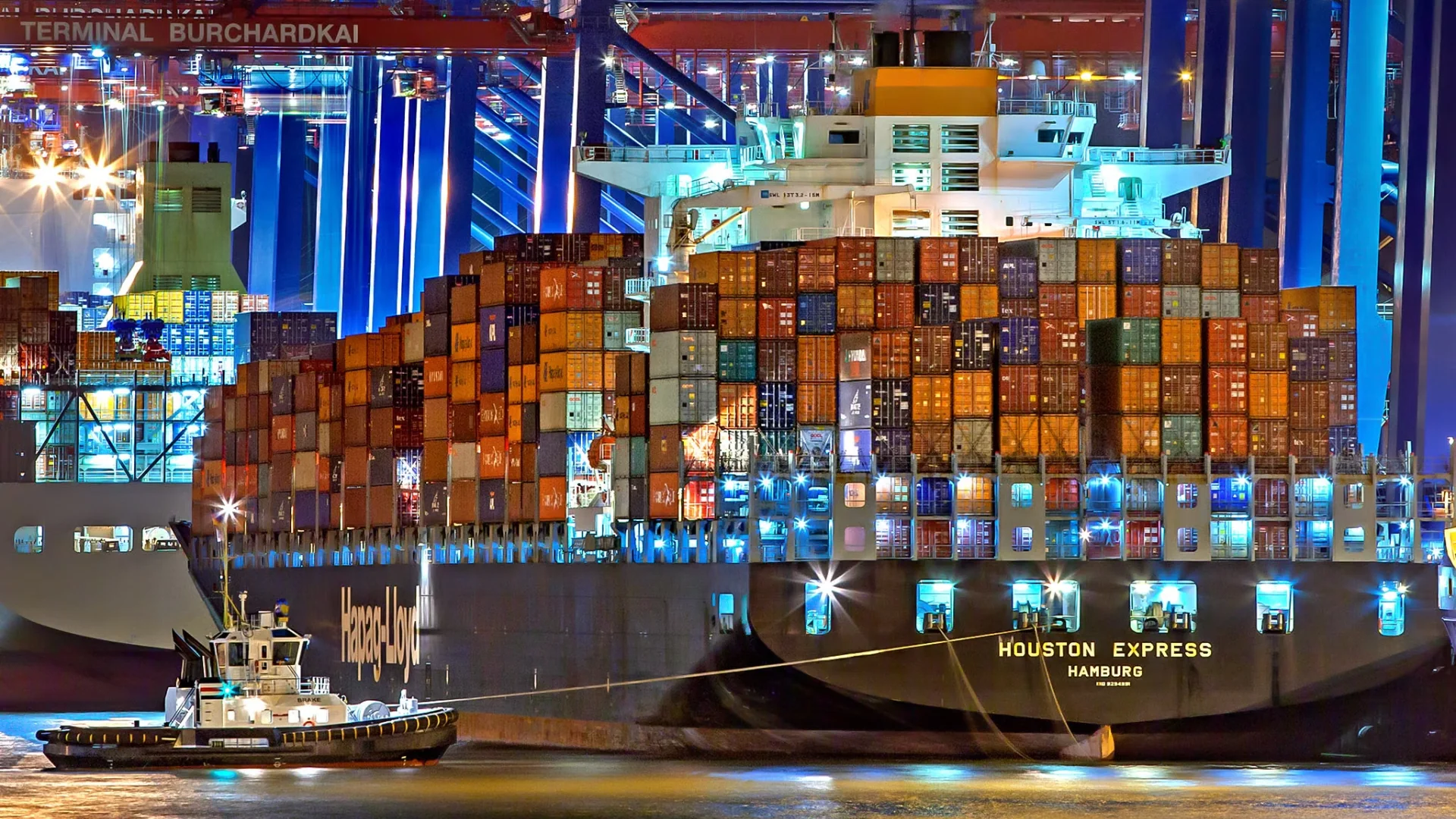
New Section 301 tariffs of 10% to 12.5% took effect on goods from 60 trading partners just after midnight on July 24, replacing a temporary levy that expired the same day. Within hours, two small businesses had sued to block them.
Section 301 Replaces Section 122 as the Legal Foundation for Trump's Tariffs
The duties, finalized by the Office of the U.S. Trade Representative on July 23, apply to countries USTR says have failed to adopt or enforce bans on goods made with forced labor. Nations with such laws on the books face a 10% rate; those without face 12.5%. Together the 60 covered economies account for about 99.4% of U.S. import value.
This is the third legal foundation Trump's tariff agenda has rested on in six months. The Supreme Court's February ruling in Learning Resources, Inc. v. Trump found that the International Emergency Economic Powers Act does not authorize the president to impose broad tariffs on his own authority, striking down the "Liberation Day" duties and forcing roughly $70 billion in refunds. The administration's stopgap response, a temporary 10% global tariff under Section 122 of the Trade Act of 1974, was itself ruled unlawful by the Court of International Trade in May, though it was allowed to remain in effect while under appeal. That levy expired on its statutory 150-day clock the same morning the new Section 301 duties began.
Liberty Justice Center and Learning Resources Challenge the New Duties in Trade Court
Two lawsuits arrived within hours of the tariffs taking effect, both filed in the Court of International Trade — the only venue empowered to hear the challenge. The first, brought by the Liberty Justice Center on behalf of two small businesses, is led by the same legal team that won the Supreme Court's IEEPA case in February. Its central argument is that Section 301 has historically required country-specific findings of unfair trade practice and was never meant as a blanket substitute for the invalidated IEEPA regime across 60 economies at once.
A second suit, Learning Resources, Inc. v. United States, raises similar statutory and constitutional questions but does not invoke the major-questions doctrine and does not seek class-action status. Legal experts are divided on the outcome. Unlike IEEPA, Section 301 has a long track record of surviving court challenges, including Trump's first-term tariffs on Chinese goods — but it has never before been stretched across dozens of countries simultaneously, which is the novel legal question now before the CIT.
Carve-Outs Leave the New Tariffs Narrower Than Their IEEPA-Era Predecessor
Unlike the sweeping duties the Supreme Court struck down, the Section 301 tariffs arrive with a substantially longer exemption list. Goods entered duty-free under the USMCA from Canada and Mexico, and CAFTA-DR textile and apparel goods from six Central American and Caribbean nations, are fully excluded. Products already carrying separate national-security tariffs — steel, aluminum, autos and auto parts — are also spared, along with oil, fertilizer and select agricultural and energy goods. USTR expanded the exemption list by 471 HTSUS subheadings after public comment, covering raw materials and supply-chain-critical goods that cannot be sourced domestically in sufficient volume, and importers have until July 28 to clear in-transit shipments under the old rules.
The narrower base shows up in the government's own revenue math. The Committee for a Responsible Federal Budget estimates Trump's current run of tariff actions — the new 60-country duties, a separate Brazil tariff, and a proposed Canada tariff — would raise roughly $950 billion through 2036, compared with about $1.7 trillion projected from the broader emergency tariffs the courts invalidated. The Tax Policy Center, measuring only the July 23 forced-labor action on its own, separately estimates that piece would raise about $581 billion over the same period — a smaller, differently scoped figure that isn't directly comparable to CRFB's multi-action total. Either way, customs duties have already raised about $163 billion in the current fiscal year through June, and tariff-driven inflation is already running at its fastest pace since 2022, a reminder that narrower coverage does not mean the costs already embedded in the system have gone away.
Pending Section 301 Probes Into the EU and Canada Signal More Duties Are Coming
The July 24 tariffs may not be the administration's last word this year. Hours after they took effect, Trump said on Truth Social that the administration would open a new Section 301 investigation into the European Union over its treatment of major U.S. tech companies, citing EU fines against American firms as discriminatory. Separately, the administration had already announced on July 21 a 50% tariff on certain Canadian goods, set to take effect the following month under a provision of the Smoot-Hawley Trade Act that no prior administration has invoked. A third, still-pending USTR investigation is examining "excess capacity" in manufacturing across 16 of the largest U.S. trading partners; any resulting duties would stack on top of what is already in place.
Whether any of that materializes at scale depends heavily on how the CIT rules on the lawsuits already filed. Because the July 24 duties are Trump's third attempt to rebuild a comprehensive tariff wall after two earlier ones were struck down, the near-term path runs through the same court that has already ruled against two of his prior tariff programs this year.
For now, the practical reality for importers and shoppers is continuity rather than a sharp new shock: the July 24 rates largely mirror the Section 122 duties they replace, so prices are not expected to jump on this action alone. What changes is durability. Section 301 has survived legal challenges before in narrower applications, and if the CIT lets it stand at this scale, it becomes the framework the administration can keep building on — through the EU probe, the Canada tariff, and the excess-capacity investigation — for the rest of Trump's term.
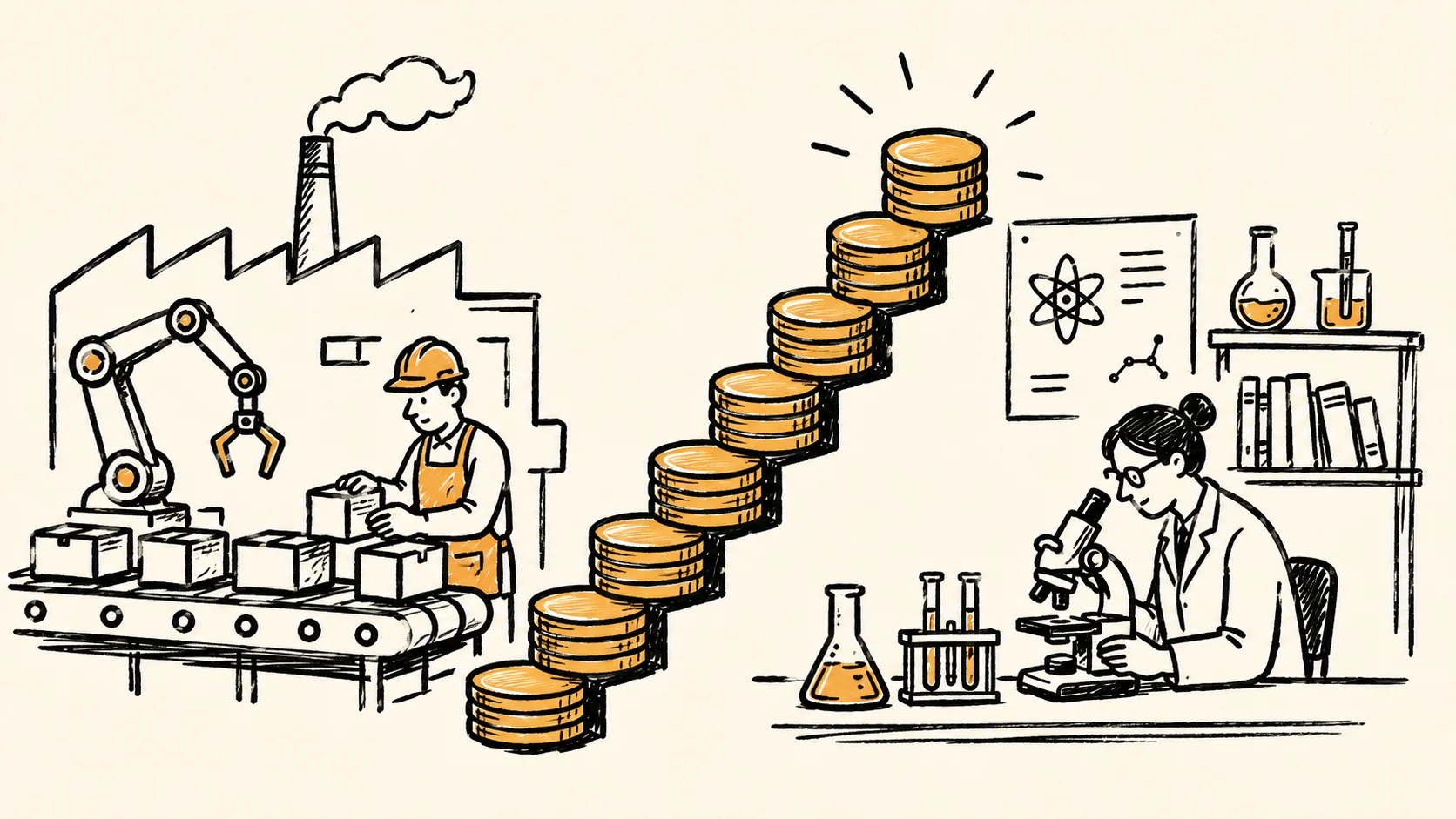
The Middle-Income Trap, Explained: Why Only 34 Economies Have Escaped Since the 1990s
108 economies are stuck in the "middle-income trap," per the World Bank. Here's what the trap is, how South Korea escaped it, and what's holding Vietnam back.
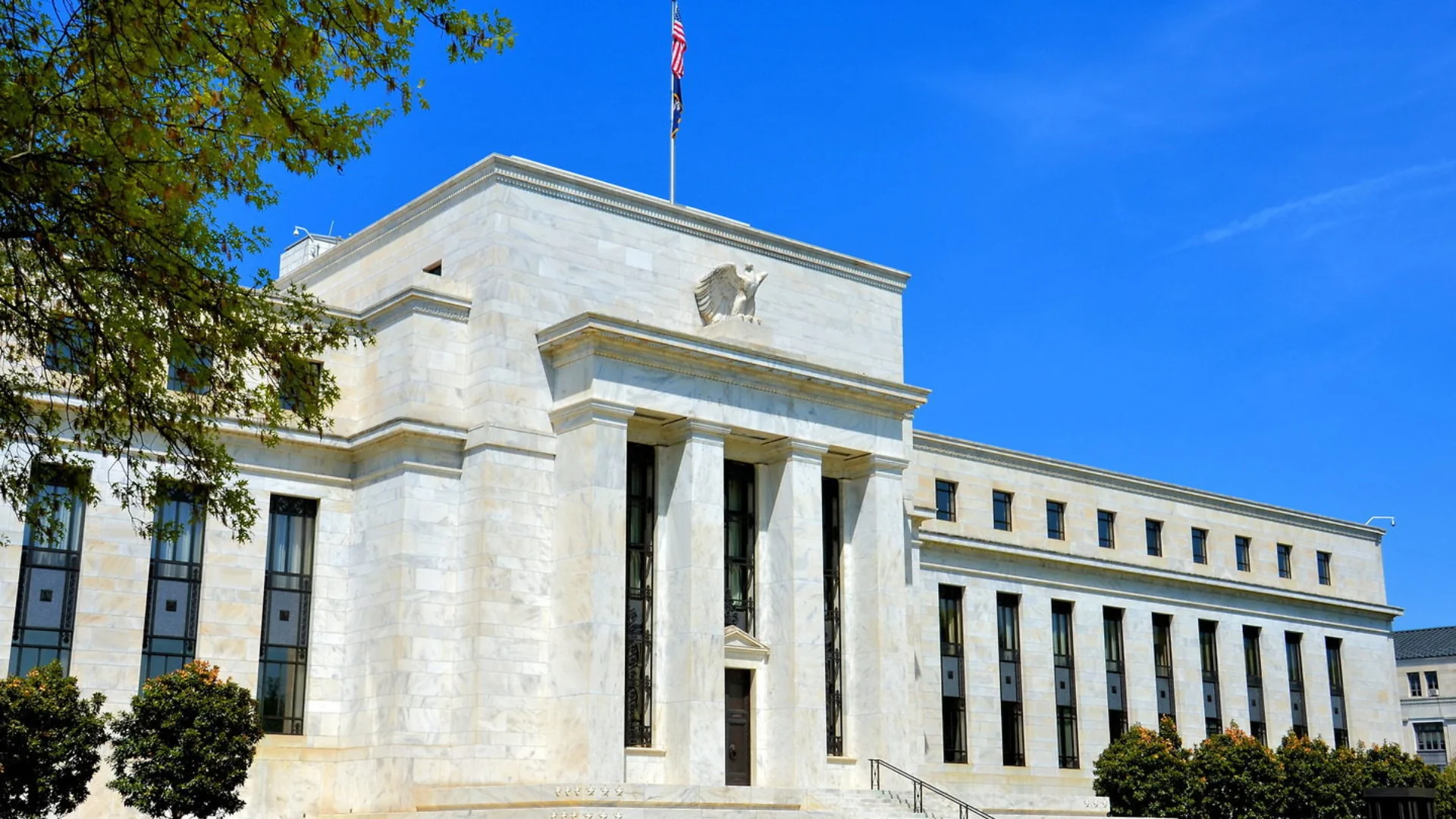
Inside the Fed's Growing Hawkish Camp as a July Rate Decision Looms
Dallas Fed's Logan is pushing for higher rates weeks after a weak June jobs report. Here's what's driving the split before the July 29-30 FOMC meeting.
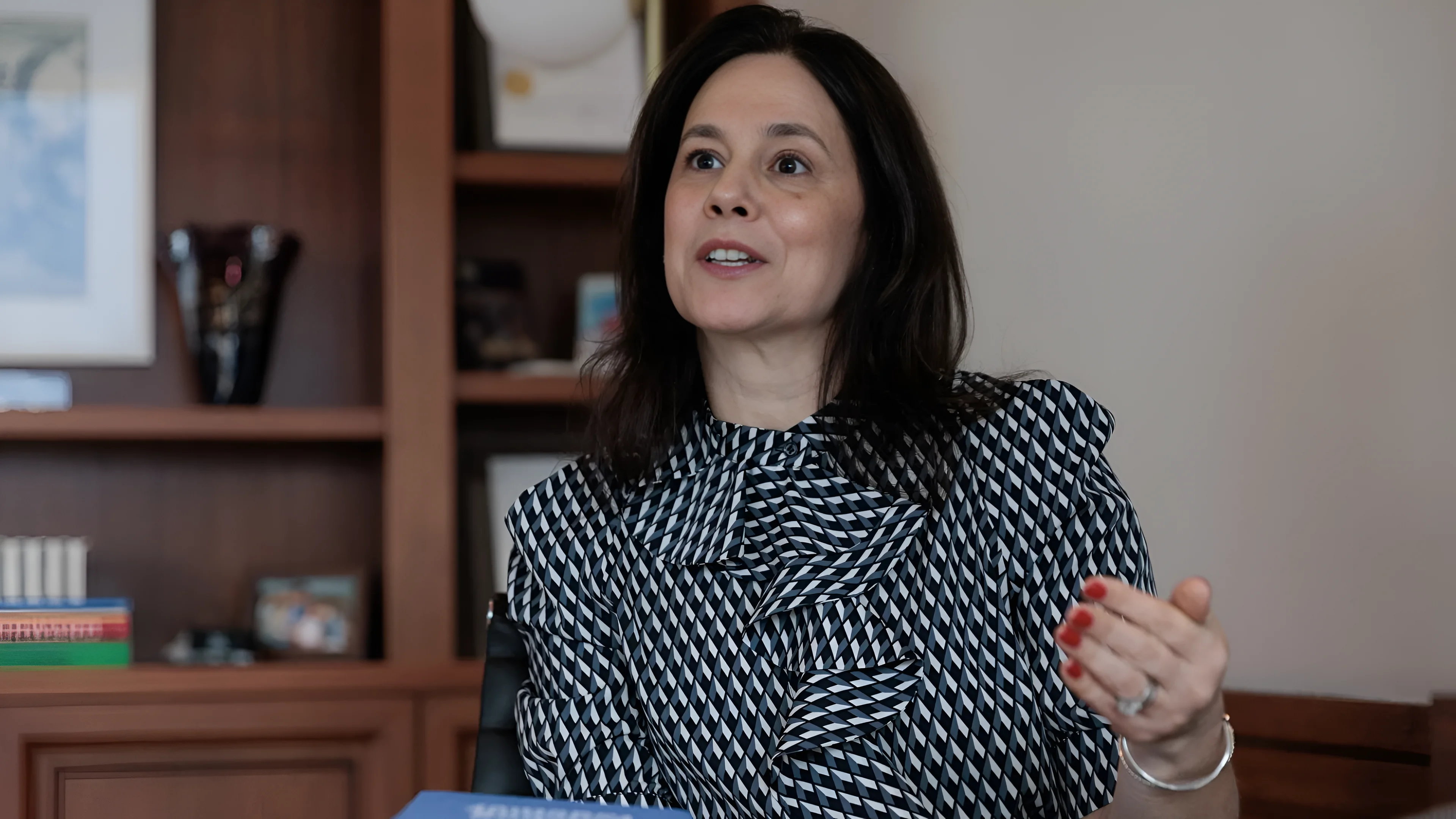
Dallas Fed's Lorie Logan Becomes First Official to Call for a Rate Hike Under Warsh
Dallas Fed's Lorie Logan cites 3.4% core inflation and AI-driven demand to back a hike, splitting the FOMC ahead of its July 28–29 meeting.
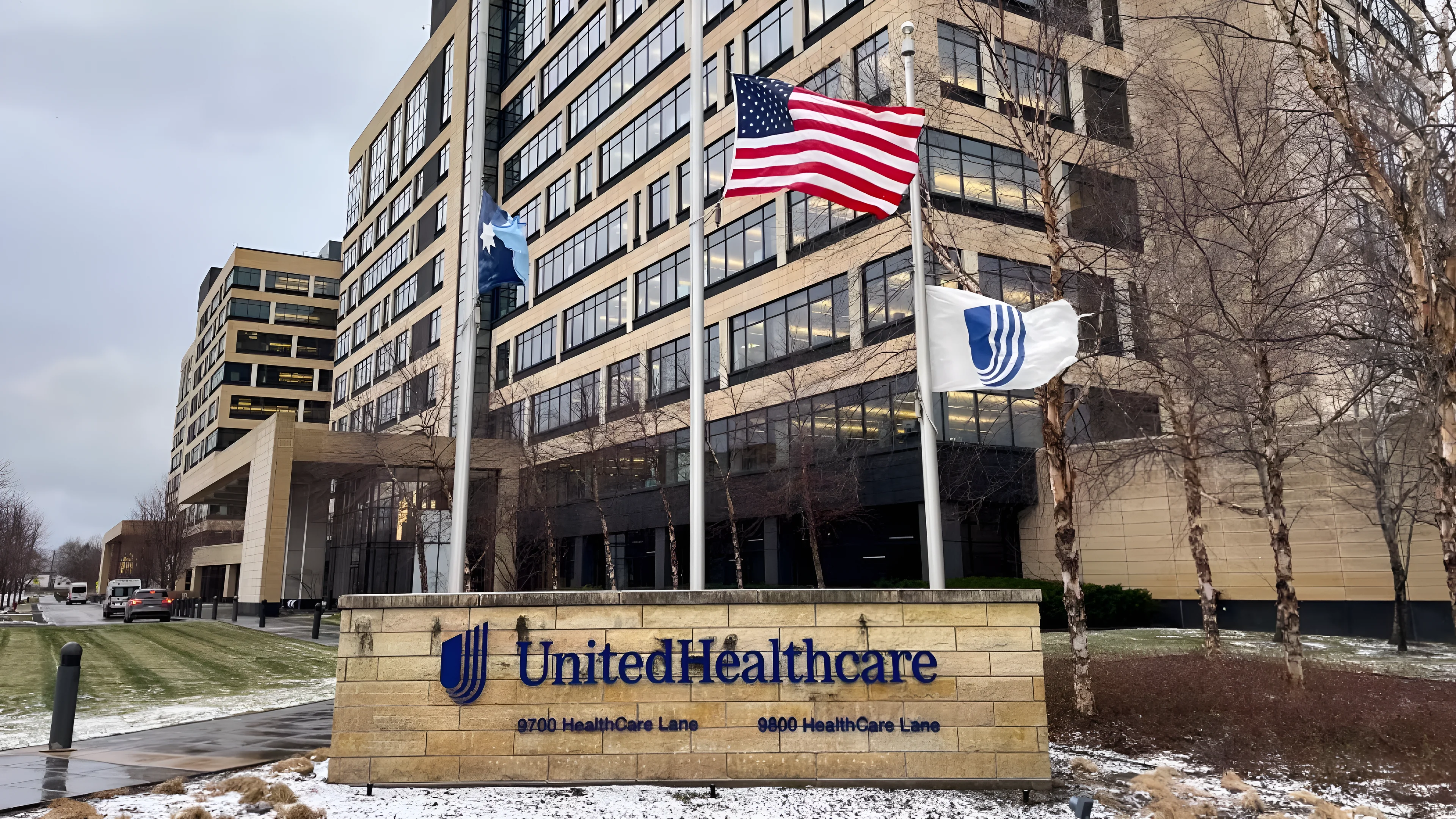
UnitedHealth's Adjusted EPS of $6.38 Beats Estimates by 30% as It Sheds Members for Margin
UnitedHealth posted $6.38 adjusted EPS in Q2 2026, beating estimates by 30%, as medical costs eased to 86.7% and full-year guidance rose to $19.50–$20.00.
Comments (0)
Please sign in to join the discussion.
No comments yet.
Be the first to share your perspective on this topic.