
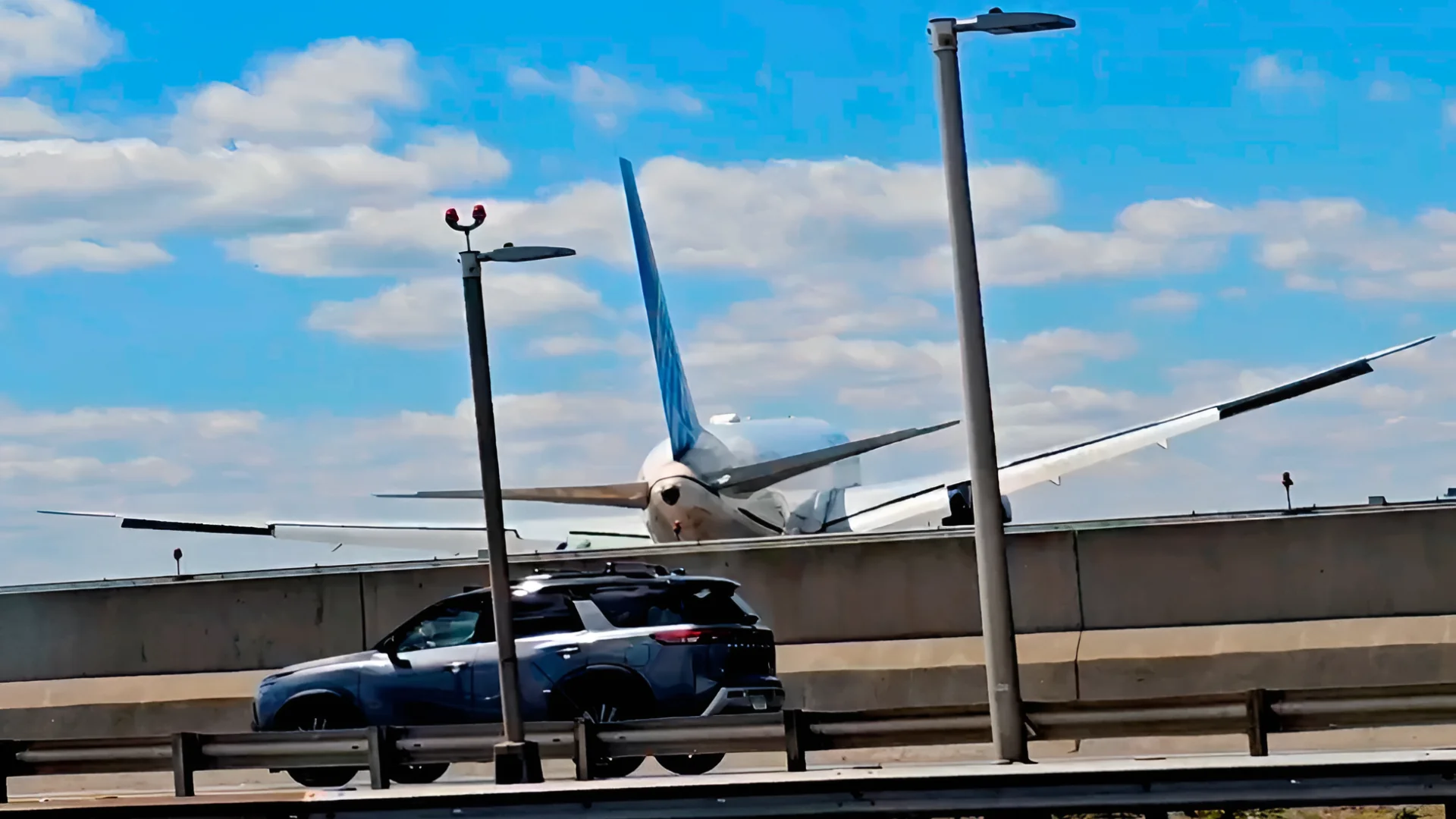
On May 3, 2026, a Boeing 767 on approach to Newark Liberty International Airport clipped a light pole roughly 15 feet above the New Jersey Turnpike, sending the pole onto a bakery delivery truck below. A federal safety report released June 4 details the sequence of events that brought the aircraft that low.
The Cockpit in the Final Minutes of Approach
The NTSB report shows the captain was flying the plane manually during the approach from Venice, Italy. Before the aircraft struck the pole, the first officer issued a direct warning: "You are still slow and a little low." The captain reported hearing a "thump" shortly before touchdown — consistent with the moment of pole contact. All 230-plus passengers and crew deplaned normally without onboard injuries, but the Boeing 767 sustained what the NTSB classified as substantial damage, including a significant gash in the fuselage. The aircraft has not flown since.
The timeline below traces the approach sequence as described in the NTSB's initial findings.
Why the Aircraft Was Low: Compounding Factors on Final Approach
The NTSB report does not yet assign probable cause — that determination comes at the end of a full investigation — but the initial findings identify several converging pressures that preceded the low approach. Controllers gave the crew multiple runway changes within a short time window, and the final assignment directed them to Newark's shortest runway. The crew was simultaneously contending with strong winds. The captain was hand-flying rather than using automated flight guidance for the descent, a workload context that the NTSB noted in its findings.
Manual approaches under time-compressed conditions are not inherently unsafe, but they require the crew to manage energy state — airspeed and altitude — without the buffering effect of automated systems. When the first officer flagged that the aircraft was slow and low simultaneously, the crew had little margin for correction before the threshold. The chart below maps how these factors connected.
The Damage on the Ground and in the Air
The light pole, after being struck by the Boeing 767's fuselage, fell onto a bakery delivery truck traveling on the New Jersey Turnpike, injuring the driver. No passengers or crew aboard the aircraft were hurt. The 767 itself suffered what the NTSB described as substantial damage, with a visible gash in the fuselage side. The aircraft has remained grounded since the May 3 incident. The four key figures from the event are summarized below.
The NTSB's June 4 release covers initial findings only. A final report with probable cause and any safety recommendations will follow once the full investigation concludes. The agency has not yet published a timeline for that determination.

Disneyland Shuts Six Attractions as Its 70th Anniversary Winds Down
A guide to which Disneyland attractions close, reopen, or run reduced hours in August 2026 as the resort's 70th anniversary celebration wraps up.
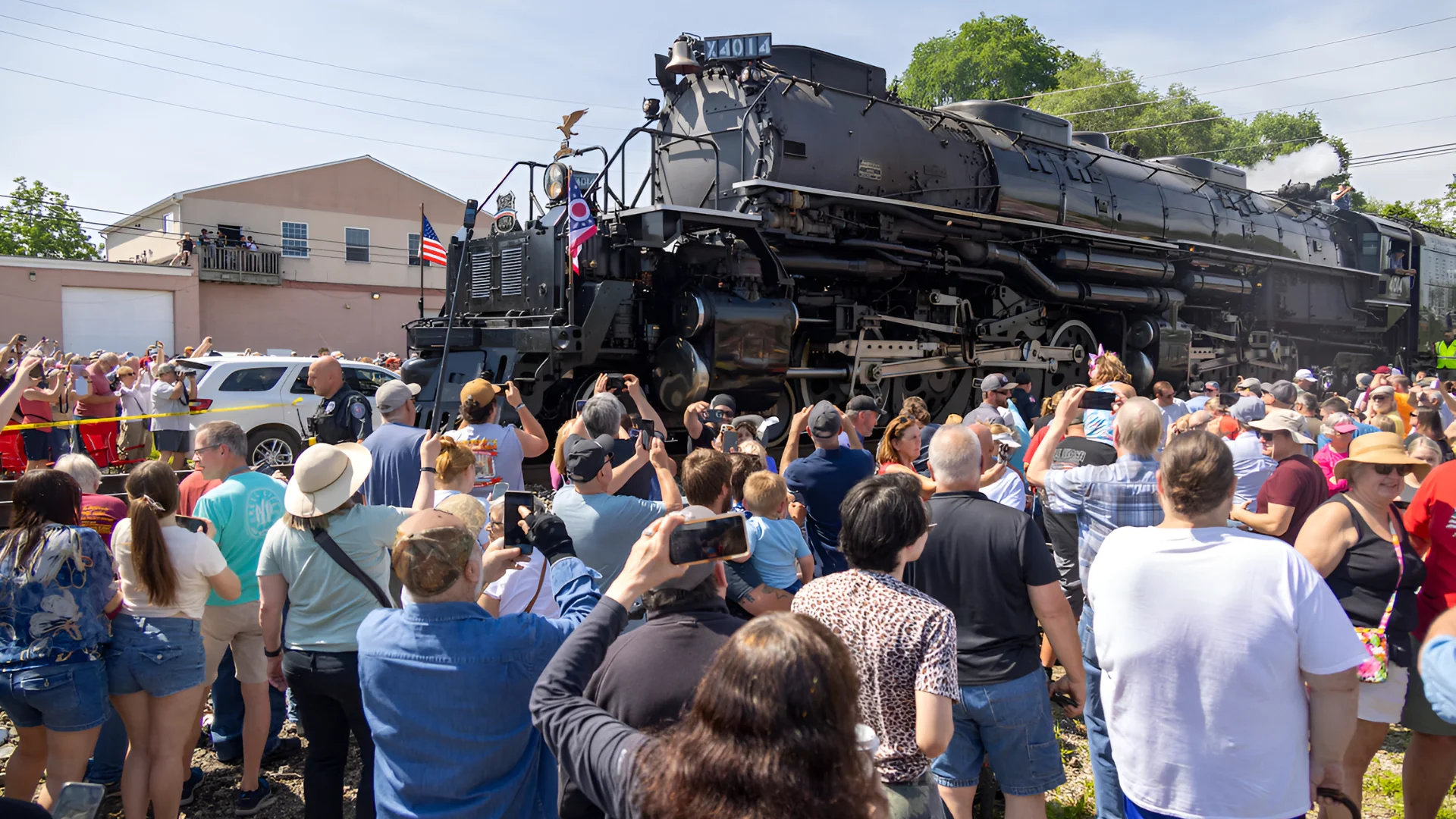
Big Boy No. 4014 Becomes First Locomotive of Its Size to Cross Horseshoe Curve
Union Pacific's Big Boy No. 4014 crossed Horseshoe Curve and rolled through Western Pennsylvania towns Saturday on its first-ever East Coast tour marking America's 250th anniversary.
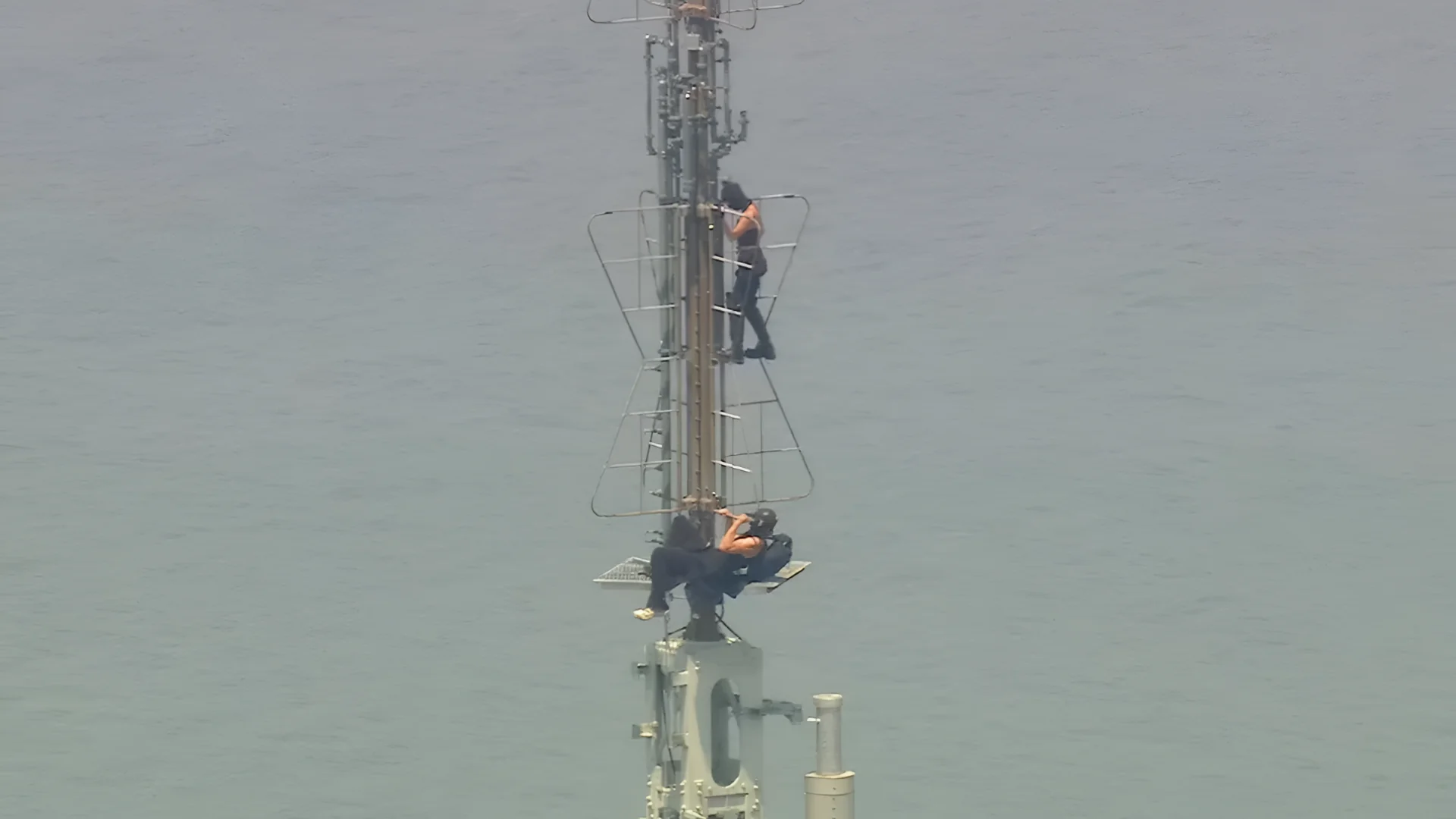
Empire State Building Climbers Face Court Thursday
A daredevil couple known for skyscraper stunts scaled the Empire State Building's spire, unfurled a peace banner, got engaged, and were arrested on multiple charges.
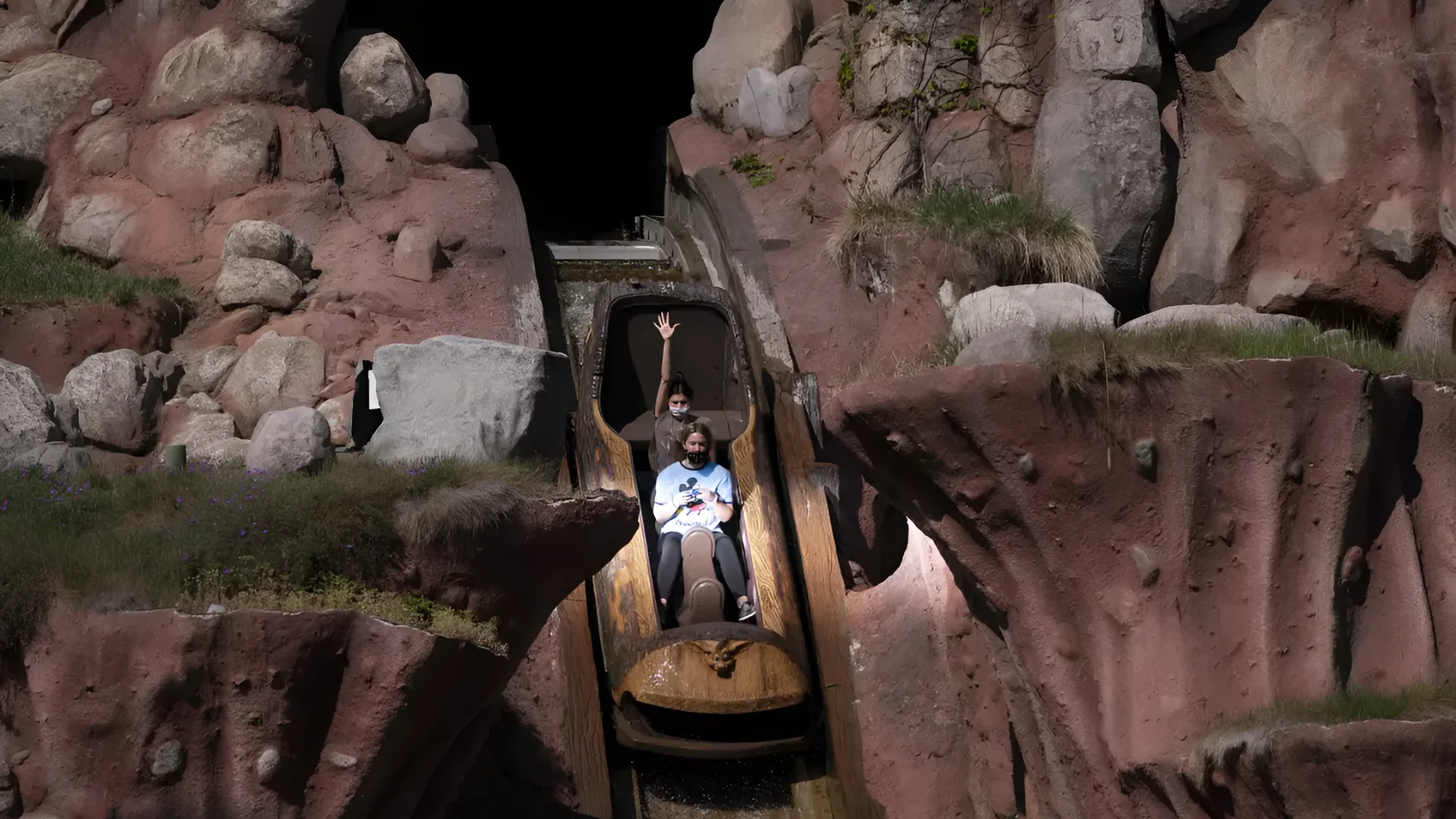
Teen Falls Down Disneyland Ride Drop, Escapes Serious Injury
A teenager climbed out of a moving log on Tiana's Bayou Adventure at Disneyland, fell down the 50-foot waterfall drop, and was released from hospital with minor injuries. Cal/OSHA cleared the attraction after inspection.
Comments (0)
Please sign in to join the discussion.
No comments yet.
Be the first to share your perspective on this topic.