
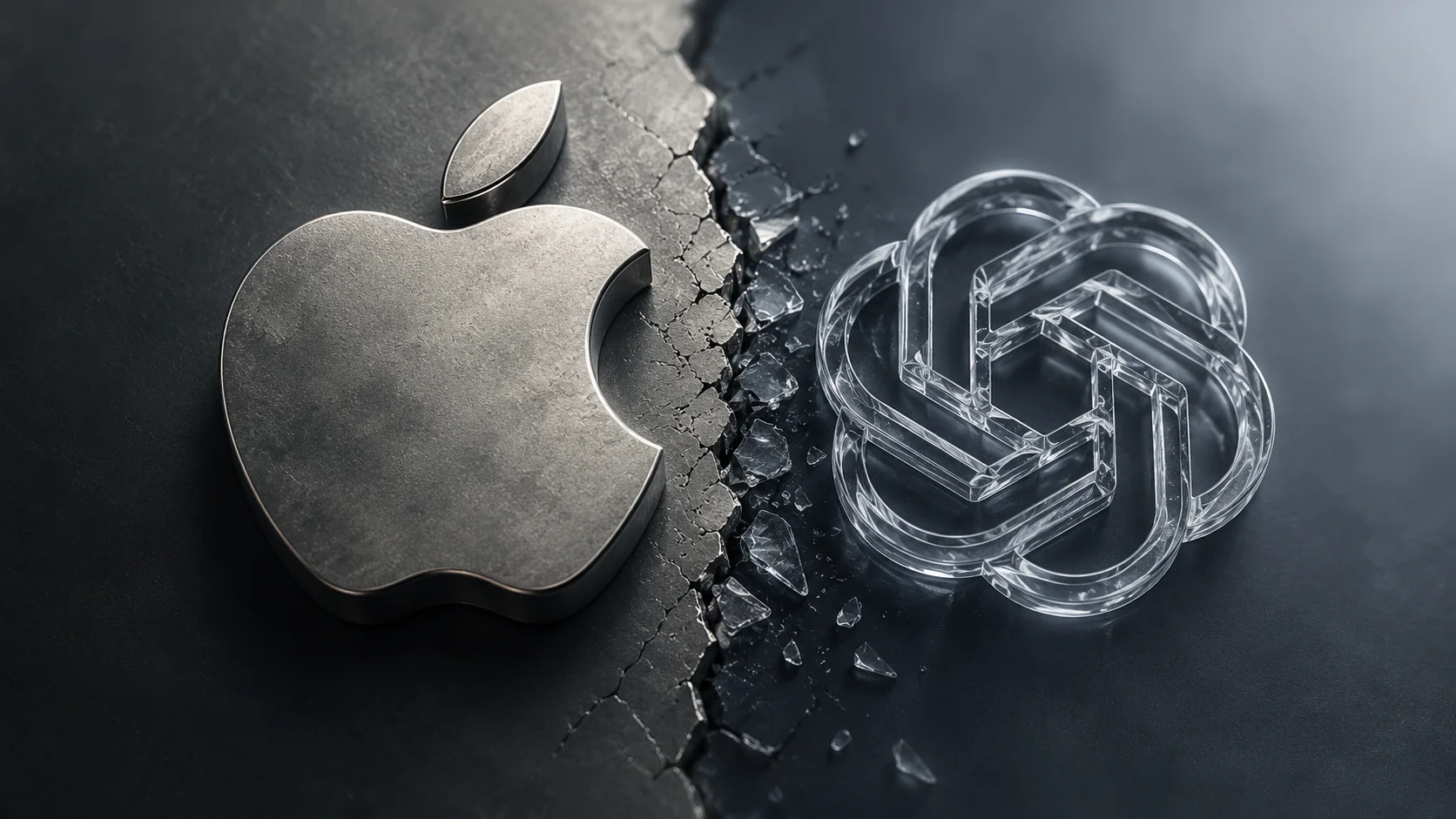
Apple filed suit against OpenAI on Friday, alleging trade secret theft and breach of contract connected to OpenAI's push into hardware. The complaint, filed in the Northern District of California, names OpenAI, its acquired hardware unit io Products, and two individuals directly.
A Hardware Chief Accused of Coaching Recruits Around Exit Checks
The most senior named defendant is Tang Tan, OpenAI's Chief Hardware Officer, who spent 24 years at Apple leading iPhone and Apple Watch product design before departing in February 2024. According to the account of Apple's complaint, Tan used Apple's internal project codenames during OpenAI recruiting interviews and asked Apple-employed candidates to bring physical hardware — batteries, logic boards, system-in-package components — along with prototypes and designs, ostensibly for "show and tell."
Apple further alleges Tan circulated one of its own internal offboarding documents, informally called the "Need to Know" guide, to coach incoming OpenAI hires on how to sidestep Apple's exit security review. Apple's complaint reportedly describes the scheme as reaching "at every level, from members of its Technical Staff to its Chief Hardware Officer," and separately characterizes OpenAI's hardware business as "rotten to its core." Those are strong words for a filing, and they signal Apple intends to argue the conduct was structural rather than isolated — a claim the litigation, not the press release, will have to prove.
An Engineer's Laptop and a Cloud Storage Bug
The second named individual, Chang Liu, spent eight years as a senior systems electrical engineer at Apple before leaving for OpenAI in January 2026. Apple alleges Liu kept his Apple-issued laptop after departing, discovered a bug that let him continue accessing Apple's internal cloud storage, and used it to download dozens of confidential files. Reporting on the filing describes Liu joking about the access bug in a message to a colleague still employed at Apple — a detail that, if accurate, would be documented rather than alleged secondhand, which sets it apart from the interview-based claims against Tan. Liu is also accused of advising other Apple employees on which confidential material to review before their own OpenAI interviews.
This is the distinction worth holding onto: the Liu allegations describe a specific, traceable act — unauthorized access through a known credential — while the Tan allegations describe a recruiting pattern that will likely turn on witness testimony about what was said in interview rooms. Courts tend to weigh those differently, and Apple's case may ultimately live or die more on the former than the latter.
Manufacturing Partners and the Scale Apple Is Alleging
Apple's complaint extends beyond individual hires. It alleges OpenAI approached Apple's trusted manufacturing partners with confidential information, including one instance where a partner demonstrated a proprietary Apple metal-finishing technique after being misled into believing Apple had authorized the disclosure. Apple also states that more than 400 former Apple employees are now employed at OpenAI — a figure cited in coverage of the lawsuit that Apple appears to be using less as evidence of wrongdoing on its own and more as context for why it believes the pattern is systemic rather than incidental.
Apple says it sent OpenAI a letter in February 2026 outlining these concerns and received no response before filing suit. That five-month gap between warning and litigation is itself part of Apple's argument: it frames the lawsuit as a last resort rather than a first move.
What the Lawsuit Doesn't Resolve
Several things remain open. OpenAI had not issued a detailed public response to the specific allegations at the time of filing. Jony Ive, whose io Products startup OpenAI acquired in 2025 for roughly $6.4–6.5 billion and who now leads OpenAI's device efforts, is central to the narrative but was not personally named as a defendant. Apple is seeking damages, injunctive relief, and a court order barring OpenAI from using the disputed trade secrets — remedies that, if granted even partially, could slow whatever hardware timeline OpenAI has in mind. CEO Sam Altman said in November 2025 that early prototypes were complete, and OpenAI's Chris Lehane suggested at Davos that a device could arrive in the first half of 2026; neither statement has been updated publicly since.
Apple also hasn't said whether the suit affects its existing partnership with OpenAI, which integrates ChatGPT into Apple Intelligence. That relationship now sits awkwardly alongside the litigation, especially with Apple's revamped Siri, launching this fall, reportedly built on Google's Gemini models rather than OpenAI's. The suit lands as OpenAI prepares for a widely anticipated IPO, and it follows a string of other legal fights for the company, including a dismissed 2026 suit from Elon Musk's xAI over an alleged Grok-related recruiting scheme and a 2023 suit from the New York Times over training data. Whether the Apple case settles quietly or proceeds toward discovery will likely say more about how seriously each side is willing to litigate reputational damage than about the underlying facts, which a judge has yet to test.
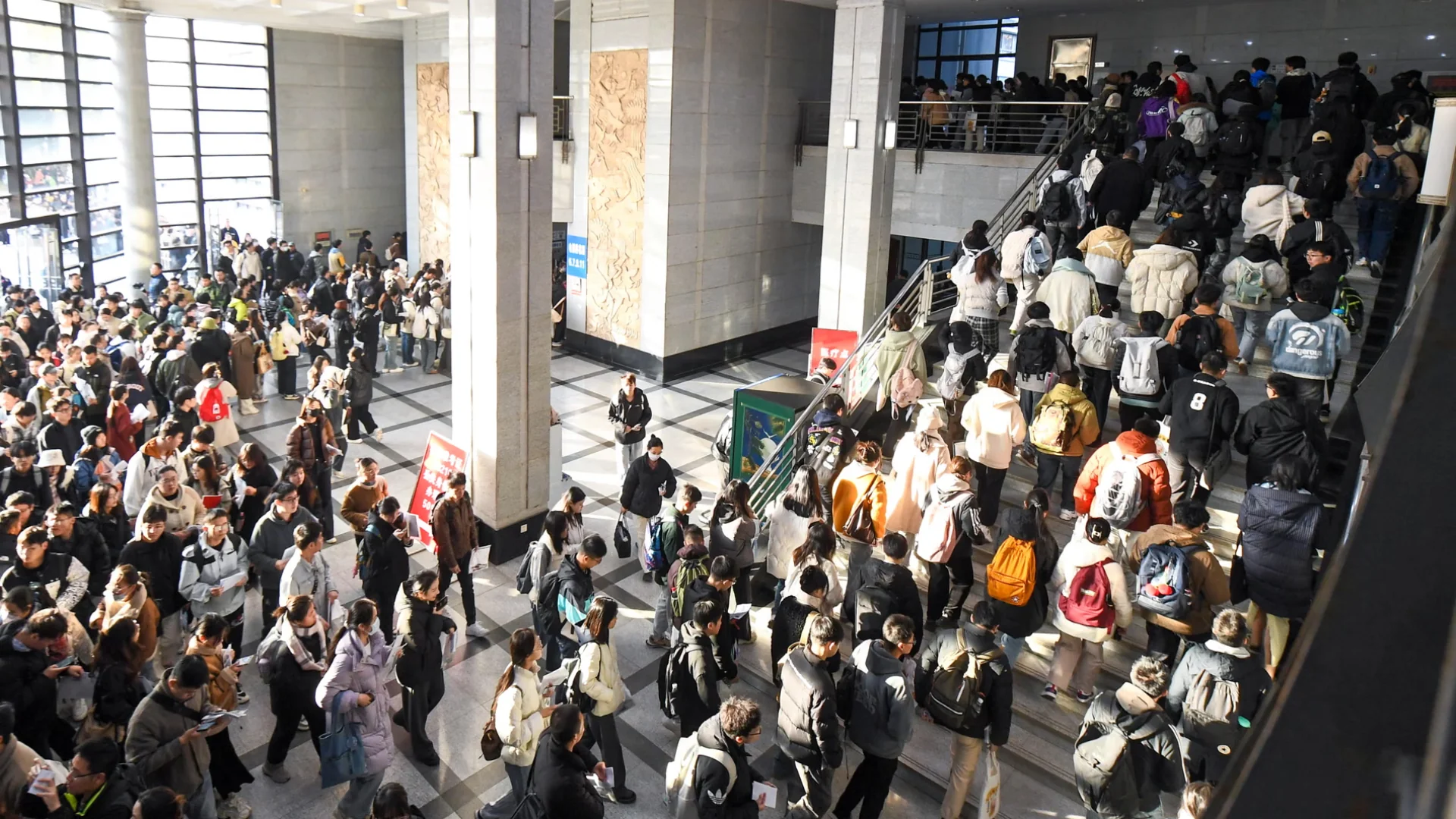
Asia’s Youth Job Squeeze: Inside China’s Record Graduate Influx and Vietnam’s AI Skills Gap
China's record 12.7 million graduates face a 15.6% youth jobless rate as AI reshapes hiring; Vietnam shows the same skills-gap pattern at smaller scale.
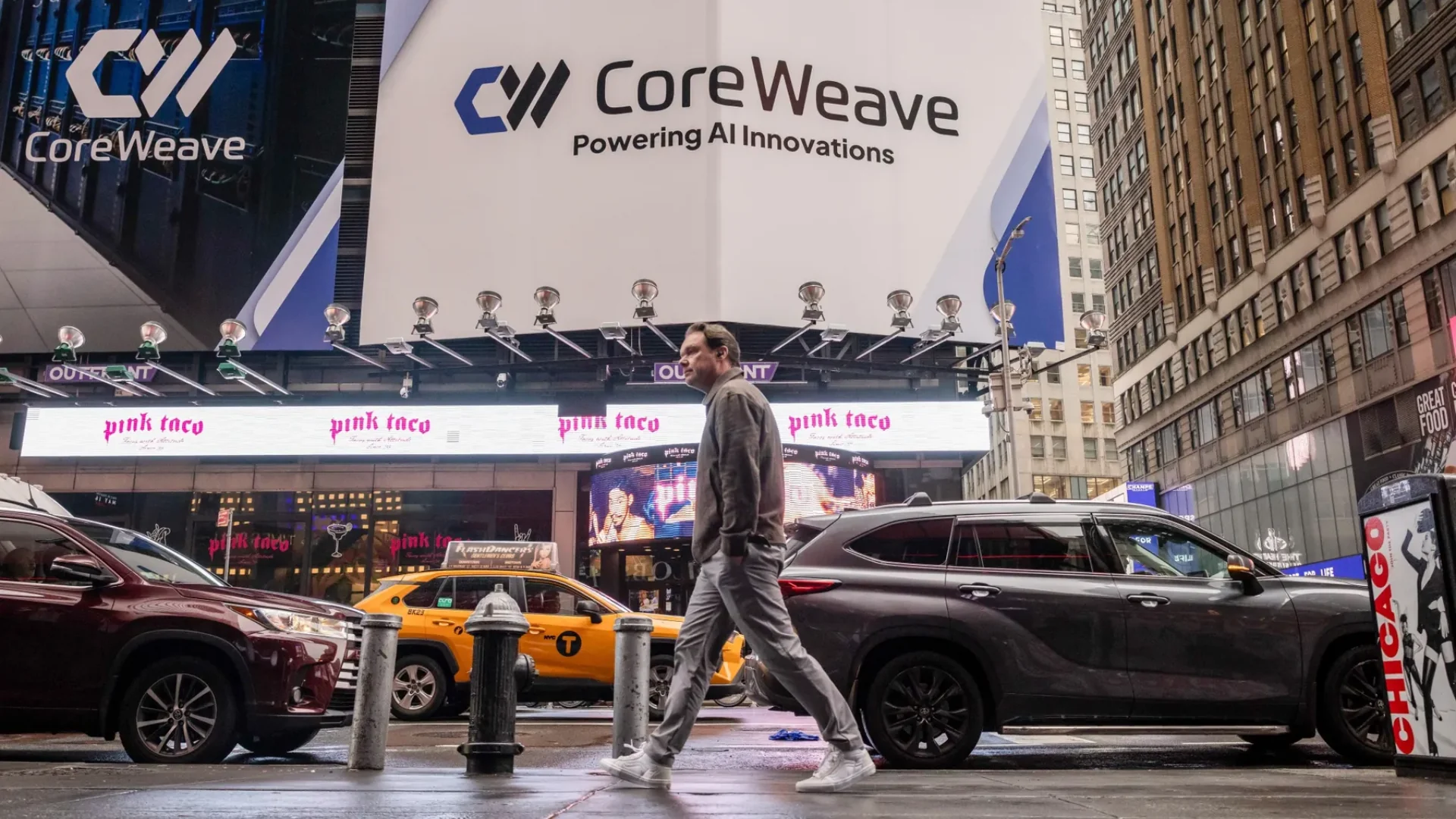
CoreWeave and Nebius Are Chasing $145 Billion in AI Deals on $16 Billion of Revenue
Microsoft, Meta and Nvidia have committed more than $145 billion to neoclouds CoreWeave and Nebius, whose combined 2026 revenue is projected near $16 billion.
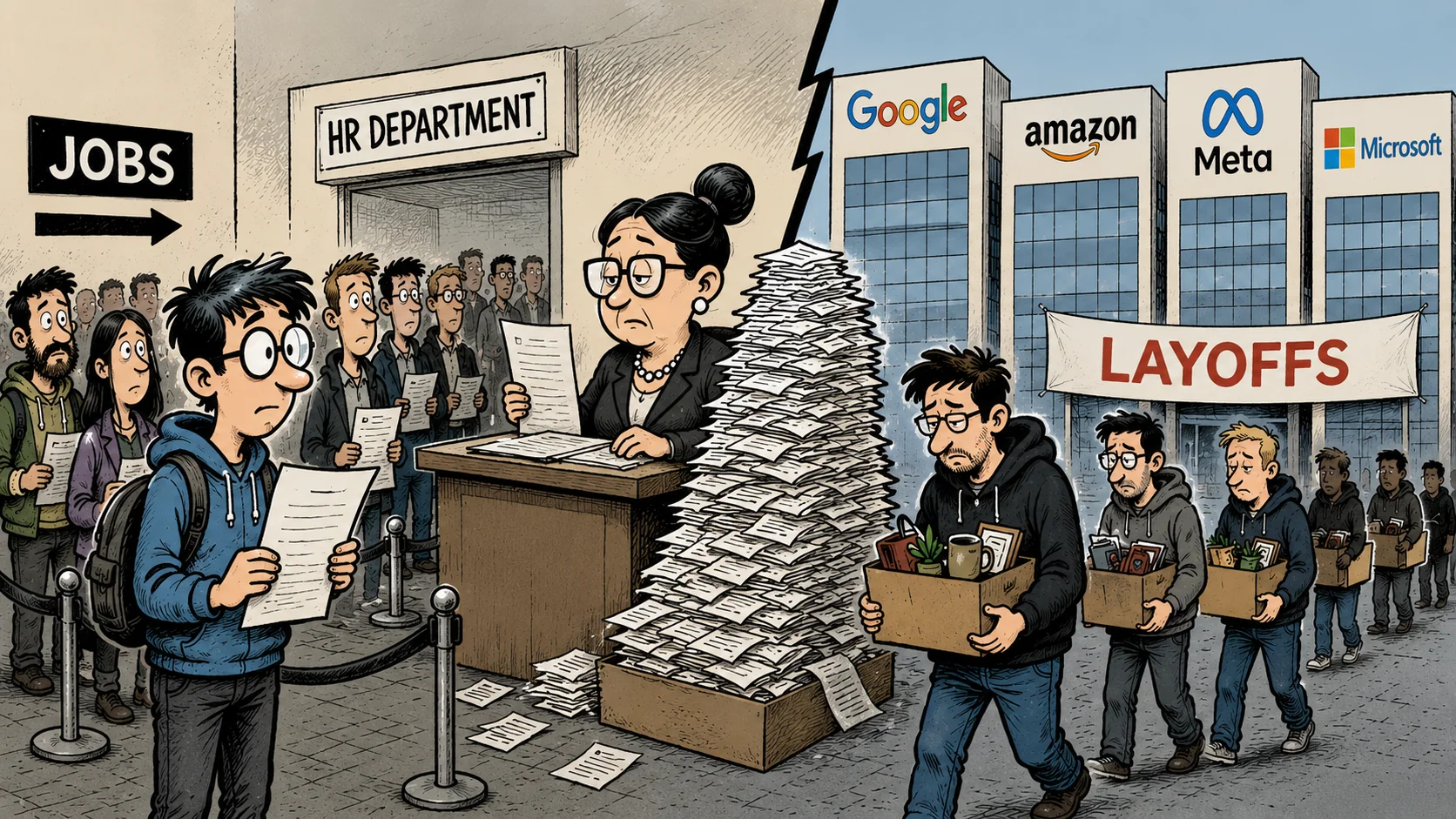
The 4.2% Unemployment Rate Is Hiding a Grimmer Labor Market — And I'm Living Proof
U.S. unemployment fell to 4.2% in June 2026, but a 720,000-person labor force exodus — not hiring — drove the drop. Here's what the real number is, and why it matters for tech.

China's Gig Workforce Set to Hit 320 Million in 2026
China's flexible workforce is projected to reach 320 million in 2026. Wages are splitting by sector, and most workers remain outside the welfare system.
Comments (0)
Please sign in to join the discussion.
No comments yet.
Be the first to share your perspective on this topic.