
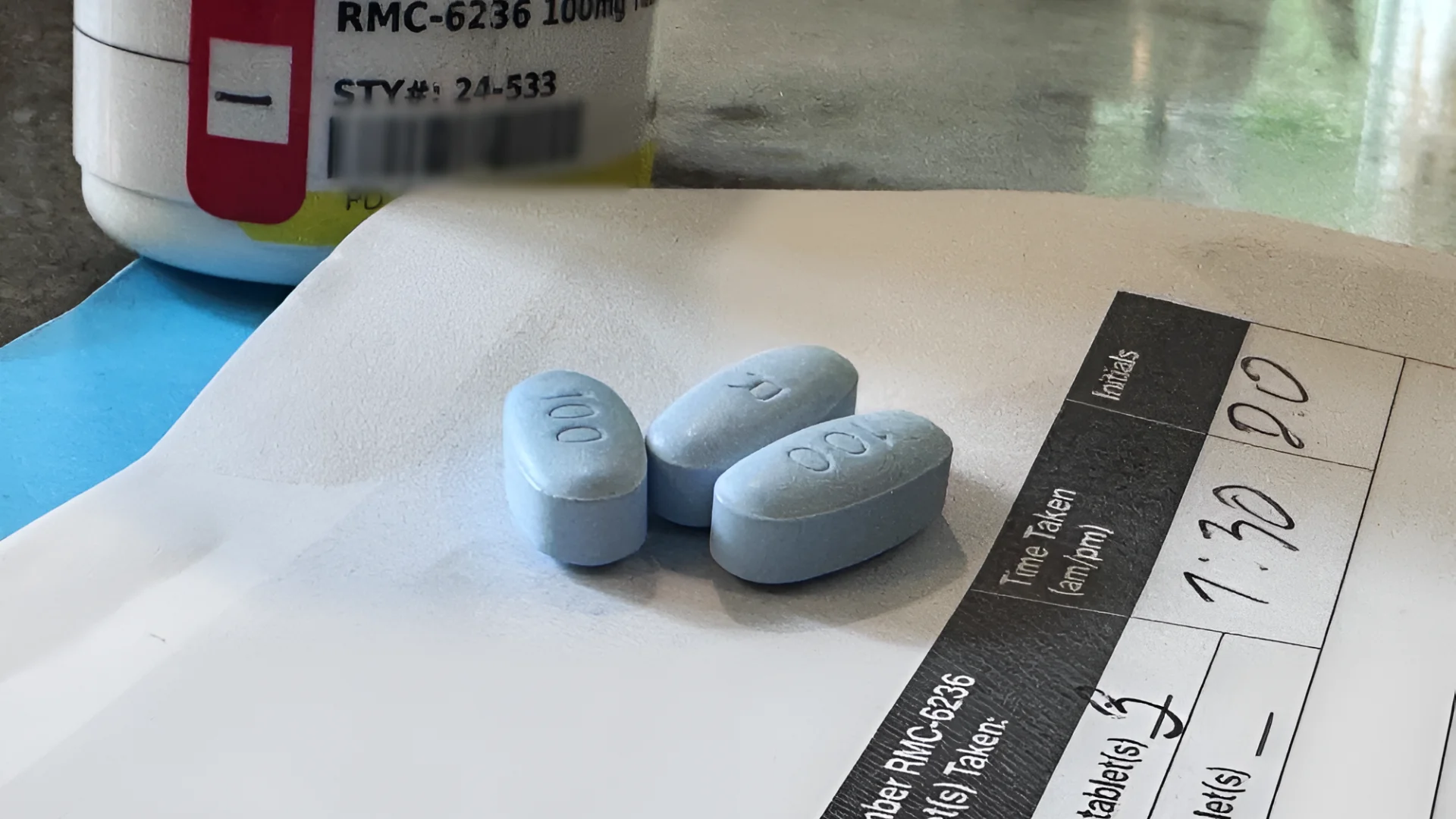
Results presented at the American Society of Clinical Oncology Annual Meeting on May 31, 2026, show that an oral drug targeting the mutant protein that drives most pancreatic cancers extended median survival to nearly 17 months — roughly double what standard chemotherapy has historically achieved.
Survival Gains That Reframe a Disease With Few Options
Pancreatic ductal adenocarcinoma, the most common form of pancreatic cancer, has remained one of oncology's most treatment-resistant diagnoses for decades. Standard regimens — principally gemcitabine combined with nab-paclitaxel, or the multi-drug combination FOLFIRINOX — typically extend median overall survival to somewhere between six and nine months once the disease has reached an advanced or metastatic stage. Most patients diagnosed at that point do not survive to the two-year mark.
The trial results reported at ASCO show daraxonrasib extended median overall survival to between 14.8 and 17.2 months in the target patient cohort. That range, drawn from the trial data as reported, represents the most substantial survival improvement recorded in advanced pancreatic cancer in the modern treatment era. Oncologists attending the conference described the findings as a meaningful departure from the stagnation that has defined this disease's treatment landscape, according to coverage from The Washington Post. The chart below compares the reported survival figures directly.
How the Drug Works and What the Safety Data Shows
Daraxonrasib is a small-molecule inhibitor designed to block a mutant form of the RAS protein. In pancreatic cancer, mutations in the KRAS gene — which encodes a signaling protein that tells cells to grow — are present in more than 90 percent of cases. For decades, the RAS protein family was considered structurally unsuitable for drug targeting: its shape left no obvious cavity where a small molecule could bind and interrupt its activity. The development of compounds that exploit a specific pocket on the mutant KRAS protein has changed that assessment over the past several years.
Daraxonrasib, taken as a daily oral pill at home, avoids the intravenous infusion schedules associated with standard chemotherapy regimens. Patients do not face the severe hair loss, peripheral nerve damage, or profound bone marrow suppression that frequently accompany gemcitabine-based or FOLFIRINOX-based treatment, according to reporting from The Guardian. The side effects observed in the trial — primarily low-to-moderate gastrointestinal distress, mild skin rashes, and transient liver enzyme elevations — were described as manageable. Fewer than eight percent of participants discontinued treatment because of adverse effects. Three figures from the trial define its scope and tolerability.
Resistance, Regulatory Status, and the Distance to Patients
The survival gains do not resolve the two questions that will determine daraxonrasib's long-term usefulness: whether tumors can find ways around it, and whether patients can reach it.
On resistance, the concern is well-established in targeted oncology. Cancer cells that initially respond to a single-pathway inhibitor often acquire secondary mutations or activate parallel signaling routes that bypass the blocked protein. Researchers are already designing combination trials that pair daraxonrasib with immunotherapy agents or low-dose chemotherapy, specifically to address this route. Whether those combinations can extend the duration of response — and whether the survival advantage seen in the trial holds over periods longer than the reported follow-up — remains an open question.
On access, daraxonrasib has received Fast Track designation from the FDA, and approval within months is expected based on reporting from NBC News. But Fast Track status accelerates review, not availability. Manufacturing capacity, insurance coverage decisions, and pricing negotiations typically lag behind approval by months or longer. For a disease where the median diagnosis-to-death interval has historically been measured in single-digit months, those delays carry weight. The diagram below maps the pathway from current trial results to potential patient access and the resistance challenge that runs in parallel.
What the trial establishes is a meaningful proof of concept: that KRAS, long considered an impractical drug target, can be blocked effectively enough to substantially extend life in one of oncology's hardest diseases. The gap between that proof and a broadly accessible treatment is the work that follows.
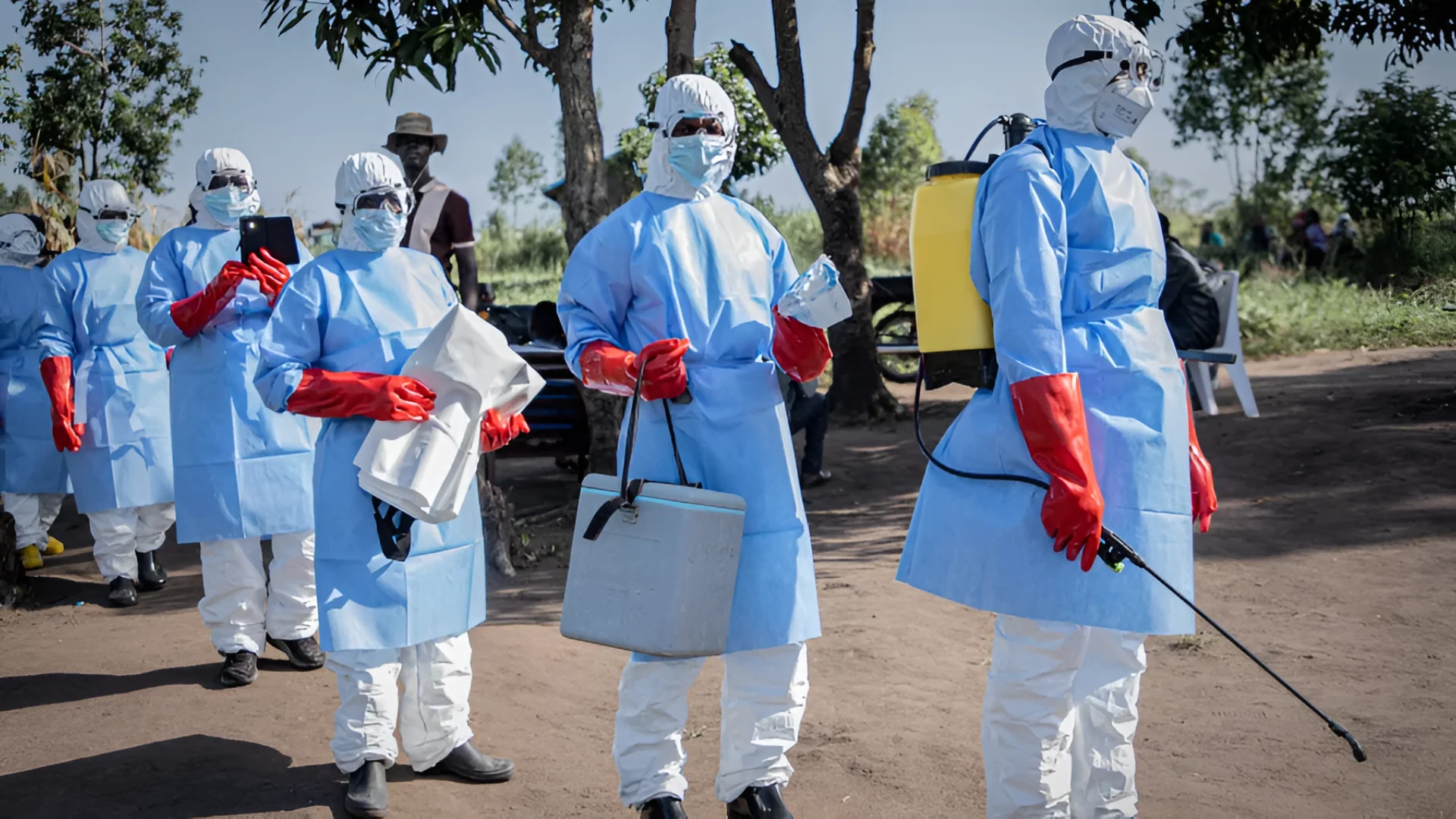
DRC Ebola Outbreak Surpasses 1,000 Cases: Children Most at Risk
A WHO-declared public health emergency, the DRC Ebola outbreak now tops 1,000 cases. Children are dying at nearly twice the rate of adults, contact tracing covers only 58% of known contacts, and a $20 million funding gap threatens the six-month response plan.

Ultra-Processed Foods and Brain Health: What Studies Show
Research from Monash University, Harvard, and studies of tens of thousands of adults connects ultra-processed food intake to measurable cognitive decline, dementia risk, Parkinson's symptoms, and depression — with actionable thresholds in the data.
![DRC health workers retrieve the body of an Ebola virus victim from Rwampara Hospital morgue in Ituri province, June 09, 2026 [Anadolu Agency]](/uploads/1782059208554-More_than_70_medics_infected_with_Ebola_as_DRC_outbreak_spreads____fast___.webp)
DRC Ebola 2026: Why This Outbreak Is Different
The DRC's Bundibugyo Ebola outbreak declared in May 2026 has grown past 800 confirmed cases, reached displacement camps holding 30,000 people, and spread to Uganda, while health systems face 70+ infected workers and no approved treatment.
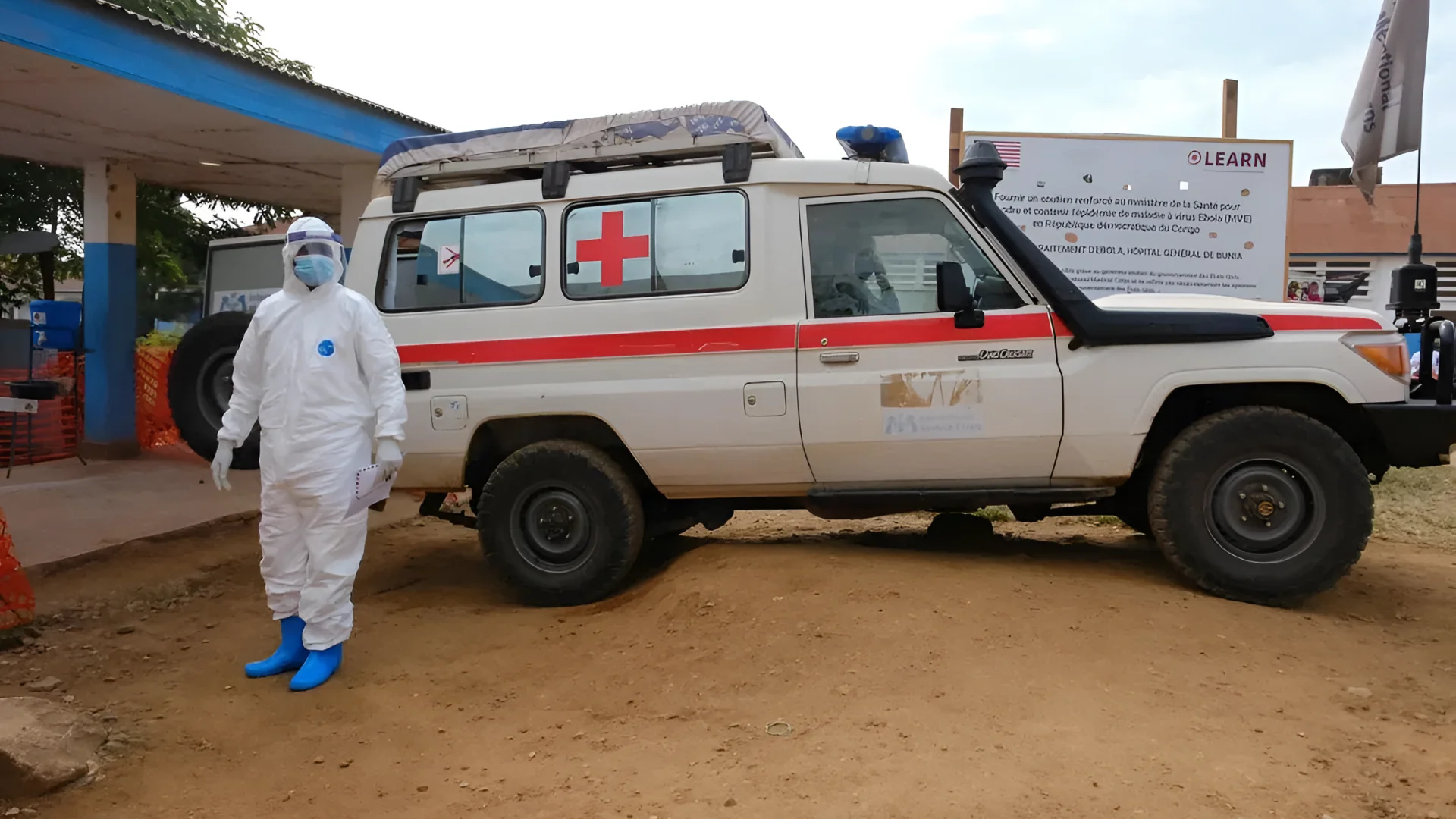
DRC Ebola Outbreak 2026: Hunger and Funding Gaps
The 2026 DRC Ebola outbreak has recorded 896 confirmed cases and 232 deaths in under a month, driven by Bundibugyo strain, no approved treatment, patient escapes linked to hunger, and $810M in pledged funds still undelivered.
Comments (0)
Please sign in to join the discussion.
No comments yet.
Be the first to share your perspective on this topic.