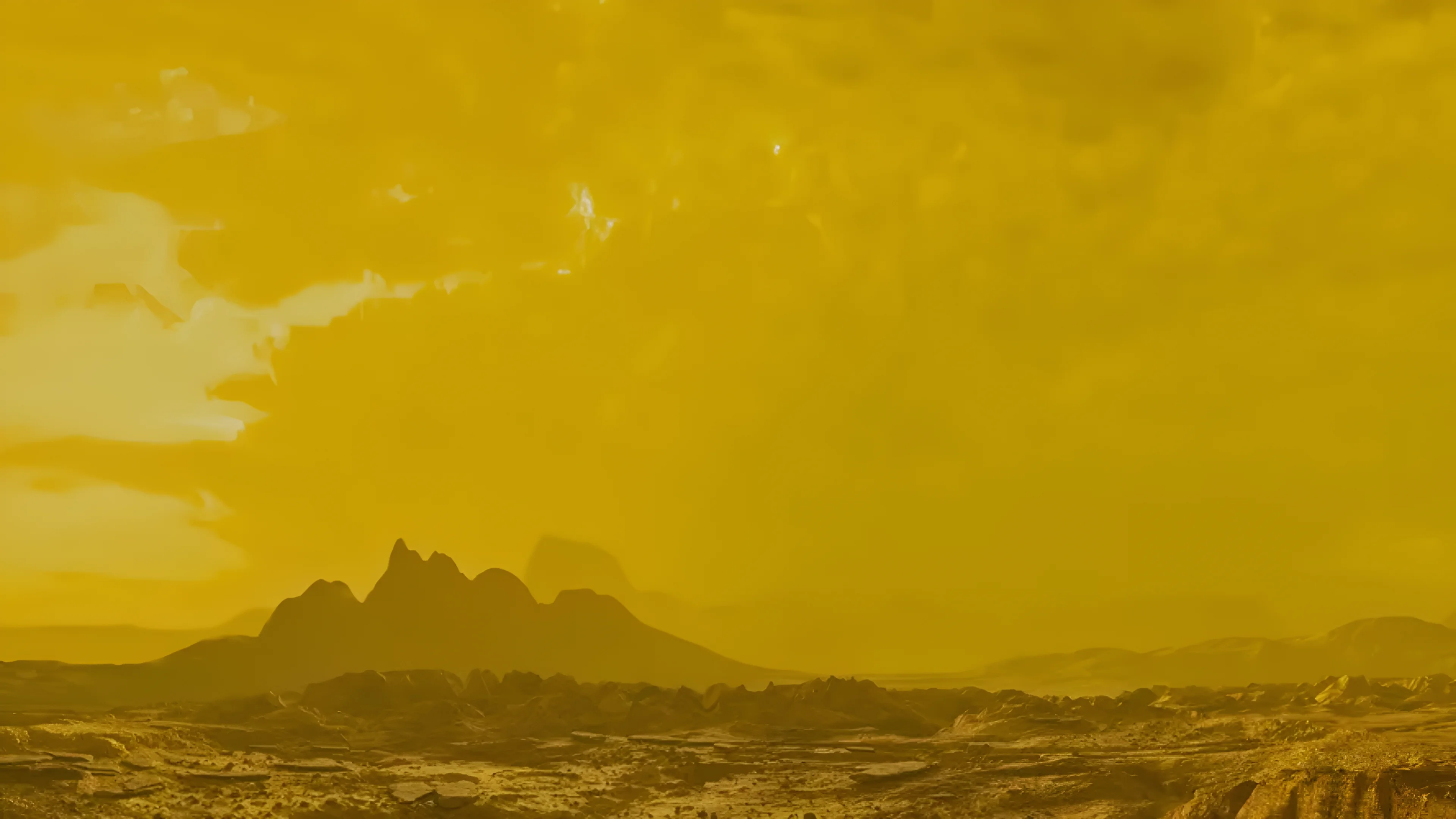
A model presented at the 2026 Lunar and Planetary Science Conference estimates that asteroid impacts on Earth could have delivered tens of billions of potentially viable microbial cells into Venus's cloud layer over the past billion years.
A 2021 Equation Frames the Odds of Life Surviving on Venus
Researchers have long debated whether impacts on Earth or Mars could fling living material toward neighboring worlds, a process known as lithopanspermia. Renewed interest in possible microbial life inside Venus's temperate cloud deck has pulled that question into a three-planet conversation involving Earth, Venus, and Mars.
To organize the problem, scientists built the Venus Life Equation in 2021, a framework that estimates the likelihood of life surviving on Venus today by multiplying three independent probabilities: Origination, the chance life began on Venus or arrived there; Robustness, the capacity of that life to survive major environmental upheaval; and Continuity, the odds that a habitable niche persisted to the present. Like the Drake Equation it borrows its structure from, each term carries deep uncertainty, and multiplying uncertain terms together compounds that uncertainty rather than resolving it.
The new work, presented in an LPSC 2026 abstract by researchers including E. L. Guinan, T. J. Austin, J. G. O'Rourke, N. G. Izenberg, and E. A. Silber, narrows in on the physical front end of that equation: whether material ejected from Earth can actually survive the trip and end up suspended in Venus's atmosphere at all.
JHUAPL and Sandia Modelers Tracked How a Fireball Breaks Apart in Venus's Atmosphere
Before any of the three Venus Life Equation terms can be evaluated, the model has to clear a narrower physical hurdle: can debris ejected from Earth by an asteroid impact actually survive long enough, and arrive light enough, to stay aloft in Venus's clouds rather than burning up or sinking through them.
Earlier work, drawn from computer simulations and analysis of meteorites recovered on Earth, had already shown that organic material can survive both the violent shock of ejection and the subsequent transit through interplanetary space. What the LPSC 2026 team modeled directly is the final and least-examined step: atmospheric entry at Venus itself.
The researchers used the "pancake model," a widely used semi-analytic approach for describing how a bolide deforms, ablates, and breaks apart under aerodynamic drag as it plunges through a thick atmosphere. As the fireball heats and fragments, it eventually undergoes an airburst, an in-air explosion that spreads the debris outward into a flattened distribution of fragments the researchers describe as cells. Some of those fragments end up light and small enough to remain suspended within or above Venus's cloud layer instead of falling through it.
The Model's Preferred Estimate: Roughly 100 Cells a Year, 20 Billion Over a Billion Years
Running the pancake model with values drawn from earlier impact and atmospheric studies, the team produced order-of-magnitude figures for how much Earth-origin material could be dispersing into Venus's clouds. Their preferred estimate puts the average influx at around 100 potentially viable microbial cells entering Venus's atmosphere per Earth year. Extended across the last billion years of solar system history, that baseline rate implies roughly 20 billion cells transferred from Earth to Venus in total.
Those are not measured quantities. They are the output of a simplified physical model run against assumptions about impact frequency, ejection efficiency, and survival rates that themselves carry substantial error bars. The researchers describe them explicitly as best estimates rather than confirmed counts.
Multiplicative Uncertainty Means the Numbers Are a Floor, Not a Verdict
Both the pancake-model transfer estimate and the broader Venus Life Equation share the same structural weakness as the Drake Equation: every term is itself uncertain by orders of magnitude, and multiplying uncertain terms together does not cancel that uncertainty out. The researchers are explicit that their atmospheric-entry model simplifies real fluid dynamics, and that the Origination, Robustness, and Continuity terms in the broader equation remain largely unconstrained.
What the modeling does establish, within those limits, is that the physical delivery step is plausible rather than exotic. Earth-ejected debris reaching Venus's clouds in survivable form is not a fringe scenario under this model; it is the expected baseline outcome of ordinary impact cratering over geological time.
That has a direct bearing on how any future detection would need to be interpreted. If a mission such as DAVINCI+, VERITAS, or a dedicated life-detection probe were to find active microbial life in Venus's cloud decks, this modeling means scientists could not treat that discovery as automatic evidence of a second, independent genesis. An ancient lineage of displaced Earth organisms would remain a live, and arguably better-supported, alternative explanation, one that any biosignature claim would need to rule out before being read as proof of native Venusian life.

Fish Oil Supplements Don't Protect Memory, USC Trial Finds
A randomized controlled trial published in eBioMedicine found that 2,000 mg daily DHA supplements failed to improve memory or slow hippocampal shrinkage in 365 at-risk adults over 24 months, despite confirmed CSF delivery.
A Rare Stellar Explosion Just Confirmed What Lies at the Core of a Dying Star
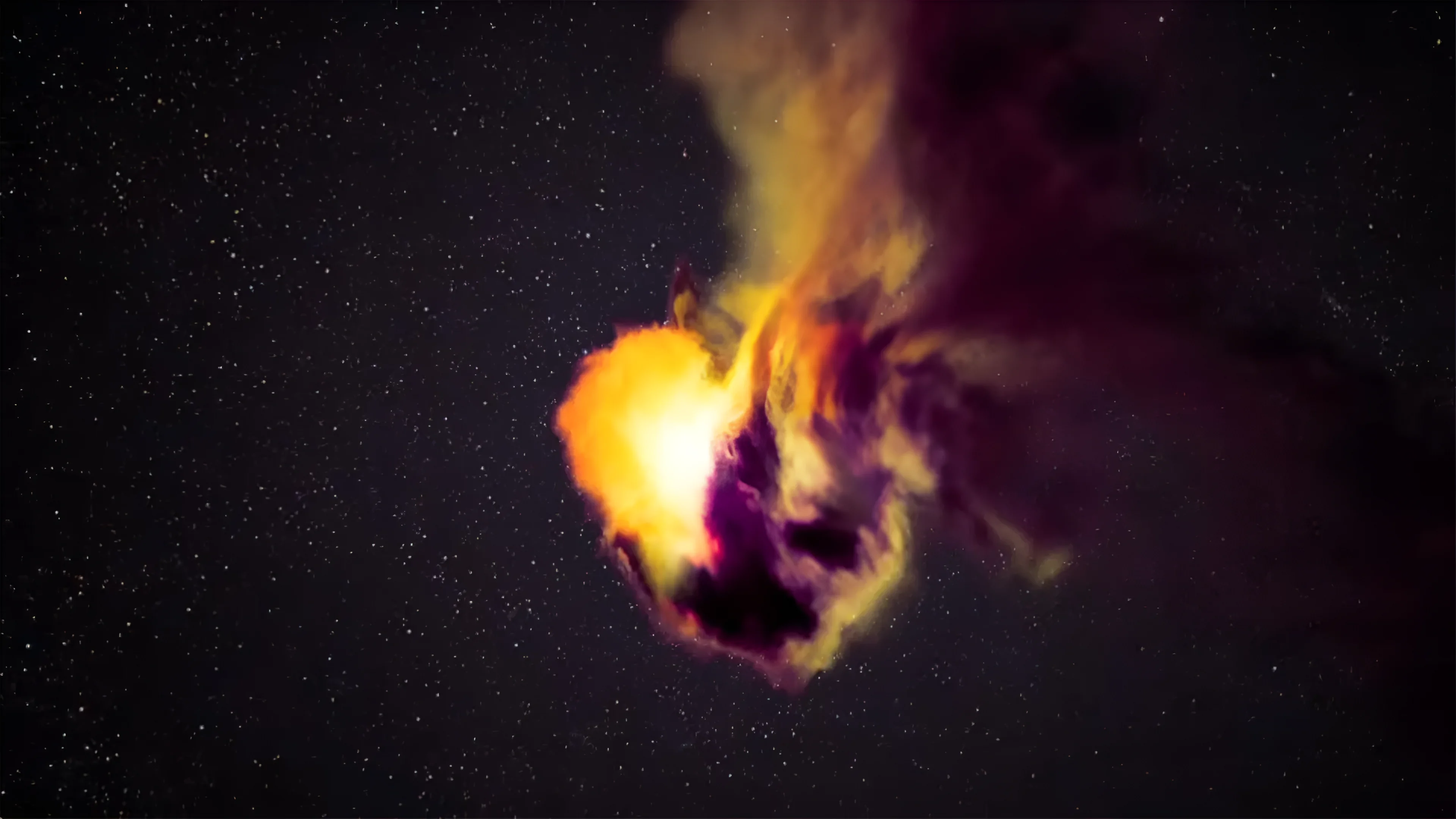
Observations of SN 2021yfj, published in Nature, provide the first direct evidence of the layered internal structure of massive dying stars — exposing silicon, sulfur, and argon produced in the final fusion cycles above an iron core.
Ultra-Processed Foods and Brain Health: What Studies Show
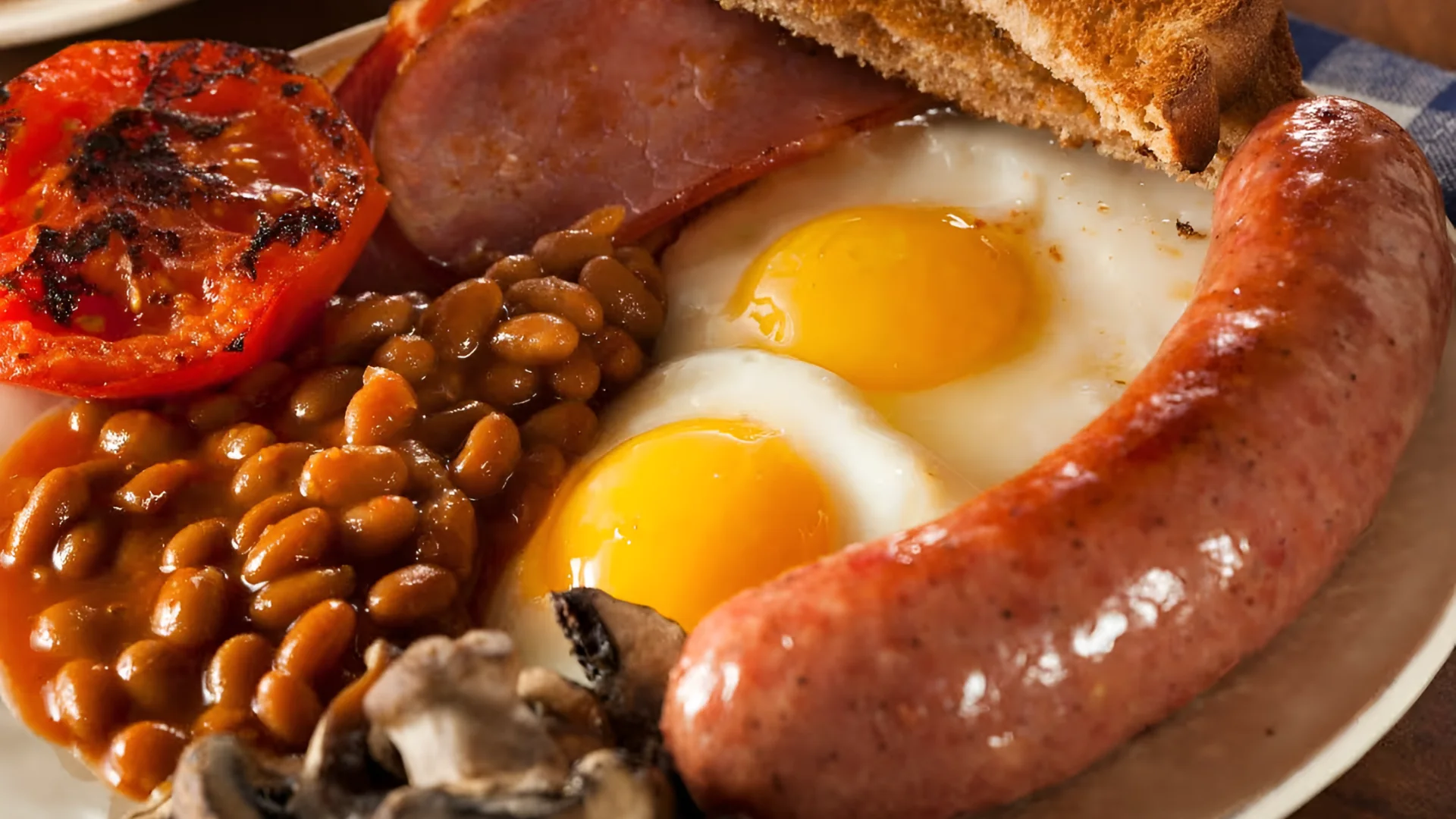
Research from Monash University, Harvard, and studies of tens of thousands of adults connects ultra-processed food intake to measurable cognitive decline, dementia risk, Parkinson's symptoms, and depression — with actionable thresholds in the data.

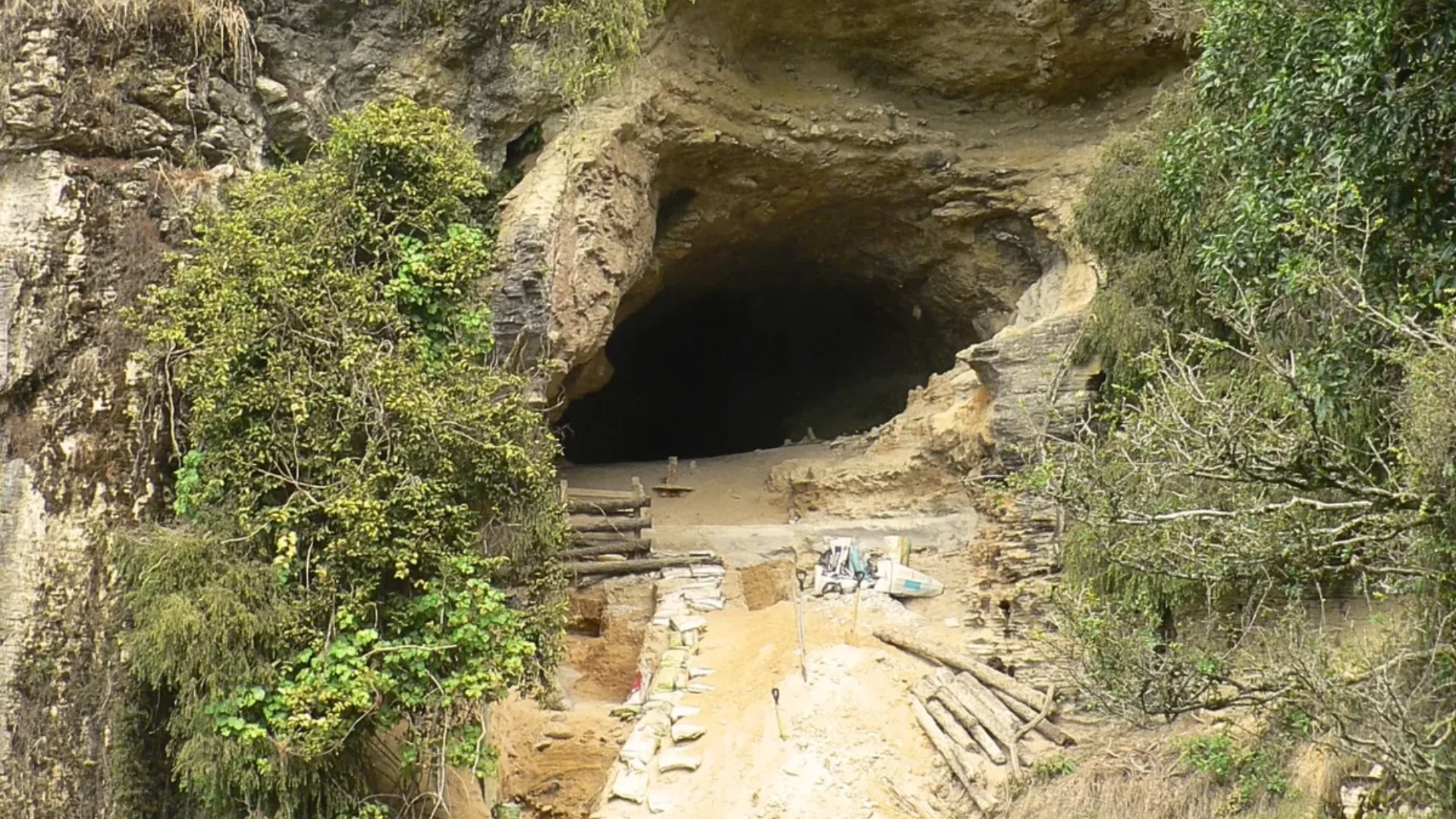
Million-Year-Old Cave Fossils Close a Gap in New Zealand's Bird History
New fossils from Moa Eggshell Cave, dated to about 1 million years old, reveal 16 species and show extinction was already underway before humans arrived.
Comments (0)
Please sign in to join the discussion.
No comments yet.
Be the first to share your perspective on this topic.