
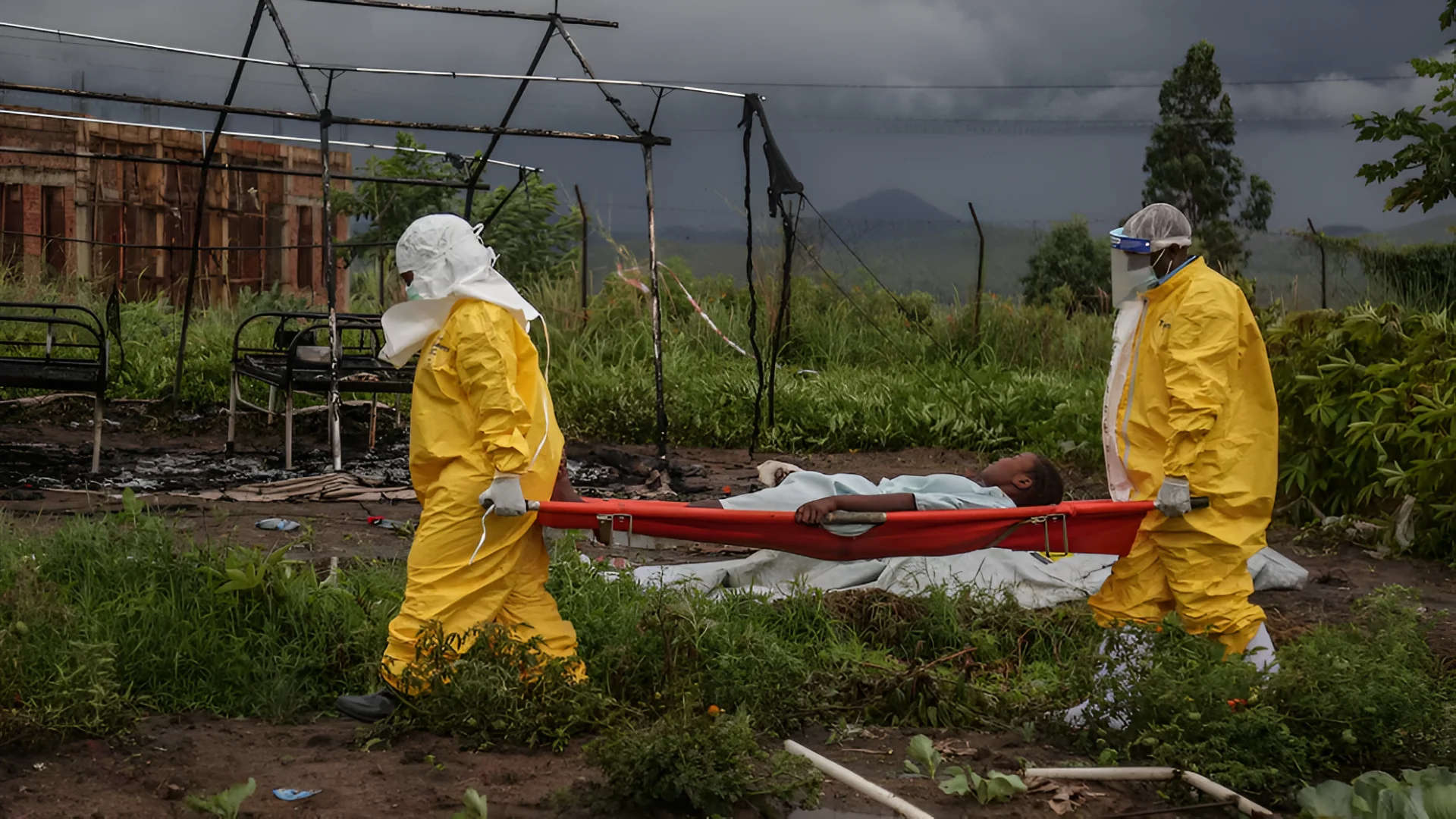
An outbreak of the Bundibugyo ebolavirus in the Democratic Republic of Congo has killed at least 40 people as of June 4, 2026, with case numbers still rising. The response is facing three compounding problems that rarely appear together: the vaccines and treatments stockpiled for Ebola outbreaks are largely built for a different strain, community mistrust has turned routine containment work dangerous, and healthcare workers say they lack adequate protective equipment and physical security to operate safely.
The Wrong Strain for the Available Arsenal
Most of the global Ebola countermeasure infrastructure — vaccines, experimental antivirals, trained response protocols — was developed in direct response to the 2014–2016 West Africa outbreak and subsequent Zaire ebolavirus epidemics in the DRC. Bundibugyo is a distinct ebolavirus species. The antibody targets differ enough that therapeutics and vaccines engineered against the Zaire strain do not reliably cross-protect against Bundibugyo.
That gap matters acutely in an active outbreak. When a Zaire Ebola outbreak emerges, response teams can deploy ring vaccination — immunizing contacts of confirmed cases before exposure becomes symptomatic infection. That option is not clearly available here. Aid organizations have confirmed that the standard tools are proving ineffective or simply unavailable for this strain. How quickly experimental Bundibugyo-targeted countermeasures could be mobilized, and whether any candidate products are far enough along in development to deploy under emergency authorization, remains unclear.
The diagram below maps the decision path that response teams face when a Bundibugyo outbreak is confirmed, and where the standard toolkit breaks down.
Burial Practices and the Trust Barrier Blocking Containment
Safe and dignified burial is one of the hardest Ebola containment tasks under the best conditions. The Bundibugyo ebolavirus, like all filoviruses, remains transmissible in the bodies of the deceased. Traditional funeral and burial practices in affected communities — which may involve washing, touching, or remaining close to the body — create high-risk transmission events. Changing those practices requires consent, explanation, and sustained community relationship-building; it cannot be accomplished by announcing a protocol.
In the current outbreak, that relationship has broken down badly. Aid organizations have confirmed an attack on an official Ebola burial team, and health officials are explicit that rebuilding community trust is the central challenge. Mistrust of foreign and state medical interventions is disrupting containment operations in ways that additional personnel or equipment alone cannot fix. High-profile media coverage of funeral practices in the region — including recent coverage in major international outlets — has added another layer of sensitivity to an already fragile situation.
The operational consequence is measurable: communities that distrust burial teams will conduct private burials, removing the deceased from the surveillance and safe-handling system entirely. Each unmonitored burial is a potential transmission cluster. The chart below summarizes the severity of five active barriers to containment, as reflected in source reporting.
Healthcare Workers Are Asking for Protection — and the Security Tradeoff Has No Easy Answer
Doctors and medical staff working inside the DRC outbreak zone have issued urgent public calls for better personal protective equipment and for stronger physical security at treatment centers. CBS News reporting documents those pleas directly. Without adequate PPE, healthcare workers become vectors — amplifying transmission rather than containing it, and draining a workforce that is already stretched thin in one of the world's most under-resourced health systems.
The security dimension is harder to resolve. Deploying uniformed security forces to protect aid workers can accelerate the very community distrust that is already the primary obstacle to containment. In the DRC's eastern provinces, memories of state and military actors using humanitarian access as cover for other purposes are recent and well-founded. Health officials acknowledge the tension directly: they know that trust is the absolute prerequisite for community cooperation, and that armed perimeters around treatment centers can undermine that trust even when they protect the workers inside.
Whether local security forces can protect aid workers without hardening community resistance is one of the two central uncertainties in this outbreak. The other — how quickly experimental Bundibugyo-targeted vaccines or antivirals could be mobilized — is a function of pharmaceutical pipeline timelines that the sourcing available as of this writing does not resolve. The three current outbreak indicators are shown below.
The outbreak's trajectory depends on whether response teams can rebuild community trust quickly enough to resume safe burial operations and contact tracing at scale — tasks that no amount of emergency supply airlifts can substitute for. Tracking the case count and the status of experimental countermeasures remains the key signal to watch in the days ahead.
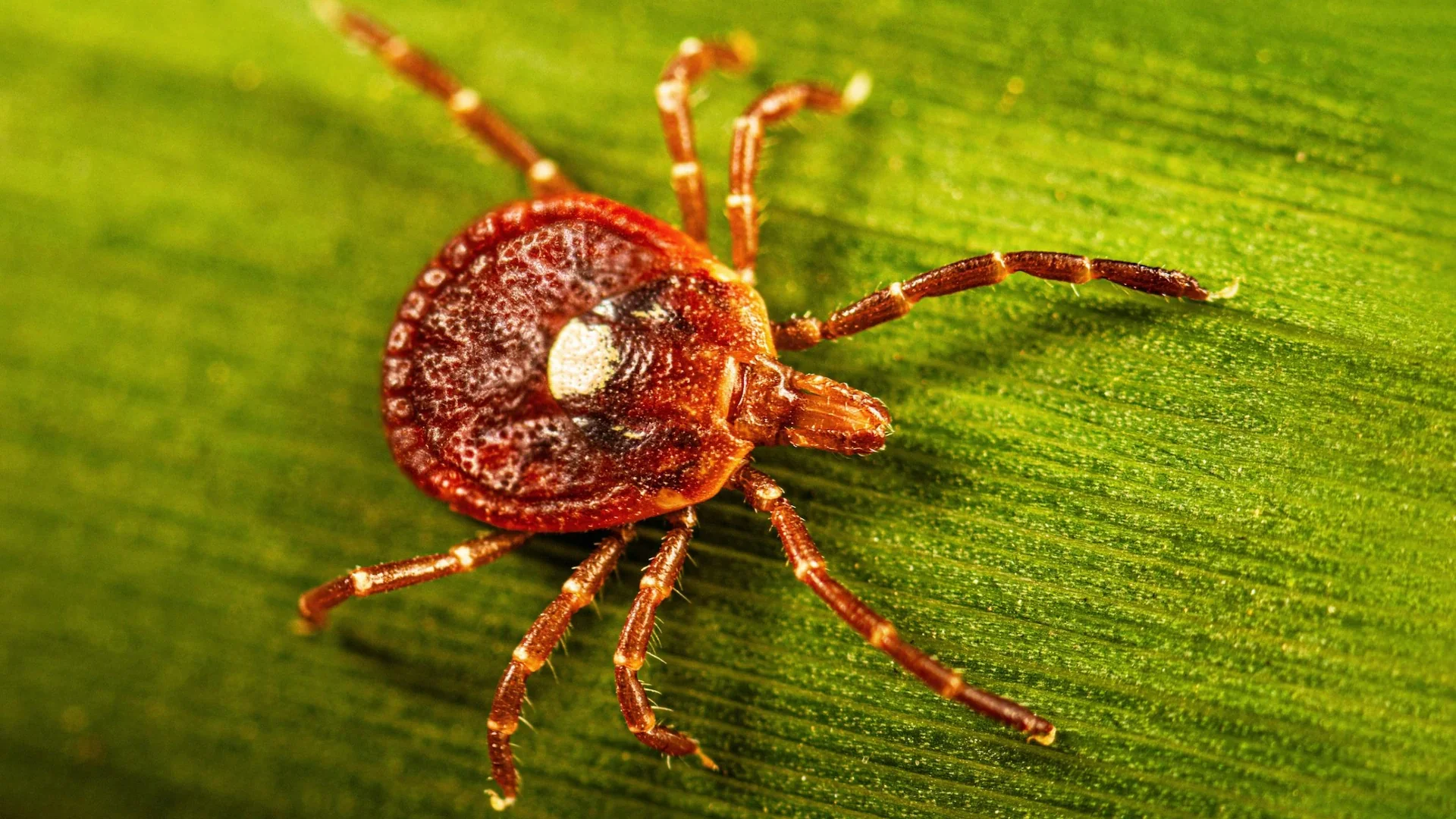
Alpha-Gal Syndrome: What a Tick Bite Does to Your Diet
Alpha-gal syndrome is a delayed food allergy caused by tick bites that sensitizes the immune system to a sugar molecule found in mammalian meat. Cases are surging in the Midwest and Northeast, with new state-level reporting mandates and federal labeling legislation underway.

ACOG Breaks from CDC on Maternal Vaccines in 2026
American College of Obstetricians and Gynecologists releases its own maternal vaccine schedule backing influenza, COVID-19, Tdap, and RSV shots, defying CDC rollbacks and countering RFK Jr.-era misinformation.
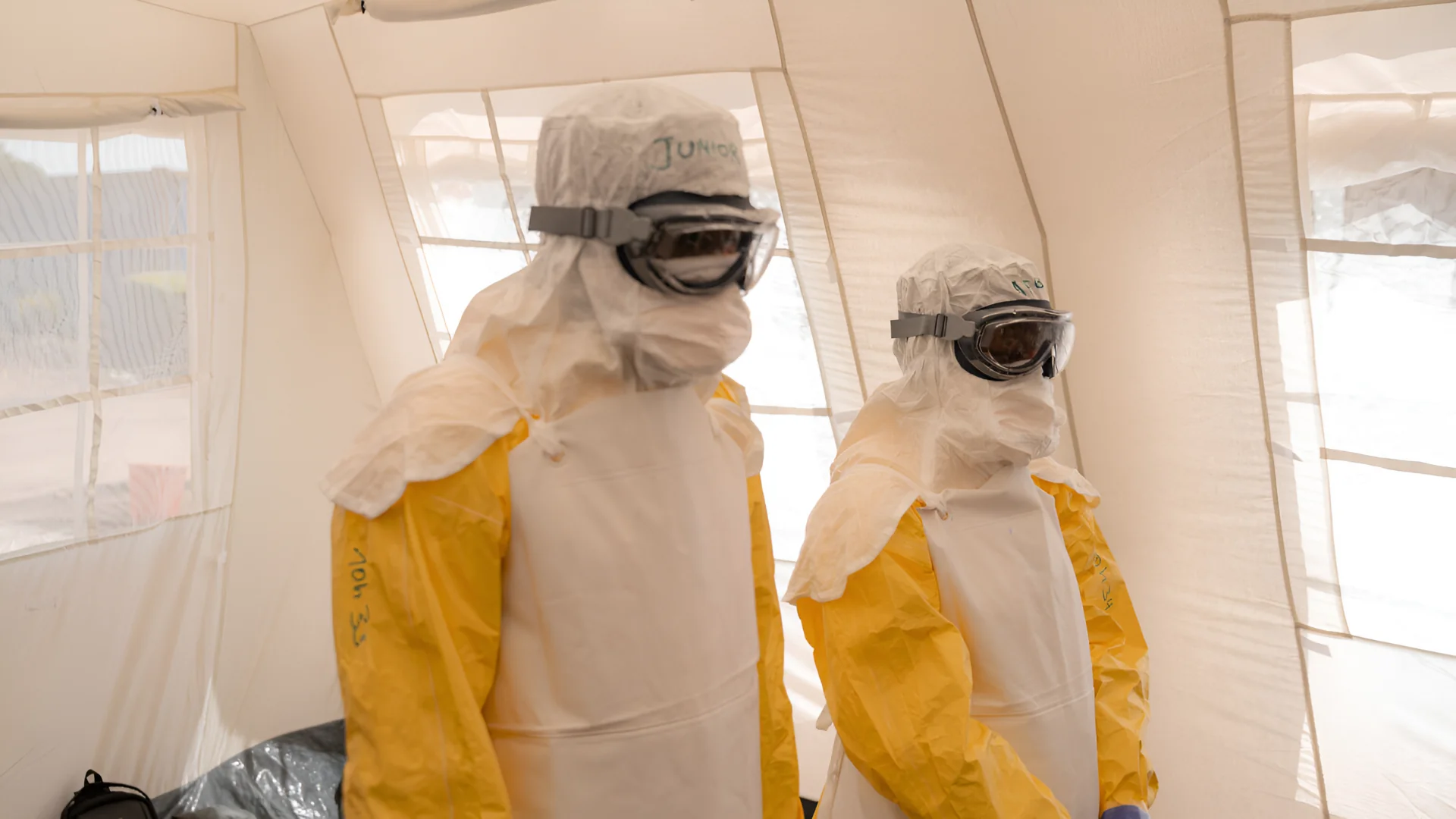
Ebola Bundibugyo Outbreak DRC: 676 Cases, No Vaccine
As of mid-June 2026, a rare Bundibugyo Ebola outbreak in DRC's Ituri Province has killed 138 people, spread to Uganda, and reached packed displacement camps with no licensed medical countermeasures available.

Daraxonrasib Nearly Doubles Pancreatic Cancer Survival
Trial results presented at ASCO 2026 show daraxonrasib nearly doubled median survival in advanced pancreatic cancer — a look at the data, the mechanism, and what remains unproven.
Comments (0)
Please sign in to join the discussion.
No comments yet.
Be the first to share your perspective on this topic.