
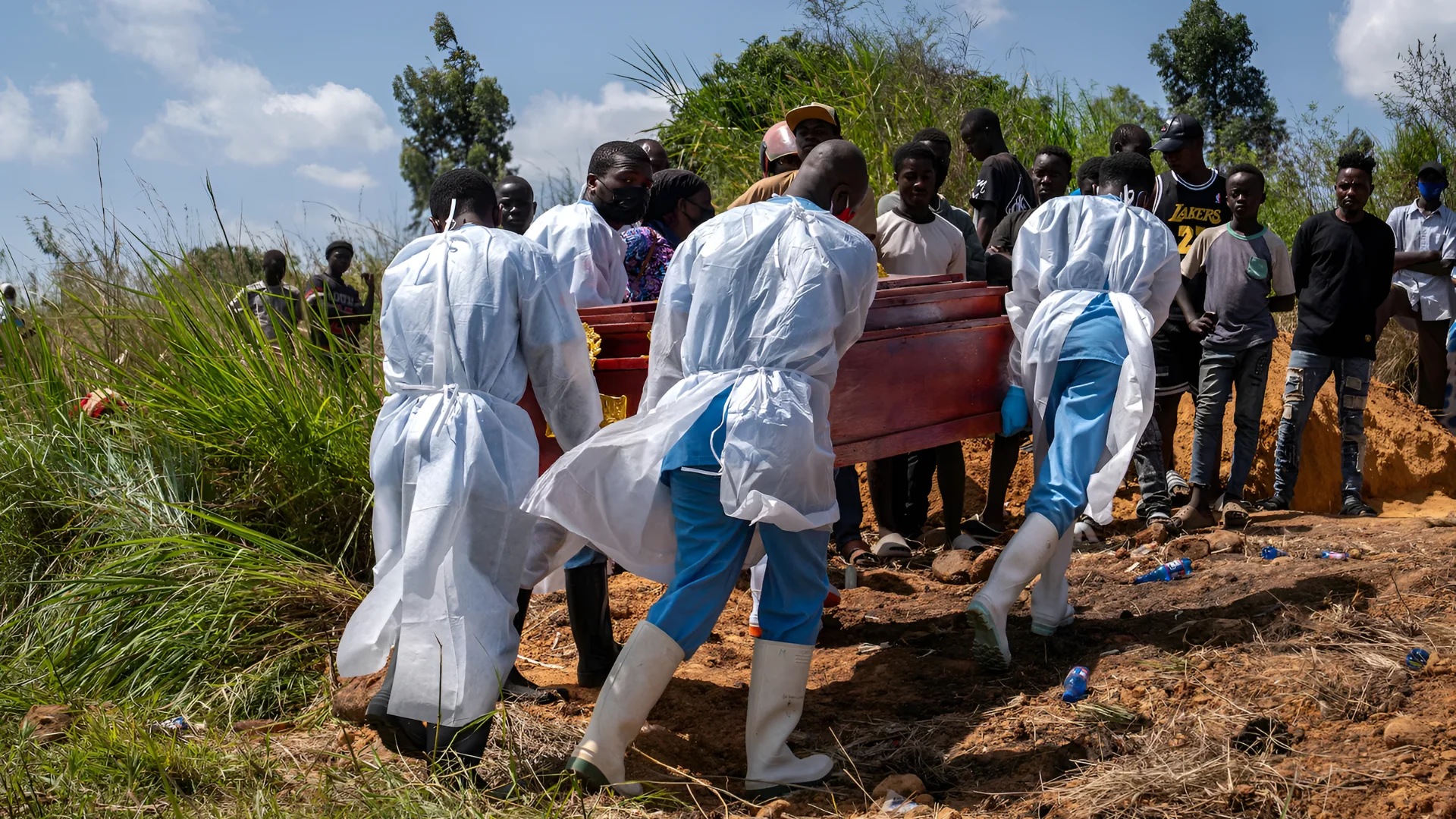
A rare strain of Ebola virus that has caused only two major outbreaks in recorded history is now spreading across northeastern DRC and Uganda, with cases surpassing 1,000, 234 deaths confirmed, and the WHO declaring a Public Health Emergency of International Concern. The response is being built from scratch — because every approved Ebola vaccine and therapeutic in existence was designed for a different strain entirely.
How the Outbreak Escalated From a Single Death to a PHEIC in Thirty Days
The first recognizable case appeared on April 24, 2026, when a healthcare worker in Bunia, Ituri Province, DRC, developed fever, hemorrhaging, and severe malaise before dying shortly afterward. The body was repatriated to the Mongbwalu health zone, a densely populated mining area, where traditional funeral practices drove the earliest wave of community transmission. Local diagnostic kits returned negative results — a detail that would delay the official response by nearly three weeks — because those kits screen only for the Zaire strain of Ebola. Blood samples had to be routed to the Institut National de Recherche Biomédicale in Kinshasa, which confirmed Ebola virus disease on May 14.
By then, four healthcare workers had died within four days in Mongbwalu, the WHO had been alerted to an unknown high-mortality illness, and an elderly Congolese man with hemorrhagic symptoms had crossed the border into Uganda, been admitted to a private hospital in Kampala on May 11, and died on May 14. Uganda confirmed its first case on May 15 after the Central Emergency Surveillance and Response Support Laboratory in Wandegeya identified the Bundibugyo strain from that patient's sample.
WHO Director-General Dr. Tedros Adhanom Ghebreyesus declared a PHEIC on May 16–17, and within days confirmed cases had reached Kinshasa, rebel-held zones in North Kivu including Goma and Butembo, and Kampala. By May 25, Dr. Tedros told a virtual ministerial briefing that the national risk level had been upgraded to "very high," and that the epidemic was outpacing the response operation. The chart below traces the outbreak's key escalation points across those thirty days.
Bundibugyo's Biological Profile Creates Two Compounding Failures
The core problem is not just that this strain is rare — it is that its biological behavior defeats two of the most reliable tools in outbreak response: early diagnosis and strain-specific treatment.
Bundibugyo ebolavirus (BDBV) has caused only two major recorded outbreaks before this one: Uganda in 2007 and DRC in 2012. Because its replication cycle is slower than that of the Zaire strain, it takes longer to disable immune cells, which means the virus lingers in the body for an extended period before triggering the immune response clinicians and laboratory tests look for. The practical consequence is that early-phase BDBV infection presents as fever, intense fatigue, headache, and sore throat — symptoms that are clinically indistinguishable from malaria or typhoid in the same region. Conspicuous hemorrhagic signs, such as nosebleeds and gastrointestinal bleeding, generally do not appear until around day five, which is precisely when most patients in resource-constrained settings have already been treated, released, or died without ever being flagged as Ebola contacts.
On the treatment side, the vaccines and monoclonal antibody therapies developed after the catastrophic 2014–2016 West Africa outbreak — Ervebo, Inmazeb, and Ebanga — are explicitly engineered to target the Zaire strain's surface proteins. They have no demonstrated efficacy against Bundibugyo. The historical case fatality rate for BDBV falls between 25 and 50 percent, a range that reflects both limited data from only two prior outbreaks and the absence of any approved intervention that could meaningfully lower it. The three metrics below, drawn directly from the source-backed outbreak profile, summarize the epidemiological and historical context that shapes the severity of that gap.
An Experimental Pipeline Under Emergency Pressure, With No Proven Human Data
With no approved tools available, the response has pivoted entirely to investigational candidates. The U.S. is coordinating the shipment of MBP134, an experimental monoclonal antibody developed by Mapp Biopharmaceutical, which has shown efficacy against the Bundibugyo strain in animal models. The U.S. Department of Health and Human Services confirmed it is sending MBP134 to Germany for the clinical management of exposed American personnel. Separately, the WHO and Africa CDC are fast-tracking clinical trial protocols to evaluate obeldesivir, an antiviral candidate, as a potential post-exposure prophylactic for high-risk contacts.
Neither treatment has an established safety and efficacy profile in human patients. Both have been evaluated primarily in animal studies, which means the physicians treating the roughly seven Americans with confirmed exposure or positive tests are making clinical decisions under conditions of genuine pharmacological uncertainty.
The situation in the field compounds those uncertainties. The epidemic is concentrated in Ituri and North Kivu, where armed conflict has displaced more than a million people, where contact tracing relies on informal health networks, and where local trust of outside health authorities has broken down in ways that directly undermine containment. Over the weekend of May 24–25, community members attacked the Mongbwalu General Referral Hospital four times following the death of a local religious leader, burning Médecins Sans Frontières isolation tents and allowing more than 18 infected patients to leave. Dr. Ancia, the WHO representative in Bunia, described the coercion problem directly: forced measures, she said, risk driving cases underground entirely.
The outbreak has also collided with the logistical and political architecture of the 2026 FIFA World Cup in North America. The White House has ordered the DRC national soccer team to serve a 21-day isolation period in Belgium before entering the United States — a measure that reflects the scale of institutional anxiety around importation risk, even as health officials have cautioned that transmission requires direct contact with bodily fluids. For a wider read on what is driving the outbreak's geography and spread and how U.S. airport screening works, see our related coverage.
The chart below presents an ordinal readiness assessment for the three main intervention categories, based on the source-described development status of each.
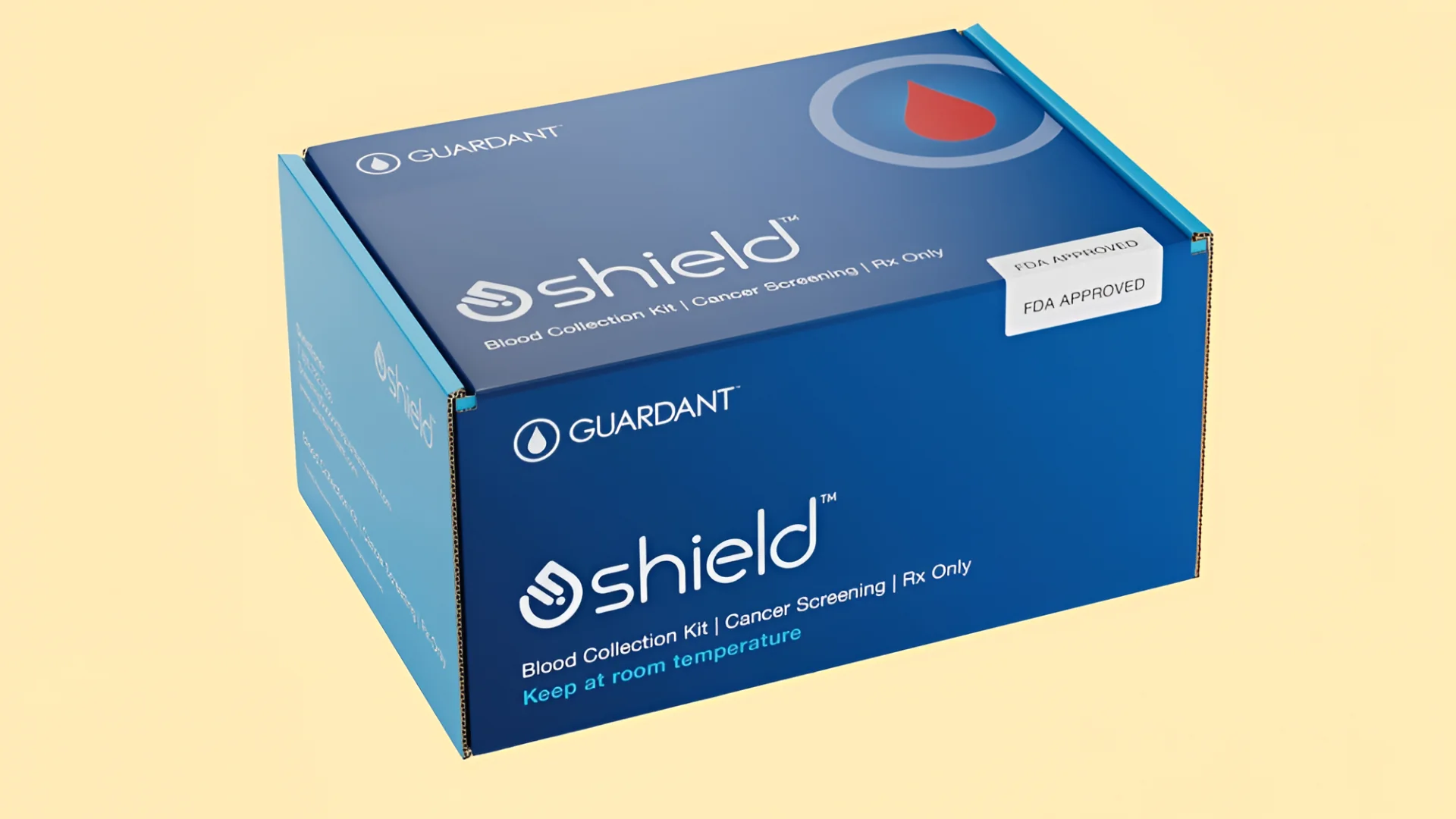
Blood Test Added to Colorectal Cancer Screening
The ACS updated its colorectal cancer screening guidelines on May 27, 2026, to include Shield, an FDA-approved blood test from Guardant Health, as an option for adults who decline traditional tests.
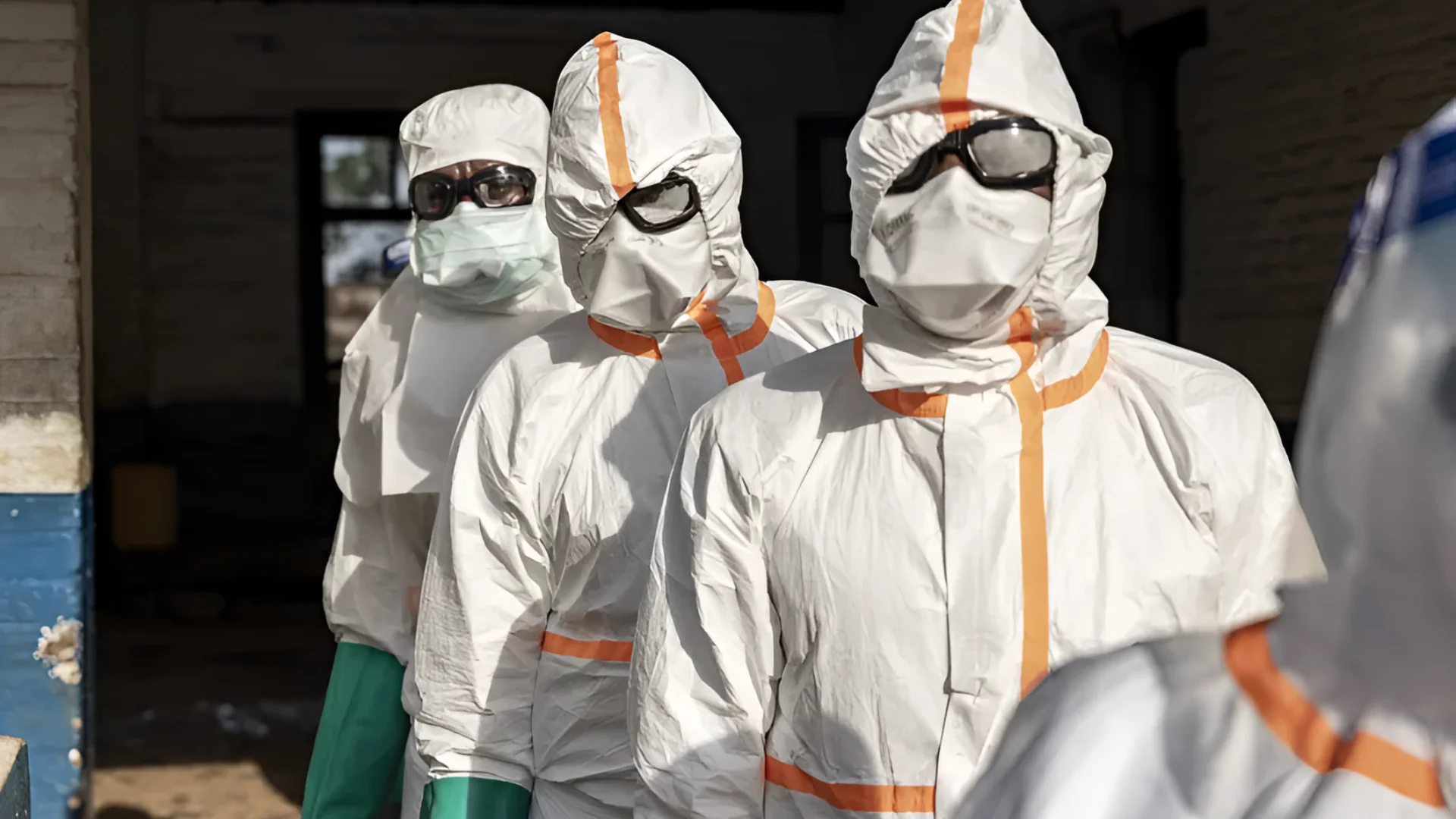
Ebola Bundibugyo Outbreak DRC 2026: What's Driving It
A Bundibugyo ebolavirus outbreak declared a PHEIC by WHO in May 2026 has surpassed 900 suspected cases in eastern DRC, with no approved vaccine and containment blocked by war, displacement, and community mistrust.
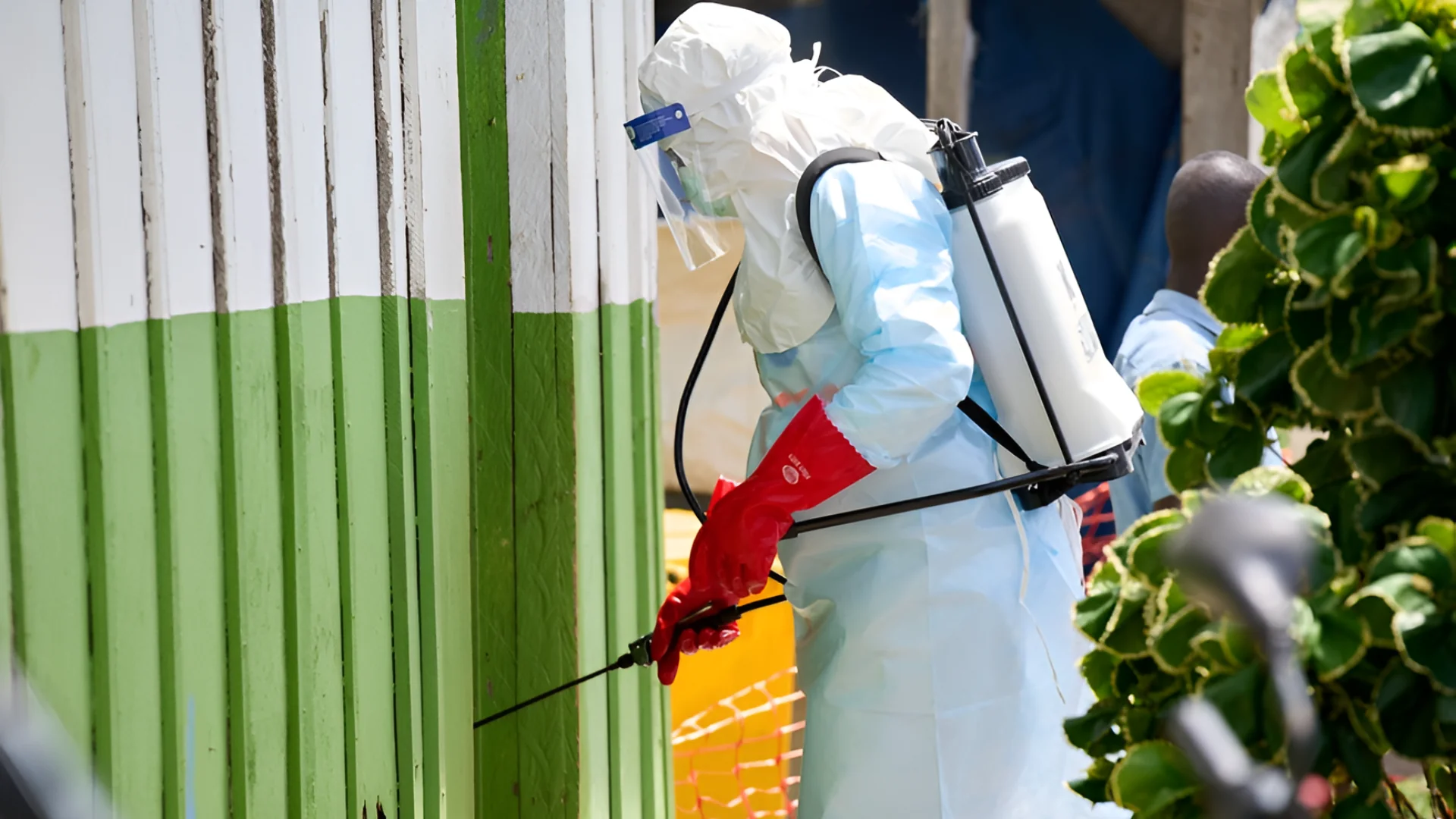
Ebola 2026: US Travel Ban and Dulles Screening Explained
A Bundibugyo ebolavirus outbreak declared a PHEIC by the WHO has prompted the CDC to issue a 30-day entry ban and route all at-risk US-bound passengers through Washington Dulles for health screening.

QuEChERS-GC-MS Detects PAHs in Food: Key Findings
A peer-reviewed 2025 study from SeoulTech optimized a QuEChERS-GC-MS method for PAH detection in foods, reporting validated recovery rates of 86–109% and LODs as low as 0.006 µg/kg.

Comments (0)
Please sign in to join the discussion.
No comments yet.
Be the first to share your perspective on this topic.