
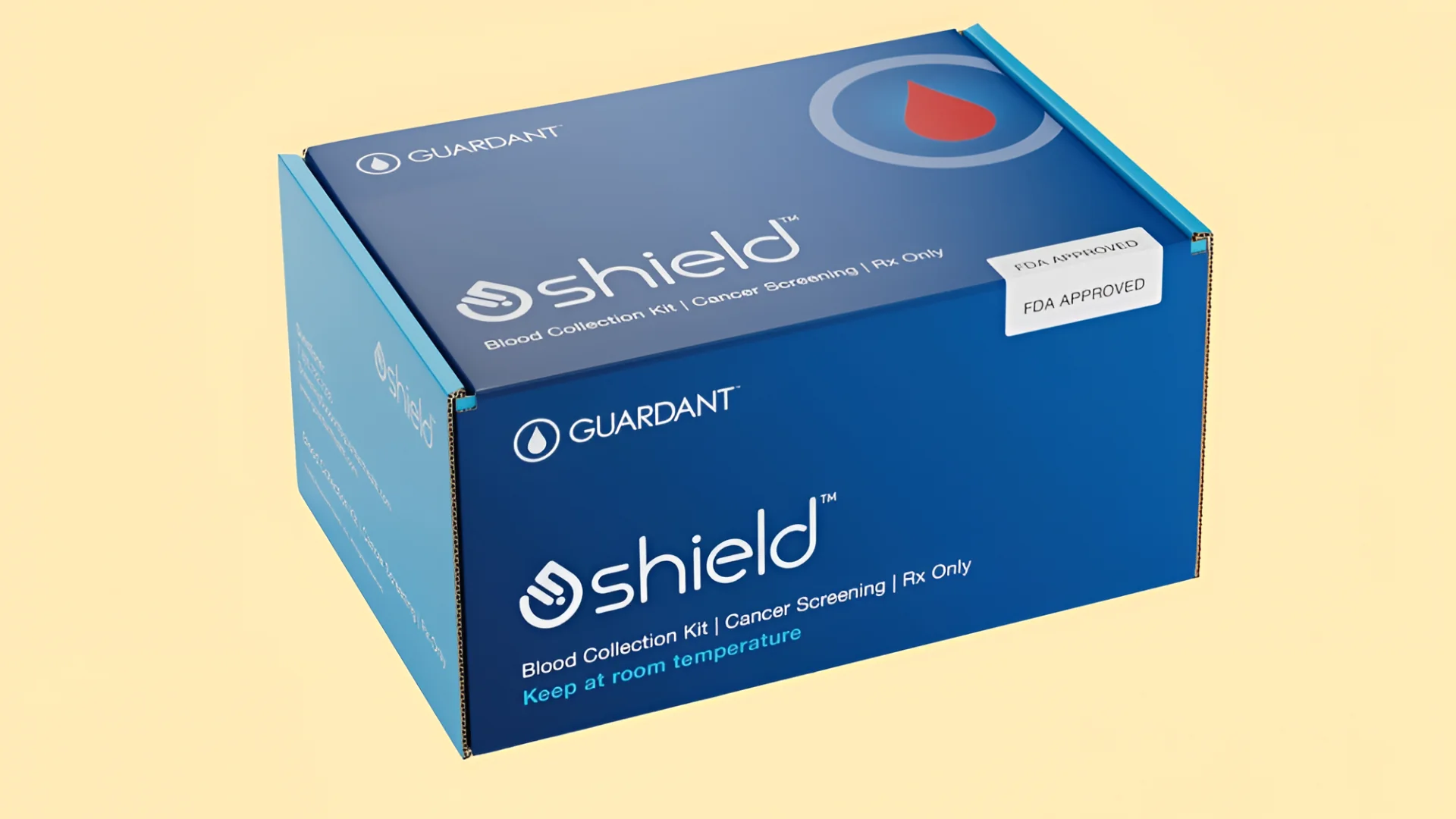
For the first time, the American Cancer Society has added a blood test to its colorectal cancer screening guidelines — a change aimed at reaching more than 50 million eligible Americans who remain unscreened.
A Blood Draw Is Now a Recognized Screening Path
On May 27, 2026, the ACS updated its colorectal cancer screening guidelines to include Shield, a blood test developed by Guardant Health. Shield is the first and only FDA-approved blood test to be included in both ACS and National Comprehensive Cancer Network guidelines for colorectal cancer screening.
The test is recommended for adults aged 45 and older who are at average risk for the disease. Critically, the ACS positions it as an option specifically for patients who decline or have not completed traditional screening methods — stool-based tests like FIT or FIT-DNA/RNA, or visual exams like a colonoscopy. It is not presented as a preferred first-line alternative to those tests.
The update reflects an acknowledgment of what clinicians have observed for years: a large share of eligible Americans simply do not get screened, often because of the preparation required for a colonoscopy or the practical discomfort of stool-based tests. Shield can be completed with a standard blood draw during a routine doctor's visit. Real-world data cited by experts in the source package shows an adherence rate above 90% for the test, compared with lower rates for stool-based tests and colonoscopy among patients who have previously declined those options.
Colorectal cancer is now the leading cause of cancer death in men under 50, and the second leading cause in women under 50. The scale of the screening gap makes even an imperfect test clinically meaningful if it reaches people who would otherwise go undetected entirely.
The three charts below summarize the key facts and trade-offs the ACS guideline update introduces.
Why the Blood Test Is a Second-Line Option, Not a Replacement
The ACS's decision to position Shield as a second-line option — rather than an equivalent alternative — is grounded in a real sensitivity gap. Experts cited across the source package noted that the blood test is less sensitive than colonoscopy or stool-based DNA/RNA tests at detecting advanced precancerous lesions and early-stage cancers.
A colonoscopy remains the most thorough screening method: it can detect and remove precancerous polyps in a single procedure. FIT-DNA/RNA stool tests, such as Cologuard, detect cellular and molecular markers in the stool and carry higher sensitivity for early-stage colorectal cancer than a simple FIT test alone. Shield, by contrast, looks for cancer-related DNA signals in a blood sample — a less invasive but also less sensitive approach.
The ACS's logic is explicit: if a patient has already declined or failed to complete a stool test or colonoscopy, a positive result from a blood test is better than no result at all. A positive Shield result requires prompt follow-up with a colonoscopy to confirm the presence of cancer or precancerous polyps. The blood test is a triage and engagement tool; it does not replace the confirmatory exam.
This sensitivity comparison, based on expert commentary in the source package, reflects the directional relationship between detection strength and patient acceptance across the four main options.
Who the Blood Test Is For, and What It Costs
The ACS recommendation is explicit about the intended population: adults aged 45 and older who are at average risk for colorectal cancer and who have declined or not completed stool-based tests or a colonoscopy. Patients who are already up to date with another approved screening method do not need to add the blood test.
For those who do use Shield, coverage is in place for a meaningful portion of the eligible population. Medicare covers the test for eligible fee-for-service patients, often with no out-of-pocket cost. If the test returns a positive result, the Centers for Medicare and Medicaid Services also covers the cost of the follow-up colonoscopy. Private insurance coverage varies, and patients should confirm their plan's terms before ordering the test.
The decision pathway for most patients is straightforward: anyone 45 or older at average risk who has not been screened should talk to their doctor about the full range of options. For patients who would otherwise remain unscreened, Shield now represents a guideline-backed starting point — with the understanding that a positive result is the beginning of the diagnostic process, not the end.

Bundibugyo Ebola 2026: Why Standard Tools Won't Work
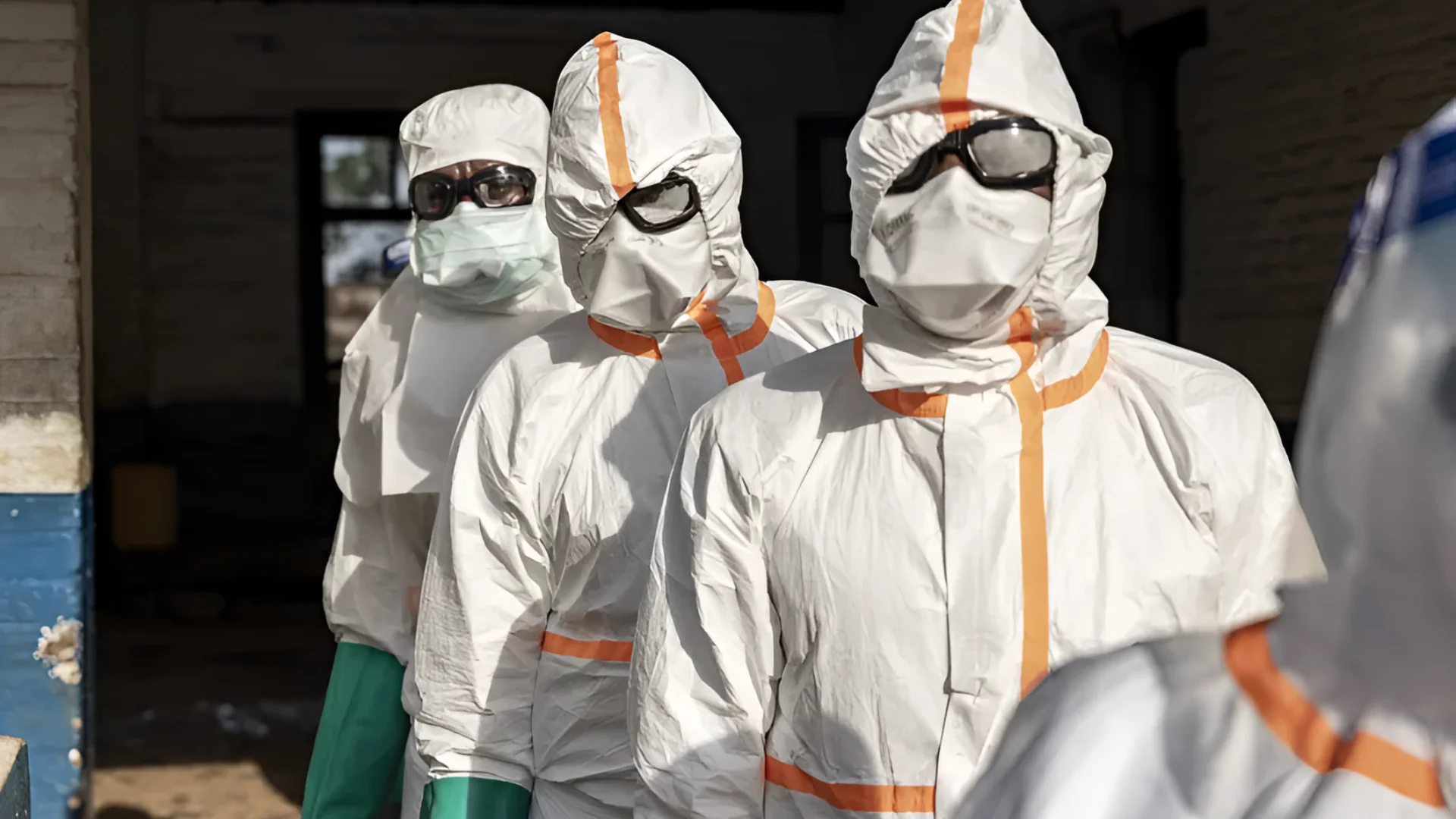
A rare Bundibugyo ebolavirus outbreak declared a PHEIC in May 2026 has exposed a critical gap: every approved Ebola vaccine and antibody therapy targets the Zaire strain only, leaving responders without proven countermeasures.
Ebola Bundibugyo Outbreak DRC 2026: What's Driving It
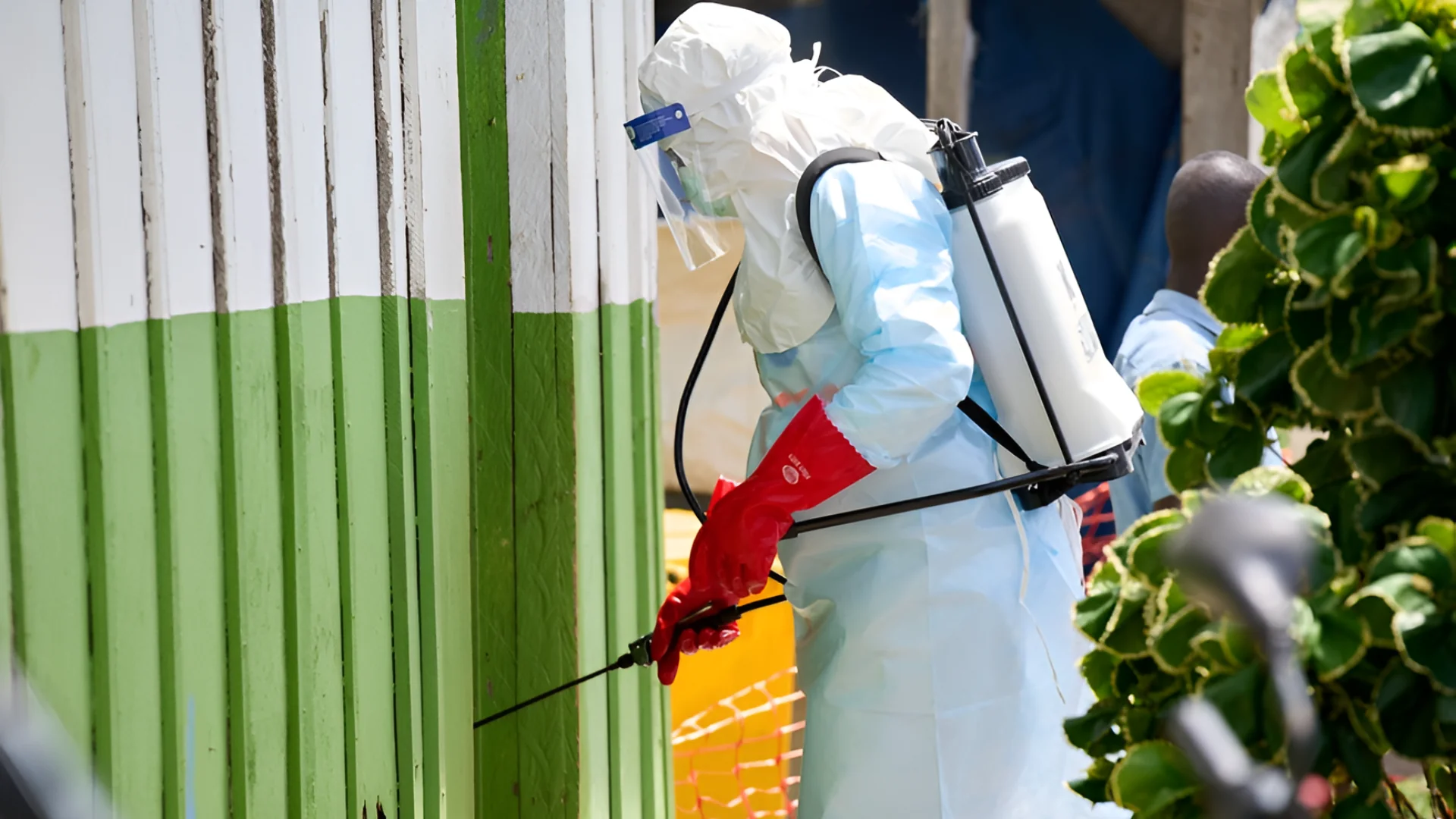
A Bundibugyo ebolavirus outbreak declared a PHEIC by WHO in May 2026 has surpassed 900 suspected cases in eastern DRC, with no approved vaccine and containment blocked by war, displacement, and community mistrust.
Ebola 2026: US Travel Ban and Dulles Screening Explained
A Bundibugyo ebolavirus outbreak declared a PHEIC by the WHO has prompted the CDC to issue a 30-day entry ban and route all at-risk US-bound passengers through Washington Dulles for health screening.

QuEChERS-GC-MS Detects PAHs in Food: Key Findings
A peer-reviewed 2025 study from SeoulTech optimized a QuEChERS-GC-MS method for PAH detection in foods, reporting validated recovery rates of 86–109% and LODs as low as 0.006 µg/kg.

Comments (0)
Please sign in to join the discussion.
No comments yet.
Be the first to share your perspective on this topic.