
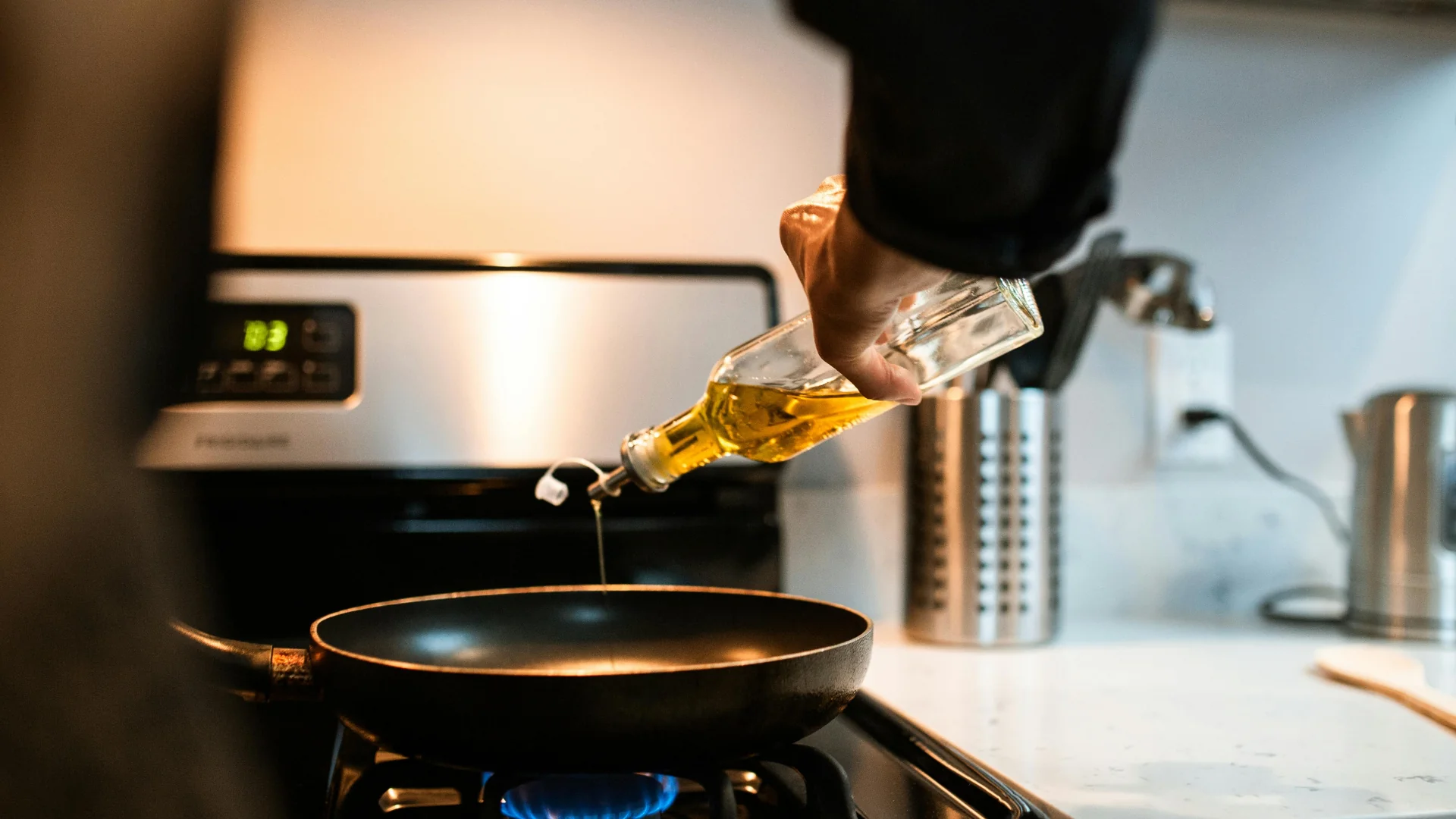
Researchers at Seoul National University of Science & Technology have validated a streamlined chemical extraction method capable of detecting eight polycyclic aromatic hydrocarbons across multiple food types with high sensitivity and recovery accuracy. When they applied the method to common foods, soybean oil returned the highest PAH concentrations, followed by duck meat and canola oil.
Why the Extraction Method Matters for Routine Food Safety Monitoring
Polycyclic aromatic hydrocarbons are a class of hydrophobic organic compounds — built from multiple fused aromatic rings — that form when organic matter burns or is exposed to high heat. Several variants are established carcinogens. Foods accumulate PAHs through environmental contamination and through cooking and processing methods that involve direct flame, smoke, or prolonged high-temperature exposure: grilling, smoking, roasting, frying, and industrial heat treatment all contribute.
Detecting them reliably has historically been expensive and slow. The conventional approaches — liquid-liquid extraction, solid-phase extraction, and accelerated solvent extraction — require significant reagent volumes, produce chemical waste, and demand trained labor and time. For monitoring programs that need to screen large numbers of food samples routinely, those constraints are a practical barrier.
The SeoulTech team, led by Jihun Jeong, Minju Koo, and Joon-Goo Lee from the Department of Food Science and Biotechnology, optimized a QuEChERS (Quick, Easy, Cheap, Effective, Rugged, and Safe) extraction paired with Gas Chromatography-Mass Spectrometry detection. The method uses acetonitrile as the extraction solvent and an optimized sorbent combination for sample cleanup, reducing both the procedural footprint and the volume of hazardous solvents involved. The study was published in Food Science and Biotechnology in June 2025.
The chart below summarizes the four key analytical performance dimensions the team validated.
What the Validation Numbers Show in Practice
The reported linearity — an R² above 0.99 for all eight targeted PAHs — means the instrument's signal responds predictably across the tested concentration range. That predictability is a precondition for reliable quantification: without it, measured values in unknown samples would carry substantial systematic error.
The LOD values, ranging from 0.006 to 0.035 µg/kg, indicate the method can detect PAH presence at concentrations far below typical regulatory concern thresholds. For context, the European Union's limits for the four EU-priority PAHs (the PAH4 group) in smoked meats run in the range of 12 µg/kg for benzo[a]pyrene equivalents — the method's quantification floor is orders of magnitude below that ceiling, which leaves substantial headroom for monitoring sub-threshold accumulation.
Recovery rates between 86.3% and 109.6% across diverse food matrices — at spike concentrations of 5, 10, and 20 µg/kg — indicate the extraction procedure is consistently pulling PAHs out of the food material without losing them to the matrix or generating false positives through contamination. An internationally accepted recovery window for food residue methods typically runs from 70% to 120%; the study's results sit well within that band. Precision, reported as relative standard deviation between 0.4% and 6.9%, confirms the method produces reproducible results across repeated runs.
The chart below places the recovery performance across all three spike levels in direct comparison.
Soybean Oil, Duck Meat, and Canola Oil Returned the Highest PAH Concentrations
When the validated method was applied to real food samples, the researchers found the highest PAH concentrations in soybean oil, followed by duck meat and canola oil. The paper does not report the specific study's detection figures, and these findings represent the monitoring results under the study's controlled sampling conditions, not a comprehensive survey of commercial products.
The result is not surprising given what is known about PAH formation pathways. Vegetable oils can concentrate PAHs through two routes: absorption from soils where the source crops were grown, and thermal processing during industrial refining — particularly deodorization steps that involve high temperatures. The presence of elevated levels in both soybean and canola oil is consistent with the refining pathway, though the study does not attribute the source explicitly.
Duck meat's position near the top of the ranking is plausible because duck is frequently smoked or roasted at high heat, and its higher fat content can absorb and retain lipophilic compounds like PAHs more readily than leaner meats. Again, the study's monitoring results do not isolate a specific cooking method or sourcing condition for the duck samples tested.
The practical implication is that the method is capable of discriminating PAH load across food categories — a useful property for food safety agencies that need to prioritize which commodity types to survey more intensively. The chart below shows the relative PAH concentration ranking as reported by the study.
Where the Method's Validated Performance Ends
The study's validation results are strong within the controlled conditions of the experiment. Real-world PAH levels in the same food categories will vary considerably based on factors the method itself cannot control: the type of wood used in smoking operations, furnace temperatures in industrial oil refining, the origin of raw agricultural inputs grown in contaminated soils, and differences in commercial processing protocols between producers.
The SeoulTech team acknowledges this boundary in their findings. The validated QuEChERS-GC-MS procedure can accurately detect and measure PAHs when they are present; it does not resolve the upstream variability in how much PAH accumulates across different production environments. For regulatory or surveillance use, that means the method is a reliable analytical tool for screening — but the monitoring program design, including how samples are selected and from which points in the supply chain, determines whether the results reflect typical consumer exposure or only a slice of it.
The study's LOD and LOQ figures suggest the method is sensitive enough to support both routine compliance screening and early-warning monitoring well below current regulatory thresholds, which gives food safety laboratories a practical instrument for programs that need to act before contamination reaches reportable levels.
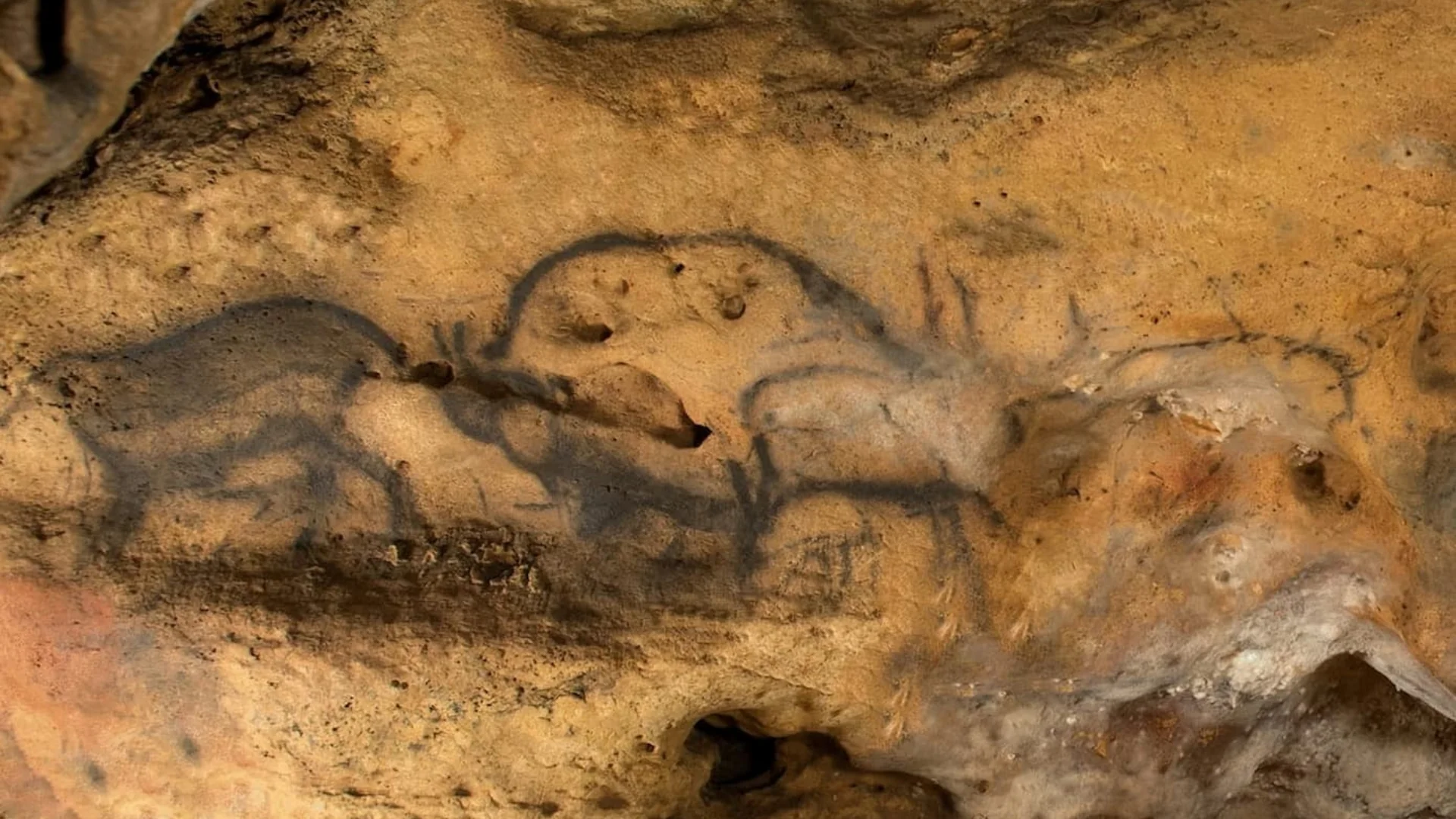
Font-de-Gaume Cave Art Gets Its First Confirmed Radiocarbon Dates
Chemical imaging found charcoal pigment in Font-de-Gaume cave art, letting scientists radiocarbon-date a bison and mask, confirming their Paleolithic age.
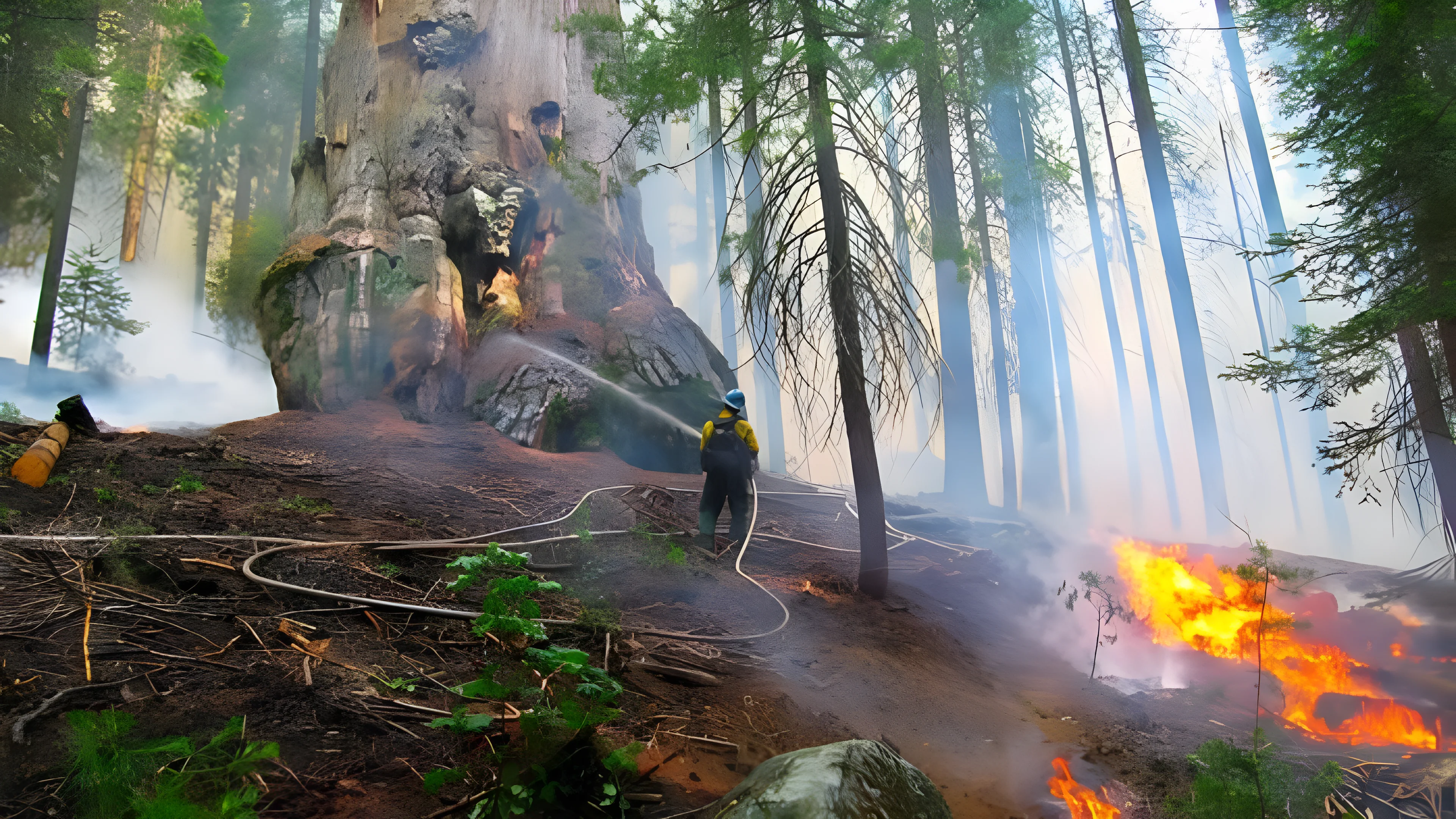
Prescribed Burns Cut Giant Sequoia Wildfire Deaths by 77%, Study Finds
A Nature Communications study of 26,403 giant sequoias found prescribed fire cut wildfire mortality odds 77%, already saving nearly 1,900 ancient trees.

Three Venus Rift Valleys May Be Tectonically Active Today
New 3D models of Venus rifts show extension rates of 3–10 cm/yr; wide flank uplifts at Dali, Ganis and Devana Chasmata suggest active rifting, a new study finds.

New Antiviral GHP-88310 Blocks Airborne Measles-Like Transmission in Ferret Study
GHP-88310, an oral antiviral, blocked airborne CDV spread in ferrets and cut sources' contagious period by 5 days, a new Nature Microbiology study finds.
Comments (0)
Please sign in to join the discussion.
No comments yet.
Be the first to share your perspective on this topic.