
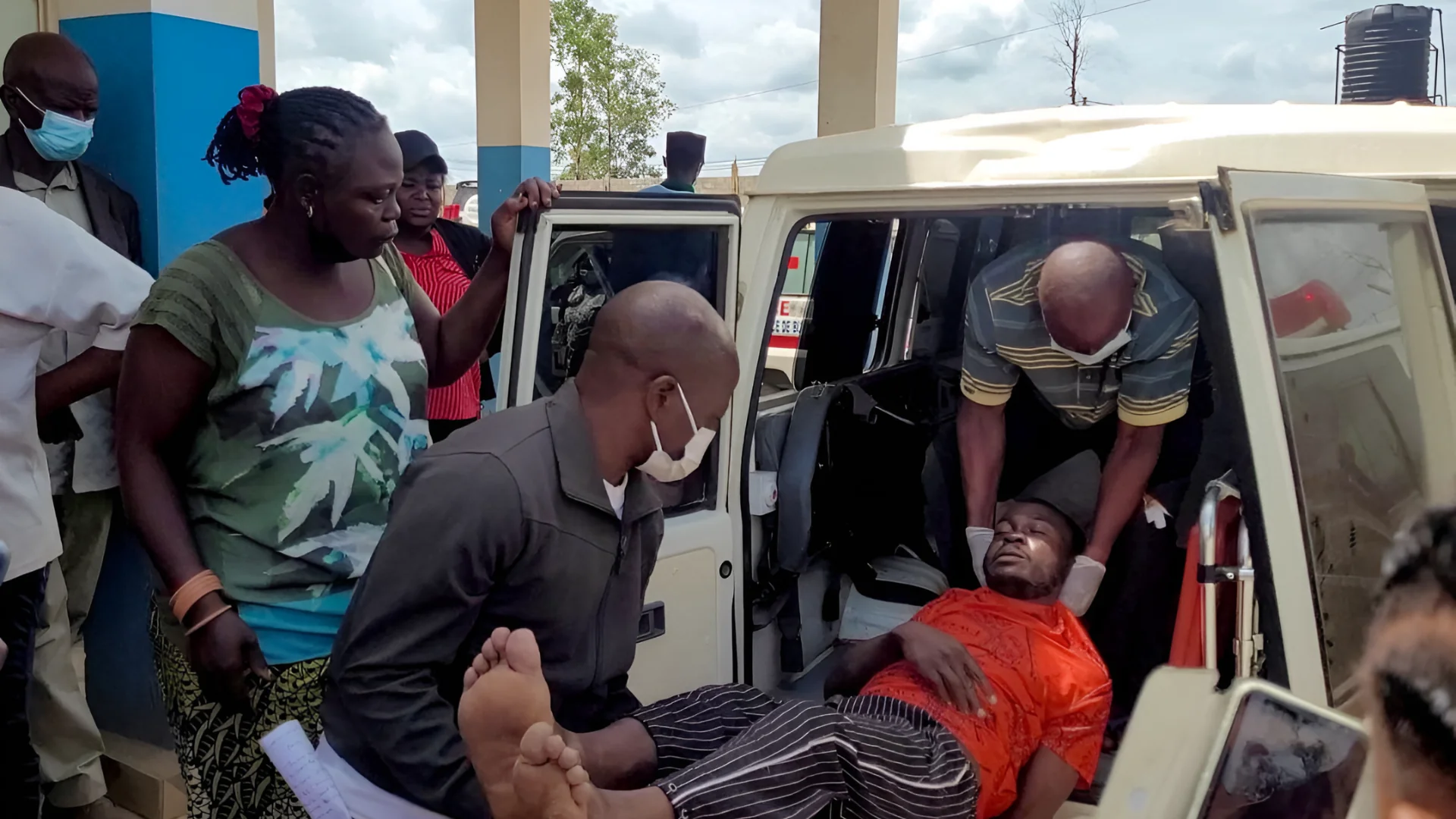
The Bundibugyo strain of Ebola, for which no vaccine or targeted treatment has been approved, has infected more than 600 suspected people across the Democratic Republic of Congo and Uganda, prompting a WHO declaration of a Public Health Emergency of International Concern and the evacuation of an American surgeon to Germany.
Why the Bundibugyo Strain Complicates the Response
Most of the world's institutional Ebola preparedness — including the two approved vaccines rVSV-ZEBOV (Ervebo) and Ad26.ZEBOV/MVA-BN-Filo (Zabdeno/Mvabea) — was developed specifically against the Zaire strain, which drove the 2014–2016 West Africa epidemic and the 2018–2020 DRC outbreak. The Bundibugyo strain is genetically distinct enough that those vaccines do not confer confirmed protection against it.
The strain was first identified in Uganda's Bundibugyo district in 2007 and appeared again in DRC's Isiro in 2012. Both earlier outbreaks were contained at fewer than 100 confirmed cases. The current outbreak is already far larger by suspected case count, though the gap between 600-plus suspected cases and 51 confirmed cases in DRC plus 2 in Kampala reflects the pace of laboratory processing in active field conditions — not necessarily a proportional indicator of actual spread.
Bundibugyo carries an estimated case fatality rate of 25 to 50 percent, according to reporting drawing on WHO data. That range is wide because outbreak conditions affect both the numerator (deaths) and the denominator (true case count), and early phases of an outbreak typically see the denominator underestimated. The 139 suspected deaths reported as of May 20, 2026, cannot yet be translated into a reliable case fatality rate until confirmed case counts stabilize.
The WHO Director-General, Tedros Adhanom Ghebreyesus, said the outbreak likely began "a couple of months ago," suggesting undetected community transmission preceded formal notification — a pattern consistent with Ebola emergence in areas where health system capacity to test and report is limited.
How an American Surgeon Became the Outbreak's Most Visible Case
Dr. Peter Stafford, an American surgeon affiliated with the Christian missionary organization Serge, was working at Nyankunde Hospital in DRC's Ituri province when he operated on a 33-year-old patient presenting with severe abdominal pain. The patient died the following day and was buried before any Ebola test could be performed. A retrospective assessment later concluded the patient had died from Ebola.
The burial before testing is epidemiologically significant. In standard Ebola contact-tracing protocol, the body of a confirmed case is treated as a high-risk exposure source, and all individuals present at burial are traced and monitored. Because no test was taken before burial, the complete exposure network around that patient — at the hospital and at the burial site — could not be reconstructed through conventional means.
Dr. Stafford tested positive on Sunday and was evacuated to Germany, where he is receiving medical care. Reports described him as "barely strong enough to walk" during the transfer. His wife, Dr. Rebekah Stafford, who also treated the index patient, their four young children, and a colleague, Dr. Patrick LaRochelle, are being closely monitored. None had tested positive as of the most recent reporting.
The evacuation to Germany reflects a practical reality: high-level Ebola containment care — including full personal protective equipment capacity, negative-pressure rooms, and experimental therapeutic access — is concentrated in a small number of specialist centers in Europe and North America. It does not indicate the virus has spread to Germany.
What Governments and the WHO Have Activated So Far
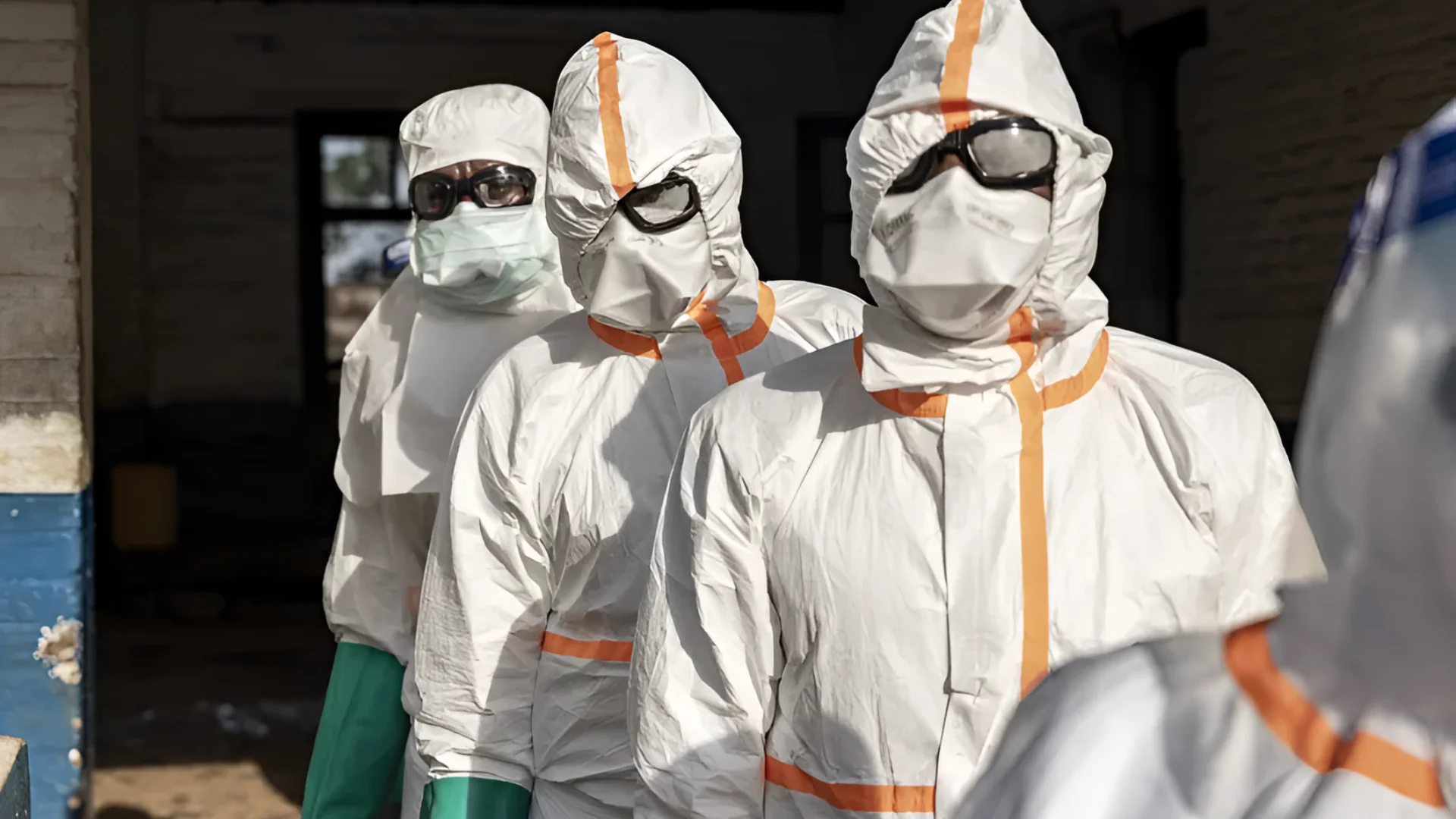
The WHO has deployed emergency personnel and supplies and released $3.4 million from its Contingency Fund for Emergencies. The PHEIC declaration, the organization's highest alert level, creates formal obligations for member states to report cases and strengthens the WHO's mandate to coordinate the international response.
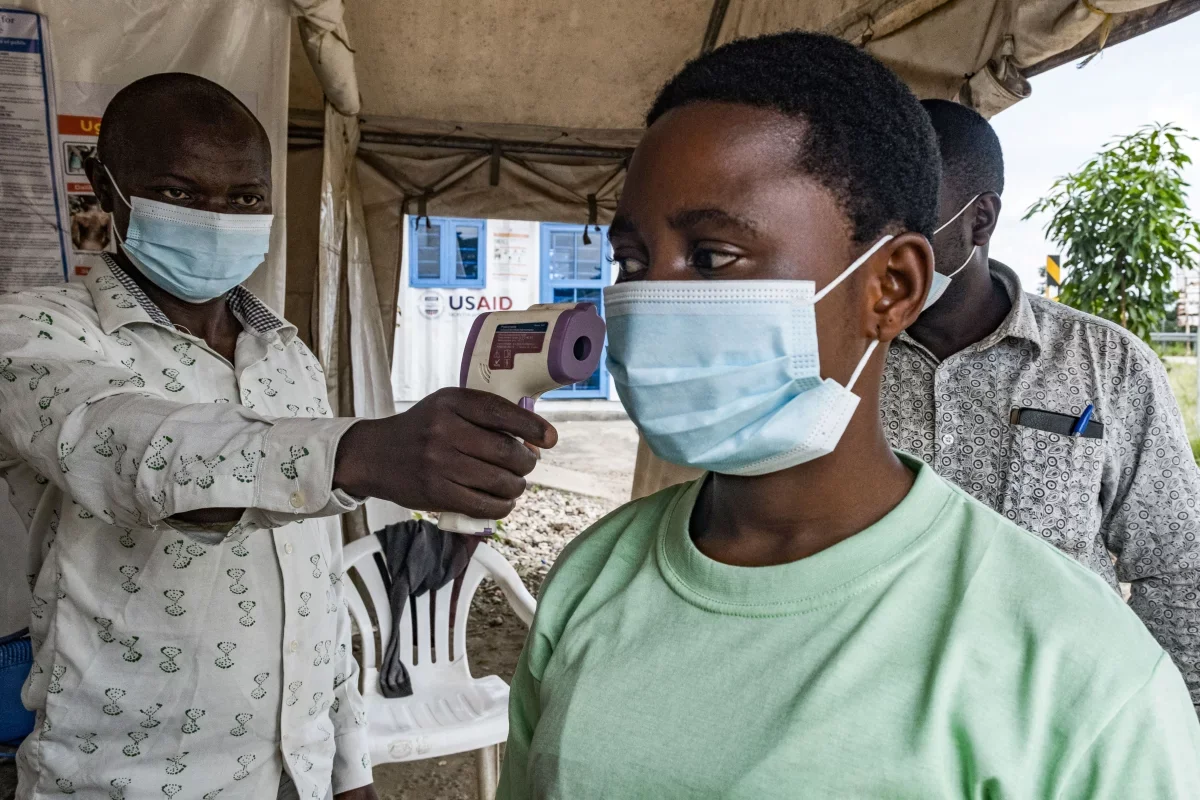
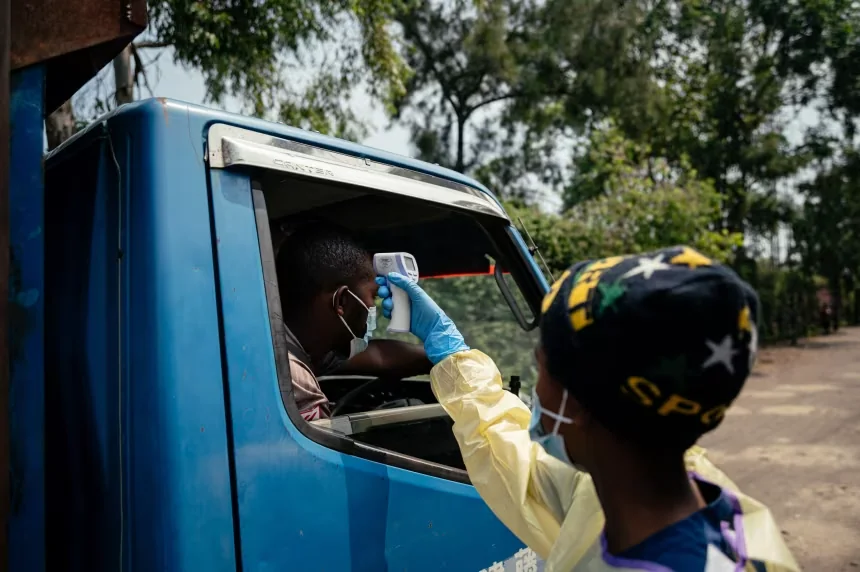
The United States is funding up to 50 treatment clinics across DRC and Uganda. The CDC and the Department of Homeland Security initiated enhanced public health screenings at U.S. ports of entry for travelers from affected regions. These screenings use symptom checks and travel history questionnaires; they are not a reliable mechanism for detecting pre-symptomatic Ebola, since the disease's incubation period of two to 21 days means an infected traveler may show no signs at the point of departure or arrival.
Uganda postponed its annual Martyrs' Day celebrations, an event that typically draws approximately two million people, specifically to prevent the kind of mass gathering that accelerates transmission through close contact. The decision is consistent with the outbreak-response playbook applied during previous Ebola emergencies — large religious and cultural gatherings have been identified as amplification events in past outbreaks.
The combination of cross-border spread into Kampala, a capital city with an international airport and high population density, and the absence of an approved Bundibugyo-specific vaccine means the containment window for this outbreak depends heavily on the speed and coverage of isolation, contact tracing, and safe burial practice — the same non-pharmaceutical interventions that ultimately ended the 2007 and 2012 Bundibugyo outbreaks before any vaccine existed.
Ebola Bundibugyo Outbreak DRC 2026: What's Driving It
A Bundibugyo ebolavirus outbreak declared a PHEIC by WHO in May 2026 has surpassed 900 suspected cases in eastern DRC, with no approved vaccine and containment blocked by war, displacement, and community mistrust.
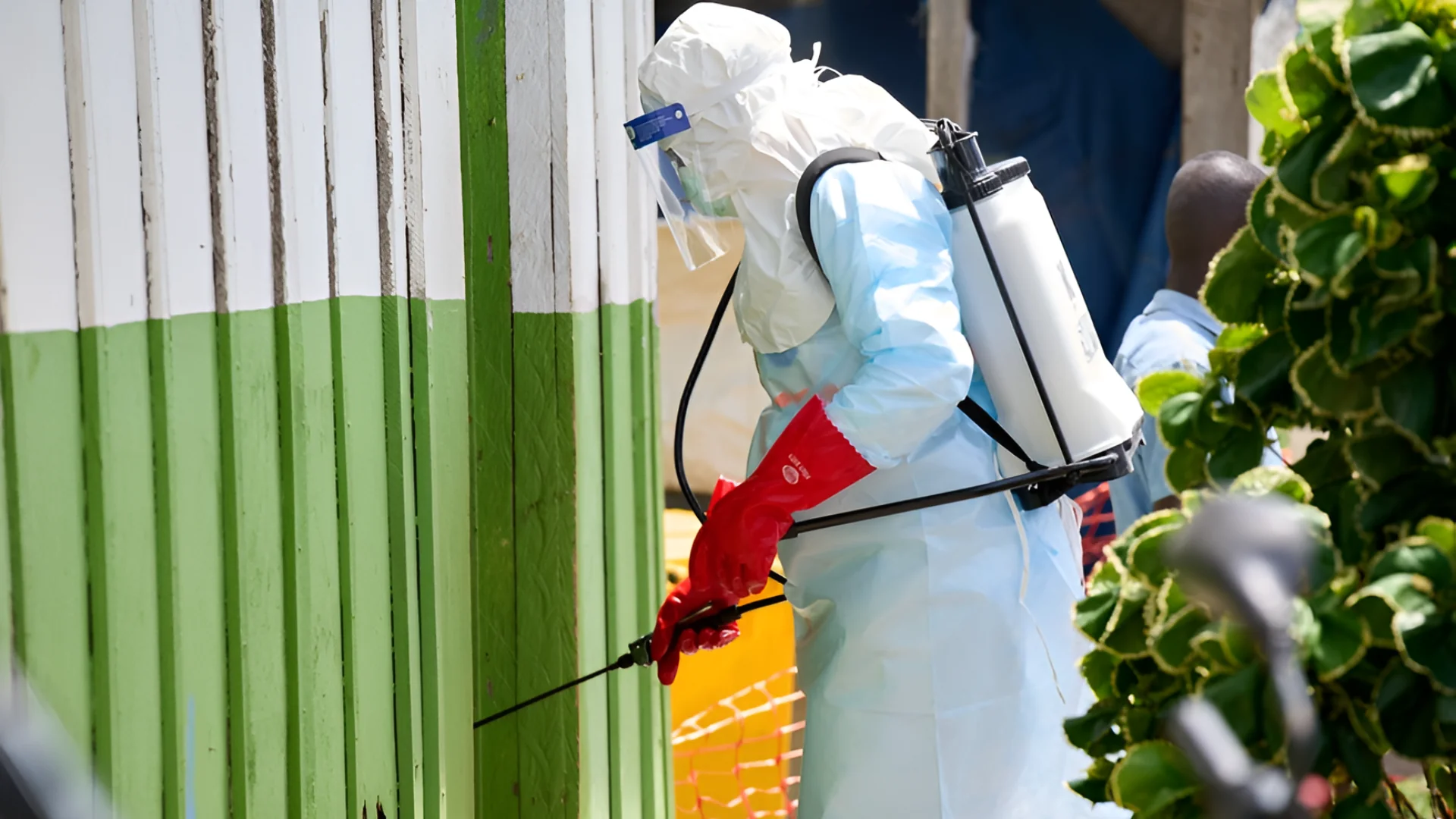
Ebola 2026: US Travel Ban and Dulles Screening Explained
A Bundibugyo ebolavirus outbreak declared a PHEIC by the WHO has prompted the CDC to issue a 30-day entry ban and route all at-risk US-bound passengers through Washington Dulles for health screening.

QuEChERS-GC-MS Detects PAHs in Food: Key Findings
A peer-reviewed 2025 study from SeoulTech optimized a QuEChERS-GC-MS method for PAH detection in foods, reporting validated recovery rates of 86–109% and LODs as low as 0.006 µg/kg.


Tap vs. Bottled Water: PFAS and Microplastics Risk
New research shows bottled water carries far more nanoplastics than treated tap water, while tap water faces PFAS contamination in nearly half of U.S. systems. What consumers can actually do.
Comments (0)
Please sign in to join the discussion.
No comments yet.
Be the first to share your perspective on this topic.