
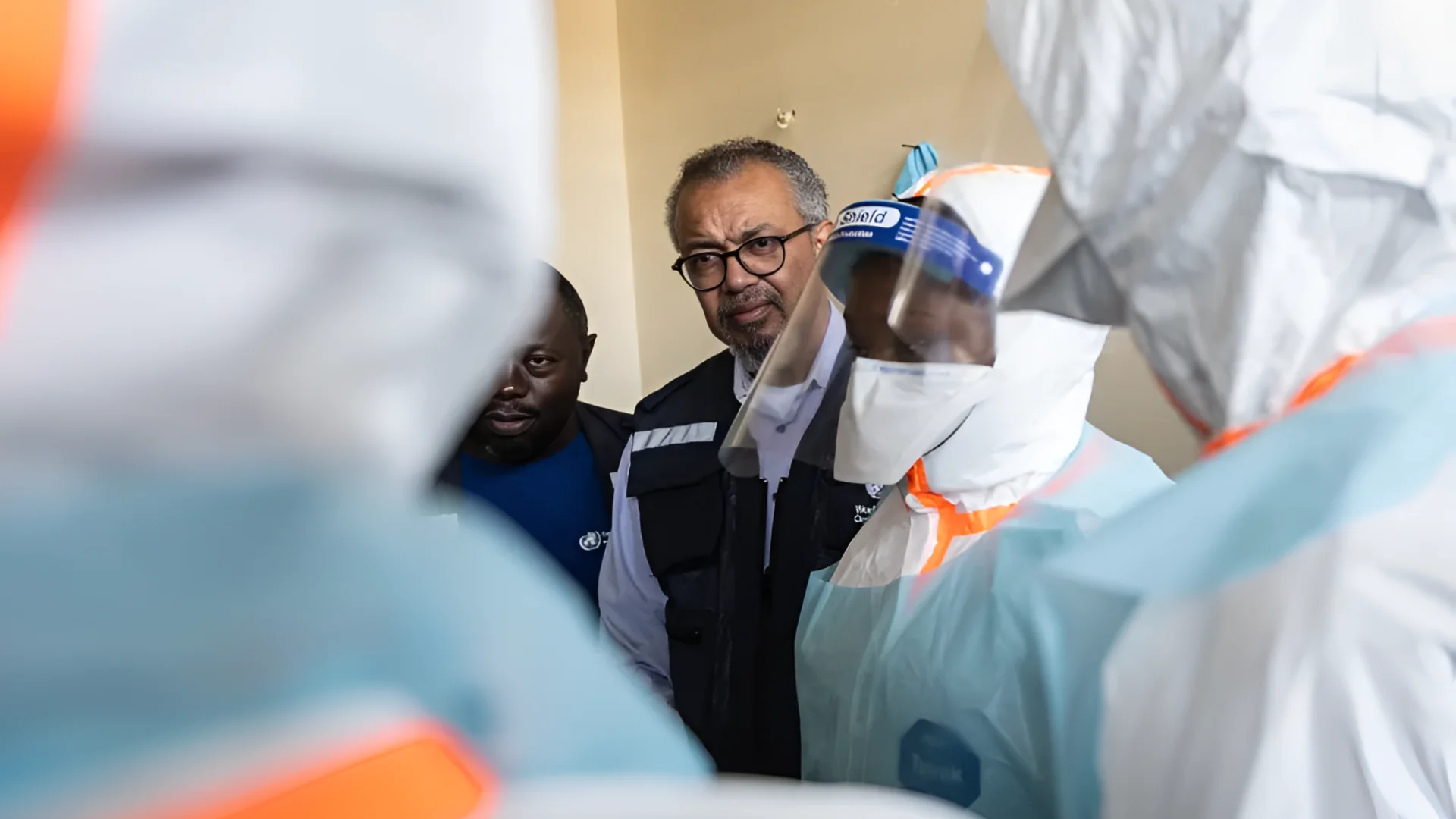
A cross-border Ebola outbreak is spreading through the Democratic Republic of Congo and Uganda, with more than 40 confirmed deaths and over 260 confirmed cases as of June 1, 2026. The strain driving it — Bundibugyo ebolavirus — is not the one most Ebola diagnostics, therapeutics, and vaccines were built to fight.
The Scale of the Outbreak, and Why It Was Hidden
Health authorities have confirmed more than 260 cases across the DRC and Uganda and are investigating over 1,100 additional suspected infections, according to reporting on the outbreak's scope. Independent health groups have warned that the virus likely spread undetected for several months before it was officially identified, meaning the outbreak had already been circulating before containment measures could be applied.
The precise geographic zone where that silent spread occurred remains unmapped — a gap that complicates tracing transmission chains and setting containment boundaries. The cross-border nature of the outbreak, straddling DRC and Uganda, adds a jurisdictional layer to what is already a logistically difficult response in a region with limited health infrastructure.
Ground reports from local facilities have noted initial patient recoveries, offering a cautious signal that some individuals are surviving. That signal matters for response planning, but the number of cases still under investigation dwarfs the confirmed count.
The chart below shows the three figures that define the outbreak's known scope as of June 1, 2026.
Why the Standard Ebola Countermeasures Don't Apply Here
The Bundibugyo ebolavirus is one of several distinct species within the Ebola genus. The dominant strain in prior outbreaks — and the one that shaped the development of mainstream Ebola response tools — is the Zaire strain. The vaccines, rapid diagnostic platforms, and therapeutics that saw wide deployment during the 2014–2016 West Africa outbreak and subsequent DRC outbreaks were designed against Zaire ebolavirus.
Bundibugyo is structurally different enough at the molecular level that those tools are, according to the sourced reporting, largely mismatched for this outbreak. This is not a supply problem — it is an applicability problem. A Zaire-targeted vaccine may not generate protective immunity against Bundibugyo. Diagnostic assays calibrated to Zaire glycoprotein markers may not reliably detect Bundibugyo antigen. Therapeutics developed and approved against Zaire may have incomplete or unverified efficacy against the Bundibugyo variant.
The practical consequence is that the response infrastructure assembled from prior outbreak experience is only partially usable here. Responders face a situation where the countermeasure library exists but was not built for the current pathogen. For a fuller breakdown of why standard Ebola tools won't work against Bundibugyo, and what's driving this outbreak at the epidemiological level, see the linked analyses.
The experimental or alternative treatments that could be deployed against this strain have not yet had their efficacy confirmed in this active setting. That remains one of the central unknowns in the response.
The diagram below maps the three countermeasure gaps created by the Bundibugyo strain mismatch.
A WHO Emergency Visit and US Travel Screening Signal Escalating Concern
The international response has moved quickly. The WHO Director-General is traveling to the DRC for an emergency meeting with the Congolese President to coordinate aid flows and containment zones, according to Reuters. That level of direct WHO leadership engagement — a director-general traveling to an active outbreak site — reflects the seriousness with which international health authorities are treating the spread.
In the United States, the government has activated enhanced entry screening for travelers arriving from affected African corridors, with particular operational focus at Washington Dulles International Airport. The screening measures represent a standard border health response to an active hemorrhagic fever outbreak, though the efficacy of such screening depends heavily on whether travelers are symptomatic at the point of departure — a limitation the silent-spread warning complicates directly. A detailed breakdown of how US screening at Dulles is being implemented is available in the linked piece. Tracking of a US doctor stationed along the DRC-Uganda border has also been noted in reporting on frontline international personnel.
Against that backdrop, local health facilities in the DRC have reported initial patient recoveries — a cautious but meaningful data point. Recovery does not alter the structural challenge the countermeasure mismatch poses, but it does indicate that some patients are surviving without access to Zaire-specific tools, which has implications for understanding natural immune response against Bundibugyo.
The timeline below traces the four key developments in the outbreak response through June 1, 2026.
The silent-spread warning issued by independent health groups introduces a compounding variable: if the virus circulated undetected for months, case counts as of June 1 may not reflect the full transmission chain, and containment zones drawn around known cases may not capture the full exposure geography. That uncertainty runs through every aspect of the response — from contact tracing to the interpretation of recovery rates.

Alpha-Gal Syndrome: What a Tick Bite Does to Your Diet
Alpha-gal syndrome is a delayed food allergy caused by tick bites that sensitizes the immune system to a sugar molecule found in mammalian meat. Cases are surging in the Midwest and Northeast, with new state-level reporting mandates and federal labeling legislation underway.

ACOG Breaks from CDC on Maternal Vaccines in 2026
American College of Obstetricians and Gynecologists releases its own maternal vaccine schedule backing influenza, COVID-19, Tdap, and RSV shots, defying CDC rollbacks and countering RFK Jr.-era misinformation.
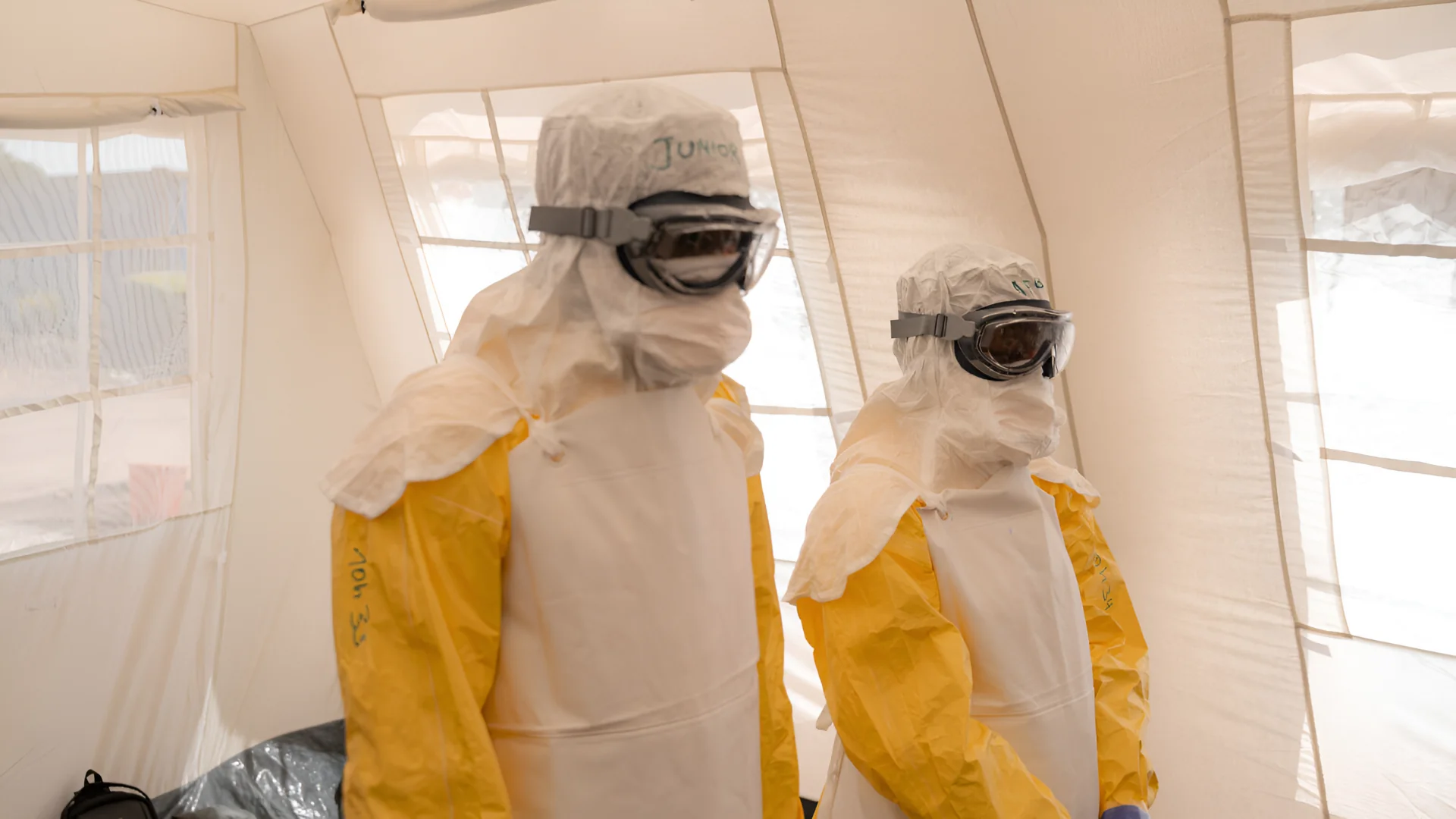
Ebola Bundibugyo Outbreak DRC: 676 Cases, No Vaccine
As of mid-June 2026, a rare Bundibugyo Ebola outbreak in DRC's Ituri Province has killed 138 people, spread to Uganda, and reached packed displacement camps with no licensed medical countermeasures available.

Daraxonrasib Nearly Doubles Pancreatic Cancer Survival
Trial results presented at ASCO 2026 show daraxonrasib nearly doubled median survival in advanced pancreatic cancer — a look at the data, the mechanism, and what remains unproven.
Comments (0)
Please sign in to join the discussion.
No comments yet.
Be the first to share your perspective on this topic.