

Muscle repair after exercise depends on more than a scoop of powder. A growing set of recipe guides is making the case that ordinary ingredients — chicken, eggs, paneer, tofu, Greek yogurt, and legumes — can cover the same protein ground.
Why Muscle Repair Needs Protein, Carbs, and Vegetables Together
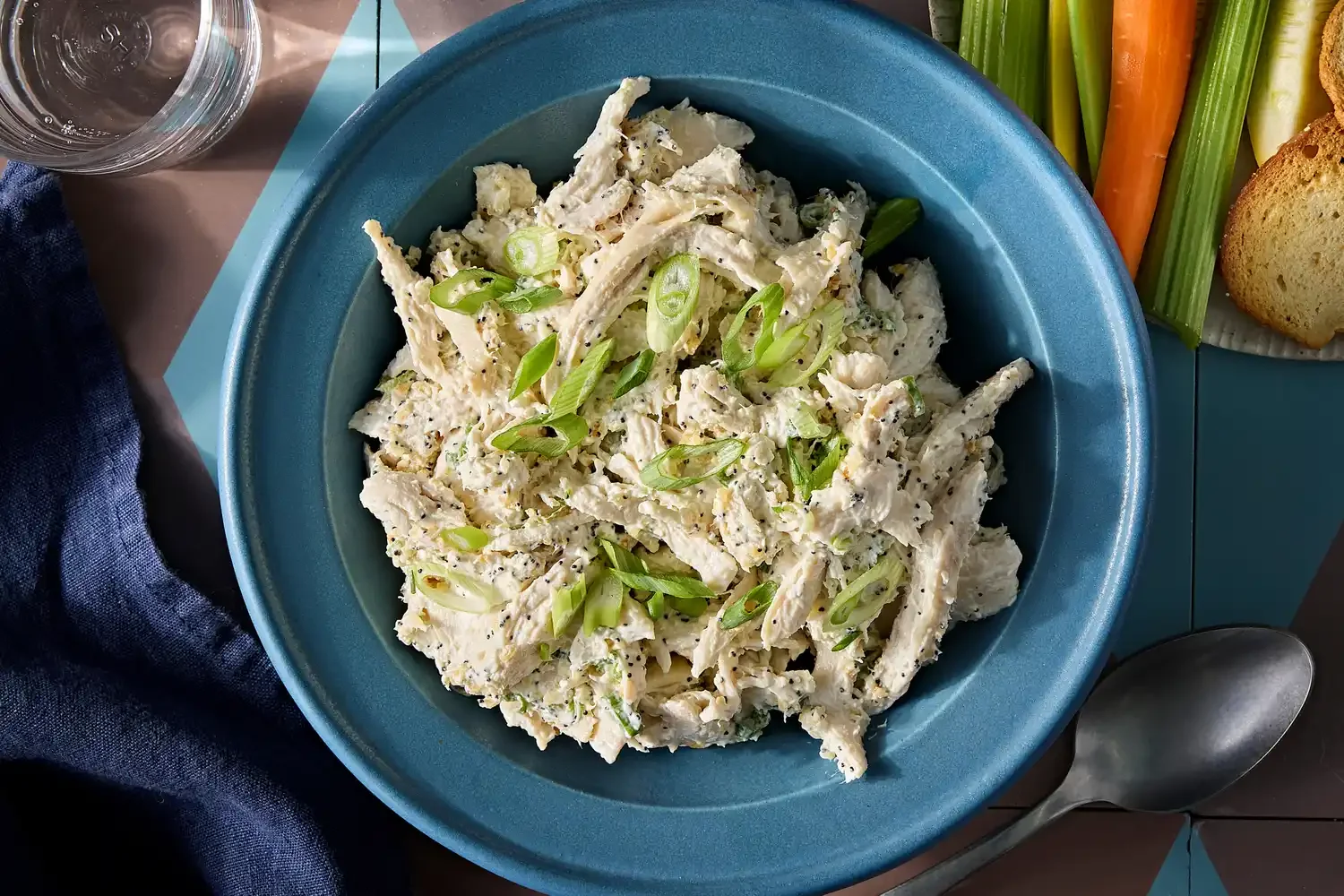
Protein does the structural work after a workout: repairing the small tears in stressed muscle fibers that strength training and endurance exercise create. But it isn't the only nutrient doing that job. Complex carbohydrates, like brown rice, quinoa, and whole wheat, replenish glycogen stores that get depleted during exercise, and vegetables supply fiber, potassium, magnesium, and antioxidants that support the body's broader recovery process.
Meal targets generally run from 20 to 40-plus grams of protein per sitting, scaled to body weight and how intense the workout was. Dietitians consulted in a dietitian-reviewed grilled chicken salad recipe built around 31 grams of protein per serving point to a simpler mechanism behind the emphasis on protein: it tends to fill people up on fewer calories, which makes a lower-calorie eating pattern easier to sustain. That satiety effect, not just muscle repair, is part of why protein-forward meals show up so often in weight-management guidance.
Five Whole-Food Meals That Clear the Protein Bar in Under 25 Minutes
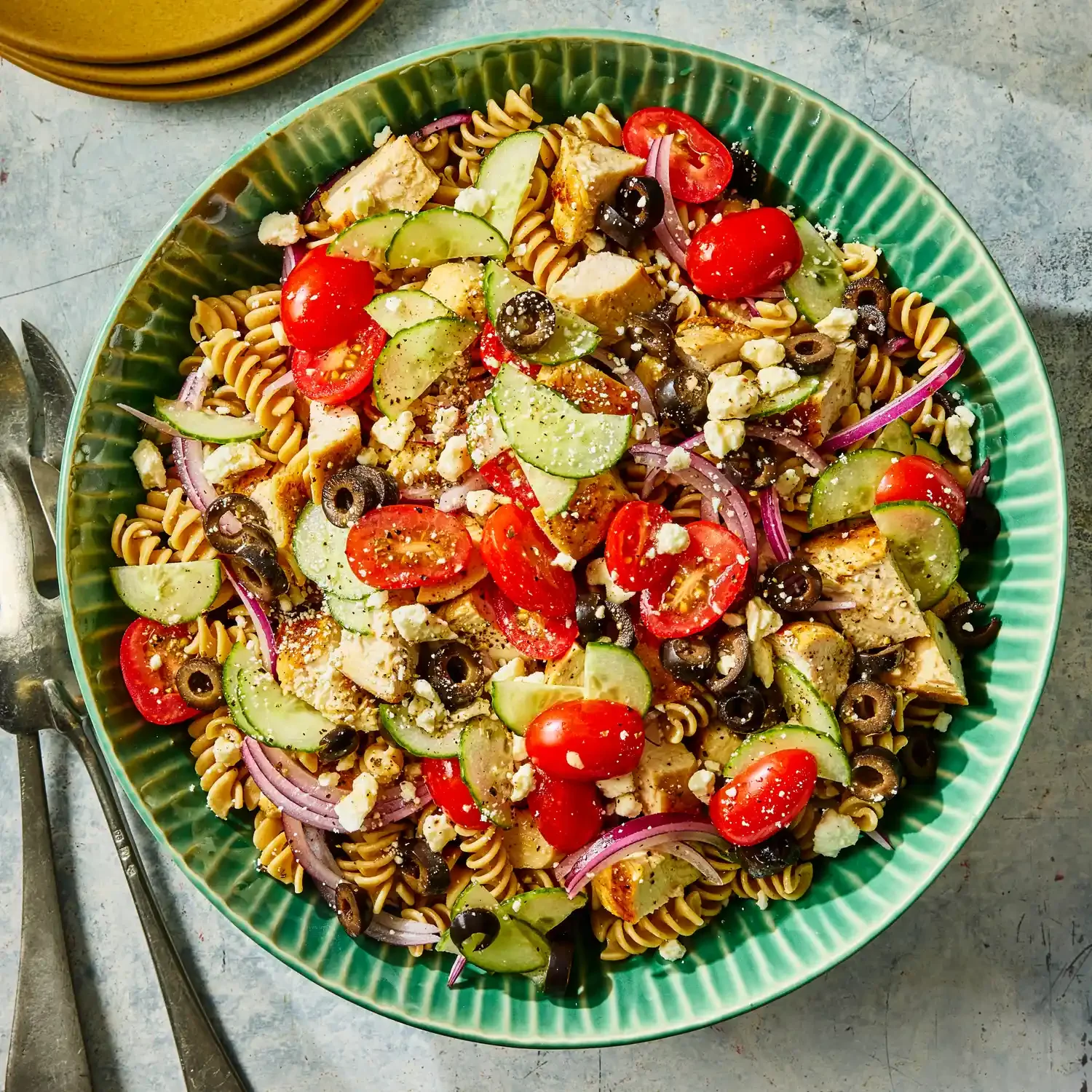
A recent roundup of 15-minute post-workout recipes built to build muscle without supplements lays out five options, each built around a different lean protein source:
A Greek yogurt chicken tikka bowl, where the yogurt both tenderizes the chicken and adds protein, comes in at more than 50 grams per serving.
A chicken quinoa stir fry pairs lean chicken with quinoa's complete amino acid profile for around 45 grams of protein and added fiber.
A soya chunk and paneer scramble, seasoned with Indian spices, offers a vegetarian option at roughly 35 grams of protein.
A paneer and rajma power bowl combines dairy protein with fiber-rich kidney beans for about 32 grams.
An egg bhurji with whole wheat toast rounds out the list at around 28 grams, in a 15-minute prep window that also delivers healthy fats and complex carbs.
None of these recipes depend on a processed protein source. The protein comes from the base ingredients themselves, which is the throughline across all five.
Batch-Cooking Once to Cover Protein Needs All Week

The harder problem than any single recipe is repeating it on a Tuesday night after work. A seven-day high-protein meal plan built with a registered dietitian addresses that by front-loading the prep: grilling or baking chicken, cooking a batch of grain, and portioning Greek yogurt and snacks in advance, so that assembling a meal during the week takes minutes rather than a full cook session. The same plan also flags a common failure pattern — under-eating protein at breakfast and lunch and trying to make up for it at dinner — and instead spreads a daily target across three meals spaced several hours apart.
Make-ahead recipes built around similar batch-cooking principles apply the same logic: marinate proteins and cook grains once, then reassemble different meals from the same components through the week. For anyone managing weight loss alongside a training schedule, that consistency — hitting a protein target most days, rather than perfectly every day — appears to matter more than any single recipe choice.
Where the No-Supplements Approach Still Has Limits

None of this makes protein powder unnecessary in every case. Someone with a very high daily protein target relative to body weight, or a schedule that doesn't allow for prep time, may still find a shake more practical than a scramble. The recipes above also report protein counts as calculated by their original sources rather than as independently lab-tested figures, and individual needs vary enough by body weight, training volume, and goals that no single number applies universally. What the recipe guides converge on is narrower and more modest: for most people eating three meals a day, hitting a post-workout protein target is achievable with a chicken breast, a block of paneer, or a can of kidney beans — no blender required.

What Magnesium Actually Does and Which Medications It Can Undermine
A guide to magnesium's supported benefits, who is actually at risk of overdose, and the specific medications that require spacing doses apart from supplementation.

The 2026 Cyclosporiasis Outbreak Has Already Broken the U.S. Record
A multistate cyclosporiasis outbreak has surpassed the 2019 U.S. record, with Michigan hit hardest. Investigators are focused on bagged greens amid CDC budget cuts.

A Second American Has Contracted Ebola in Congo's Record Outbreak
A US aid worker in DRC has tested positive for Bundibugyo Ebola virus as the outbreak, now Africa's fastest-growing, shows signs of significant undetected spread.

DRC's Bundibugyo Ebola Outbreak Spreads With No Approved Vaccine or Treatment
A rare Bundibugyo Ebola strain is spreading undetected across the DRC, reaching Kinshasa and Uganda, with no approved vaccine or treatment yet available.
Comments (0)
Please sign in to join the discussion.
No comments yet.
Be the first to share your perspective on this topic.