
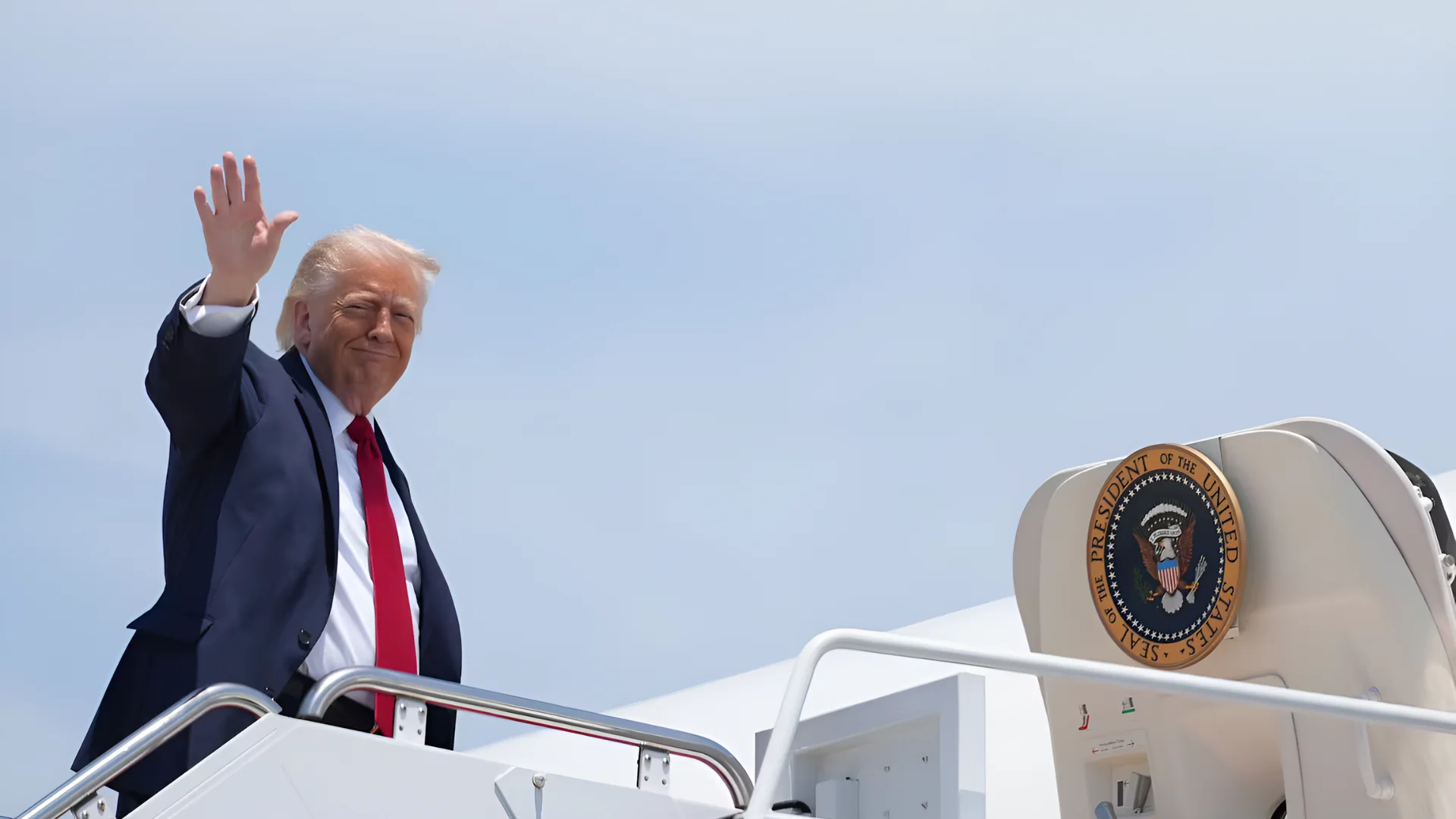
The Justice Department formally confirmed in federal court filings on Friday that a $1.776 billion fund created as part of President Trump's lawsuit against the IRS will not go forward — the first time the administration committed that position to writing after days of verbal assurances that failed to satisfy lawmakers or judges.
Written Filings Close the Door the Administration Refused to Shut Earlier
The filings, submitted to federal courts in Washington, D.C., and Alexandria, Virginia, were signed by Associate Attorney General Stanley Woodward and his senior counsel, Andrew Block. In them, the DOJ urged judges to dismiss active lawsuits seeking to block the fund, arguing the cases are now "moot" because the fund no longer exists.
The mootness argument is a deliberate legal maneuver: if courts accept that there is no longer a live controversy, they can dismiss the suits without issuing any ruling on whether the fund itself was lawful. The government framed judicial intervention as an attempt to "have the last word in a political debate," arguing that any court order would "effectively unwind a preferable political resolution."
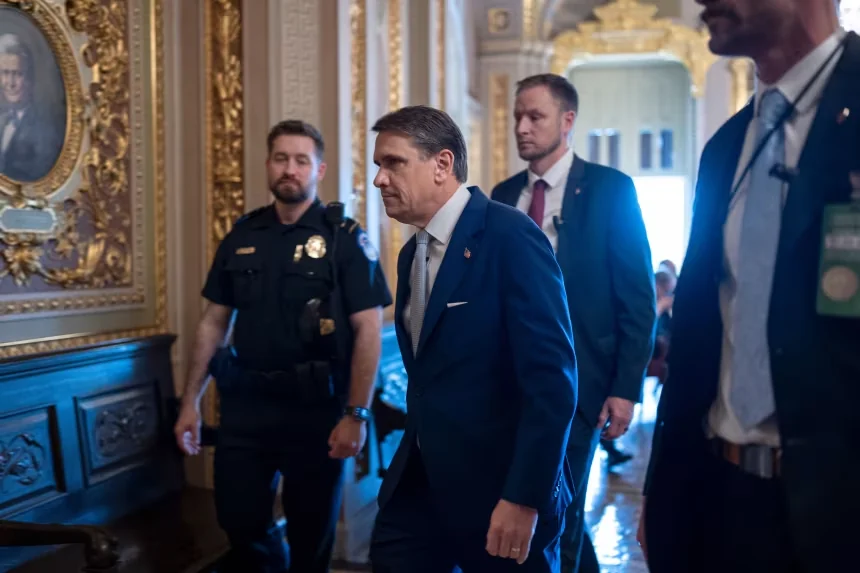
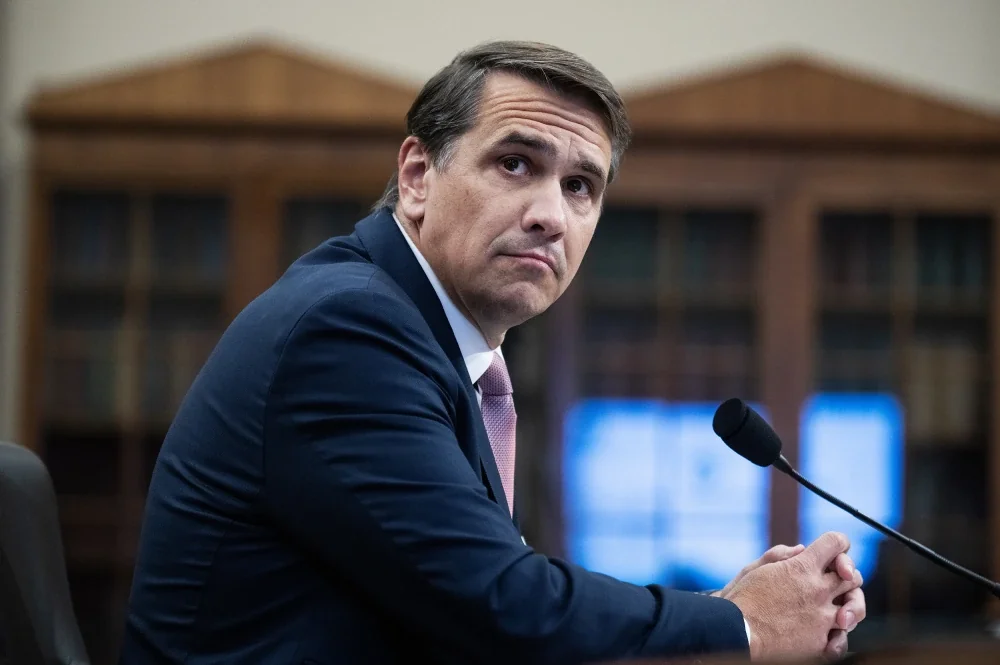
The written filing follows testimony earlier in the week by Acting Attorney General Todd Blanche before a House Appropriations subcommittee, where he stated the DOJ was "not moving forward with the fund, period." That verbal commitment drew bipartisan skepticism from lawmakers after Blanche initially declined to put the assurance in writing, according to reporting on the House hearing.
The Fund's Origins and the Plaintiffs Who Challenged It
The Anti-Weaponization Fund was established as part of a settlement resolving President Trump's $10 billion civil lawsuit against the IRS, which centered on the 2019 leak of his tax returns by a government contractor. The $1.776 billion fund drew immediate legal challenges from two separate plaintiff groups.
The D.C. case was brought by Citizens for Responsibility and Ethics in Washington, a government watchdog organization. The Virginia lawsuit included a former January 6 prosecutor alongside Capitol Police officers Harry Dunn and Daniel Hodges, who called the fund a "slush fund" that could be used to compensate participants in the January 6 Capitol attack. U.S. District Judge Leonie Brinkema, presiding over the Virginia case, had already issued a temporary block on the fund to prevent any irreversible disbursements while she evaluated the challenge.
What the Settlement Still Leaves Intact
The cancellation of the fund does not terminate the broader DOJ-Trump settlement. Acting AG Blanche confirmed that a separate provision — an addendum permanently barring the IRS from auditing or taking enforcement action against Trump, his family, and his companies over prior tax returns — remains in effect. That provision was not the subject of the Friday filings, and the DOJ has not indicated it intends to revisit it.
The written court submissions are the operative confirmation that the fund is gone, but they simultaneously position the government to avoid any judicial finding about whether the fund was permissible in the first place. The lawsuits may now be dismissed without a ruling on the underlying legal questions, according to details of the DOJ's mootness filings.
Bill Pulte Fires 51 ODNI Staff in First Week as Acting DNI
Acting DNI Bill Pulte removed 51 ODNI personnel in his first week, with bipartisan critics warning the cuts risk the post-9/11 intelligence coordination mission.
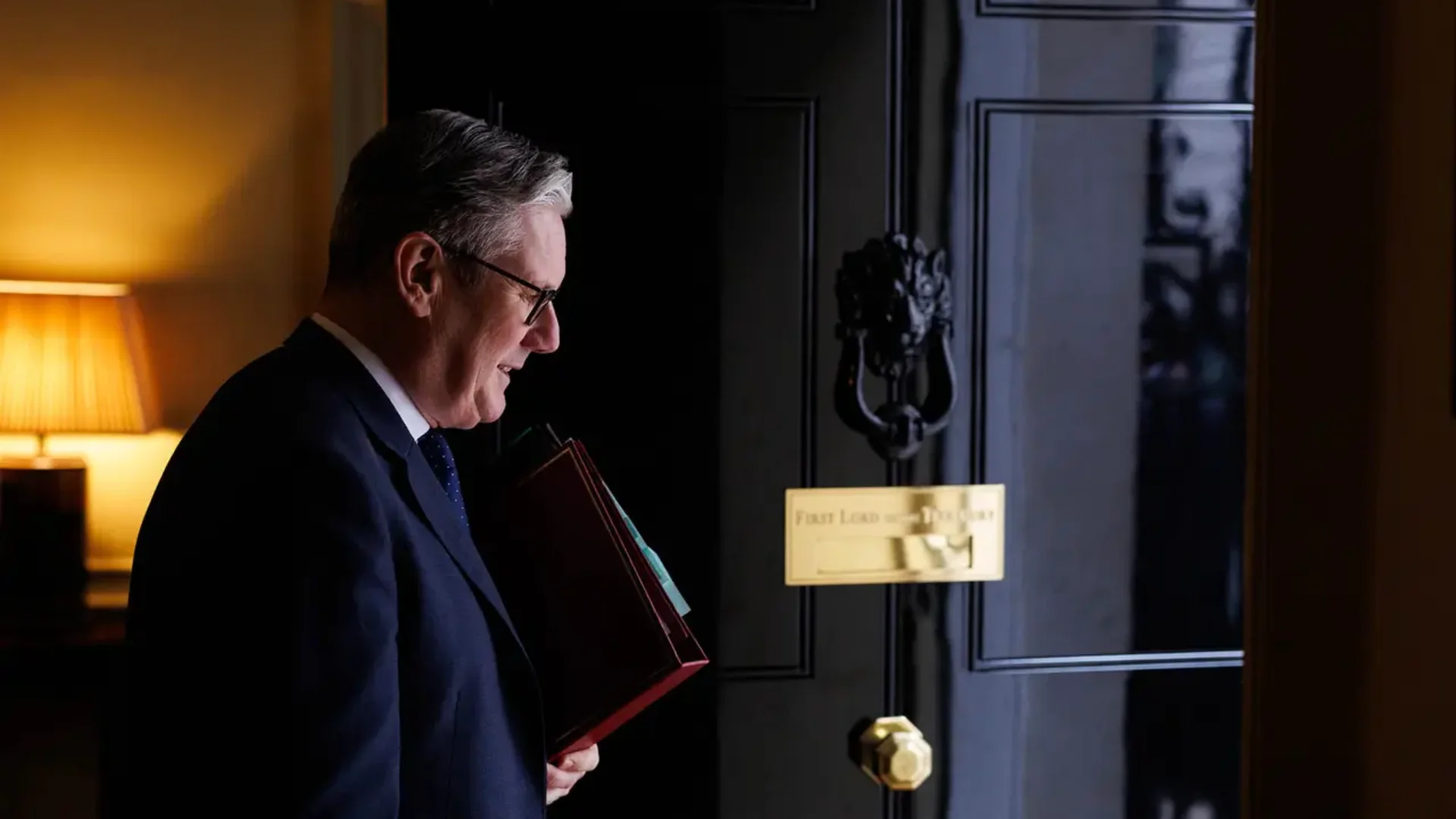
Starmer Announces Resignation, Clearing Labour's Path to Burnham
Starmer resigns as UK prime minister after Burnham's by-election win triggers cabinet defections; gilt yields rise as markets price in leadership transition risk.

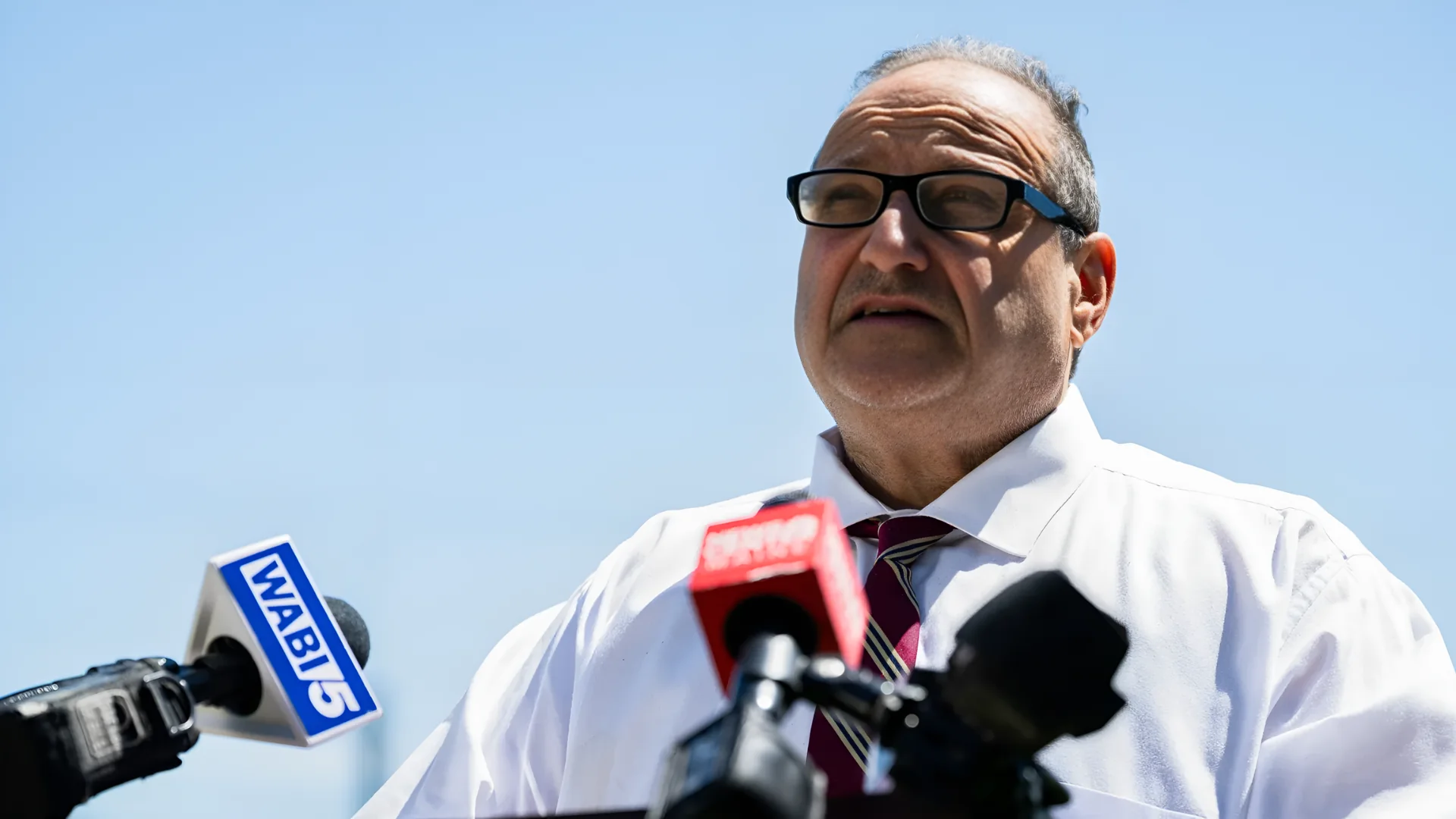
Maine 2026 Primary Results: Dunlap, Pingree Win
Maine's ranked choice runoffs confirmed Dunlap for ME-02 and Pingree for governor. Troy Jackson's loss signals limits on Platner's intraparty influence ahead of his Senate race.
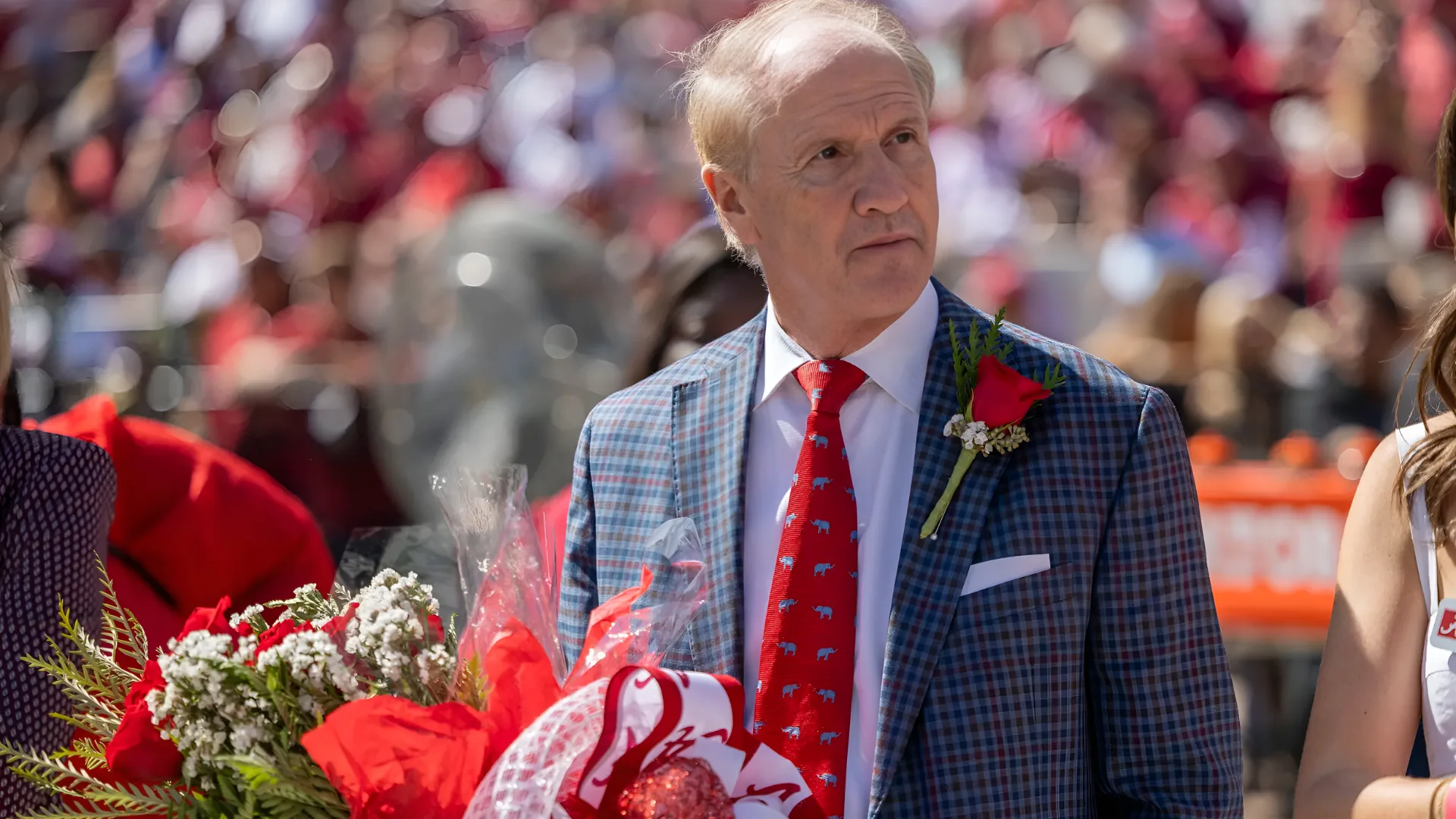
UF Names Stuart Bell President Amid DEI Controversy
UF trustees voted June 10 to appoint former University of Alabama president Stuart Bell as UF's 14th president, ending a search repeatedly disrupted by conservative pressure over DEI records. A $1.45 billion stadium project was announced the same week.
Comments (0)
Please sign in to join the discussion.
No comments yet.
Be the first to share your perspective on this topic.