
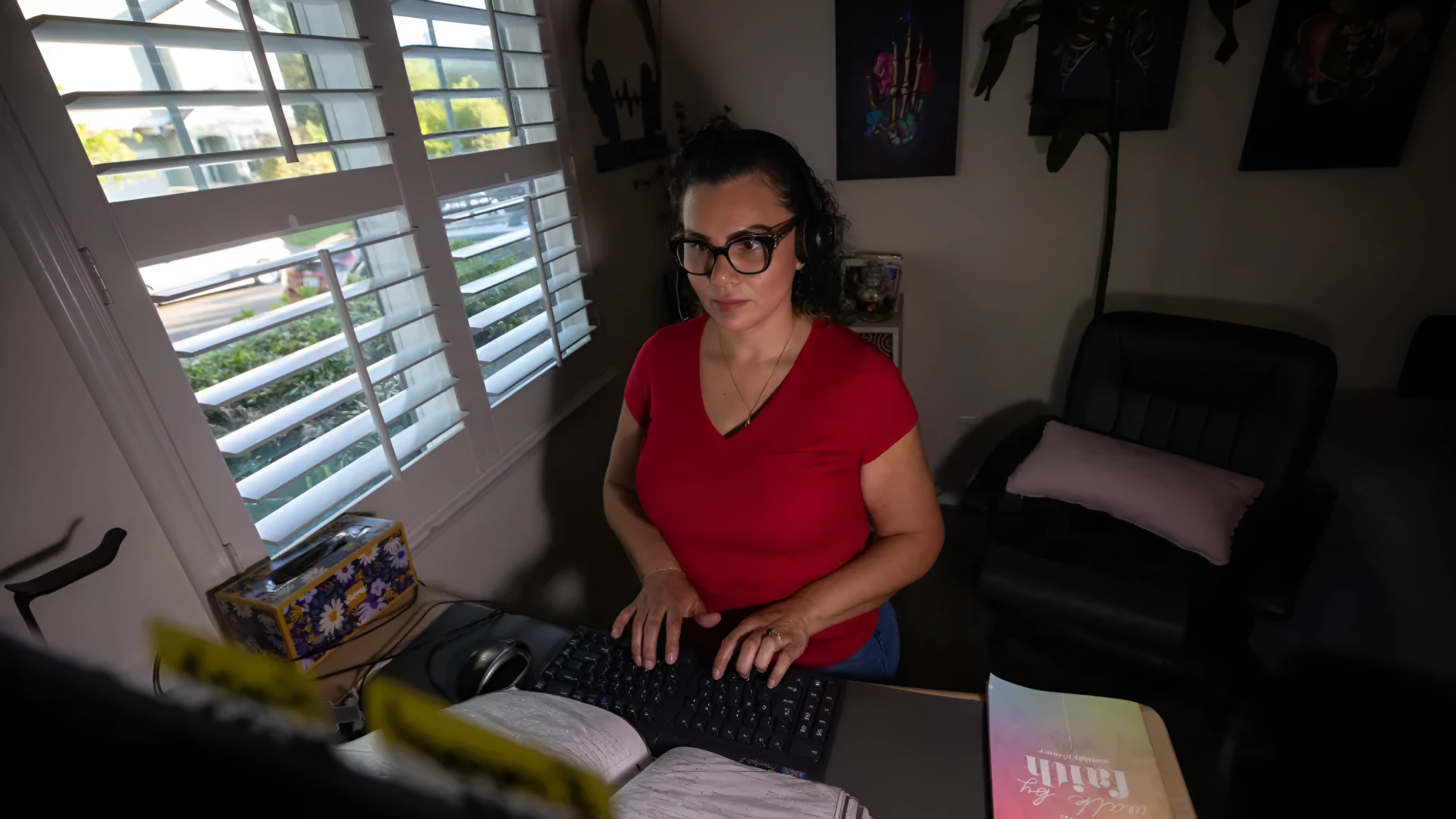
Kaiser Permanente nurses who staff the health system's advice and triage lines say a 15-minute call limit, tied to monthly performance scores and reinforced by AI monitoring tools, is pushing them to cut corners with patients — just as a new contract fight over AI begins.
A 15-Minute Cap Collides With Complex Calls
Seven current and former Kaiser nurses described a system in which calls running past 15 minutes routinely draw management scrutiny or trigger performance-evaluation meetings, according to their comments to CalMatters. Nurses say the pressure is hardest to reconcile with the calls that most need time: patients with multiple symptoms or chronic conditions, new parents, people processing a difficult diagnosis, and callers who need an interpreter — which often run 30 minutes or longer, a burden compounded by the roughly four in ten Californians who speak a language other than English at home.
Post-call time to write chart notes or recover after a difficult conversation has also shrunk, nurses say, from around ten minutes in past years to 30 seconds or less during busy periods. Kaiser disputes that call length itself is the metric: a company spokesperson said Kaiser "does not use Average Handle Time to assess agent performance or enforce call time metrics," and that any monitoring tools include human review. Nurses interviewed by CalMatters maintain that call duration nonetheless factors into the monthly scores that shape those evaluations — a gap between the two accounts that neither Kaiser nor the union has fully resolved on the record.
An AI Empathy Tool Tested the Limits of Trust
Kaiser piloted an AI system in summer 2024 that attempted to score nurse and patient empathy and tone during calls, according to nurses who spoke with CalMatters. The pilot prompted a petition campaign under the slogan "Trust nurses, not AI" and was paused in November 2024, though union representatives say management could revive it. A Kaiser spokesperson declined to answer questions about the tool or about how AI factors into nurse performance evaluations.
That episode sits inside a wider pattern documented by nurses nationally. In a 2024 National Nurses United survey of more than 2,000 nurses, roughly half said their employer uses algorithmic systems to analyze health records, two-thirds said their own clinical judgment had at some point conflicted with an AI-generated prediction, and six in ten said they don't trust their employer to prioritize patient safety when deploying AI. None of the figures are specific to Kaiser, but they describe the same tension nurses there report: systems built for efficiency being layered onto judgment calls that resist standardization.
Two Years of Escalating Friction Ahead of a Pivotal Contract
The empathy-scoring pilot was not an isolated flashpoint — it's one node in a longer sequence of AI-related conflict between Kaiser and its nursing workforce that has steadily built toward this month's bargaining table. Nurses picketed against AI use in fall 2025 and staged a one-day strike over AI in March 2026, framing this year's contract talks, covering 25,000 CNA-represented nurses including 1,000 in call centers, as the clearest opportunity yet to set enforceable limits.
Sacramento has tried and mostly failed to intervene. Lawmakers' 2025 push — Assembly Bill 1018 and Senate Bill 7, both endorsed by CNA — would have required employers to notify workers before using automated systems to evaluate, discipline, or promote them; Gov. Gavin Newsom vetoed SB 7, and AB 1018 failed for a third straight year after opposition from employers including Kaiser. A successor, SB 947, has since been reintroduced alongside narrower bills targeting emotion-prediction AI and clinician override protections, but none has yet passed. That legislative gap is part of why the outcome of Kaiser's 2026 contract talks now carries weight well beyond one employer: as the broader reshaping of jobs by AI systems continues across industries, and as official labor statistics increasingly understate strain in the workforce, workplace algorithmic-management fights like this one are becoming one of the few venues where the terms of that reshaping are actually being negotiated, call by call.
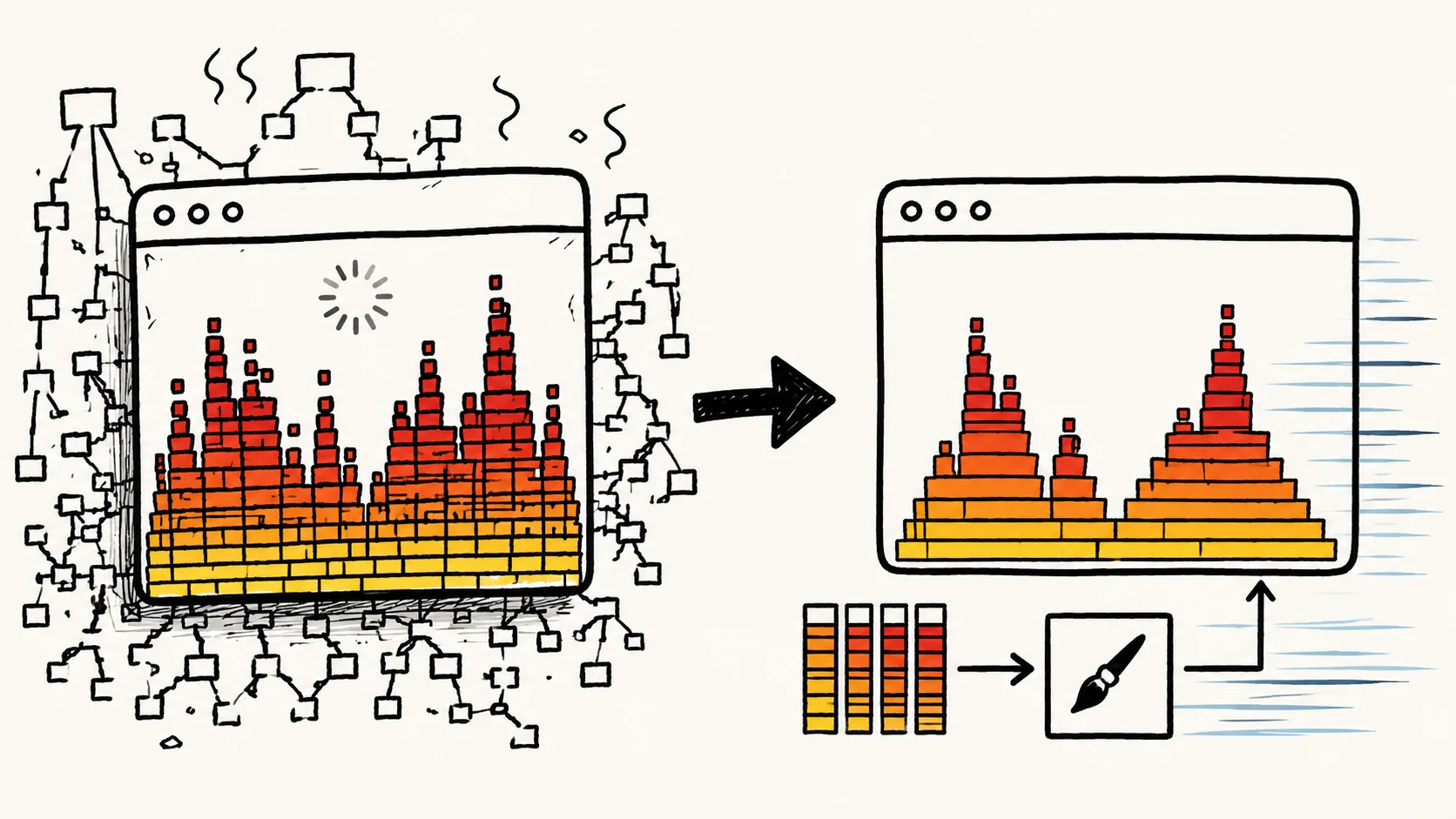
Polar Signals Swaps SVG For Canvas, Cuts Flame Graph Render Time 3.6x
Polar Signals rebuilt its flame graph renderer in Canvas instead of SVG, cutting isolated render time from 164ms to 46ms and reset time from 528ms to 47ms.
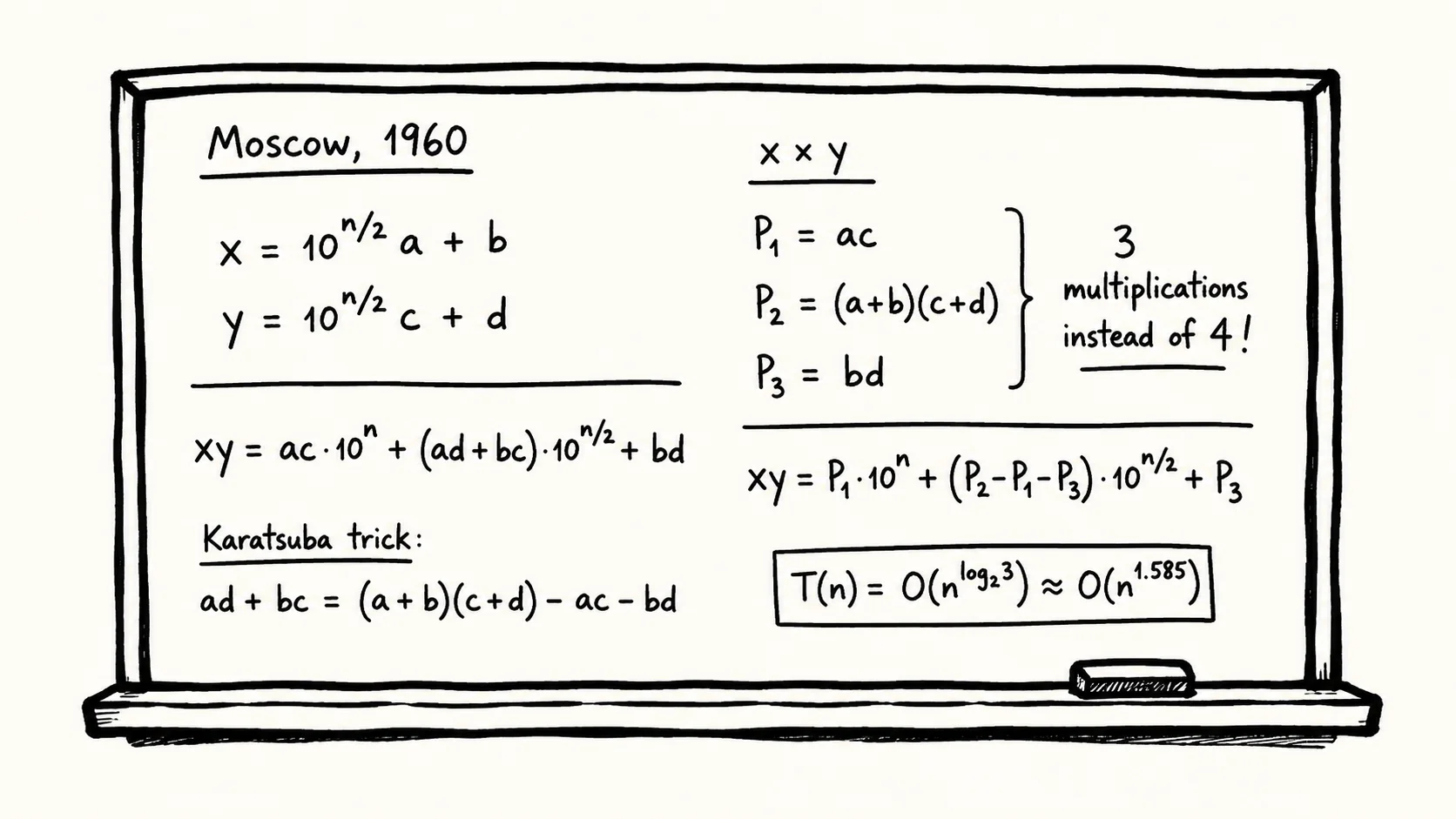
How a 23-Year-Old Disproved Math's Assumed Speed Limit for Multiplication
In 1960, 23-year-old Anatoly Karatsuba disproved a conjecture on the fastest way to multiply numbers, cutting operations from 1,000,000 to under 57,000.
From $0.01-a-Day HTML to Per-Second Billing: How Website Hosting Splits in 2026
Railway, Vercel, and Cloudflare now bill by the second, while Neatnik's IndieWeb guide pushes $0.01-a-day HTML — here's what 2026 hosting tiers actually cost.
Kimi K3 Debuts as the First Open 3-Trillion-Parameter Model, Trailing Fable 5 and GPT 5.6 Sol
Moonshot AI's Kimi K3 is the first open 2.8-trillion-parameter model, beating open rivals on benchmarks but trailing Claude Fable 5 and GPT 5.6 Sol overall.
Comments (0)
Please sign in to join the discussion.
No comments yet.
Be the first to share your perspective on this topic.