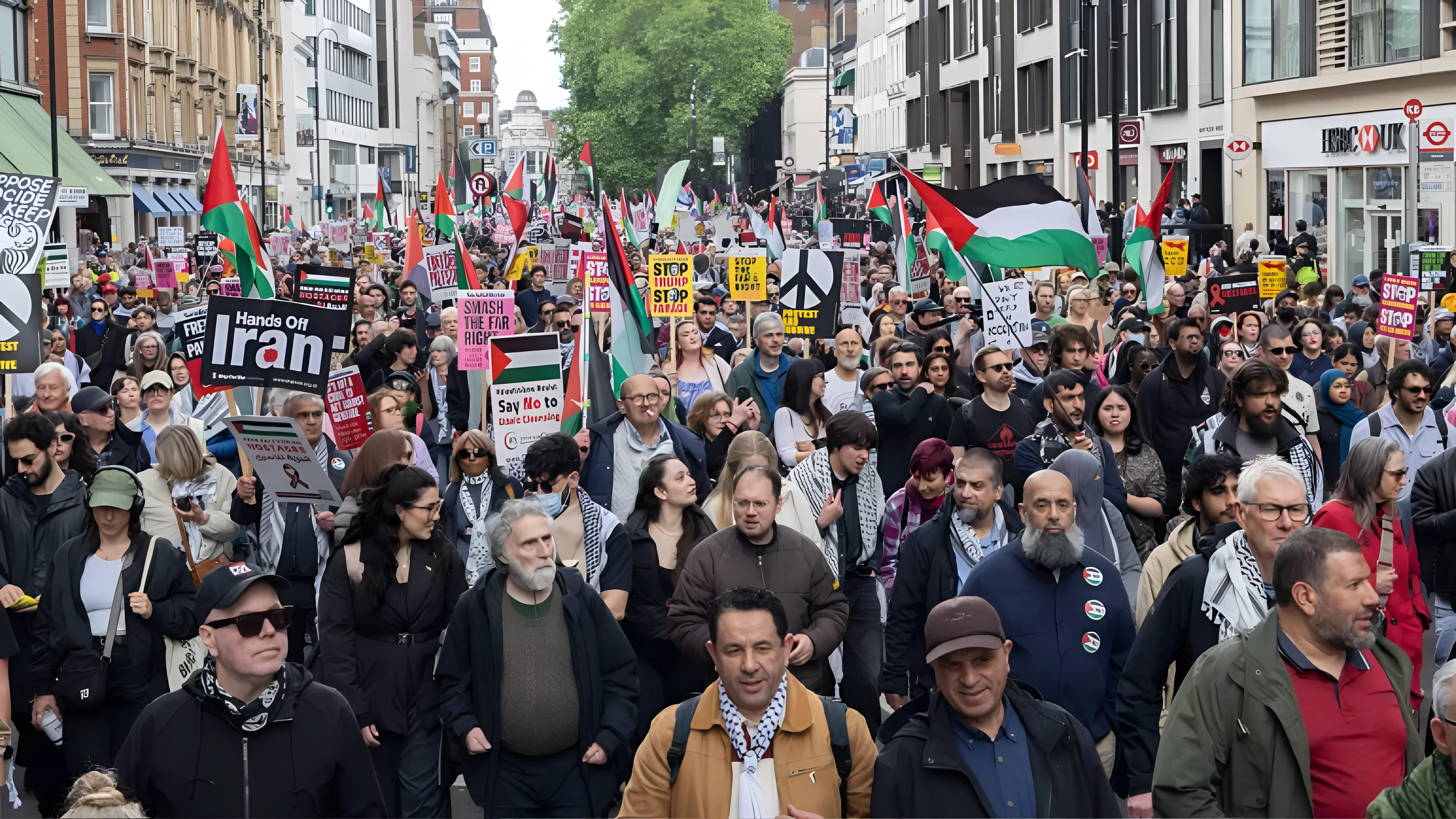
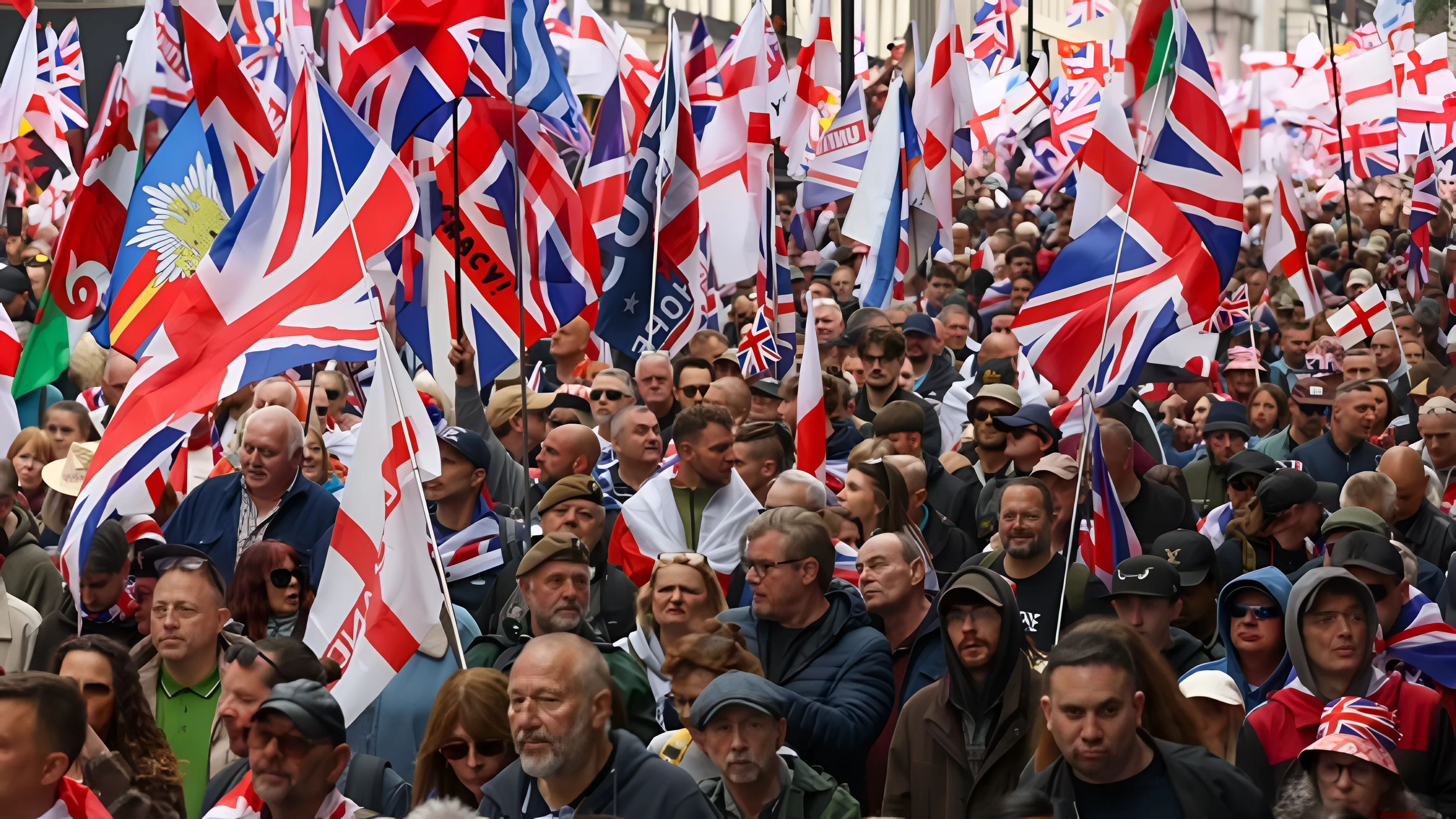
On May 16, 2026, the Metropolitan Police ran one of its largest public order operations in years, managing three simultaneous mass events across London — a far-right rally, a pro-Palestine march, and the FA Cup Final at Wembley — while deploying live facial recognition cameras at a UK protest for the first time.
Three Events, One Day, and What Each Crowd Came to Say
The "Unite the Kingdom" march, organized by Stephen Yaxley-Lennon, drew an expected attendance of around 50,000 people. The central grievance was opposition to asylum seekers crossing the English Channel in small boats. Simultaneously, an annual Nakba Day commemoration combined with a "Stand Up to Racism" demonstration drew an expected 30,000, focused on the 1948 displacement of Palestinians and Israel's continuing military operations in Gaza. At Wembley Stadium, between 83,000 and 90,000 fans attended the FA Cup Final, which Manchester City won 1–0 against Chelsea.
The attendance figures for both political marches reflect organizer and police planning estimates. Final confirmed counts were not available in the source material. The Met imposed strict route and timing conditions on both marches to keep the rival factions geographically separated. By mid-afternoon, 31 arrests had been made across the day's events, and police described the protests as proceeding "largely without significant incident."
Live Facial Recognition and Organizer Liability Mark Shifts in UK Protest Policing
The security operation, estimated to cost £4.5 million, deployed at least 4,000 officers alongside armored vehicles, riot horses, dogs, drones, and helicopters. Two policing measures broke new ground.
Live facial recognition cameras were set up in the Camden neighborhood — the first confirmed use of the technology at a protest in the United Kingdom. The practice has previously been deployed at sporting events and high-footfall public spaces, but its extension to a politically charged demonstration marks a distinct expansion of its application. No public details were provided in the source material about which database the cameras were matched against, how long images were retained, or what legal authorization governed their use.
The second change concerned organizer accountability. The Met made protest organizers legally responsible for ensuring that speakers they invite do not violate hate speech laws during the event. The precise legal mechanism underpinning this obligation was not detailed in the available sources. Director of Public Prosecutions Stephen Parkinson also instructed prosecutors to actively monitor social media, placards, and chants for potential hate speech offenses. Parkinson framed the directive narrowly: "This is not about restricting free speech. It is about preventing hate crime and protecting the public."
Both measures, taken together, represent a shift from reactive to pre-emptive enforcement at public protests. Whether either precedent is challenged or codified in subsequent operations remains to be seen, but the combination of biometric surveillance and pre-event legal liability obligations sets a framework that extends well beyond this particular day.
Government Bans and Starmer's Political Exposure
The UK government blocked 11 foreign nationals from entering the country to attend the far-right rally. Among those barred were Polish politician Dominik Tarczynski, Belgian politician Filip Dewinter, Dutch activist Eva Vlaardingerbroek, and US commentator Valentina Gomez, described in source material as an anti-Islam commentator. The legal basis and ministerial authorization for the bans were not detailed in the available sources.
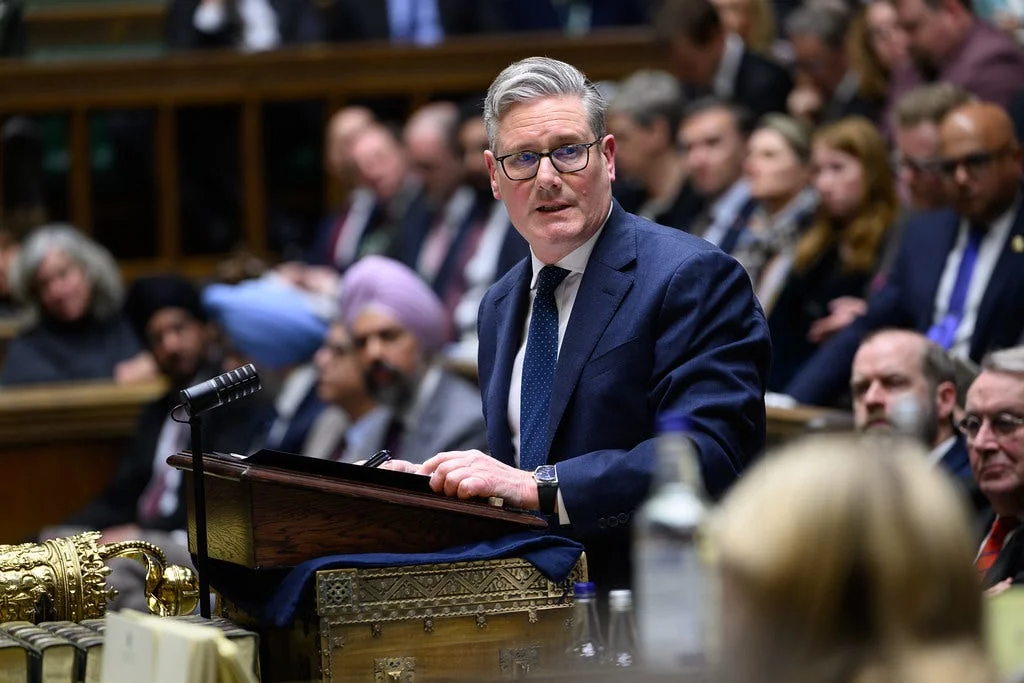
Prime Minister Keir Starmer visited the Metropolitan Police's command center on the eve of the events, reviewing arrangements alongside Met Commissioner Mark Rowley and Mayor Sadiq Khan. Starmer's public warning — "For anyone who sets out to wreak havoc on our streets... you can expect to face the full force of the law" — was consistent in tone with the government's broader positioning on public order.
The political stakes for Starmer are not incidental. The far-right Reform UK party recorded significant local election gains in the week immediately preceding the protests, intensifying internal pressure within his Labour government on precisely the immigration and public order questions that both marches, in different ways, put on the streets of London. The protests thus arrived at a moment when Starmer's handling of them carried weight not only as a security question but as a domestic political signal — a connection his government appeared aware of, given the visible presence he chose at the command center.
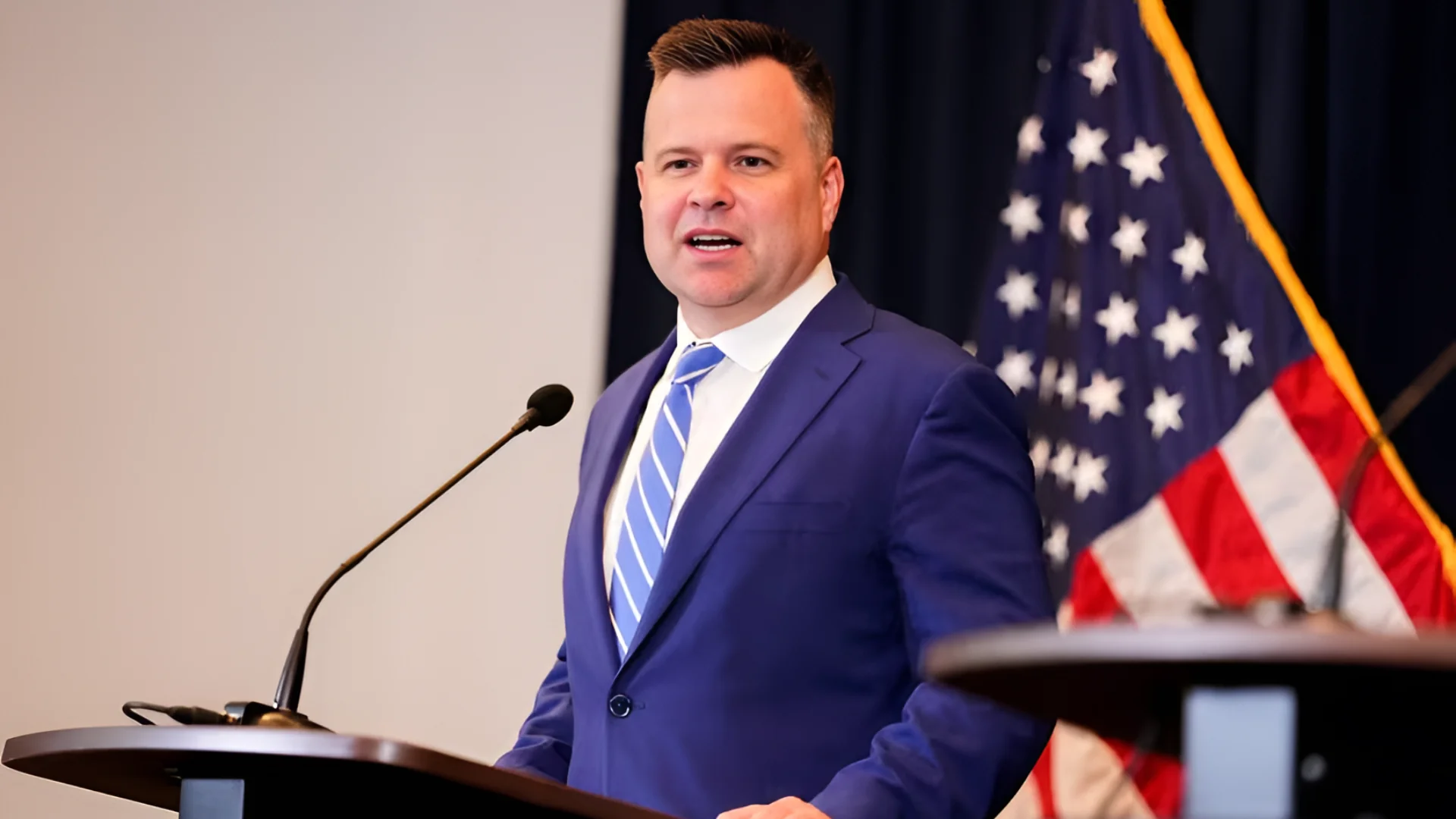
Bill Pulte Fires 51 ODNI Staff in First Week as Acting DNI
Acting DNI Bill Pulte removed 51 ODNI personnel in his first week, with bipartisan critics warning the cuts risk the post-9/11 intelligence coordination mission.
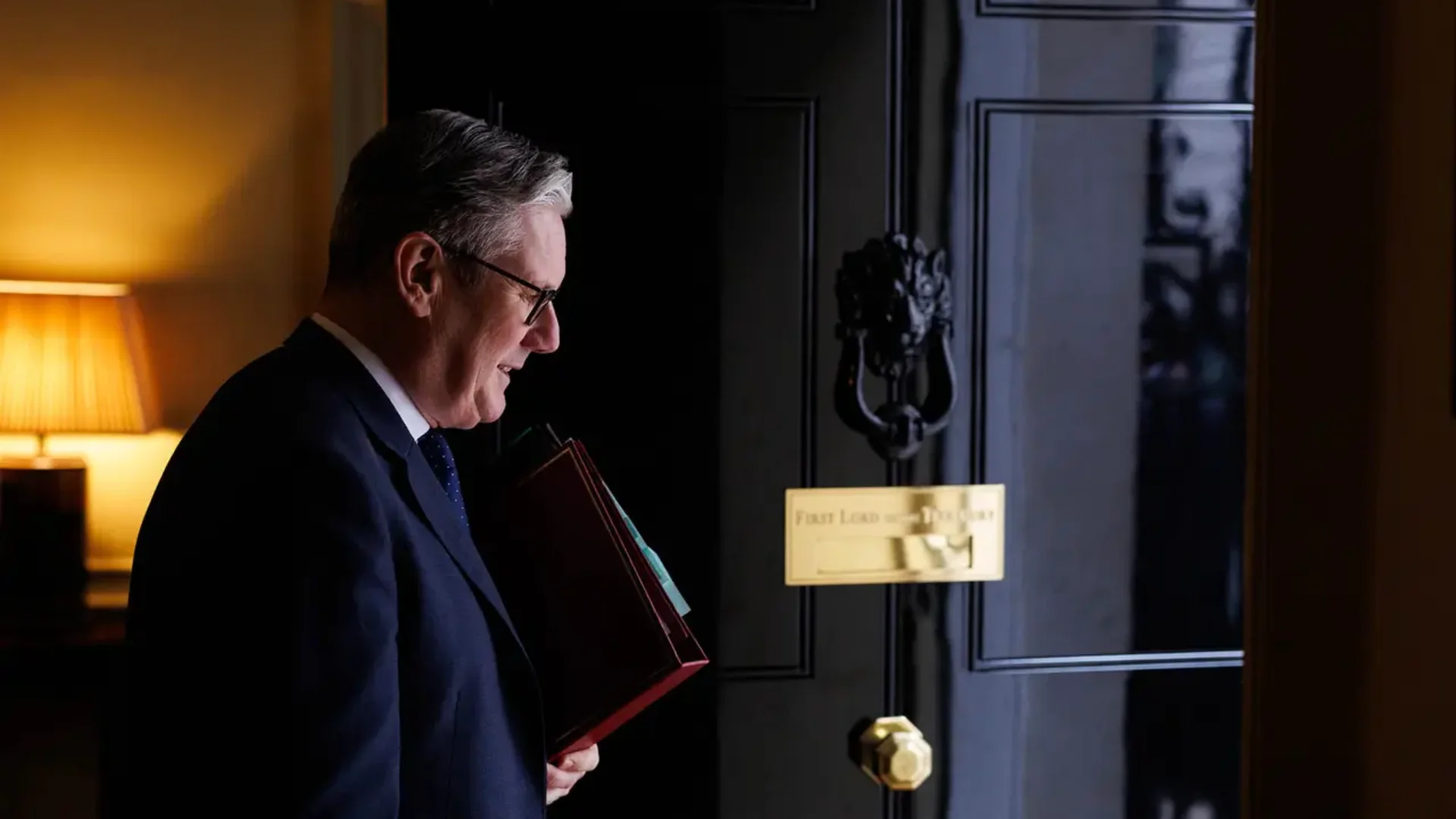
Starmer Announces Resignation, Clearing Labour's Path to Burnham
Starmer resigns as UK prime minister after Burnham's by-election win triggers cabinet defections; gilt yields rise as markets price in leadership transition risk.
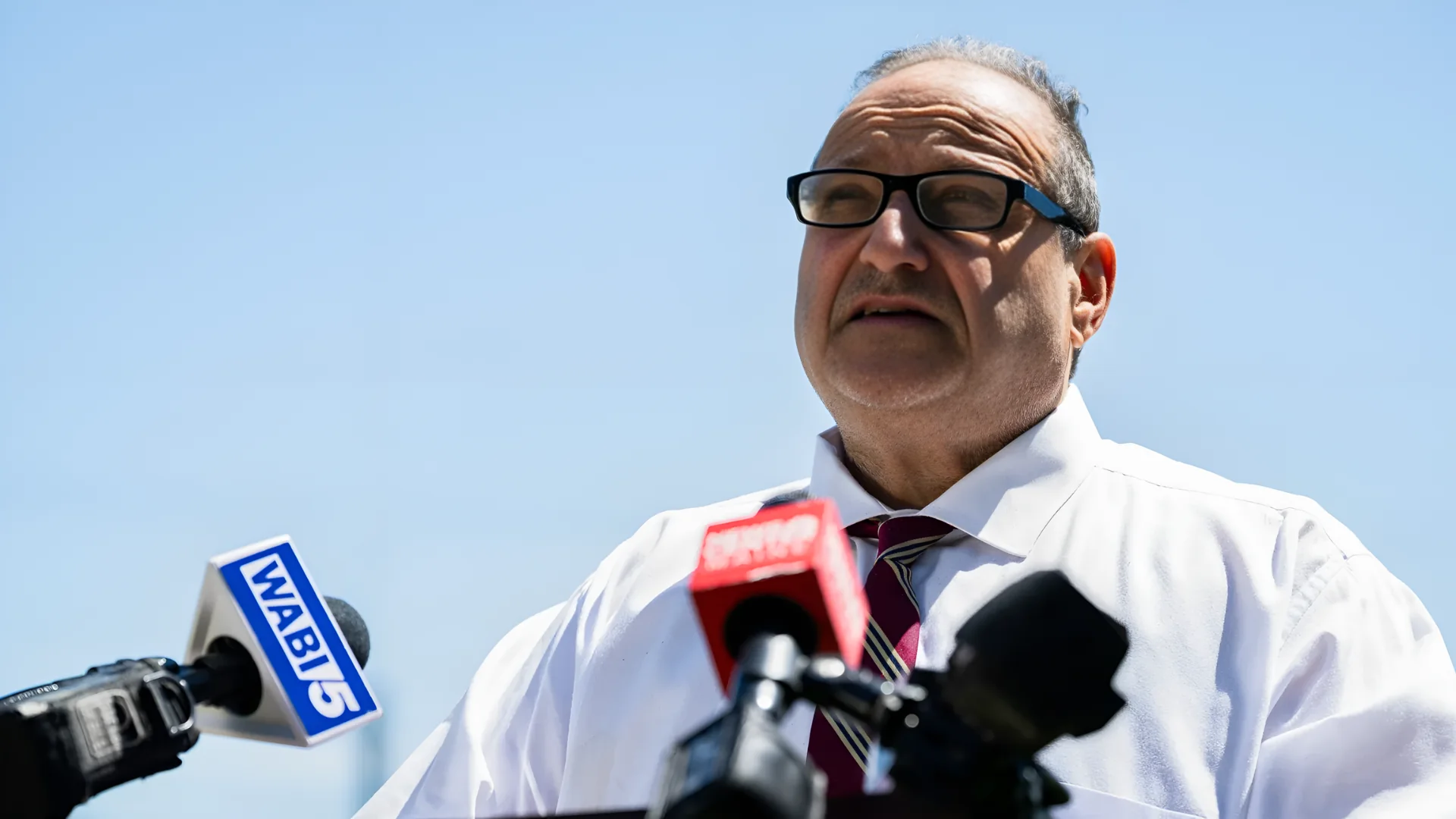
Maine 2026 Primary Results: Dunlap, Pingree Win
Maine's ranked choice runoffs confirmed Dunlap for ME-02 and Pingree for governor. Troy Jackson's loss signals limits on Platner's intraparty influence ahead of his Senate race.
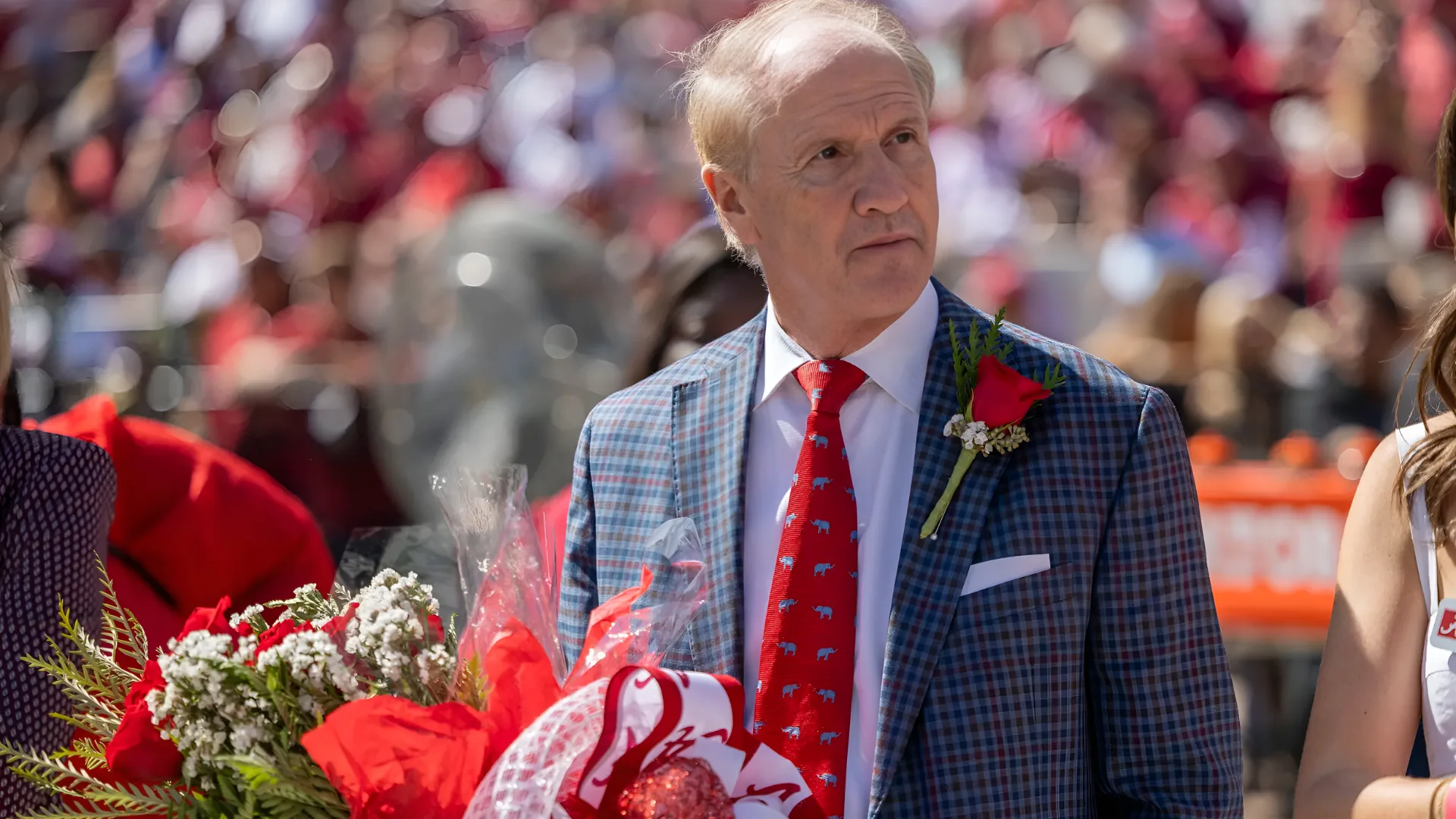
UF Names Stuart Bell President Amid DEI Controversy
UF trustees voted June 10 to appoint former University of Alabama president Stuart Bell as UF's 14th president, ending a search repeatedly disrupted by conservative pressure over DEI records. A $1.45 billion stadium project was announced the same week.
Comments (0)
Please sign in to join the discussion.
No comments yet.
Be the first to share your perspective on this topic.