
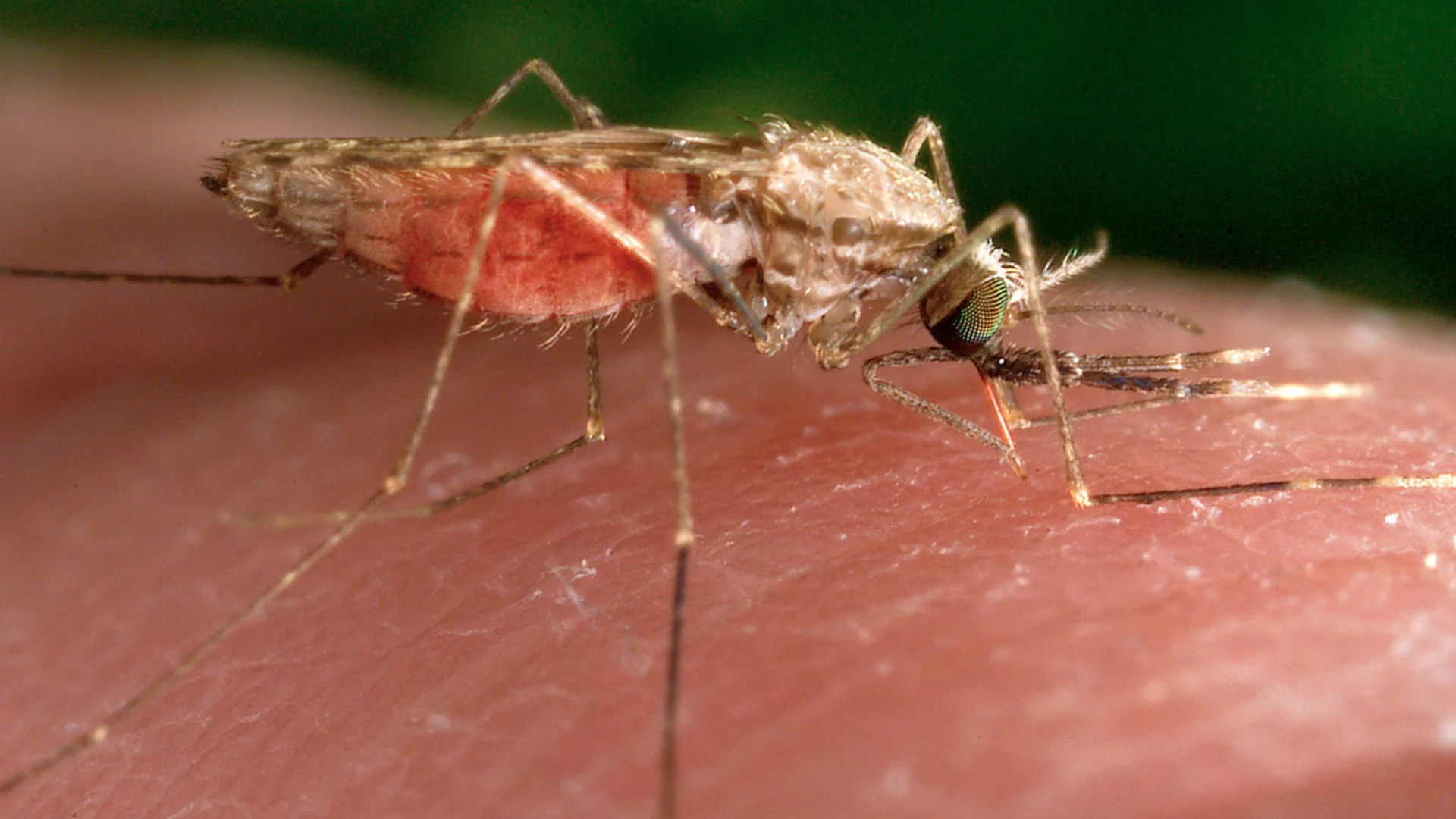
A laboratory study published in the Journal of Experimental Biology in May 2026 shows that Aedes aegypti mosquitoes can be trained through Pavlovian conditioning to associate the scent of DEET — the world's most widely used insect repellent — with a food reward, and then actively pursue it. The finding does not mean DEET has stopped working. It means the conditions under which people apply it matter more than previously understood.
How the Conditioning Experiment Worked
Researchers placed mosquitoes behind a mesh barrier and introduced the scent of DEET alongside a warm blood supply. Untrained insects reliably avoided the DEET smell. The conditioning sequence changed that: mosquitoes were allowed to begin feeding, and DEET was introduced during the final ten seconds of the meal, repeated three to four times. The pairing of DEET's scent with the reward of feeding was enough to rewrite the insect's avoidance response.
When researchers later exposed the trained mosquitoes to DEET with no blood present, more than 60% exhibited the Biting Activity Response — probing and stabbing at the mesh as if a host were present. In a two-hand choice test, where a bare hand was placed alongside a hand coated in standard DEET concentrations, all untrained control mosquitoes avoided the DEET hand. More than half of the conditioned mosquitoes flew toward it and attempted to bite.
The same conditioning worked when sugar water was substituted for blood, confirming the learning pathway is tied to nutritional reward generally, not specifically to human hosts.
"What we are showing is that the mosquito's brain can rewrite that response based on experience," said Clément Vinauger, a biochemist at Virginia Tech and co-author of the study. "What the insect has learned matters just as much as what the chemical does. That, I think, is a paradigm shift."
Why Fading Concentration Is the Key Risk Factor
The study did not find that DEET has become chemically ineffective. At sufficient concentration, the repellent still works. The risk identified in the research is narrower: it concerns what happens when DEET fades.
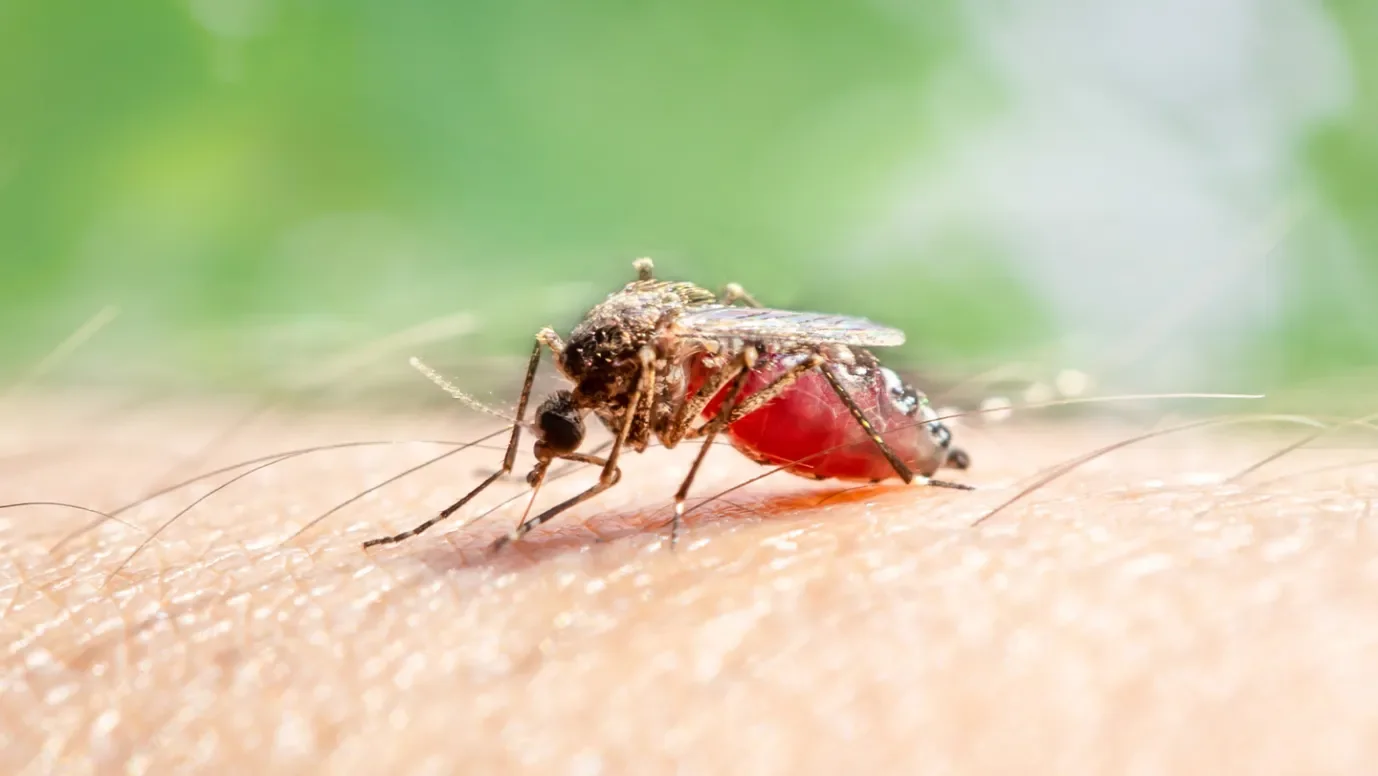
When repellent concentration on skin or fabric drops over several hours, it crosses a threshold where it is detectable but no longer strong enough to physically deter feeding. A mosquito that braves that diminished concentration and successfully bites receives a blood meal paired with the smell of DEET — exactly the conditioning sequence the laboratory replicated. That mosquito, and potentially others in a population exposed to similar cycles, may subsequently treat DEET's scent as an approach cue.
Co-author Claudio Lazzari, from the University of Tours in France, described the downstream effect: if mosquitoes are repeatedly exposed to DEET at sub-repellent concentrations, the chemical may begin to attract rather than deter some individuals.
Treated clothing compounds the risk. DEET embedded in fabric degrades with time and washing. As concentrations fall below effective levels, garments may provide exactly the low-concentration exposure that enables conditioning, particularly in high-use settings such as field research, military deployment, or extended outdoor travel.
What This Means for How People Should Apply Repellent
The research does not support stopping DEET use. The study's authors were direct on this point: DEET remains the most effective repellent available, especially in regions where Aedes aegypti transmits dengue, Zika, yellow fever, and chikungunya. The practical adjustment the findings suggest is a change in application habits, not in choice of product.
Rather than applying a large initial dose and assuming extended protection, users should reapply at the frequency recommended by manufacturers to keep concentration consistently above the repellent threshold. A single heavy application worn through hours of fading effectiveness is precisely the scenario most likely to produce the conditioning window the study describes.
Two significant uncertainties remain. It is not yet known how long a conditioned mosquito retains the learned association across its lifespan. And despite decades of research, the molecular mechanism by which DEET repels insects in the first place is still not fully understood. "We don't know why," Lazzari acknowledged in coverage of the study. That gap matters because a complete mechanistic picture would help identify whether conditioning could eventually be selected for at the population level — a question the current study does not resolve.
What the study does establish is that mosquito behavior is more plastic than repellent-design frameworks have typically assumed. As Vinauger put it: "There is always room for mosquitoes to outsmart our control tools." The implication for public-health guidance is not alarm but precision — treating repellent application as a time-sensitive, repeating maintenance task rather than a one-time protective measure.
DRC Ebola Outbreak Surpasses 1,000 Cases: Children Most at Risk
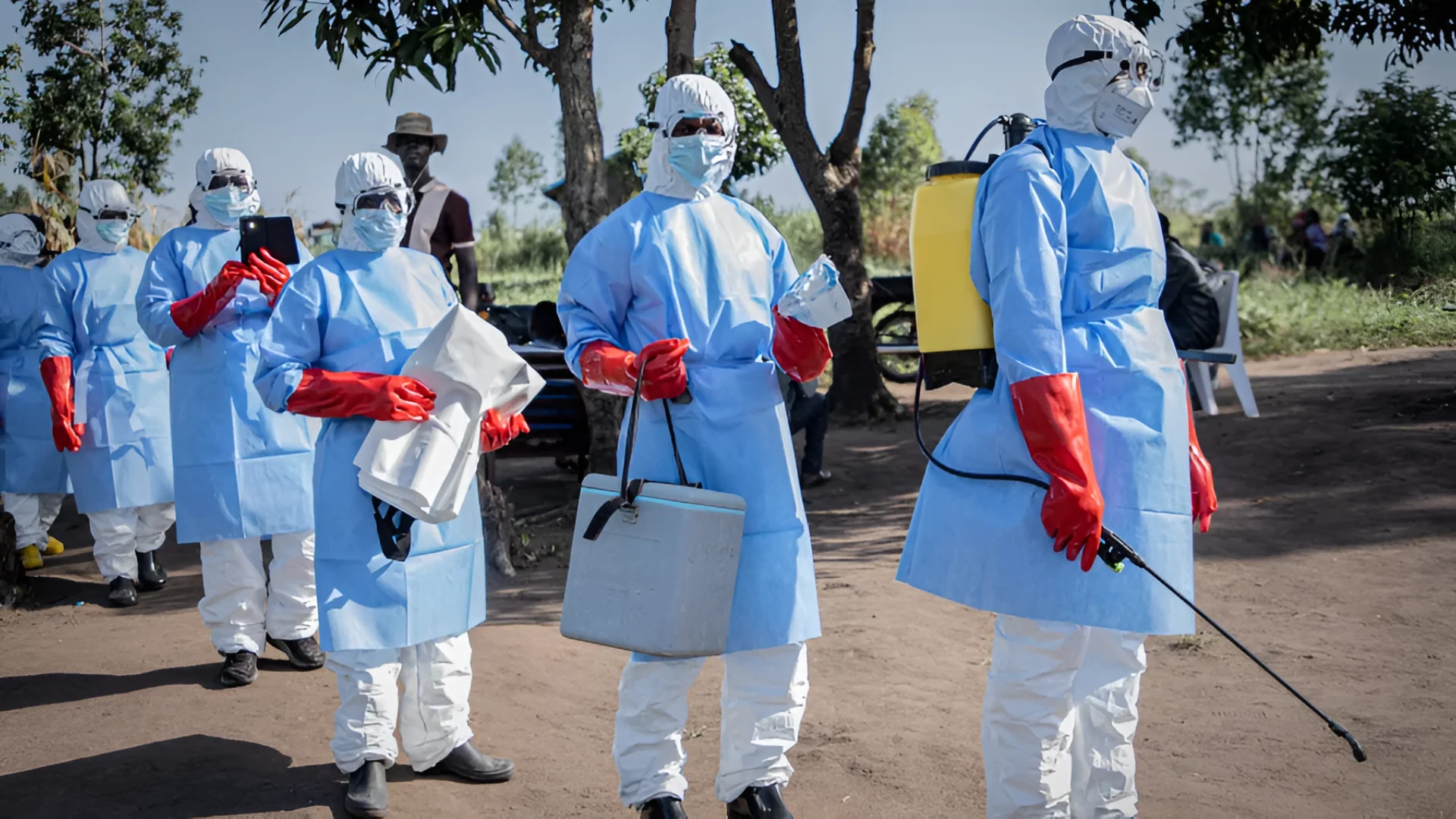
A WHO-declared public health emergency, the DRC Ebola outbreak now tops 1,000 cases. Children are dying at nearly twice the rate of adults, contact tracing covers only 58% of known contacts, and a $20 million funding gap threatens the six-month response plan.

Ultra-Processed Foods and Brain Health: What Studies Show
Research from Monash University, Harvard, and studies of tens of thousands of adults connects ultra-processed food intake to measurable cognitive decline, dementia risk, Parkinson's symptoms, and depression — with actionable thresholds in the data.
![DRC health workers retrieve the body of an Ebola virus victim from Rwampara Hospital morgue in Ituri province, June 09, 2026 [Anadolu Agency]](/uploads/1782059208554-More_than_70_medics_infected_with_Ebola_as_DRC_outbreak_spreads____fast___.webp)
DRC Ebola 2026: Why This Outbreak Is Different
The DRC's Bundibugyo Ebola outbreak declared in May 2026 has grown past 800 confirmed cases, reached displacement camps holding 30,000 people, and spread to Uganda, while health systems face 70+ infected workers and no approved treatment.
DRC Ebola Outbreak 2026: Hunger and Funding Gaps
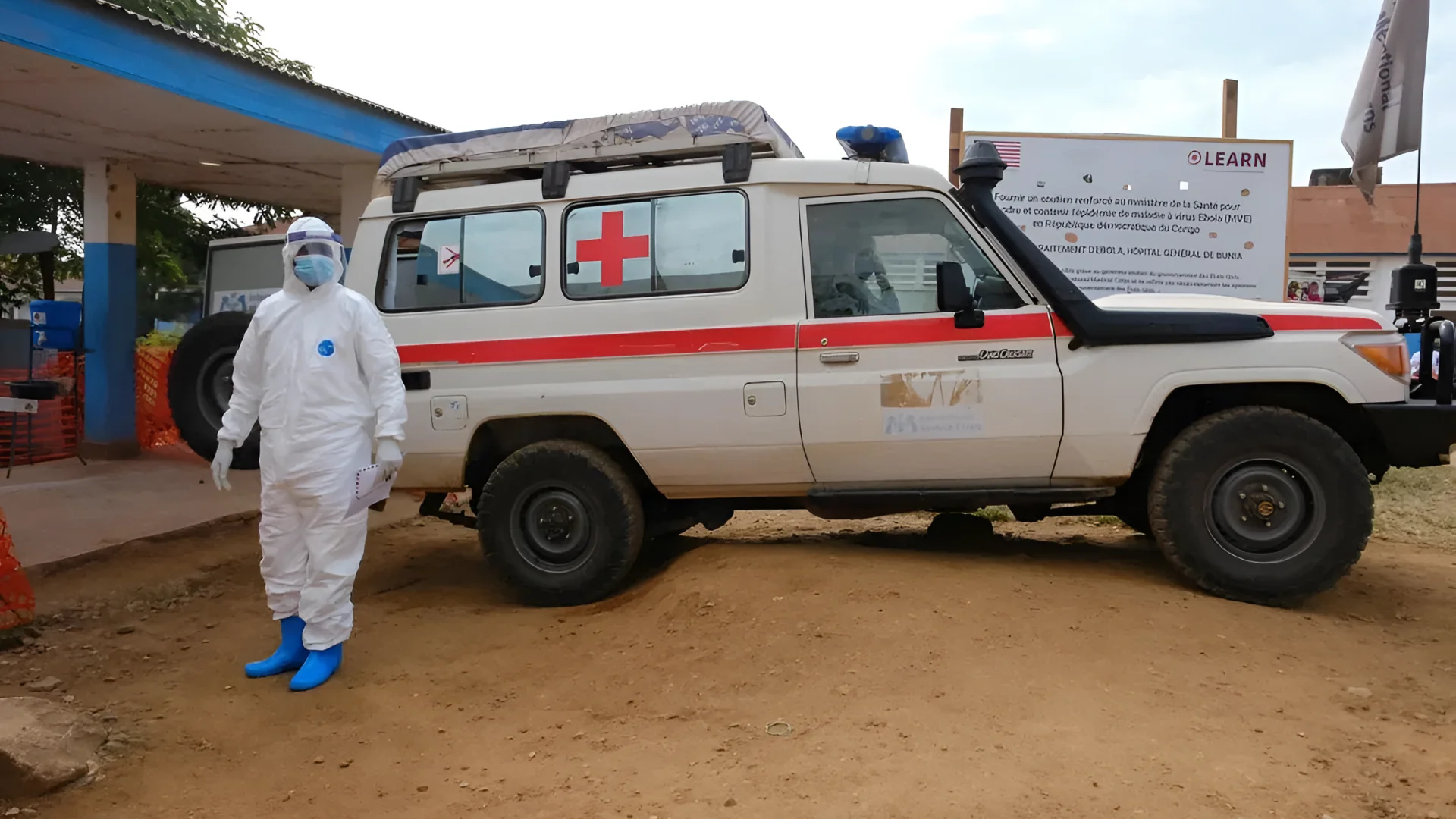
The 2026 DRC Ebola outbreak has recorded 896 confirmed cases and 232 deaths in under a month, driven by Bundibugyo strain, no approved treatment, patient escapes linked to hunger, and $810M in pledged funds still undelivered.
Comments (0)
Please sign in to join the discussion.
No comments yet.
Be the first to share your perspective on this topic.