

A lab study of nanoplastic-exposed bacteria found gene activity tied to stress, viral activation, and cell-to-cell signaling rising several-fold, a shift the researchers link to tougher, harder-to-disinfect biofilms in water systems.
Virginia Tech-Led Team Built a Two-Species Biofilm to Test Nanoplastic Exposure
Researchers led by Jingqiu Liao at Virginia Tech, working with collaborators including Rice University's Pedro J.J. Alvarez, built a dual-species biofilm combining Escherichia coli carrying a resident lambda prophage and Pseudomonas aeruginosa. They exposed it to two forms of polystyrene nanoplastics — one carrying a positive surface charge (PS-NH₂), one negative (PS-COOH) — at concentrations the team describes as environmentally relevant to real water systems. Both particle types promoted biofilm formation and stability at these doses, with the positively charged version showing the stronger effect.
Oxidative Stress Sets Off Three Bacterial Defense Pathways
Once inside the cells, the nanoplastics raised reactive oxygen species levels, which the researchers report triggered activation of the dormant lambda prophage already living inside the E. coli, followed by lysis of those cells. According to Virginia Tech's summary of the mechanism, the stressed bacteria mounted three distinct responses at once: they signaled to each other through quorum sensing and secreted more protective material, the awakened prophage destroyed its host cells while producing new virus particles, and other bacteria deployed CRISPR-based antiviral defenses against the reactivated phage. Liao said the effect matters beyond the lab bench, noting that nanoplastics can make antimicrobial-resistant pathogens better survive, which could carry environmental and public health consequences.
Gene Expression Data Show Stress Responses Climbing Several-Fold
Transcriptomic analysis gave the clearest numeric picture of the effect. Relative to unexposed controls, the study's reported gene-expression shifts ranged from roughly 2-fold for oxidative-stress genes up to more than 5-fold for interspecies quorum-sensing genes, with the positively charged PS-NH₂ particles generally producing the larger shifts.
Disinfectant Resistance Raises Questions for Water Treatment Operators
The researchers tie the combination of partial cell lysis and increased EPS secretion directly to a physical outcome: a mechanically stronger biofilm that resists disinfectants better than an unexposed one. They validated the same prophage-activation and resilience pattern in a simulated multispecies biofilm inside a pipeline system, not just the two-organism lab model. That distinction matters for how far the findings can be extrapolated — this remains a controlled experimental setup rather than a survey of an operating drinking-water network, and Liao has said further work is needed on the underlying molecular mechanisms in more complex, multispecies biofilms, as well as on whether larger microplastics behave the same way. For utilities, the practical takeaway the authors highlight is narrower than "nanoplastics threaten drinking water" — it is that nanoplastic contamination may make some biofilms in treatment and distribution infrastructure more difficult to clear with standard disinfection measures, a specific operational risk rather than a settled verdict on tap water safety.

Ancient DNA Overturns Assumptions About Who Was Sacrificed at Shimao
Ancient DNA from 144 Neolithic Shimao burials shows nine of ten East Gate sacrifice victims were male, reversing earlier morphology-based assumptions.
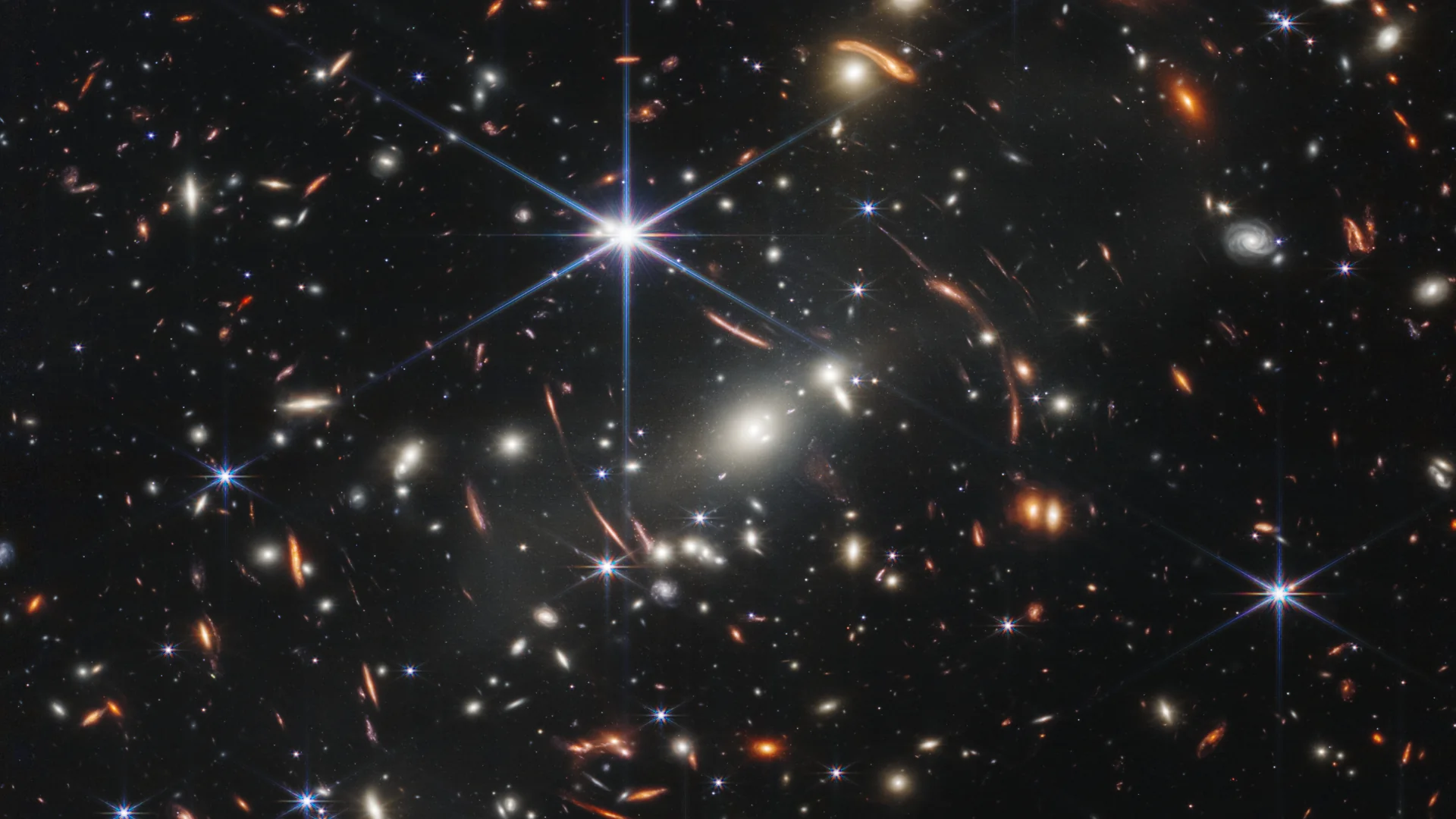
Gravity From Entropy Theory Explains How Life Emerges as Cosmic Entropy Rises
A Physical Review D study finds the universe's total entropy keeps rising while entropy per unit of volume falls as space expands, leaving room for structure.

AI Model Flags 261,000 Cancer Papers as Suspected Paper Mill Work
A BERT-based screening tool checked 2.6 million cancer papers and flagged 9.87% as textually similar to retracted paper mill studies, a new BMJ study finds.
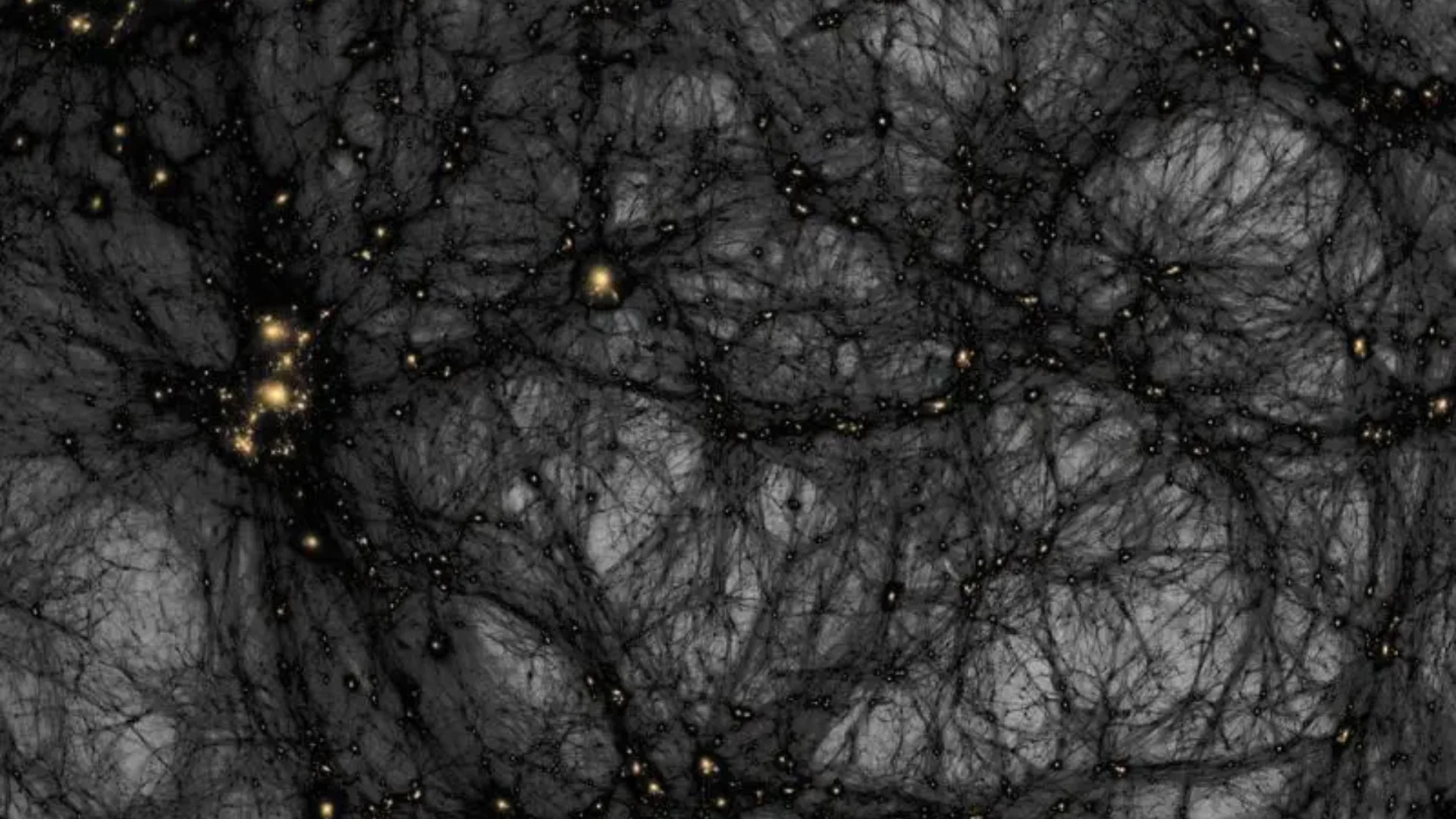
A Two-Particle Dark Matter Model Tries to Explain Two Conflicting Anomalies at Once
A Purple Mountain Observatory model with two dark-matter masses links diffuse dwarf-galaxy cores to a 3–6x lensing excess first reported by Meneghetti et al.
Comments (0)
Please sign in to join the discussion.
No comments yet.
Be the first to share your perspective on this topic.