
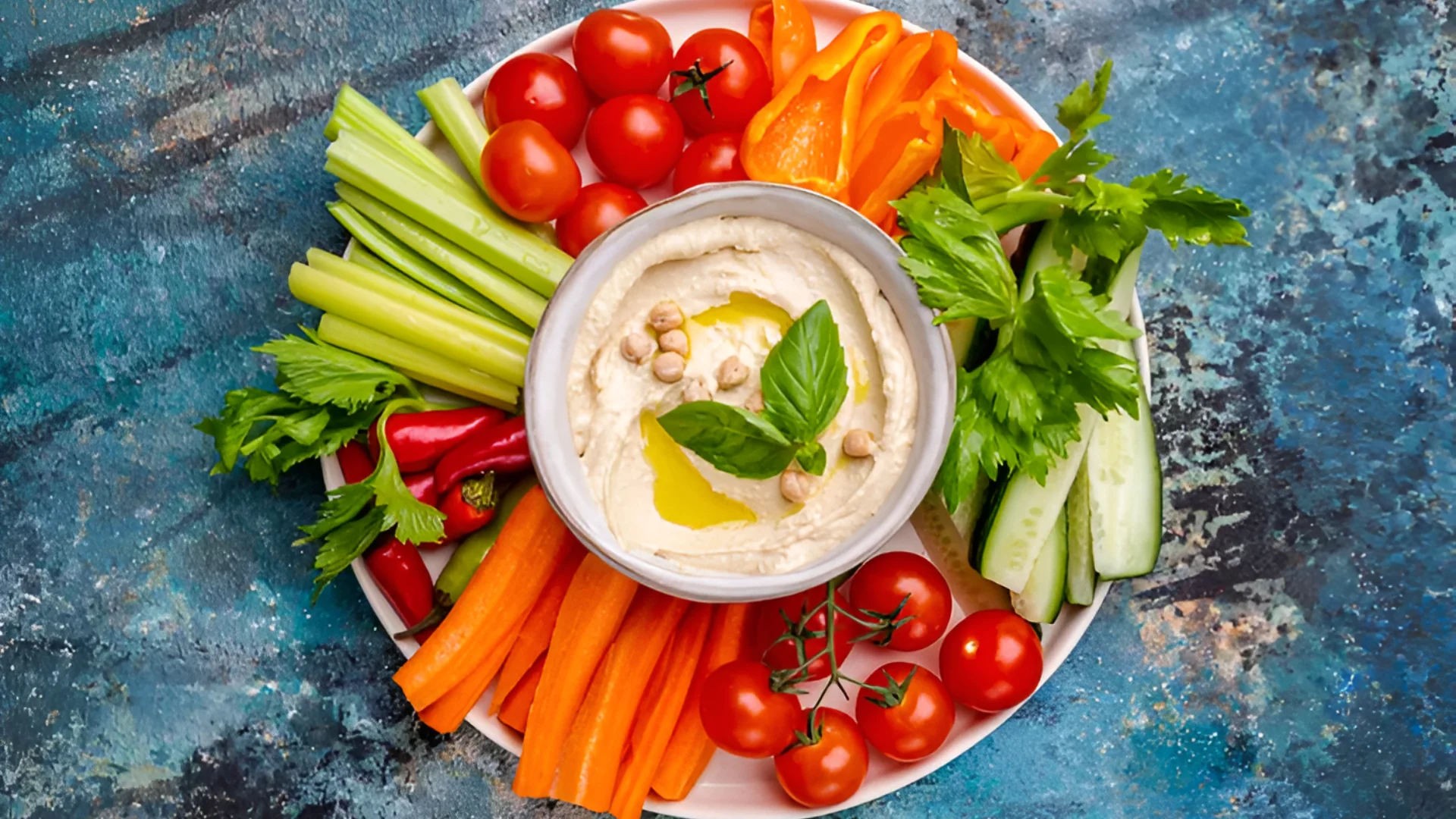
The snack aisle is quietly rewriting its own rules, trading sugar-heavy bars for savory, protein-dense, whole-food options that claim to do more than fill a gap between meals.
Savory Is Crowding Out Sweet

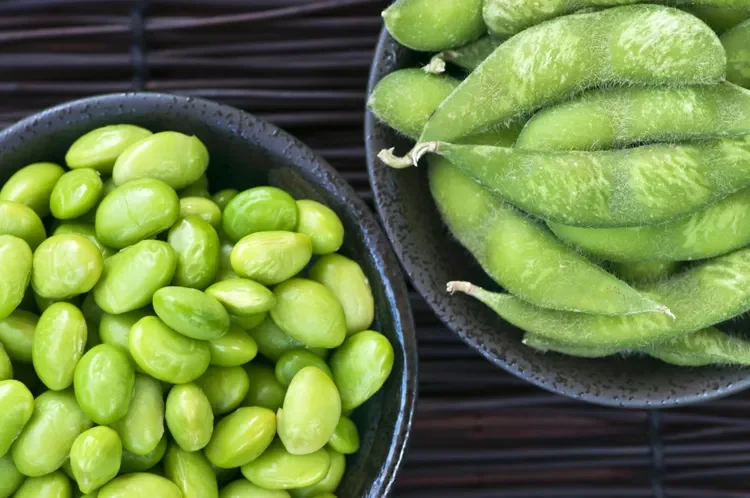
For years, the default healthy snack was some version of a sweetened bar or trail mix. That's shifting. Nutritionists are increasingly pointing people toward savory options that avoid blood sugar spikes and hidden added sugars, with roasted edamame, seasoned chickpeas, and jerky cited as replacements for traditional sweet snacks. The appeal isn't just taste preference — sweetened snack foods tend to carry added sugars that spike and then crash blood sugar, while savory, protein- or fiber-forward options tend to digest more slowly.
Alongside that shift, high-protein snacks remain positioned as the standard for promoting satiety and supporting muscle maintenance, a priority that extends well past athletes to anyone trying to stay full between meals or manage appetite as they age.
The Rise of "Functional Indulgence"
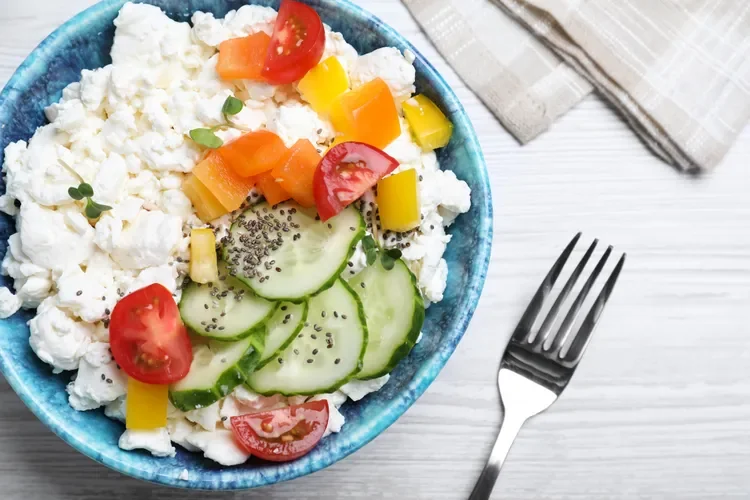
A parallel trend is blurring the line between snack and supplement. Food and beverage companies are increasingly building treats designed to taste indulgent while delivering a targeted benefit, rather than asking consumers to choose between pleasure and nutrition.
That shift shows up concretely in the protein bar category. According to reporting on the "functional indulgence" trend, the global protein bar market was valued at roughly $12.6 billion in 2026 and is projected to grow at about 6.1% annually through 2033, driven by consumers who are scrutinizing ingredient labels and pushing back on seed oils and synthetic sweeteners rather than chasing protein grams alone. One brand example cited in that reporting, Linear Bar, illustrates the pattern: a smaller company built around organic, additive-light formulations that still deliver a candy-like eating experience. It's worth noting that example centers on a single company's product story rather than independent market-wide data, so it's best read as an illustration of the trend rather than proof of its scale.
More broadly, the food industry's response to the "snackification" of meals — consumers replacing full meals with multiple smaller snacks throughout the day — has leaned toward convenient products built from whole-food ingredients instead of heavily processed fillers.
What Different Nuts Actually Offer
Nuts sit at the center of most "healthy fat" recommendations, but not all nuts serve the same nutritional role, and treating them as interchangeable overlooks what each one is best suited for:
Walnuts are frequently highlighted for brain health because of their relatively high ALA omega-3 fatty acid content.
Almonds stand out as a source of vitamin E, an antioxidant, along with fiber.
Pistachios tend to be lower in calories per volume than many other nuts, and the extra step of peeling the shells can slow down eating — a small mechanical nudge toward more mindful portions.
Brazil nuts are unusually concentrated in selenium, a mineral tied to thyroid function, which is why guidance typically caps intake at just one or two nuts a day rather than treating them like a handful snack.
That last point matters: selenium is a case where more isn't simply better, since Brazil nuts can deliver a large share of a day's recommended selenium in a single nut. Reaching for a handful the way one might with almonds isn't the same move nutritionally.
Where This Leaves Shoppers

None of this makes any single snack a fix-all. The nutrients described above support specific functions — antioxidant activity, thyroid support, fullness — rather than acting as blanket health guarantees, and a snack marketed as "functional" is still worth reading the label on. But the broader direction is consistent across savory snacks, protein-forward products, and nut recommendations alike: shoppers are being steered toward foods that do a specific, explainable job, rather than snacks that simply avoid being "unhealthy."

What Magnesium Actually Does and Which Medications It Can Undermine
A guide to magnesium's supported benefits, who is actually at risk of overdose, and the specific medications that require spacing doses apart from supplementation.
The 2026 Cyclosporiasis Outbreak Has Already Broken the U.S. Record
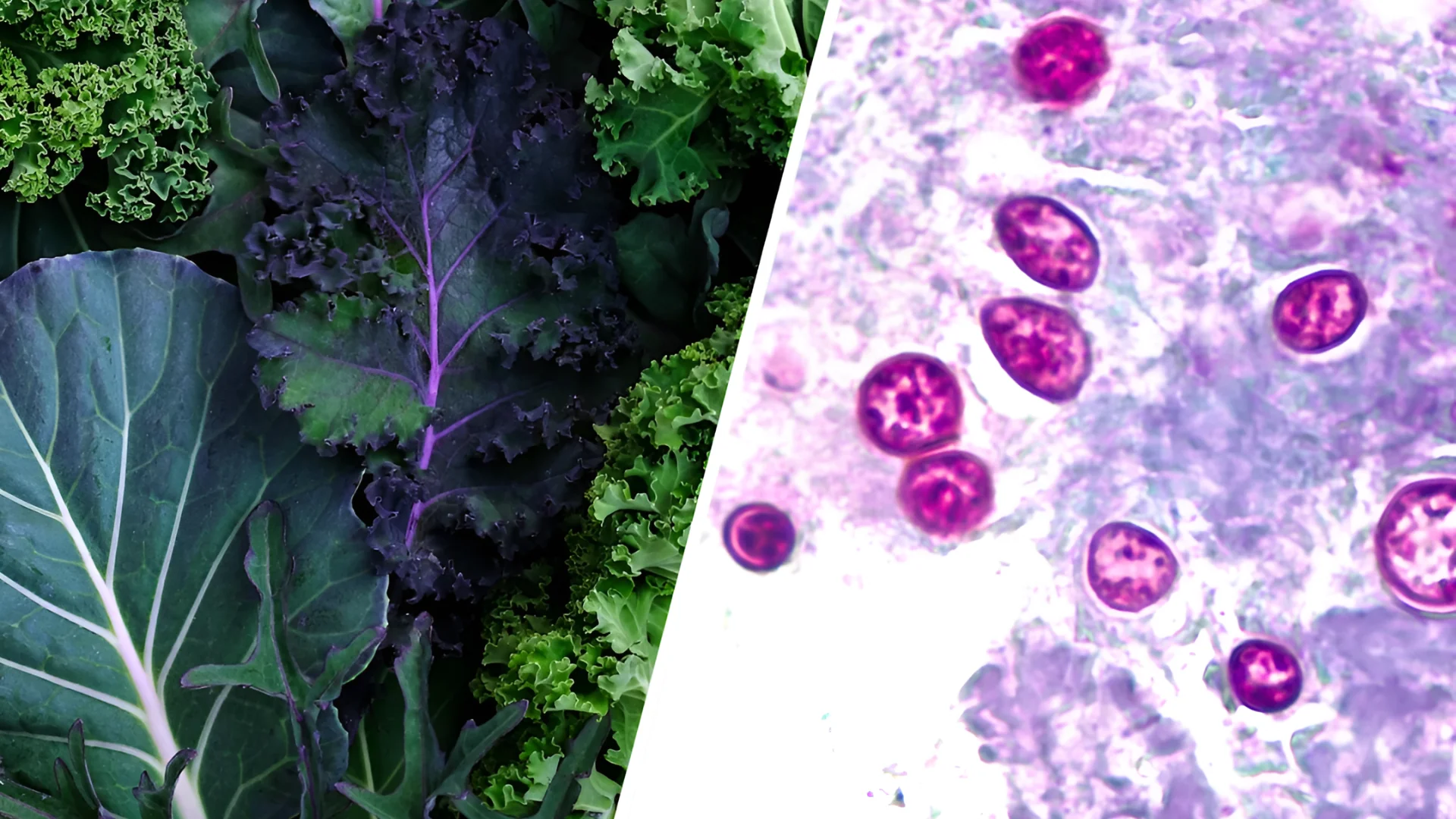
A multistate cyclosporiasis outbreak has surpassed the 2019 U.S. record, with Michigan hit hardest. Investigators are focused on bagged greens amid CDC budget cuts.

A Second American Has Contracted Ebola in Congo's Record Outbreak
A US aid worker in DRC has tested positive for Bundibugyo Ebola virus as the outbreak, now Africa's fastest-growing, shows signs of significant undetected spread.

DRC's Bundibugyo Ebola Outbreak Spreads With No Approved Vaccine or Treatment
A rare Bundibugyo Ebola strain is spreading undetected across the DRC, reaching Kinshasa and Uganda, with no approved vaccine or treatment yet available.
Comments (0)
Please sign in to join the discussion.
No comments yet.
Be the first to share your perspective on this topic.