
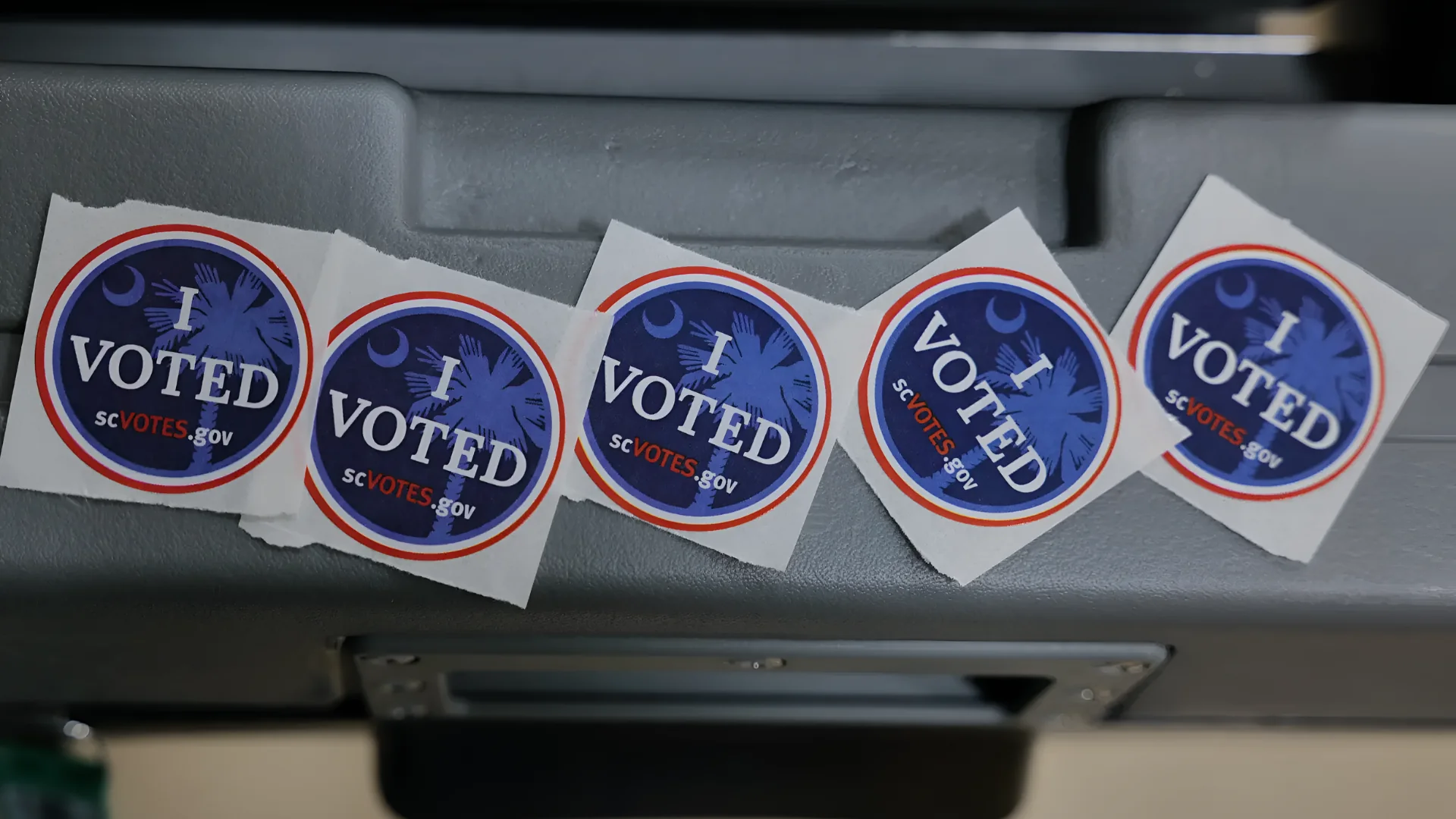
The Republican primary to succeed term-limited Gov. Henry McMaster is less than two days away, and the race remains fractured enough that none of the five major candidates appear close to the majority needed to avoid a runoff.
A Presidential Endorsement That Has Not Cleared the Field
On May 29, President Donald Trump officially endorsed Lt. Gov. Pamela Evette for governor, offering a full-throated public backing that placed her at the front of a crowded contest. By most measures, the endorsement mattered. Trafalgar Group polling conducted after the announcement showed Evette leading at 26 percent — a meaningful gap over the four candidates trailing her.
But 26 percent in a five-way primary is a structural problem, not a winning position. South Carolina's rules require a majority to avoid a runoff, meaning Evette would need to nearly double her current support on election day, or watch the top two finishers advance to a second contest. Rep. Nancy Mace, who sits at 15 percent in the same poll, made exactly this point: the endorsement gave Evette "a five-point bump," she told reporters, and the race remains a "dog fight."
That framing may be convenient for a trailing candidate, but the underlying numbers support it. Attorney General Alan Wilson and businessman Rom Reddy each sit at 17 percent, with Rep. Ralph Norman at 16 percent. The field is compressed enough that the order of the top two finishers — and therefore who advances to any runoff — is genuinely uncertain. The chart below shows the full polling picture from the most recent available Trafalgar Group survey.
The Events That Shaped the Final Week
The endorsement itself was one piece of a more complicated stretch. When Trump posted his backing of Evette on May 29, the announcement carried an implicit secondary signal: that Henry McMaster Jr., the current governor's son, might join the ticket as Evette's lieutenant governor pick. Seven days later, McMaster Jr. ruled it out. He said in a statement that "now is simply not the right time" for public office, while adding that he remains "Team Evette all the way." The clarification removed a potential source of political momentum for Evette without altering the endorsement itself.
Mace's explanation for her own absence from Trump's endorsement list was more pointed. She told reporters that her push to force a House vote releasing the Jeffrey Epstein files had cost her the backing. "If the price to pay for an endorsement was to not release those files, I would never pay it," she said. The remark did two things simultaneously: it gave Mace a ready-made narrative for finishing below Evette in any runoff scenario, and it positioned her anti-endorsement as a principled stance rather than a simple loss. Whether that argument moves voters in the final hours is an open question. The timeline below captures the sequence of events leading into Tuesday's vote.
What the Endorsement Did and Did Not Do
Presidential endorsements in crowded primaries operate differently than in head-to-head general elections. In a field of five, an endorsement typically elevates the preferred candidate's floor and signals to donors and party infrastructure where to concentrate resources. What it rarely does — absent a collapse among competitors — is force a consolidation. There is no evidence that any of the four other candidates in this race has withdrawn or meaningfully shifted their position in response to Trump's backing of Evette.
That dynamic is reflected in the polling. A 26-to-15 spread between Evette and Mace is a gap, not a rout. With Reddy, Wilson, and Norman collectively accounting for roughly 50 percent of the surveyed vote, the runoff pathway remains open regardless of Trump's preference. If Evette clears 50 percent on June 9, the question becomes moot. The polling as it stands suggests that is unlikely — though the sourced survey predates early voting and the final campaign push, and its precise field dates and margin of error have not been disclosed in the available reporting.
Mace's Epstein framing adds a distinct layer. By publicly attributing the snub to her legislative conduct rather than to voter preference or organizational shortfalls, she has offered an interpretation that insulates her from a loss while reinforcing her identity as a disruptor within a MAGA-aligned electorate. Whether that logic converts to votes on Tuesday, or whether it simply provides post-primary cover, will become clearer once results are in. What is not in dispute is that the race enters election day with no candidate near a majority and significant uncertainty over who occupies the second runoff slot.

Bill Pulte Fires 51 ODNI Staff in First Week as Acting DNI
Acting DNI Bill Pulte removed 51 ODNI personnel in his first week, with bipartisan critics warning the cuts risk the post-9/11 intelligence coordination mission.
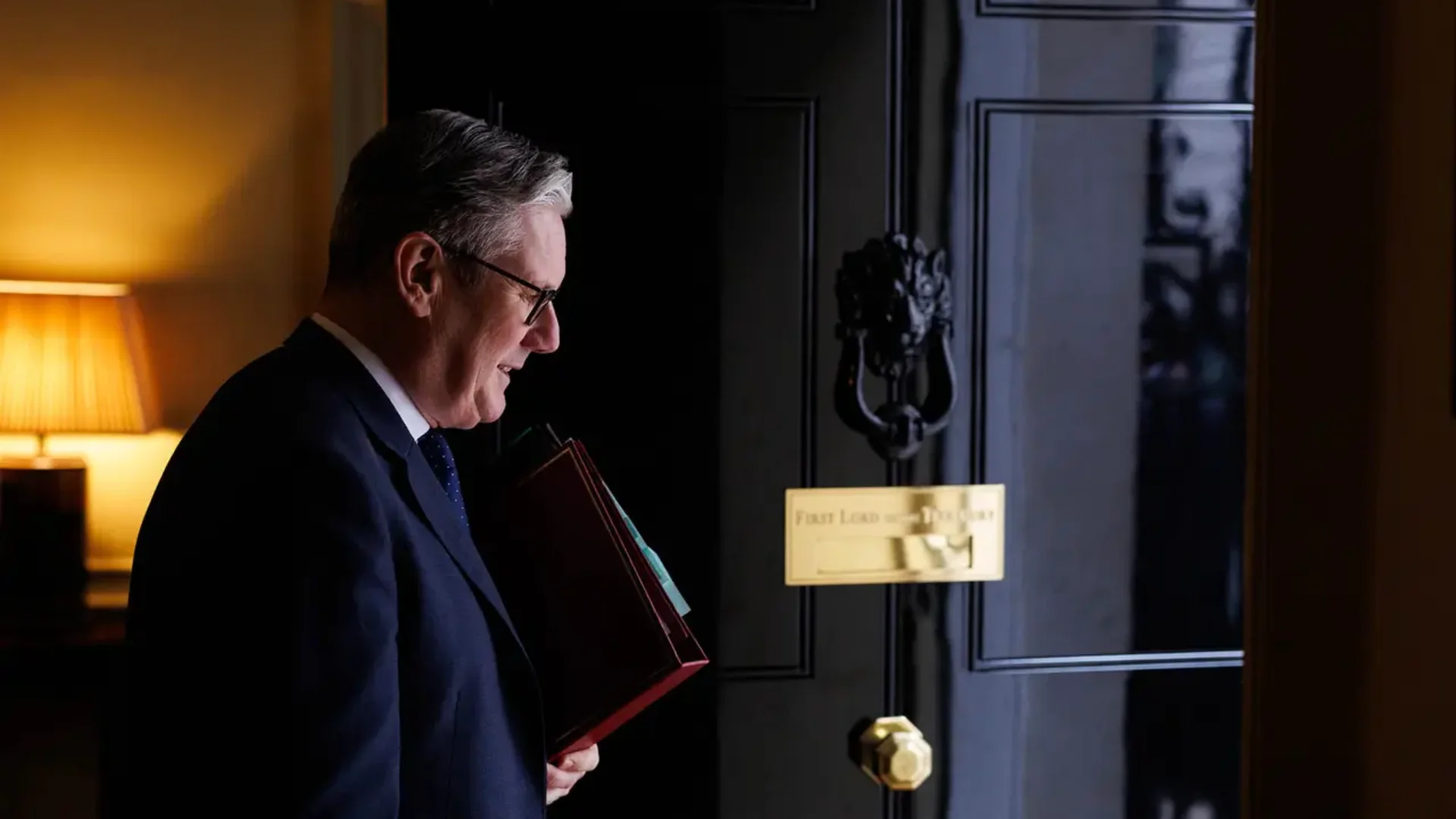
Starmer Announces Resignation, Clearing Labour's Path to Burnham
Starmer resigns as UK prime minister after Burnham's by-election win triggers cabinet defections; gilt yields rise as markets price in leadership transition risk.

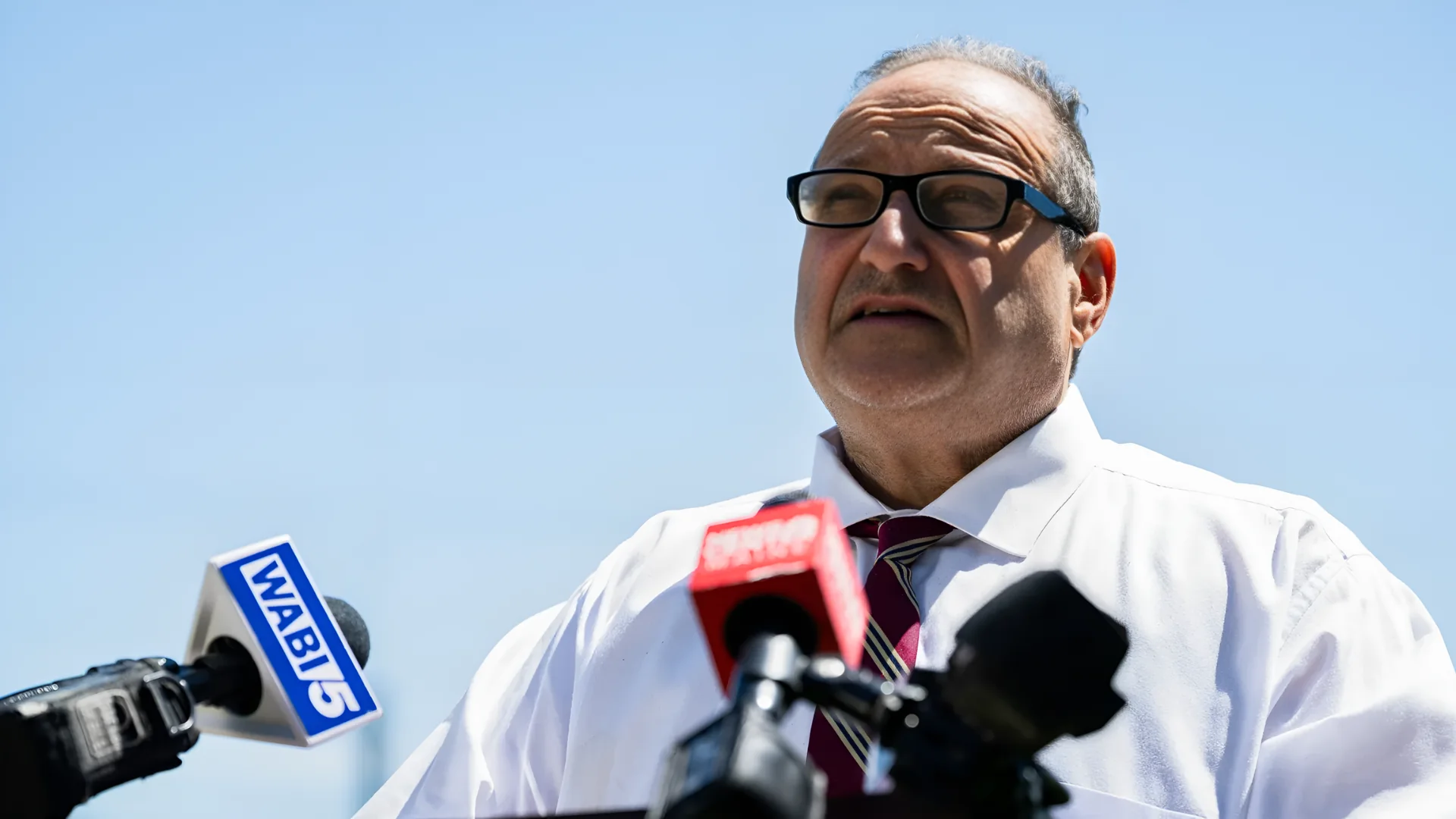
Maine 2026 Primary Results: Dunlap, Pingree Win
Maine's ranked choice runoffs confirmed Dunlap for ME-02 and Pingree for governor. Troy Jackson's loss signals limits on Platner's intraparty influence ahead of his Senate race.
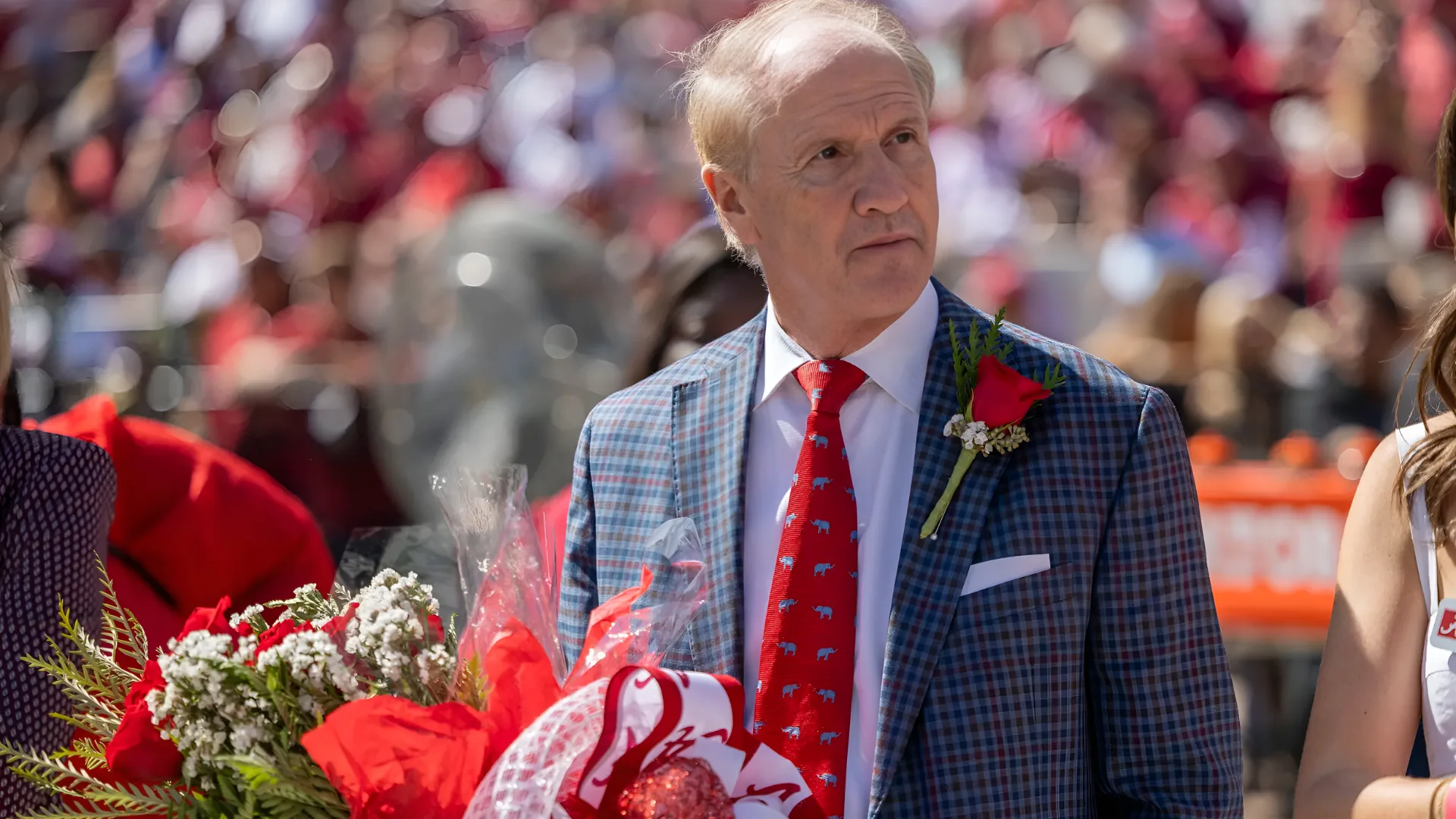
UF Names Stuart Bell President Amid DEI Controversy
UF trustees voted June 10 to appoint former University of Alabama president Stuart Bell as UF's 14th president, ending a search repeatedly disrupted by conservative pressure over DEI records. A $1.45 billion stadium project was announced the same week.
Comments (0)
Please sign in to join the discussion.
No comments yet.
Be the first to share your perspective on this topic.