

A 13-year study of more than 354,000 UK Biobank participants found that regular coffee drinkers had substantially lower rates of cirrhosis, liver cancer, and liver-related death, with imaging and blood data offering a first look at why.
Cirrhosis and cancer risk dropped further at three to four cups a day
Researchers at Cedars-Sinai Health Sciences University followed 354,957 people who were free of cirrhosis and liver cancer at the start of the evaluation, tracking their outcomes over 13 years. The findings, published July 1 in Clinical Gastroenterology and Hepatology, describe a clear dose-response pattern rather than a simple yes-or-no effect.
Participants who drank one to two cups of coffee daily had a 20% lower risk of cirrhosis, a 24% lower risk of liver cancer, and 31% lower odds of liver-related death compared with non-drinkers. Those numbers improved at three to four cups a day: a 35% lower cirrhosis risk, a 35% lower cancer risk, and a 41% lower chance of liver-related death. Researchers described this window as where the protective association appeared strongest. At five or more cups daily, cirrhosis risk reduction eased slightly to 32%, while cancer risk reduction climbed further to 47% and liver-related death risk fell 42%.
Liver scans and blood samples point to a biological explanation

What separates this study from earlier, smaller coffee research is that it paired the long-term outcome data with liver MRI scans and blood protein analysis, an approach aimed at identifying the biological pathways behind the association rather than just documenting it. Coffee drinkers showed markedly lower levels of hepatic fat, liver iron, structural fibrosis, and general liver inflammation on imaging. Their blood samples also carried elevated levels of proteins tied to healthy liver function alongside significantly lower levels of proteins associated with active scarring and inflammation.
That combination of imaging and blood markers gives the study a mechanistic layer that pure outcome-tracking studies lack. It does not establish causation, but it does show that the biological patterns typically associated with liver damage were measurably less present in coffee drinkers across a large, long-followed population.
Decaf drinkers saw similar protection, suggesting antioxidants over caffeine
One of the more notable findings is that decaffeinated coffee drinkers experienced protective associations similar to those seen in people who drank regular coffee. First author Dr. Hyunseok Kim said this pattern suggests coffee's antioxidative compounds, such as polyphenols and chlorogenic acids, are more likely drivers of the effect than caffeine itself.
The researchers also looked at how people prepared their coffee. Participants who added sugar or artificial sweeteners still showed positive protective trends, though the risk reductions were somewhat smaller than among those who drank coffee unsweetened. The study builds on a broader body of epidemiological research already linking regular coffee consumption to lower risks of type 2 diabetes, heart failure, stroke, and dementia.
Researchers stop short of a clinical recommendation
Despite the scale of the findings, the study's authors were explicit about its limits. This is an observational study, meaning it can show an association between coffee intake and liver outcomes but cannot prove that coffee directly prevents liver disease. Senior author Dr. Ju Dong Yang said the results are not a basis for non-coffee drinkers to start the habit for liver protection, nor for existing drinkers to push their intake to five or more cups a day if they don't tolerate it well. Caffeine remains a known trigger for certain heart conditions, elevated blood pressure, anxiety, and disrupted sleep.
The researchers also flagged a demographic limitation: the UK Biobank cohort is predominantly white, so the biomarker patterns observed here still need validation in more ethnically diverse populations before they can be generalized globally.
The study's authors frame coffee as, at most, a minor complement to the established pillars of liver health, maintaining a healthy weight, exercising regularly, limiting alcohol, and managing blood sugar, blood pressure, and cholesterol. For now, the strongest takeaway is that a common daily habit shows up in liver imaging and blood chemistry in ways that track with better long-term outcomes, even if the exact causal mechanism is still being worked out.
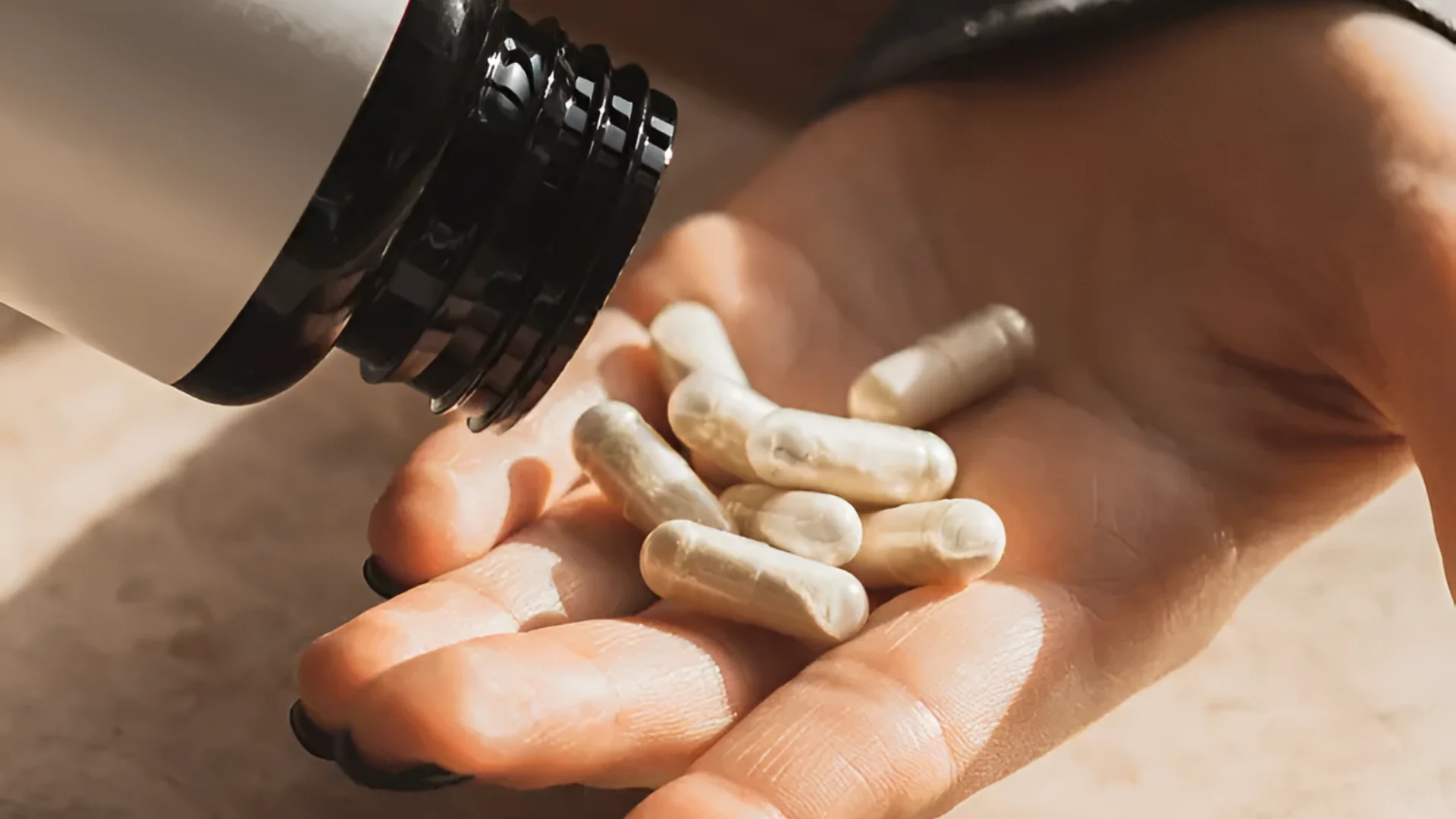
What Magnesium Actually Does and Which Medications It Can Undermine
A guide to magnesium's supported benefits, who is actually at risk of overdose, and the specific medications that require spacing doses apart from supplementation.
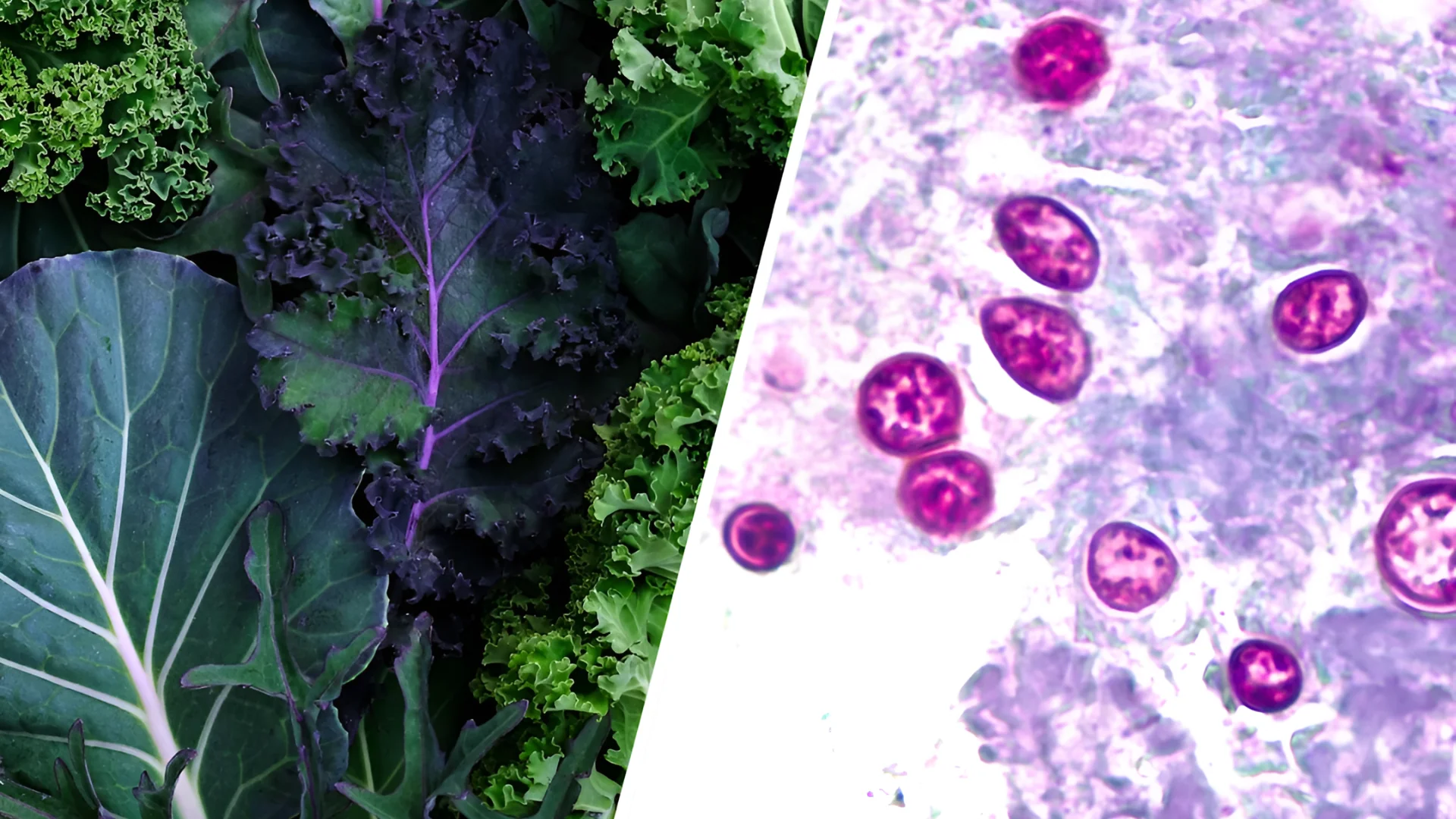
The 2026 Cyclosporiasis Outbreak Has Already Broken the U.S. Record
A multistate cyclosporiasis outbreak has surpassed the 2019 U.S. record, with Michigan hit hardest. Investigators are focused on bagged greens amid CDC budget cuts.
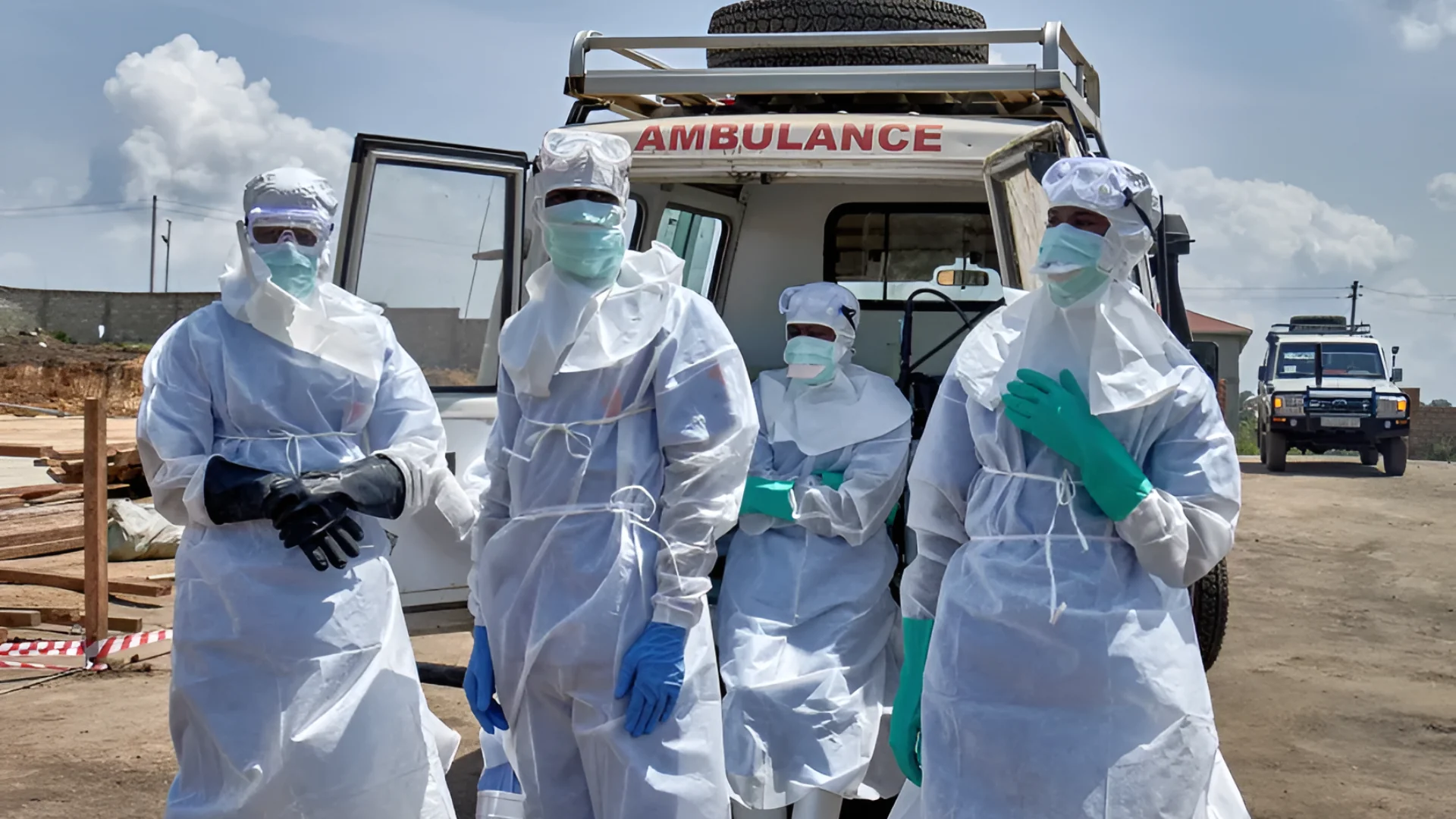
A Second American Has Contracted Ebola in Congo's Record Outbreak
A US aid worker in DRC has tested positive for Bundibugyo Ebola virus as the outbreak, now Africa's fastest-growing, shows signs of significant undetected spread.
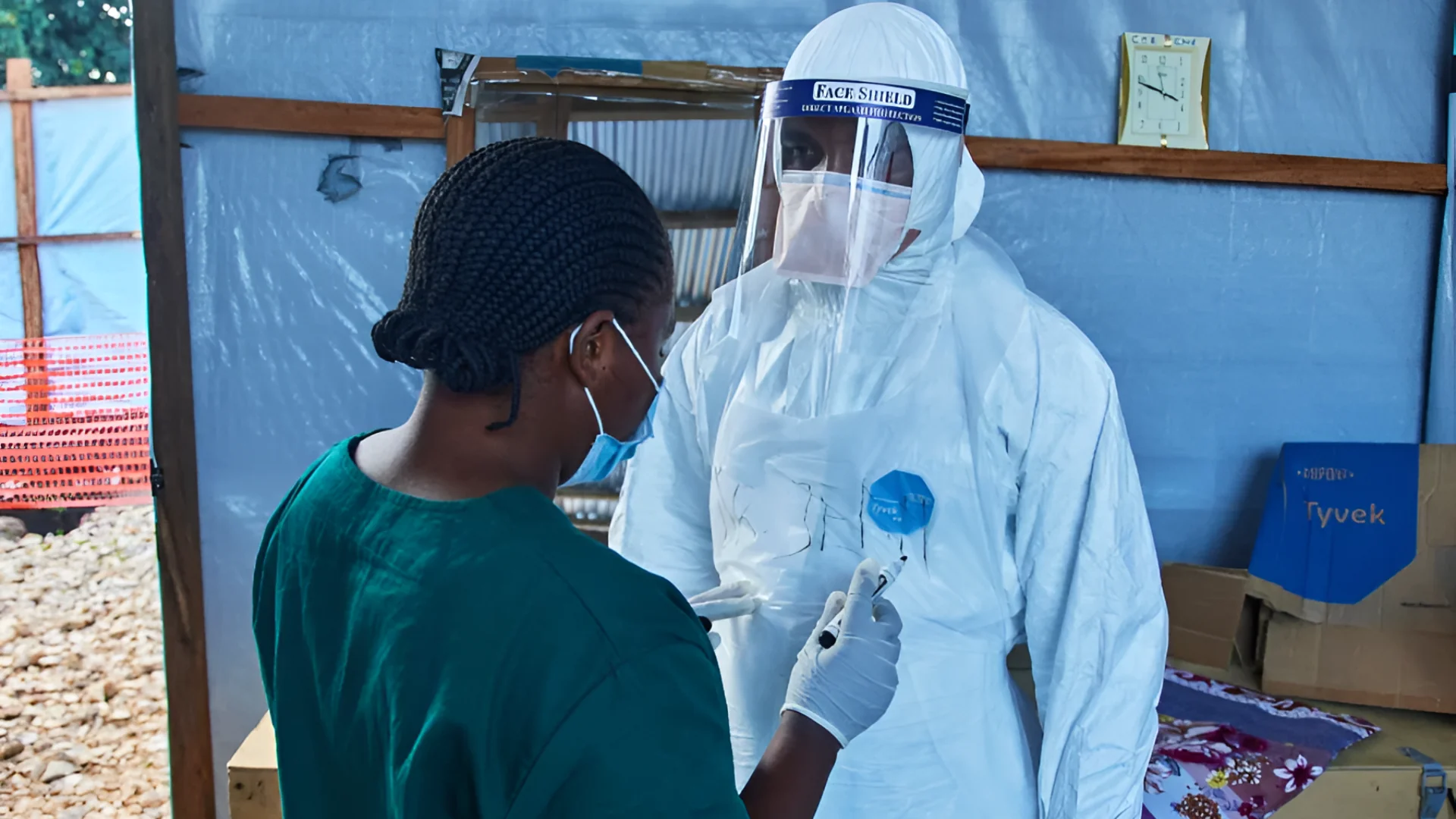
DRC's Bundibugyo Ebola Outbreak Spreads With No Approved Vaccine or Treatment
A rare Bundibugyo Ebola strain is spreading undetected across the DRC, reaching Kinshasa and Uganda, with no approved vaccine or treatment yet available.
Comments (0)
Please sign in to join the discussion.
No comments yet.
Be the first to share your perspective on this topic.