
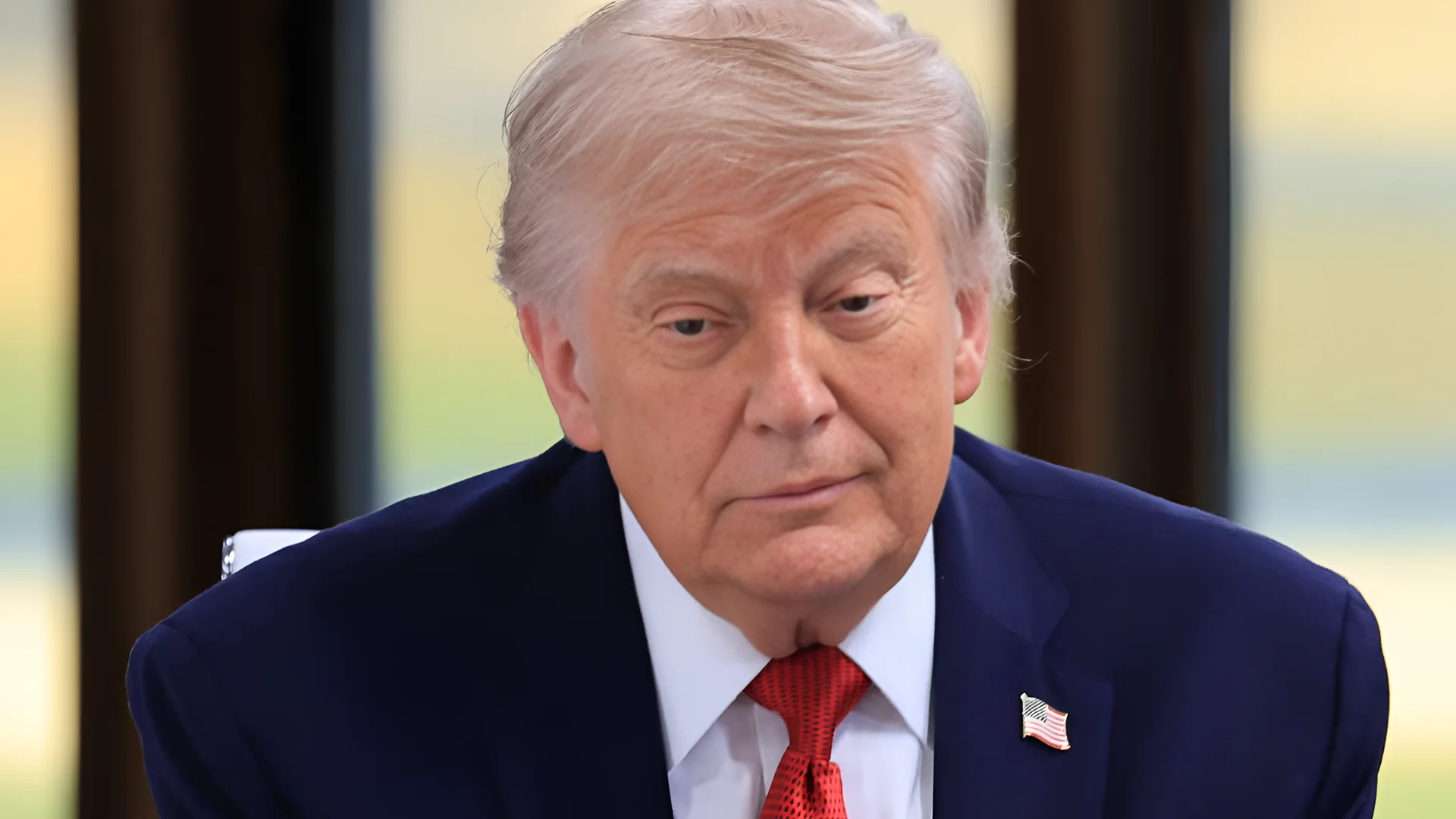
Less than two weeks after the United States and Iran signed a Memorandum of Understanding intended to end their military confrontation, commercial vessels are being struck in the Strait of Hormuz, US forces have hit Iranian coastal installations, and the IRGC has launched ballistic missiles at American bases in Kuwait and Bahrain. The proximate cause is a single disputed clause.
What the June 15 Agreement Promised — and What Article 5 Actually Says
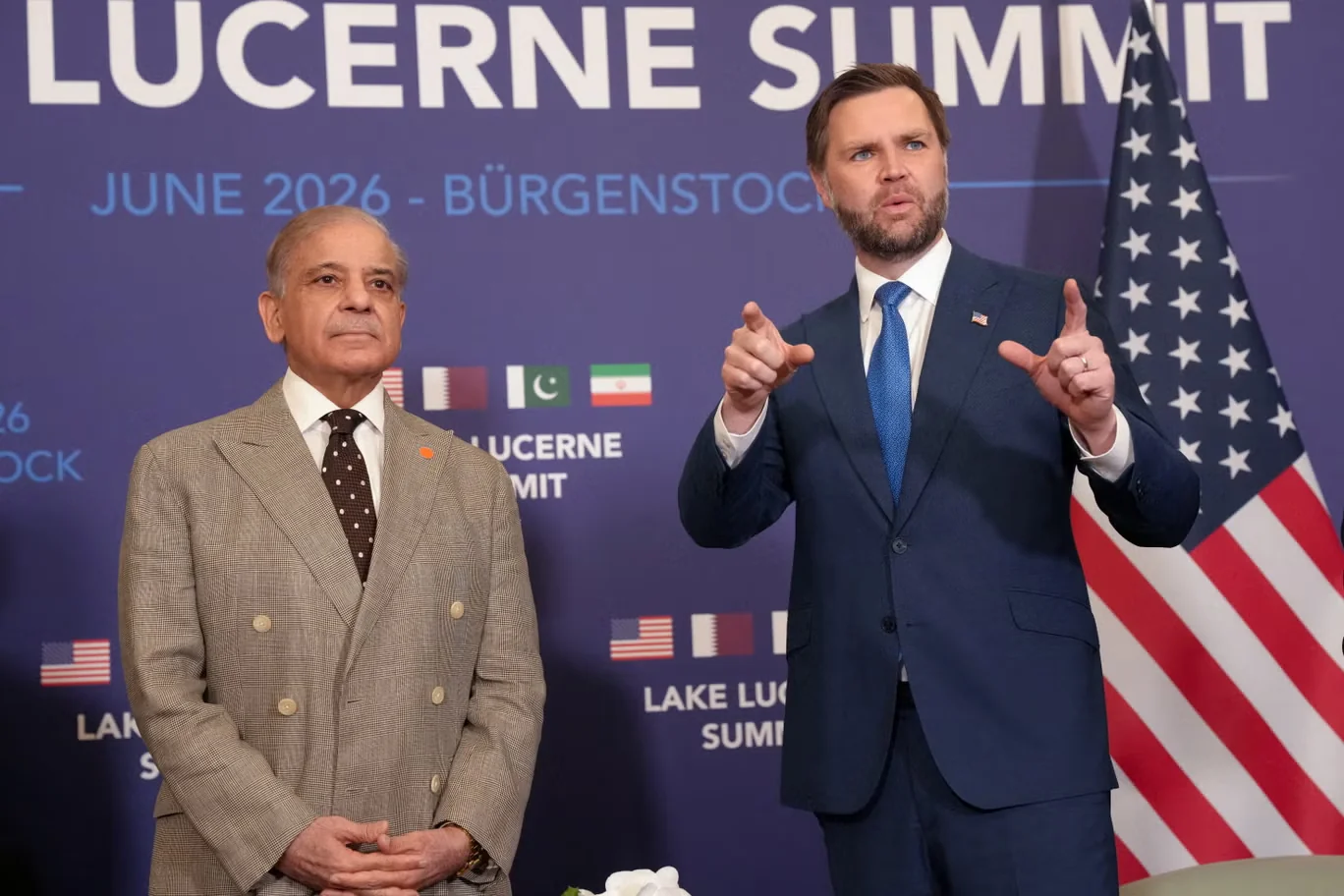
The MoU, signed June 15 by President Donald Trump and Iranian President Masoud Pezeshkian, carried three headline provisions: broad sanctions relief, the lifting of a naval blockade, and the establishment of a $300 billion reconstruction fund. On paper, the deal gave each side a headline win to take home.
The agreement's Article 5 governs the Strait of Hormuz, which Iran had previously blockaded. The clause requires Iran to "make arrangements using its best efforts for the safe passage of commercial vessels with no charge for 60 days" and to conduct demining within 30 days.
The language, as analysts and diplomats now note, left critical questions unanswered: who controls transit routing, under what authority, and at what point does Iranian "oversight" become a toll or an act of interference? Differing interpretations have led to open conflict. Iran has claimed total oversight and management of the strait for 30 days and attempted to force vessels into northern Iranian territorial waters. The US and Gulf nations, coordinating through Oman and the IMO, have demanded open international maritime routes.
The chart below summarizes the three core MoU provisions that are now in contested implementation.
A Week of Strikes: How the Hormuz Dispute Became a Military Exchange
The gap between the two readings of Article 5 did not remain a diplomatic argument for long. The timeline below tracks how a contested interpretation became an armed exchange within days of the MoU's signing.
Commercial vessels Ever Lovely, sailing under Singapore's flag, and Kiku, under Panama's flag, were struck by projectiles and drones in the Strait. In response, US forces struck Iranian coastal radar sites, drone storage facilities, and locations in Sirik and on Qeshm Island. The IRGC then launched ballistic missiles and drones at US forces at Kuwait's Ali Al Salem Air Base and the US Fifth Fleet headquarters in Bahrain.
President Trump subsequently threatened on social media to "militarily complete the job," warning that Iran "will no longer exist" if violations continue. The statement was notable for its escalatory framing at a moment when the MoU was formally still in effect.
Iran's Domestic Reckoning: Who the MoU Actually Benefited
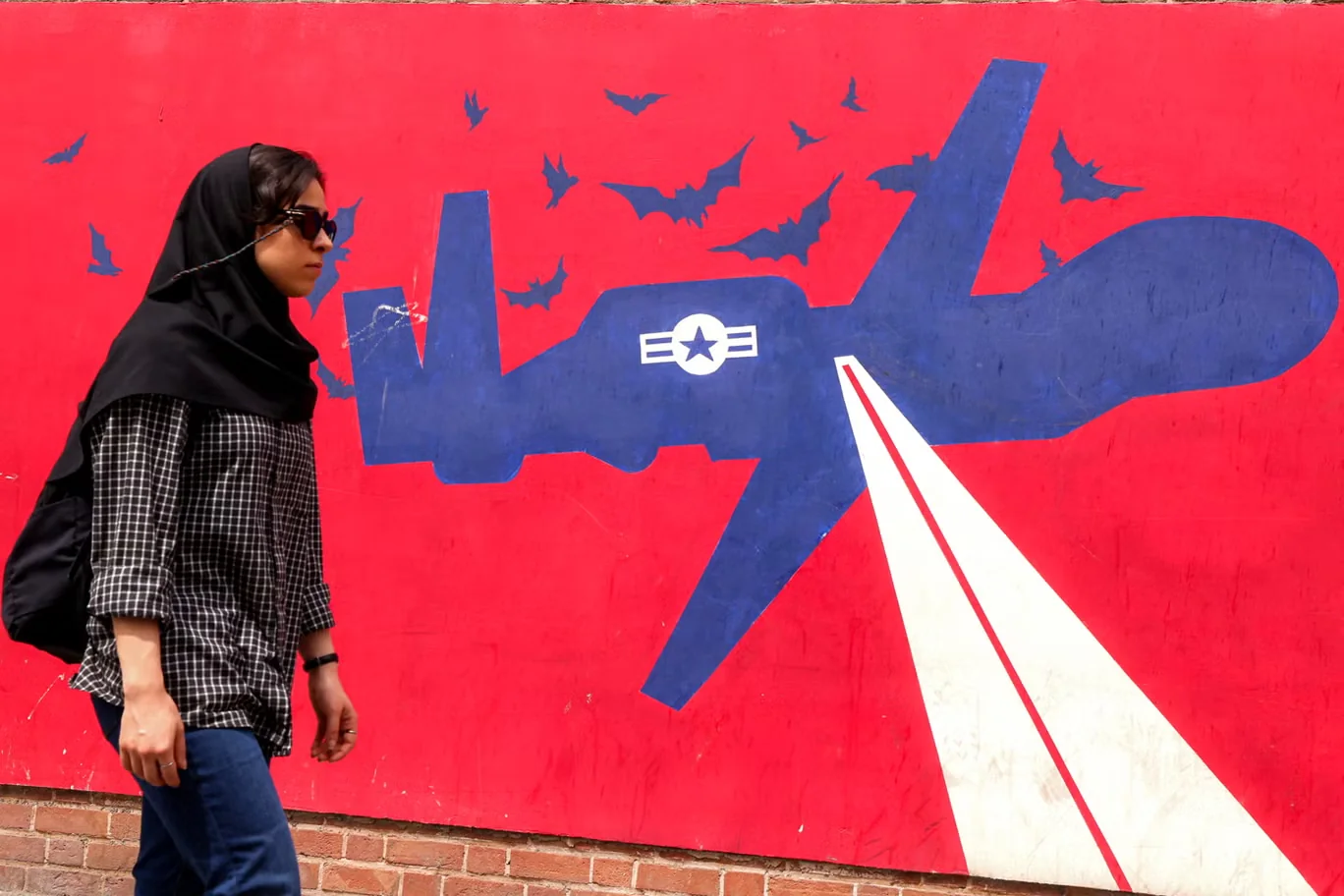
While the military exchange dominates the external picture, the MoU has generated a parallel crisis inside Iran. Iranian protesters have labeled the deal a historic failure, arguing that despite Trump's earlier rhetoric about regime change, the IRGC remains fully in power, executions of young protesters continue, and the regime's security grip has tightened.
Critics have also raised a structural concern: the $300 billion reconstruction fund is likely to be absorbed by the IRGC and state institutions rather than benefiting ordinary citizens trying to rebuild. The reconstruction fund, in other words, may consolidate the institutional position of the very security apparatus that many Iranians blame for the country's destruction.
A further point of grievance is the premise of the deal itself: many Iranians note that the Strait of Hormuz was open before the war began, making its "reopening" a weak headline achievement.
The Foreign Affairs assessment of Iran's strategic position is similarly restrained. While the Iranian regime survived the military campaign and secured sanctions relief, widespread infrastructure damage, severe domestic unrest, and the continued threat of immediate US-Israel re-engagement severely limit Tehran's ability to claim a genuine strategic victory.
The flow diagram below maps how the Article 5 ambiguity produced two incompatible implementation paths — the divergence that sits at the root of the current exchange.
What the sequence makes clear is that the MoU's architecture rested on language specific enough to appear binding but vague enough to allow each side to implement it according to interests that were never reconciled at the table. The Strait of Hormuz clause gave both governments a signing moment; it did not give either a workable operational framework. Whether the agreement survives the current exchange, or whether the military logic now runs ahead of its diplomatic provisions, is the question that the next several days will answer.

Before Argentina-Spain: Messi's Goal Record, the Ballon d'Or Math, and Why Models Favor Spain
Mbappé now owns the World Cup goal record. Messi has a Golden Boot deficit and a 9th Ballon d'Or on the line. Here's the data before Sunday's final.


The Retirement Countdown: What to Fix at 5 Years, 3 Years and 1 Year Out
Retirement checklist: what advisors say to fix at 5, 3 and 1 year out — Social Security claiming order, IRA withdrawal sequencing and a 2028 tax deadline.

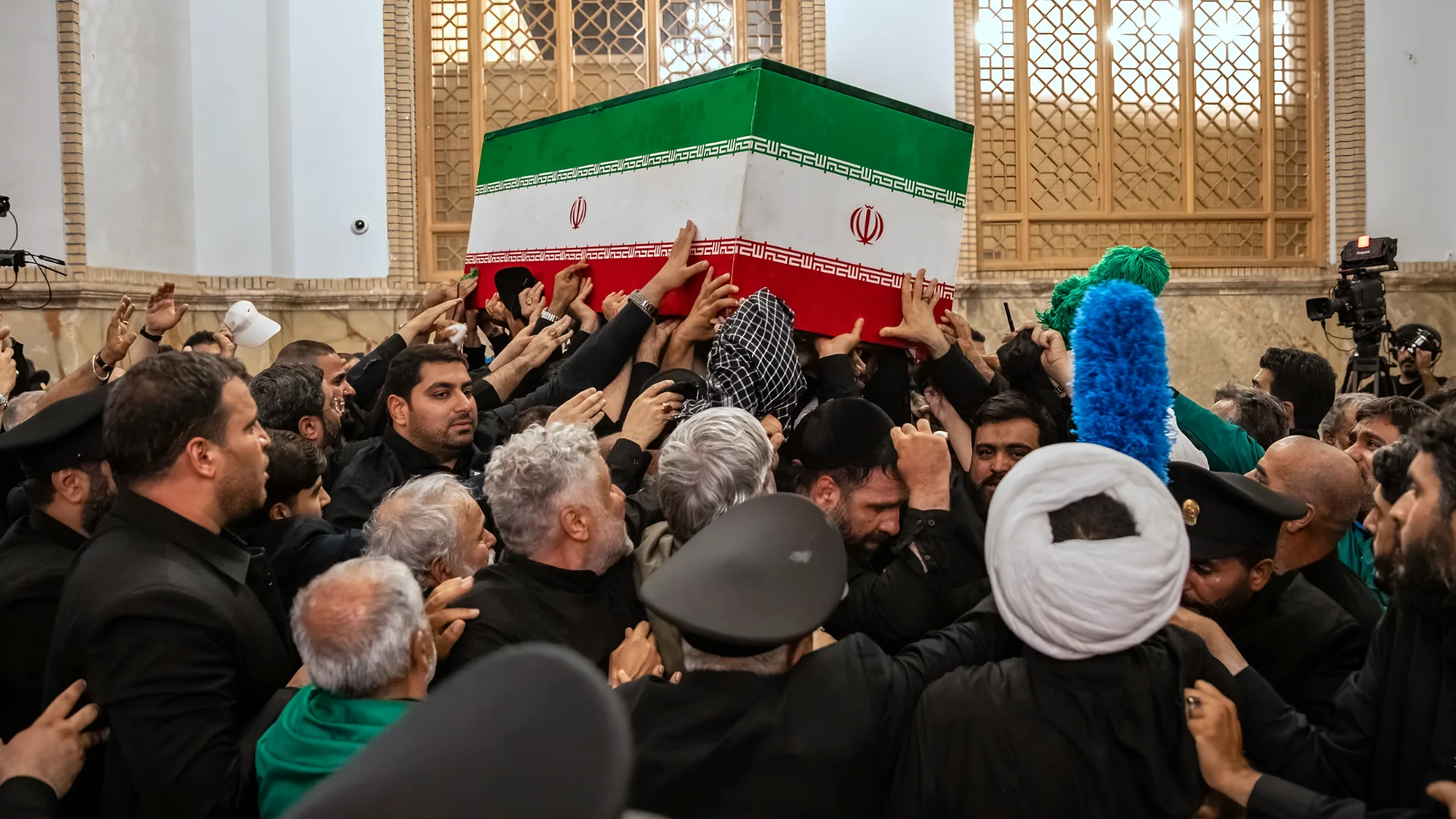
Israel Tells US of a New Plot to Assassinate Trump as the Iran Ceasefire Collapses
Amid renewed US-Iran strikes and a fraying ceasefire, Israel warned Washington of a new, unverified plot to assassinate Trump.
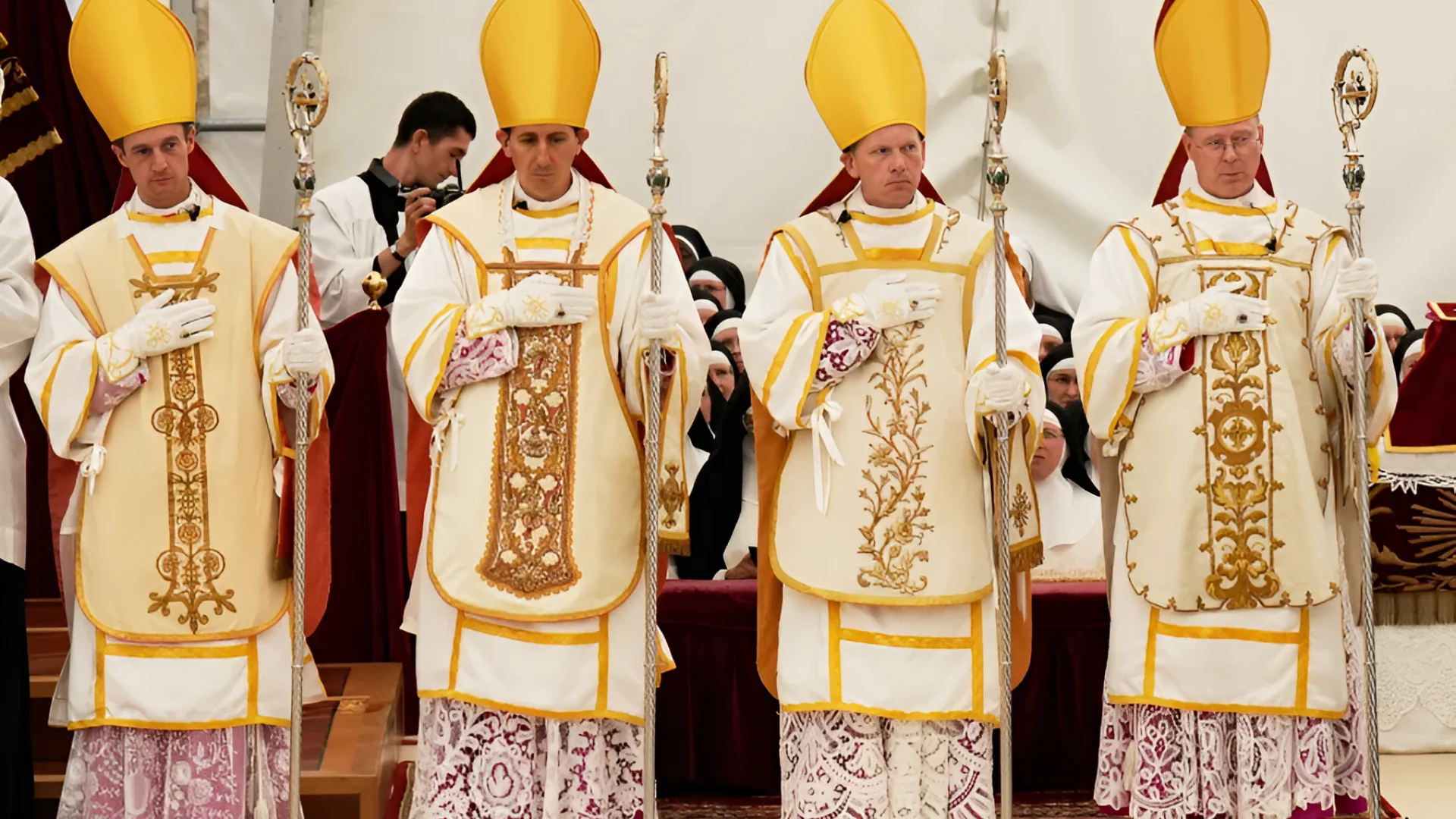
Vatican Excommunicates SSPX Bishops Over Écône Rite
Rome declared the Society of St. Pius X in schism on July 2, 2026, excommunicating six bishops and warning followers they risk the same penalty.
Comments (0)
Please sign in to join the discussion.
No comments yet.
Be the first to share your perspective on this topic.