
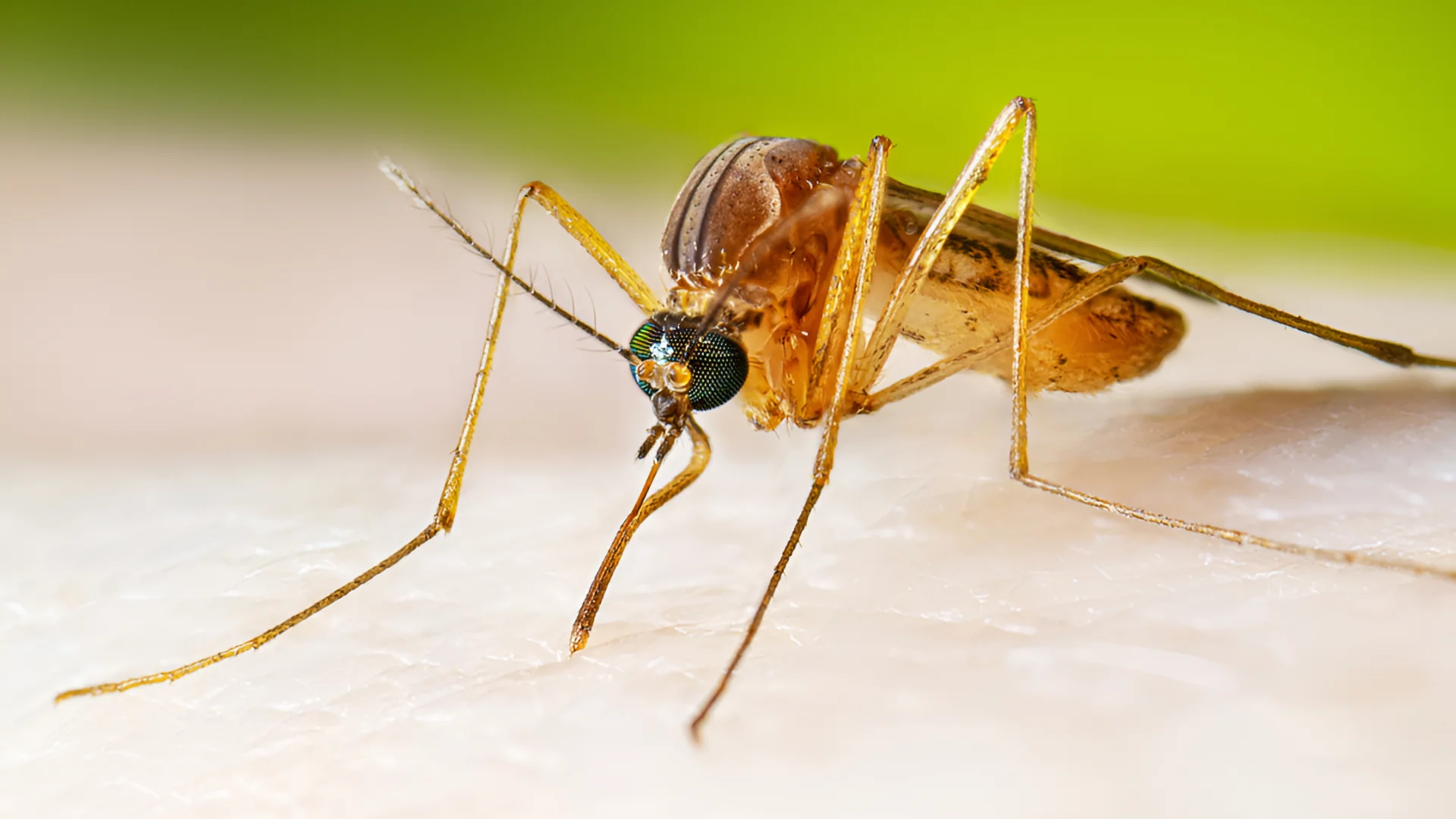
West Nile virus activity is climbing across California heading into the Fourth of July weekend, with mosquito surveillance programs reporting new detections from the Inland Empire to Sacramento and at least one confirmed human infection in Long Beach.
A Human Case in Long Beach Marks a Shift From Mosquito-Only Detections
Most West Nile virus findings so far this season have come from mosquito pools and dead-bird testing, the routine surveillance tools vector control districts use to track the virus before it reaches people. That changed with a confirmed human infection in Long Beach, which health officials treat as a more serious signal than an environmental detection alone. The same reporting noted the first mosquito-borne detection of the season in the San Gabriel Valley, suggesting the virus is now active in multiple Los Angeles County communities rather than a single cluster.
Southern California's Detection Map Widens From the San Gabriel Valley to the Inland Empire
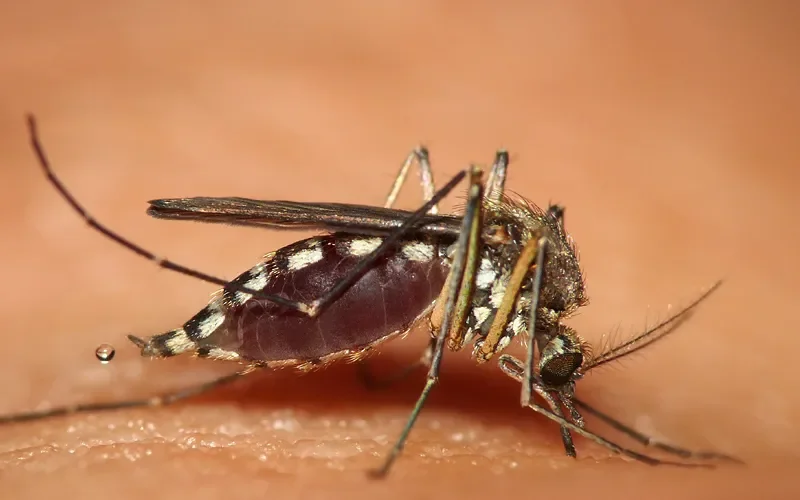
Beyond Los Angeles County, an Inland Empire city recently became the latest Southern California community to confirm West Nile virus in local mosquito samples, extending the geographic spread eastward. Taken together with the Long Beach and San Gabriel Valley findings, the pattern points to a regional uptick rather than an isolated pocket of activity — though the underlying case count in humans, at this point, remains limited to the one confirmed infection reported so far.
Orange County Vector Control Warns Ahead of Fourth of July Gatherings
In Orange County, infected mosquitoes were identified in Costa Mesa and Westminster, prompting vector control officials to issue holiday-specific guidance. With outdoor gatherings expected over the Fourth of July weekend, the timing raises the practical stakes: more people outside at dusk, when mosquitoes that carry the virus are most active, in areas where infected samples have already turned up.
Sacramento Officials Brace for a Seasonal Surge as Temperatures Climb
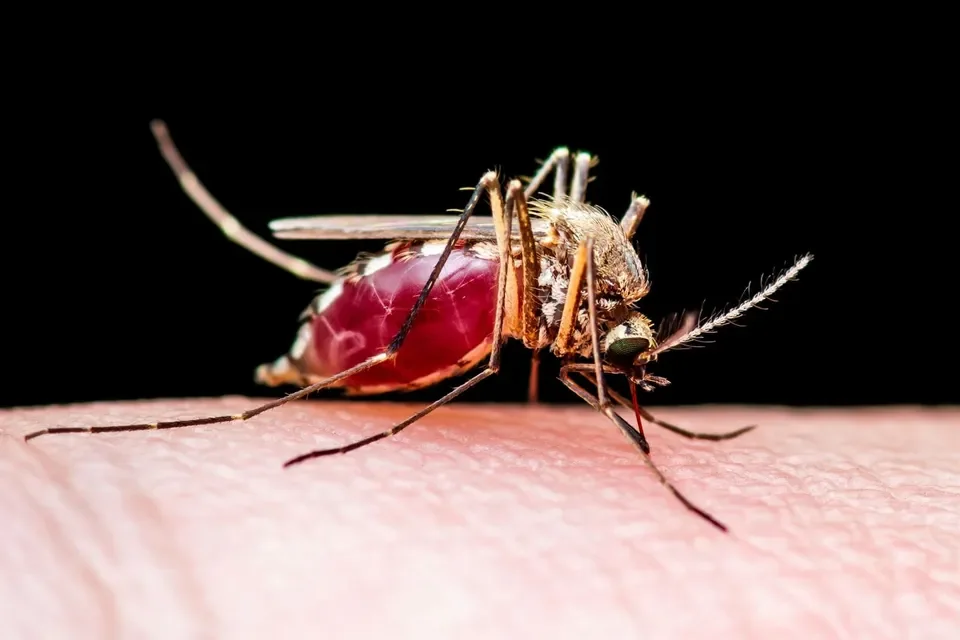
Further north, the Sacramento-Yolo Mosquito and Vector Control District is anticipating a larger wave of activity as summer heat intensifies. According to district reporting, recent positive samples — both mosquitoes and dead birds — have clustered heavily around the Carmichael and Tahoe Park areas. District manager Gary Goodman said rising temperatures typically drive both mosquito populations and virus activity upward through the summer, and described the positive samples as a reminder to eliminate standing water where mosquitoes breed.
Health officials across the affected regions are pointing to the same core precautions: draining standing water around homes, repairing or checking door and window screens, and using EPA-registered repellents such as DEET, Picaridin, or oil of lemon eucalyptus when outdoors, particularly around dawn and dusk. Whether this summer's combination of sustained heat and a high-traffic holiday weekend leads to a broader spike in human cases is not yet established — the pattern so far reflects an expanding footprint of detections, with one confirmed human case, rather than a confirmed outbreak.

What Magnesium Actually Does and Which Medications It Can Undermine
A guide to magnesium's supported benefits, who is actually at risk of overdose, and the specific medications that require spacing doses apart from supplementation.

The 2026 Cyclosporiasis Outbreak Has Already Broken the U.S. Record
A multistate cyclosporiasis outbreak has surpassed the 2019 U.S. record, with Michigan hit hardest. Investigators are focused on bagged greens amid CDC budget cuts.
A Second American Has Contracted Ebola in Congo's Record Outbreak
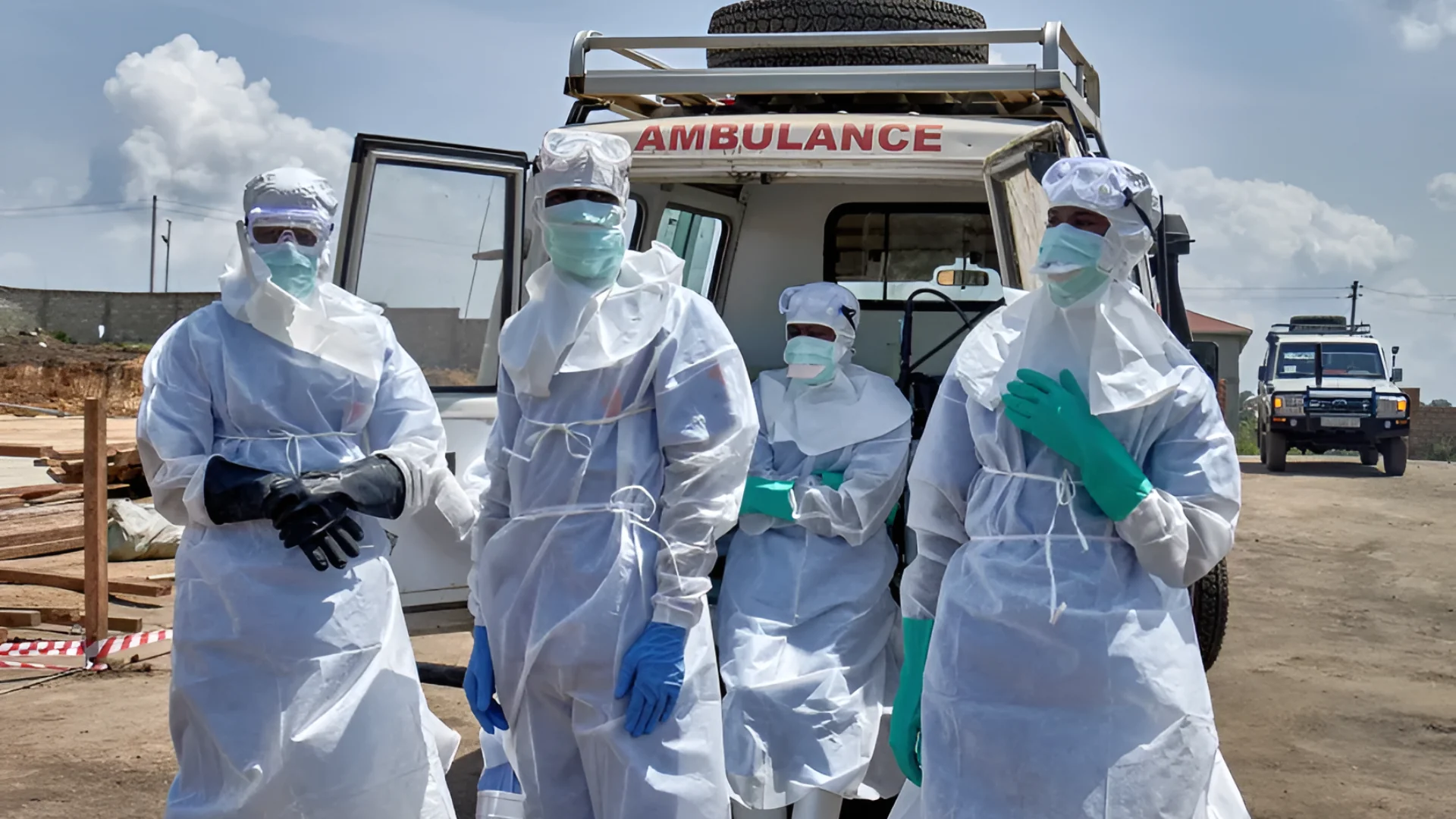
A US aid worker in DRC has tested positive for Bundibugyo Ebola virus as the outbreak, now Africa's fastest-growing, shows signs of significant undetected spread.
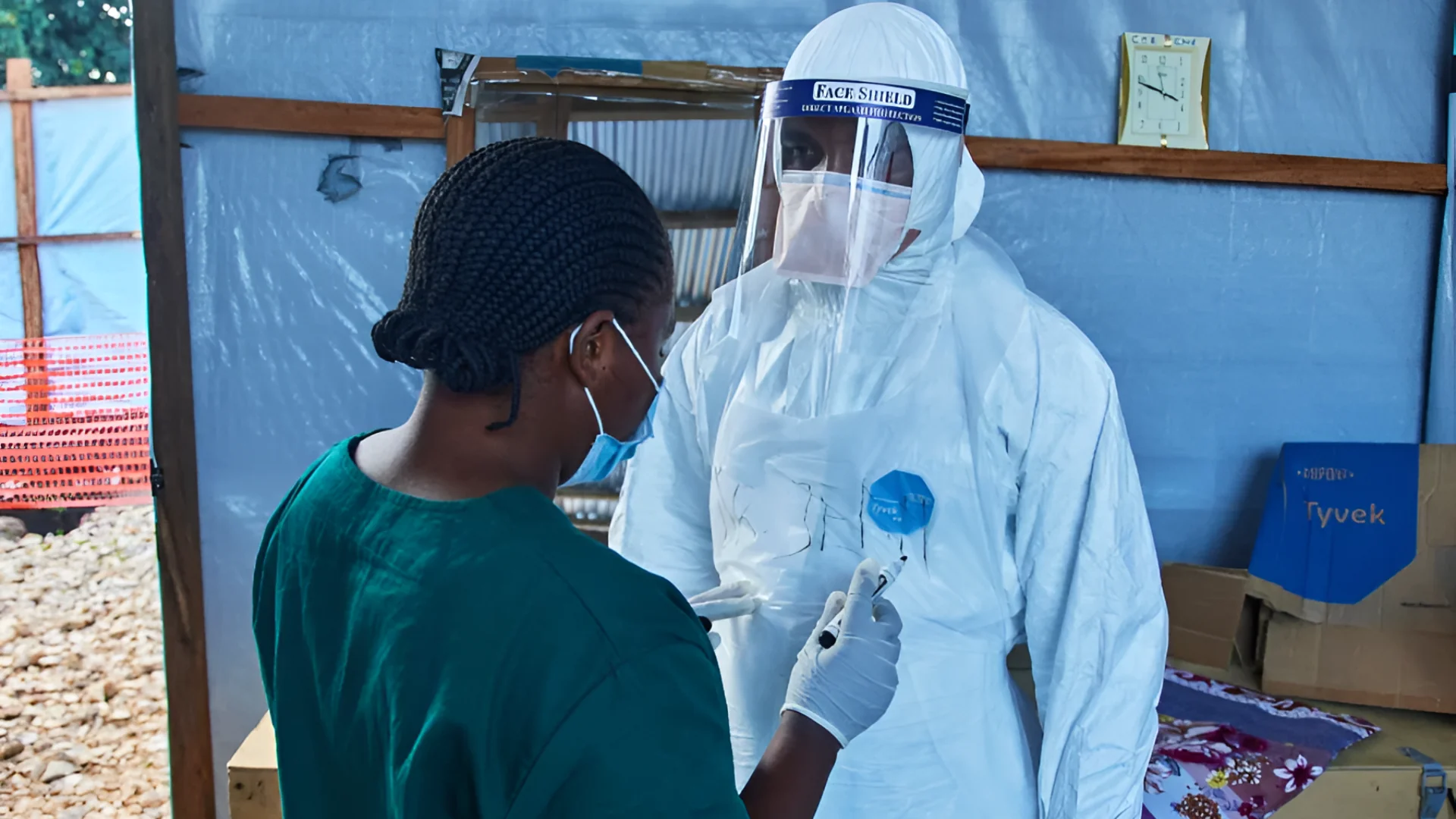
DRC's Bundibugyo Ebola Outbreak Spreads With No Approved Vaccine or Treatment
A rare Bundibugyo Ebola strain is spreading undetected across the DRC, reaching Kinshasa and Uganda, with no approved vaccine or treatment yet available.
Comments (0)
Please sign in to join the discussion.
No comments yet.
Be the first to share your perspective on this topic.