
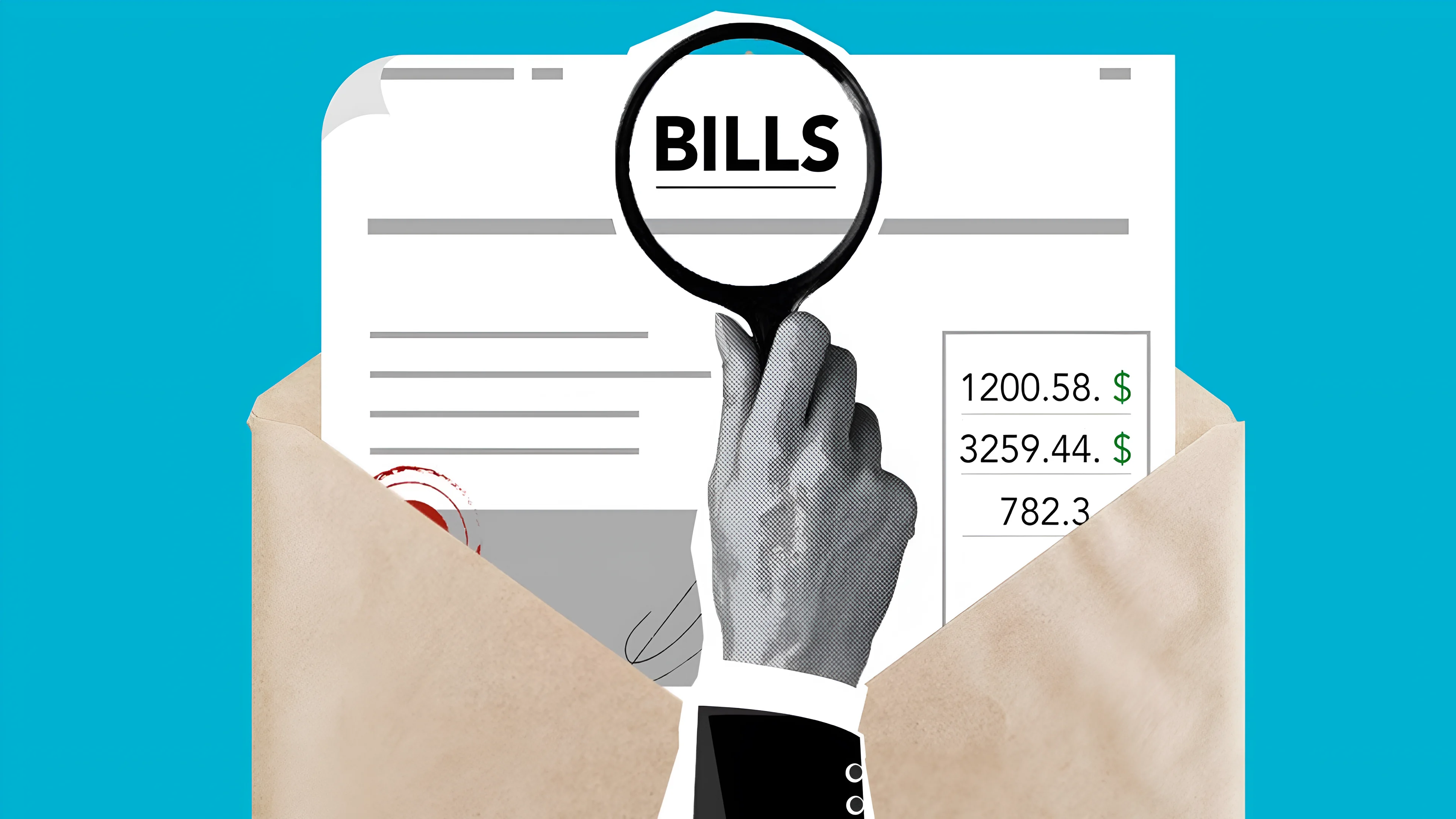
Enterprise AI tools are moving away from flat, per-seat monthly subscriptions toward metered pricing tied to token consumption, and the first wave of corporate deployments shows that this shift is already colliding with ordinary annual budgeting.
Uber Burned Its Full-Year AI Coding Budget in Four Months
Uber exhausted its entire 2026 budget for AI coding tools by April, roughly four months into the year, a roughly threefold overrun. The driver wasn't higher headcount or more seats purchased — it was agentic usage: coding assistants that run iterative loops of generating, testing, and refactoring code, each pass consuming additional tokens. Under a per-seat subscription, a team's monthly cost is fixed regardless of how hard the tool works. Under metered token pricing, a single engineer running an aggressive automated refactoring loop can generate a bill that dwarfs what a whole team spent under the old model. That volatility, not the sticker price of any single tool, is the budgeting problem enterprises are now running into.
Microsoft Pulled Claude Code Licenses to Rein In Billing
In May 2026, Microsoft's Experiences and Devices division canceled standalone Claude Code licenses, which had been running engineers $500 to $2,000 a month each, and moved staff to GitHub Copilot CLI ahead of a June 30 fiscal year-end deadline. The stated aim was to route AI usage through first-party billing infrastructure rather than a separate vendor subscription. This wasn't a verdict on which coding assistant performs better — it was a move to consolidate metered spend under infrastructure Microsoft already controls and can forecast. That distinction matters for any enterprise evaluating multiple AI coding tools: the harder problem isn't picking the best model, it's picking a billing surface that finance can actually predict.
Anthropic's Own Compute Bill Already Dwarfs Its Payroll
The scale of this shift shows up clearly in Anthropic's own cost structure. The company spends roughly 2.3 times its payroll on compute — about $2 million per employee annually across roughly 5,000 employees and an estimated $10 billion in 2026 inference and training spend. Nvidia VP of Applied Deep Learning Bryan Catanzaro put it directly: for his team, "the cost of compute is far beyond the costs of the employees." That ratio is a useful reference point precisely because Anthropic is a company built to use its own frontier models at maximum intensity — it shows what happens when agentic AI usage isn't constrained by ordinary budget caution.
Tunguz's 2029 Models Show a Wide Spread Between Bull and Bear Cases
Investor Tomasz Tunguz has modeled where this ratio could go across the broader market by 2029, starting from a 2026 baseline in which the top 1% of software firms already spend $89,000 a year per engineer on AI — about 40% of a fully loaded $224,000 senior engineer salary — while the median firm spends just $137 a year. The three scenarios diverge sharply from that starting point:
Bull case: the broader market converges on Anthropic's 2.3x payroll ratio, pushing spend to $596,000 per engineer annually, consistent with Goldman Sachs' estimate of a 24-fold increase in token consumption by 2030.
Base case: the top 1% trajectory tapers to $363,000 per engineer, about 140% of salary.
Bear case: continued token-price deflation caps spend at $106,000 per engineer, about 41% of salary.
The nearly sixfold gap between the bull and bear cases isn't a rounding error — it reflects two genuinely different futures for how agentic AI gets priced and consumed, and neither can be ruled out from where the market sits today.
Token Price Deflation Is the Wildcard That Could Flatten the Bull Case
What separates the bear case from the bull case is mostly price, not usage. Frontier-class input token prices have already fallen sharply — GPT-4-class capability priced near $30 per million tokens at launch had dropped below $3 by 2026 — and open-weight models such as DeepSeek-V3 are undercutting proprietary APIs by a factor of 10 to 30. Gartner separately projects baseline inference costs for trillion-parameter models will fall roughly 90% by 2030 relative to 2025. If that deflation curve holds, rising agentic usage could be offset by falling per-token prices, keeping enterprise spend closer to the bear case. The scenario where costs explode instead assumes demand for "frontier reasoning" tasks — where agent autonomy scales usage exponentially — grows faster than price declines can absorb, a dynamic that stays scarce even as commodity inference gets cheaper. For finance teams, that means the real forecasting question isn't just "how much will engineers use AI tools" but which side of that price-versus-demand race wins first — a dynamic some have connected to concerns about a broader economic spiral tied to AI-driven labor shifts if compute costs and headcount reductions move in the same direction at once.
IonQ's Revenue Jumped 287% in Q2 2026, but Its Stock Is Still 47% Below Its High
IonQ's Q2 2026 revenue rose 287% to $80.1 million and guidance climbed to $280-$290 million, yet IONQ shares still trade 47% below their October peak.
CoreWeave and Nebius Are Chasing $145 Billion in AI Deals on $16 Billion of Revenue
Microsoft, Meta and Nvidia have committed more than $145 billion to neoclouds CoreWeave and Nebius, whose combined 2026 revenue is projected near $16 billion.

China's 360 Security Claims Mythos Rival After Export Ban
Qihoo 360 CEO Zhou Hongyi unveiled Tulongfeng at ISC.AI 2026, positioning it as China's answer to Anthropic's Mythos. The claim rests on an agentic workaround, not a benchmark result — and remains unverified by independent parties.
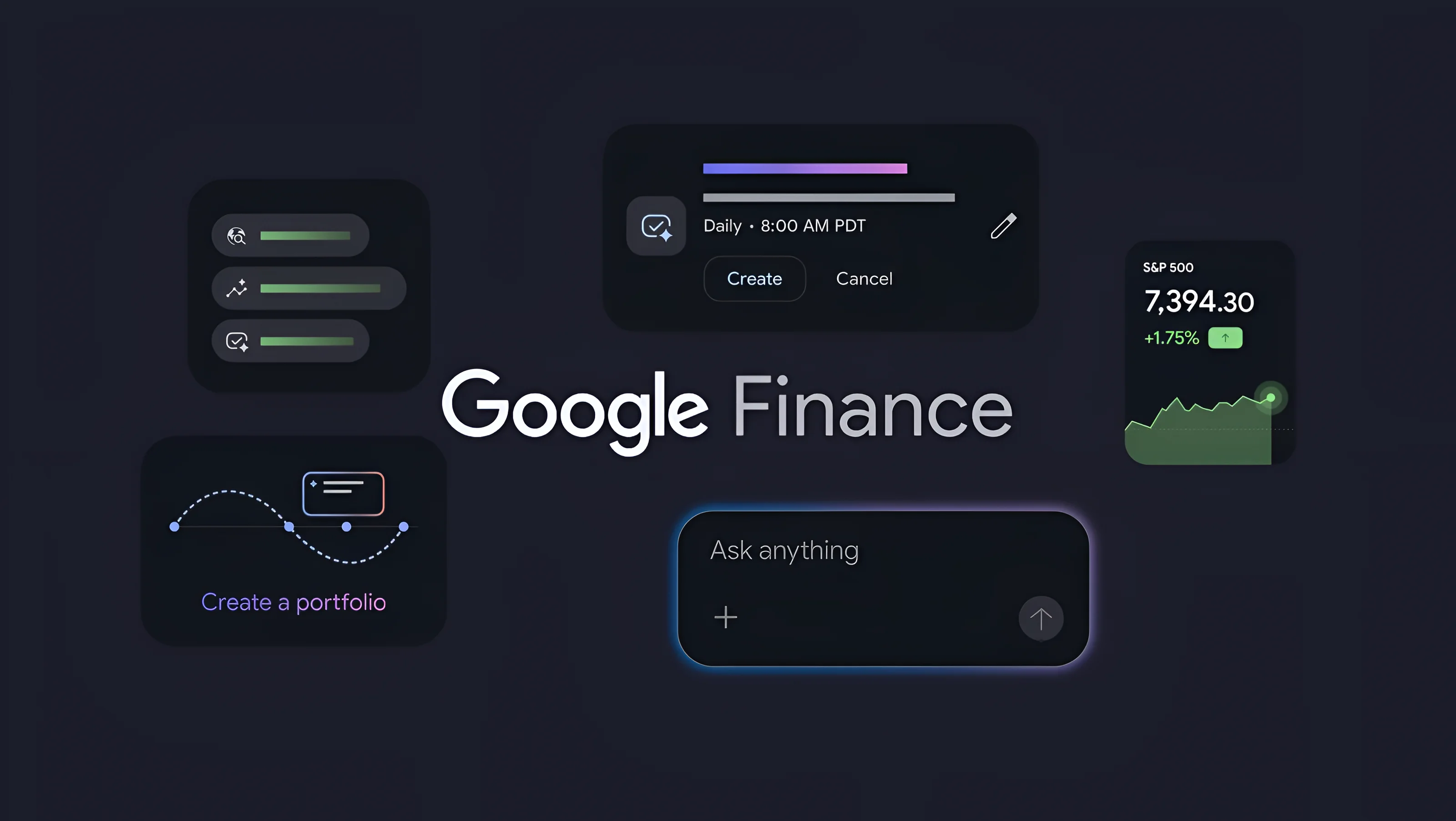
Google Finance's AI Layer Meets a Volatile Market Week
Google's Deep Search and thread-based research tools roll into Google Finance as a divergent market, a hot PCE print, and a Strait of Hormuz incident test their usefulness.
Comments (0)
Please sign in to join the discussion.
No comments yet.
Be the first to share your perspective on this topic.