

New reporting and independent studies show most Google searches now end without a click, and the tactics marketed as the fix, generative engine optimization and llms.txt among them, do not yet show a measurable payoff.
Search Traffic Referrals Are Collapsing, by the Numbers
Zero-click search, a query that Google answers without the user visiting an outside site, now accounts for 68 percent of U.S. searches, up from 45 percent a decade ago. That figure comes from SparkToro's Amanda Natividad, cited in an August 4 feature on Google's changing search results by The Ringer's Katie Baker. The same piece cites data attributed to The Telegraph showing that ranking first in Google search results used to produce a click 27 percent of the time. When an AI Overview appears above that same result, the click rate falls to 11 percent.
Individual publishers describe comparable losses. Nicolas Bouliane, who runs the independent travel site All About Berlin, says his traffic has fallen 75 percent since Google began expanding AI Overviews in 2024, and has warned the site may not survive into 2027. The infrastructure numbers point the same direction. Cloudflare reported this summer that automated bot traffic, much of it AI agents retrieving content on a user's behalf rather than humans clicking links, now makes up roughly 57 percent of all web requests. Cloudflare is set to change its default settings on September 15 so that Google's crawlers are blocked on customer sites unless the owner opts back in.
Publishers Are Rethinking Google's All-or-Nothing Deal
Google's indexing terms remain bundled: a site that wants to appear in search results is also agreeing to feed that content into its Gemini AI systems. Several large publishers say the trade no longer looks worth it. Condé Nast CEO Roger Lynch told the show TBPN that he instructed his teams last year to assume there's no search and plan the business accordingly. USA Today CEO Mike Reed said on the Rebooting Show podcast that his company plans to build "as if search is zero" and is close to blocking Google outright. People Inc. CEO Neil Vogel told The Wall Street Journal that turning off Google access entirely is "100 percent on the table."
Reddit, which struck a $60 million deal in 2024 to license its content to Google's AI systems, is reportedly reconsidering the arrangement, per Journal reporting cited by The Ringer, though nothing has been announced publicly. Individual traffic claims in this debate have already proven unstable: The Ringer's own article was corrected after publication to remove earlier figures describing USA Today's traffic as down by half and Business Insider's as down 85 percent, once updated Journal reporting clarified those numbers. That correction is a reasonable signal to treat any single publisher's traffic figure with caution, even as the aggregate zero-click and click-through numbers above come from separately sourced measurement rather than one company's self-report.
What GEO, AEO, and llms.txt Actually Promise
As referral traffic drops, a new vocabulary has formed around recovering visibility inside AI answers instead of clicks. Answer engine optimization, or AEO, aims at structuring content so it can be lifted directly into featured snippets and AI Overviews. Generative engine optimization, or GEO, is the broader discipline: Wikipedia's entry on the practice describes it as structuring content and online presence to influence how large language models retrieve, summarize, and cite information, a scope that covers assistants like ChatGPT and Claude in addition to Google's own tools.
One specific GEO tactic is llms.txt, a plain Markdown index file published at a site's root. The specification calls for an H1 heading identifying the site, an optional blockquote summary, and H2 sections linking to a site's most important pages, so an AI agent can load a compact index instead of crawling full HTML.
The evidence that llms.txt changes what gets cited is thin. A study of 300,000 domains found an adoption rate around 10 percent, and a separate 90-day monitoring effort tracked more than 500 million AI bot visits, of which only 408 requests targeted the file directly. Google's John Mueller has said publicly, per AgentPatterns.ai's review of the standard, that no AI system currently reads llms.txt at inference time, and independent citation analyses summarized in that same review found no measurable lift in AI citations tied to publishing it.
What Content-Heavy Sites Should Actually Prioritize
The llms.txt data points to a distinction GEO advice tends to blur together. One problem is technical: can an AI crawler or agent parse a page's content at all? Fern's documentation guide reports that Markdown is roughly 80 to 90 percent more token-efficient than raw HTML for AI ingestion, which matters directly for sites built on frameworks that render content client-side in JavaScript. A crawler that only receives an empty page shell has nothing to summarize regardless of what index file sits at the root. That is a rendering and architecture decision, one BytePith has examined in the context of choosing between Next.js and Astro for content-heavy sites.
The second problem is separate: does being technically parseable translate into being cited, or into any recovered referral traffic? Nothing gathered here answers that question, because no cited study isolates llms.txt's effect from a page's underlying authority, structure, or subject matter. A site can address the first problem today by shipping crawlable, server-rendered, Markdown-friendly content. Whether that format-level work moves the needle on citations or clicks is still an open question, and the current evidence says the format fix alone has not been shown to answer it.

How Stripe's Idempotency-Key Header Prevents Duplicate Charges
Stripe's 2017 engineering post explains the Idempotency-Key header; the exactly-once guarantee it enables actually lives in a database unique constraint.
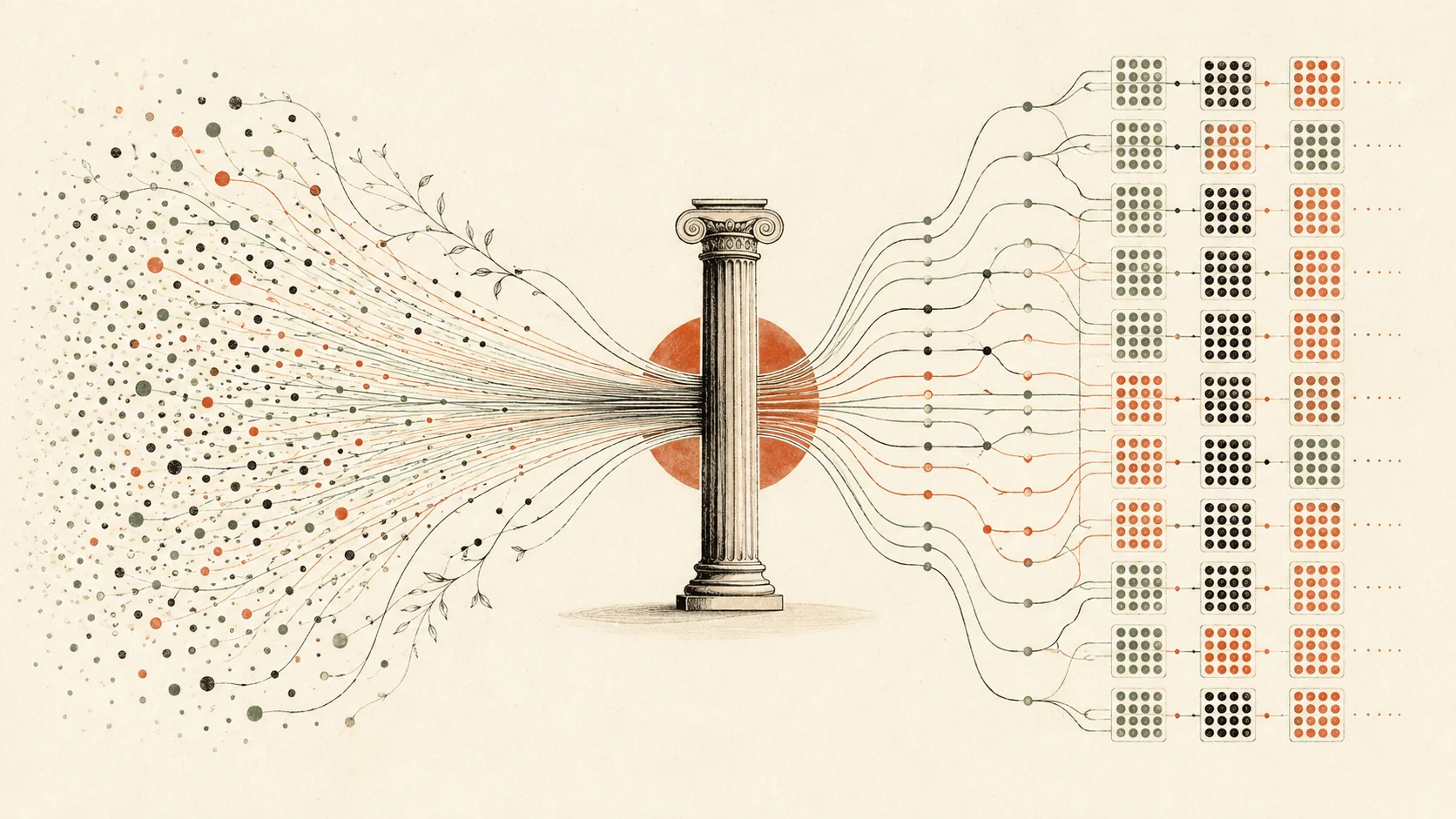
WhatsApp's 2.8-Million-Connection Server, Rebuilt in Go and Rust
WhatsApp's real, sourced numbers: 200K to 2.8M connections per server, a three-stage dispatch fix, and a tested Go/Rust/Docker reproduction of the pattern.

Porsche Brings the Manual Gearbox Back to the 911 Carrera S
Porsche's 2027 911 Carrera S MT Package pairs a six-speed manual with 473 hp, starts at $169,450, and weighs just 11 lbs more than the manual Carrera T.
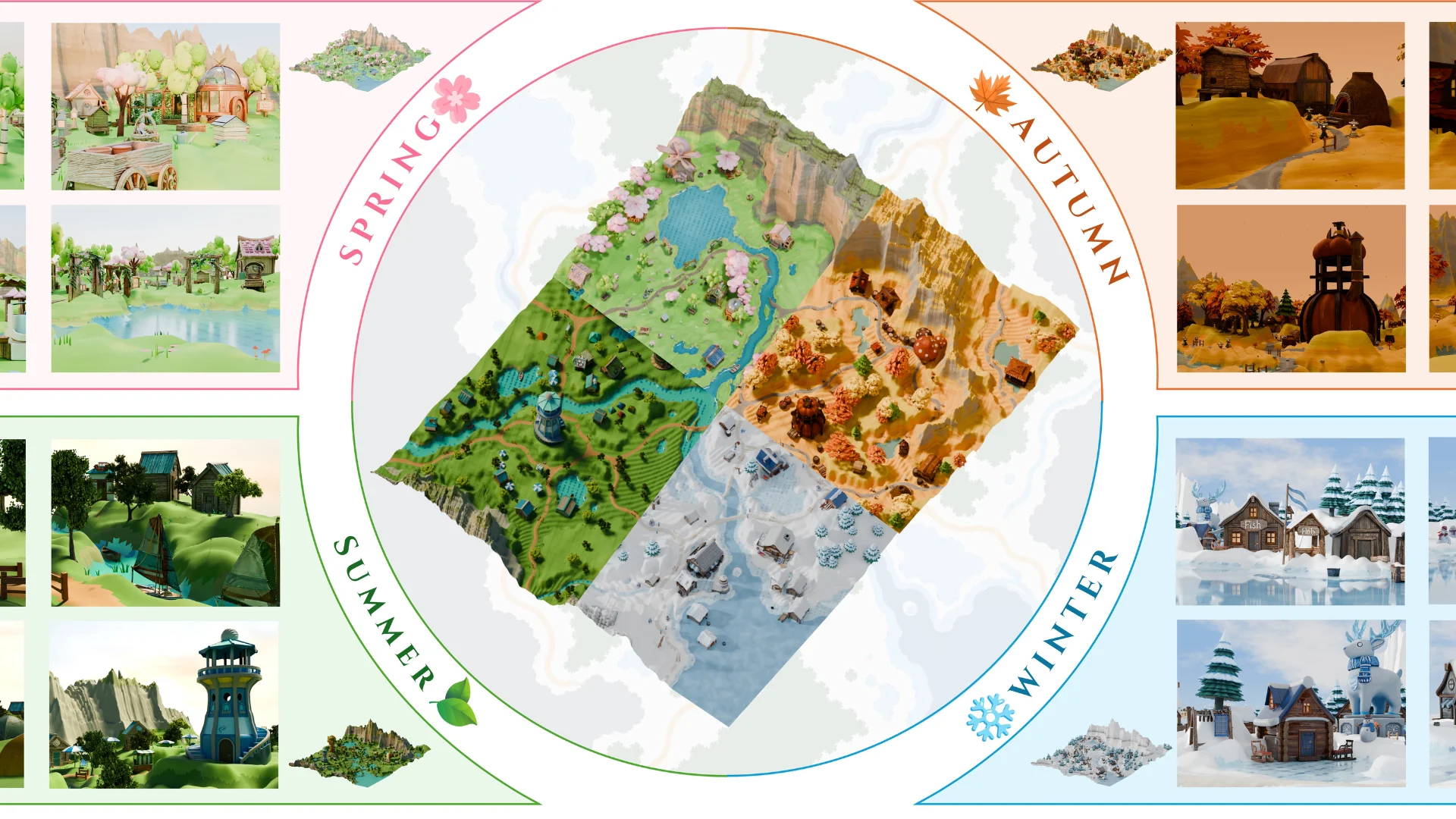
Tencent's WorldClaw Turns One Text Prompt Into an Editable 3D World
Tencent's WorldClaw uses a 3-stage AI agent pipeline to plan, build terrain, and place editable 3D objects from a single text prompt, per a new arXiv paper.
Comments (0)
Please sign in to join the discussion.
No comments yet.
Be the first to share your perspective on this topic.