
Google Chrome's Manifest V2 phase-out is entering its final two steps. Chrome 150, expected on June 30, removes the flag that power users have relied on to keep MV2 extensions running. Chrome 151 follows in July with a complete sweep of all remaining MV2 flags. After that, extensions like uBlock Origin's legacy MV2 build will have no supported path in Chrome.
The Flag That Was Keeping MV2 Alive — and Why Google Is Calling It Dead Code
When Google began enforcing Manifest V3 for extensions, some power users found a way to stay on MV2: the kExtensionManifestV2Disabled flag, a Chromium internal toggle that preserved MV2 functionality even after standard support ended. CyberNews identified a Chromium commit that removes this flag outright. The commit describes it as "dead code" — a signal that Google considers the feature not just deprecated but no longer worth maintaining.
A Google engineer confirmed the reasoning directly in a code review. MV2 extensions, the engineer wrote, "are no longer allowed in any supported version of Chrome, and we are removing support for them and the associated functionality." Google cited accumulated technical debt, increased complexity, and security risks — including MV2-specific bugs discovered recently — as factors in the decision to stop providing any MV2 functionality at all.
The commit also notes that other Chromium-based browsers may choose to continue supporting MV2 independently, since the Chromium project itself does not enforce Google Chrome's extension policies. Whether major alternatives like Microsoft Edge and Opera will follow Chrome's phase-out is not confirmed; Neowin has suggested they likely will.
The chart below shows how the MV2 support path closes across the two upcoming Chrome releases.
Chrome 150 and Chrome 151: What Each Release Actually Removes
The removal happens in two distinct steps, each targeting a different layer of MV2 infrastructure.
Chrome 150, expected on June 30, 2026, removes the ExtensionManifestV2Disabled flag. This is the flag that allowed power users to keep MV2 extensions active after Google's main enforcement began. After Chrome 150 ships, a limited DevTools method will technically remain, but AllAboutCookies has documented that it requires manually patching page elements every browser session. That makes it impractical for everyday use and effectively not a workaround for most people.
Chrome 151, expected in July 2026, removes the remaining MV2 flag infrastructure entirely. This includes ExtensionManifestV2Unsupported, ExtensionManifestV2Availability, and AllowLegacyMV2Extensions. After Chrome 151, there is no flag, toggle, or supported mechanism left in Chrome to load or run a Manifest V2 extension.
The W3C WebExtensions Community Group documented the Chrome 150 flag removal on May 20, 2026. PiunikaWeb reported the Chrome 151 flag details on June 8, and PCWorld confirmed the full timeline the following day.
The timeline below maps the sourced milestone dates leading to and through the two removals.
What uBlock Origin Users Can Actually Do Now
The practical consequence is straightforward: the legacy MV2 build of uBlock Origin will stop working in Chrome. Users who have been relying on the MV2 version — either because they preferred it or because the MV3 build lacked the same filtering capabilities — will lose that extension in Chrome entirely after these two releases land.
The MV3-compatible build of uBlock Origin is available and functions within Chrome's current extension framework, but MV3 imposes constraints that its developer, Raymond Hill, has argued limit ad-blocking effectiveness compared to MV2. Whether those limitations are material in everyday use is a separate question, but the choice that power users had — staying on MV2 for more permissive filtering — will be gone.
Users who want to continue using MV2 extensions have one practical path left: switching to a Chromium-based browser that maintains independent MV2 support. Firefox already uses a different extension system that is not subject to Google's MV3 mandate. Some smaller Chromium forks have indicated they will preserve MV2 support, but the major Chromium-derived browsers — Edge, Opera, Brave — have not confirmed whether they will diverge from Google's removal timeline.
The three flags eliminated in Chrome 151 that close out all remaining MV2 infrastructure are shown below.
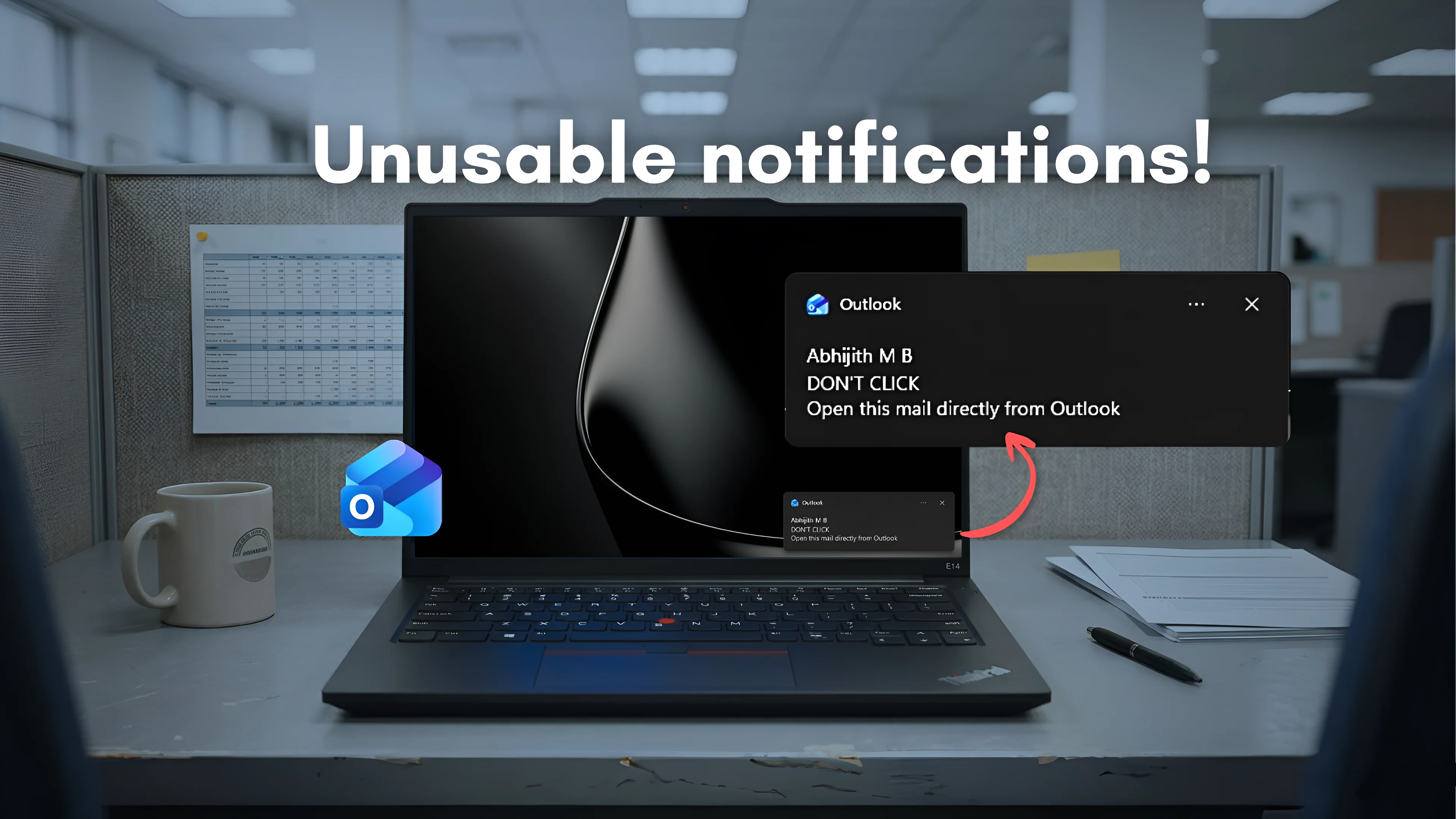
New Outlook WebView2 Architecture Causes 10-Second Notification Delay
New Outlook's reliance on WebView2 forces a heavy initialization process for basic tasks, contrasting sharply with the efficiency of native Win32 applications.
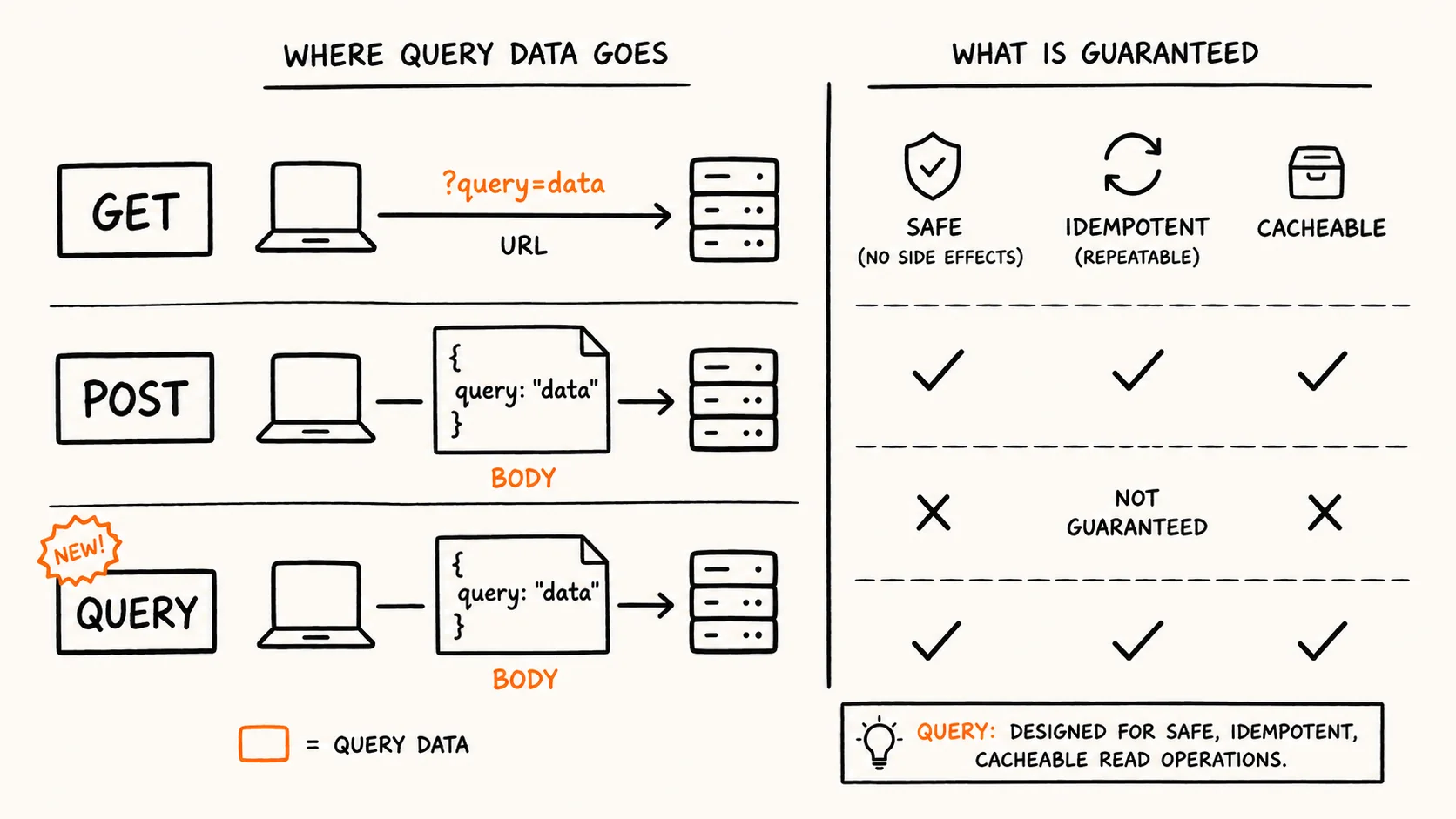
The New HTTP QUERY Method Solves a Decade-Old GET/POST Problem
IETF's RFC 10008 defines HTTP QUERY, letting clients send large or sensitive query data in a request body while keeping GET's safety, idempotency, and cacheability.

Only 16% of Americans See AI as a Net Positive
Pew Research data shows 16% of Americans expect AI to help society long-term, while a parallel Gen Z survey finds rising daily AI use paired with growing distrust of its societal impact.
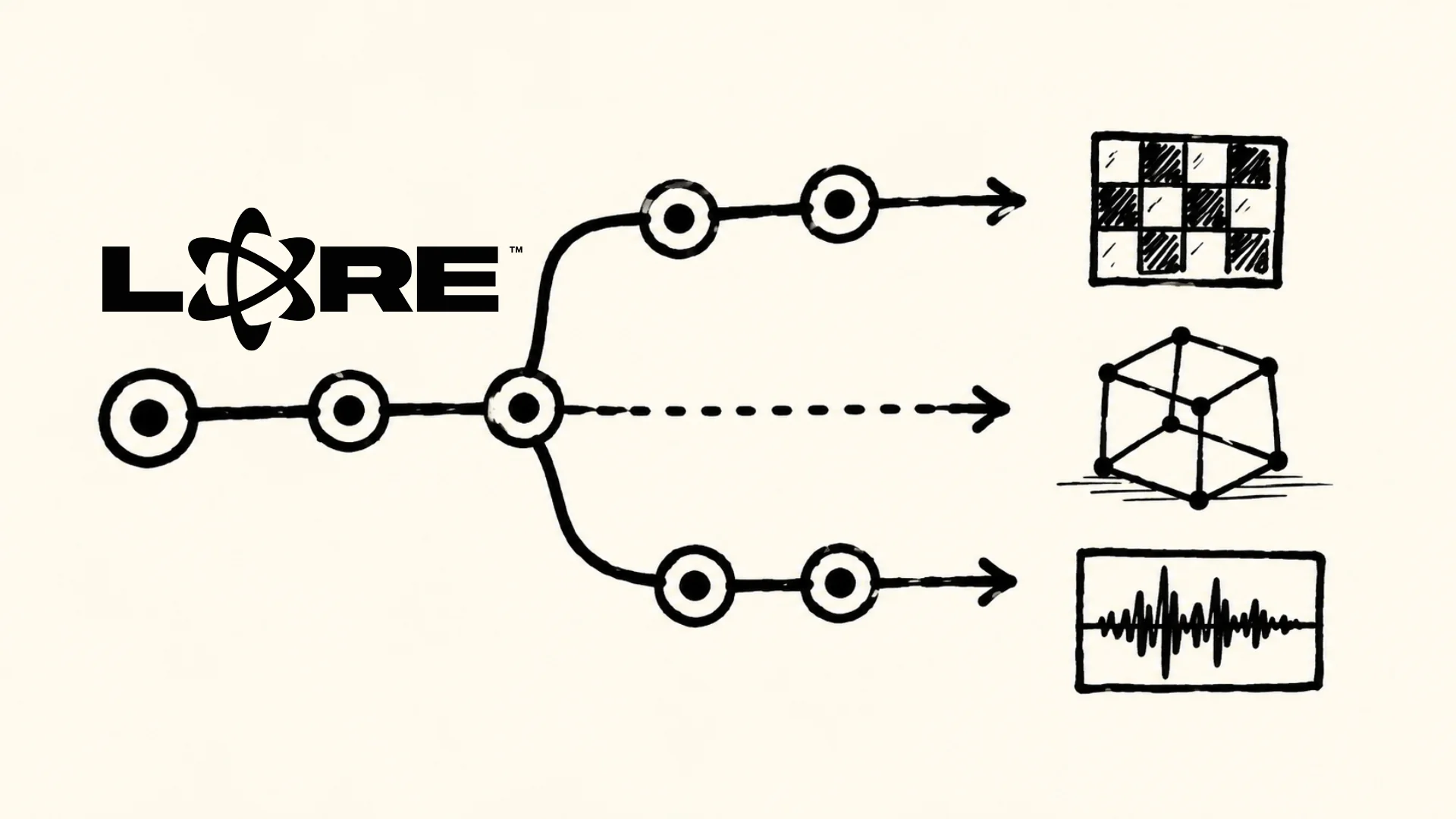
Epic Games Launches Lore, an Open VCS for Game Studios
Epic's new Lore VCS uses Merkle trees, content addressing, and exclusive locks to handle binary game assets that have long pushed studios toward Perforce.
Comments (0)
Please sign in to join the discussion.
No comments yet.
Be the first to share your perspective on this topic.