

A new Pew Research survey finds that just 16% of Americans believe artificial intelligence will have a positive effect on society over the next two decades, even as daily use of AI tools keeps climbing across age groups.
What Pew's Survey Actually Found
The gap between AI adoption and AI optimism is the central fact in the new data. According to a Pew Research report, only 16% of Americans think that AI's impact on society during the next 20 years will be positive, while around 40% say it will have a negative impact. That leaves a large middle group expecting no major effect either way, or unsure.
The skepticism extends to the institutions responsible for AI's trajectory. A majority of people, 67%, don't believe the U.S. government will meaningfully regulate AI, and 59% don't trust companies to develop it safely. Separately, nearly two-thirds of Americans think AI's development is moving too quickly. None of this reads as a verdict on any single product or company; it reads as broad distrust of the systems meant to govern the technology's rollout.
Age is one of the sharpest dividing lines in the data. People under 30 hold the most negative views of any group, with only 14% expecting AI to benefit society — a figure even lower than the 16% national average. That detail matters for what comes next, because it cuts against an assumption that younger, more digitally fluent users would be the most bullish on AI's trajectory.
Daily Use Is Rising Even as Trust Falls Among Young People
The Pew data describes adults broadly; a separate youth-focused data set sharpens the picture for younger users specifically. According to figures supplied for this piece from the 2026 NSHSS Career Interest Survey — a youth membership survey distinct from Pew's nationally representative sample, and not independently verified against a public source for this article — Gen Z's daily or weekly AI use rose sharply between 2024 and 2026, with only 6% reporting no AI use at all in 2026, down from 36% two years earlier.
That usage increase ran alongside, not against, rising skepticism. The same supplied figures indicate that the share of Gen Z respondents expecting AI to negatively affect society climbed from 59% to 69% over the same two-year window. Read together with Pew's finding that under-30 adults are the most pessimistic age cohort in the country, the pattern suggests usage and trust are moving in opposite directions for younger users rather than tracking each other, as might be assumed for a demographic raised alongside the technology.
Privacy Is the Sharpest Specific Worry Among Young Users
Where the Pew data points to broad institutional distrust, the supplied Gen Z figures point to a more specific fear. Per the same survey data, 91% of Gen Z respondents say they worry AI will negatively affect their privacy and digital security over the next decade. That figure is notably higher and more specific than the general societal-impact numbers, suggesting that for younger users, the abstract concern about AI's effect on society converges on a concrete worry about personal data exposure.
This distinction matters for how the broader sentiment numbers should be read. A respondent can use a chatbot daily for schoolwork or research, as Pew's data suggests many under-30 users do for similar tasks, while still expecting AI broadly to harm society and specifically fearing what it does with their own data. The two positions are not in tension; they describe a user who has made a practical accommodation with a technology they don't fully trust.
What the two data sets agree on is narrower than what either suggests on its own. Pew's nationally representative sample shows young adults as the most pessimistic age group on AI's societal impact, and the supplied Gen Z survey shows that pessimism deepening over two years even as use of the technology becomes close to universal within that group. Neither data set explains why trust and adoption have diverged, and the supplied youth figures have not been independently verified for this piece. What's measurable is the shape of the gap itself: a generation increasingly dependent on a tool it increasingly does not trust.
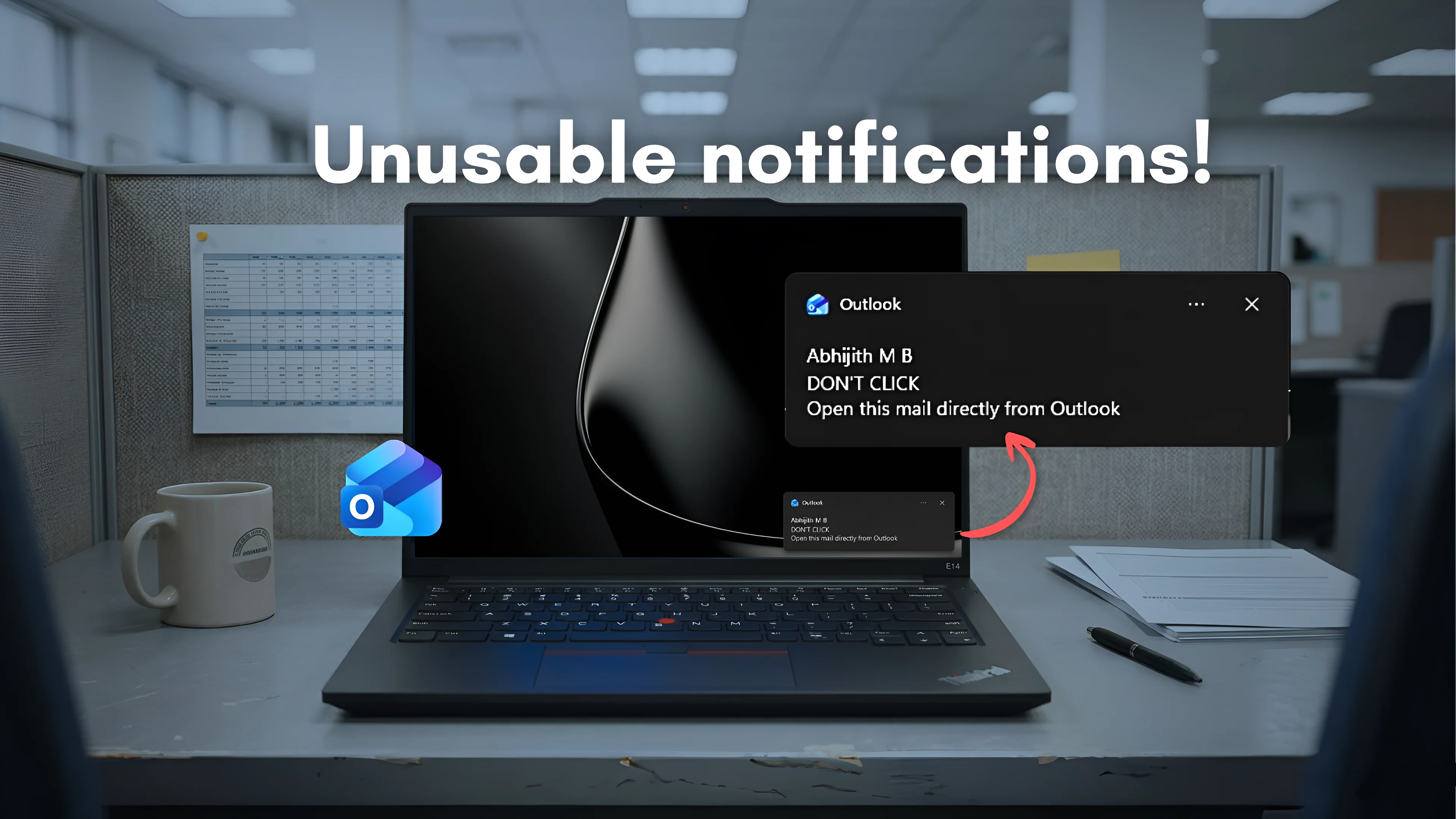
New Outlook WebView2 Architecture Causes 10-Second Notification Delay
New Outlook's reliance on WebView2 forces a heavy initialization process for basic tasks, contrasting sharply with the efficiency of native Win32 applications.
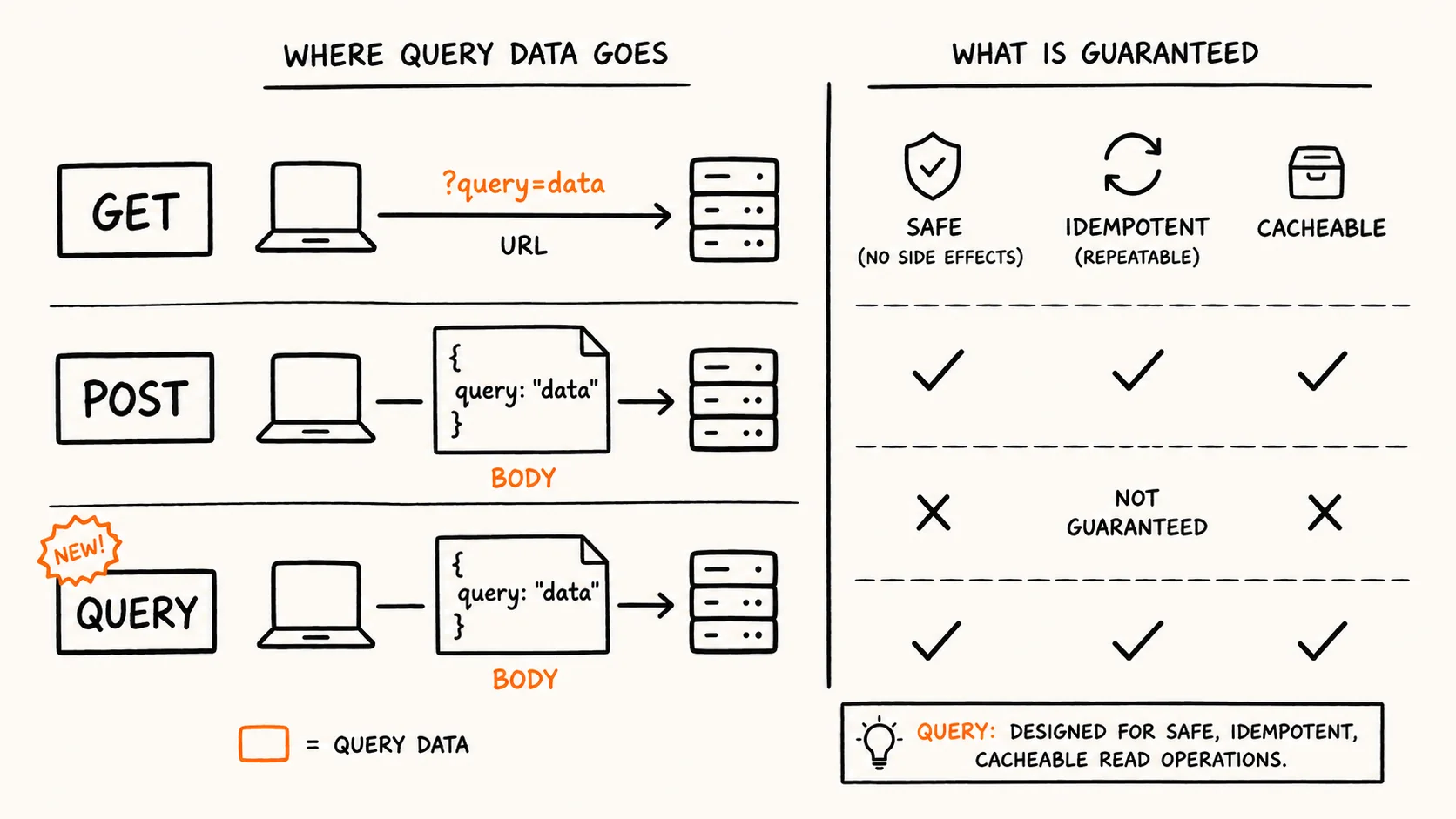
The New HTTP QUERY Method Solves a Decade-Old GET/POST Problem
IETF's RFC 10008 defines HTTP QUERY, letting clients send large or sensitive query data in a request body while keeping GET's safety, idempotency, and cacheability.
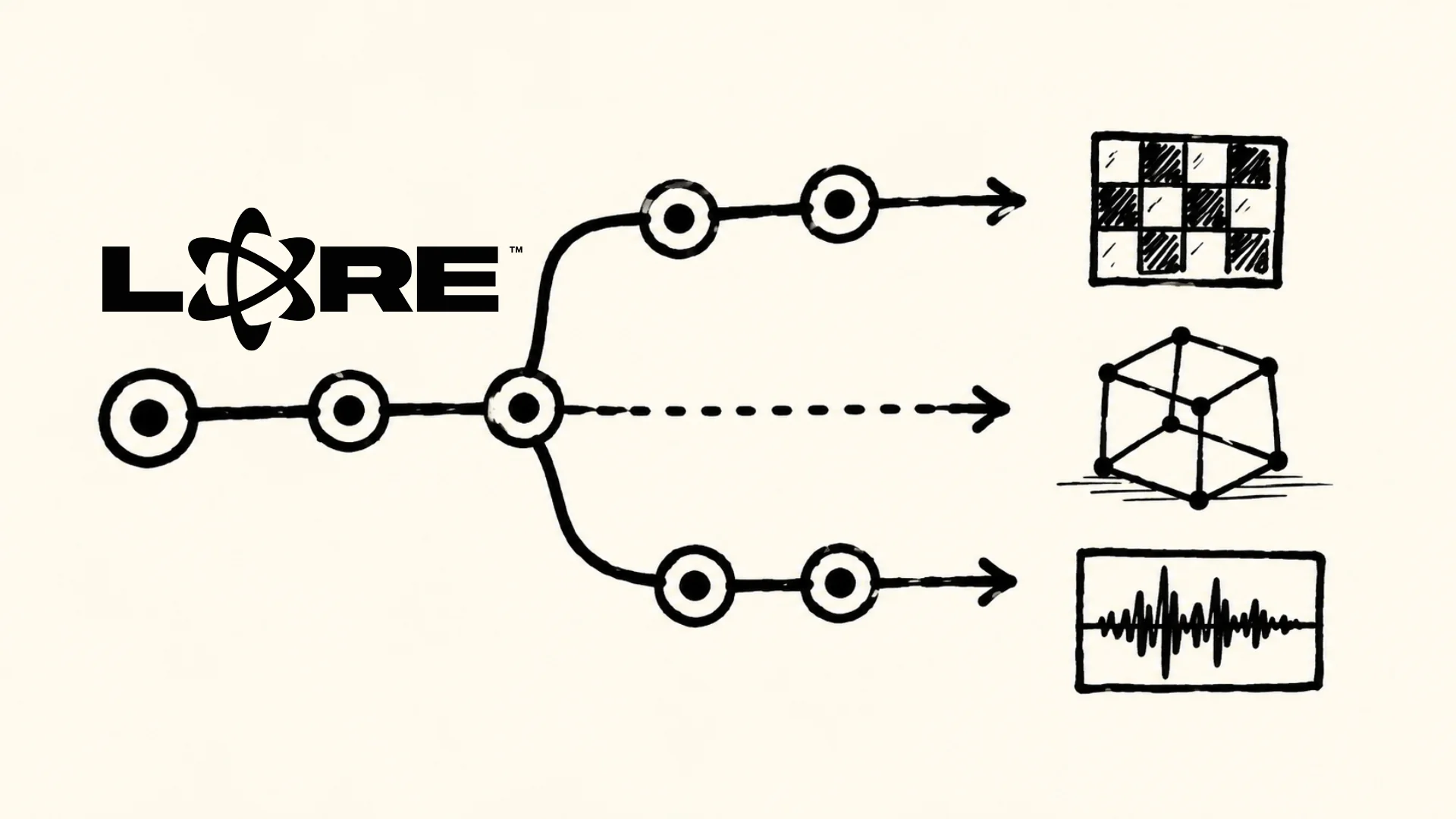
Epic Games Launches Lore, an Open VCS for Game Studios
Epic's new Lore VCS uses Merkle trees, content addressing, and exclusive locks to handle binary game assets that have long pushed studios toward Perforce.

Chrome 150 Ends Last MV2 Workarounds for Ad Blockers
Chrome 150 removes the ExtensionManifestV2Disabled flag on June 30, 2026. Chrome 151 follows in July with full MV2 removal. uBlock Origin and legacy ad blockers lose their last workaround.
Comments (0)
Please sign in to join the discussion.
No comments yet.
Be the first to share your perspective on this topic.