
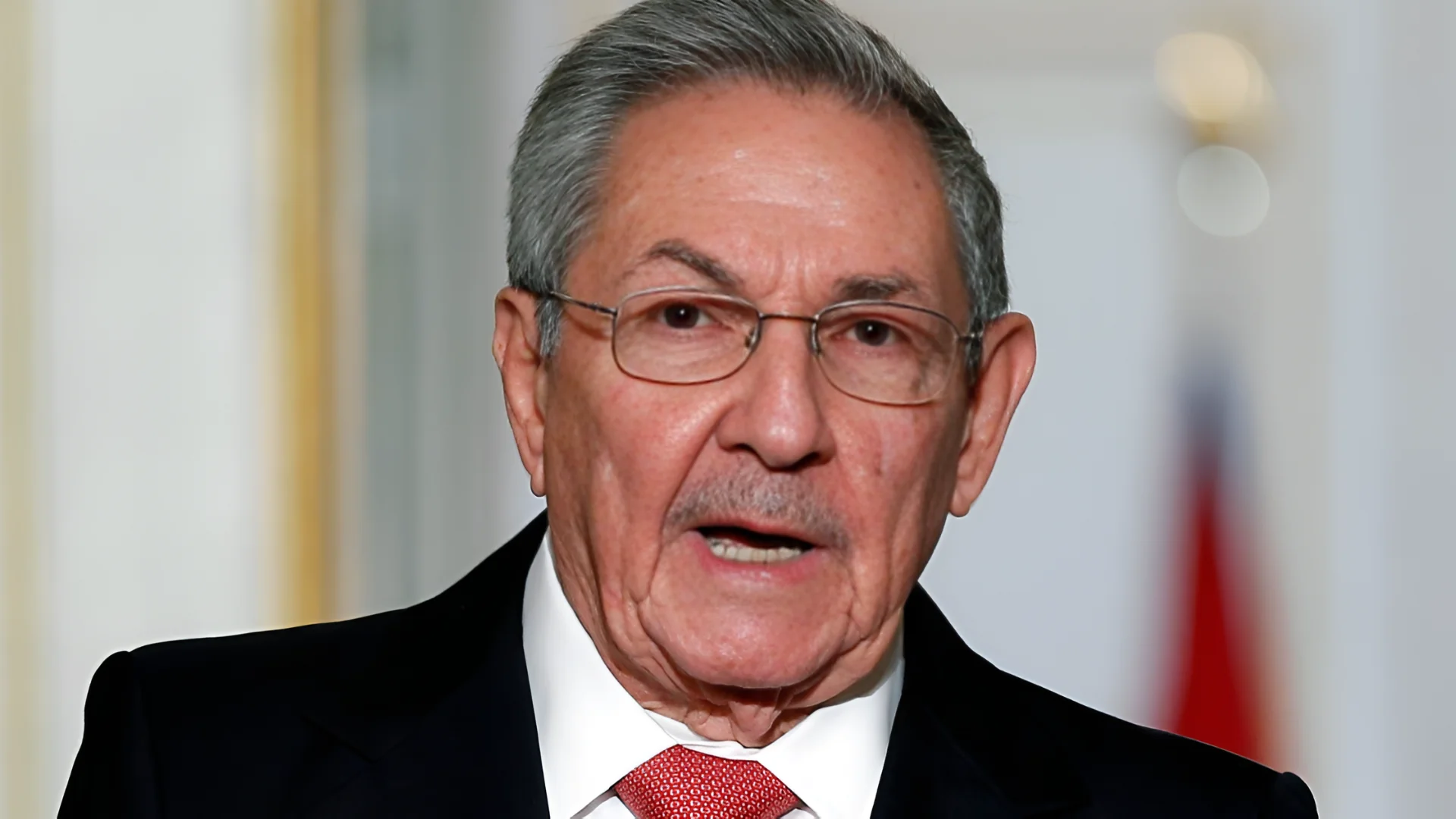
The U.S. Department of Justice is preparing federal criminal charges against Raúl Castro, the 94-year-old former Cuban president, tied to the 1996 shootdown of two civilian aircraft that killed four people. The charges are pending a grand jury vote and, as of May 20, have not yet been formally filed.
The Legal Core: A 1996 Incident That Was Never Prosecuted to the Top
The prospective indictment centers on the February 24, 1996, destruction of two light planes operated by Brothers to the Rescue, a Miami-based exile organization that flew missions over the Florida Straits to locate Cuban migrants at sea. Cuban military jets fired on the aircraft in international airspace. Four people died.
At the time, Raúl Castro served as Cuba's Defense Minister and, according to prosecutors working under Jason Reding Quiñones at the Southern District of Florida, bore direct command responsibility for the operation. One person was previously convicted in the United States for conspiracy to commit murder in connection with the incident, according to reporting on the case's history. The Cuban pilots who carried out the order have remained in Cuba, beyond U.S. jurisdictional reach, for three decades.
This is not the first time Castro's name surfaced in a Miami federal context. In 1993, prosecutors examined whether testimony from the Manuel Noriega drug trial could support cocaine trafficking charges against him. Those charges were never brought. The current case rests on different grounds — the 1996 shootdown — and involves a dedicated prosecutorial task force that the U.S. Attorney's Office in Miami established in March 2026 specifically to build criminal cases against senior Cuban officials.
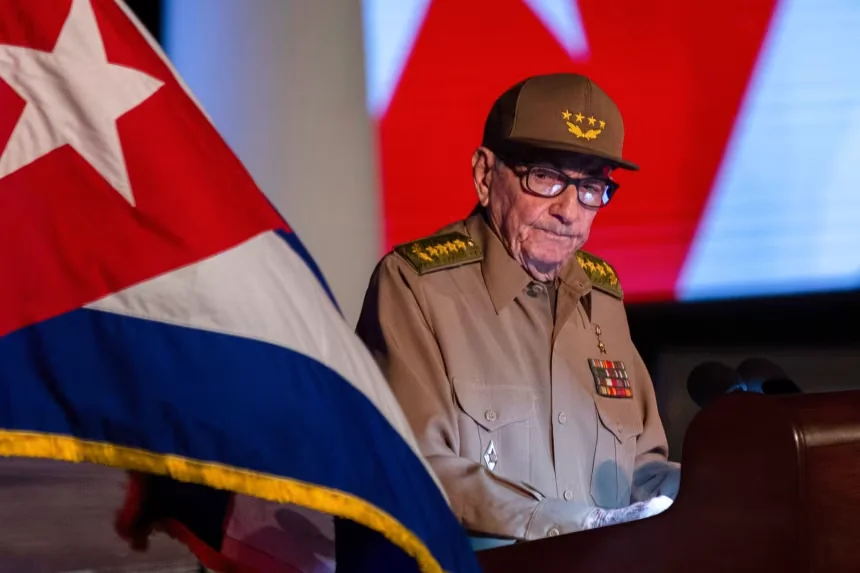
The Escalation Package Around the Indictment
The prospective charges are arriving alongside a coordinated set of U.S. government actions that together amount to the most direct pressure campaign against Havana in years.
On May 14, CIA Director John Ratcliffe traveled to Havana in what the AP described as a surprise diplomatic visit, meeting with Cuban officials and with Raúl Guillermo Rodríguez Castro, Castro's grandson, who goes by the alias "El Cangrejo" and is considered a significant figure in Cuba's security apparatus. Four days later, the Trump administration issued fresh sanctions against 11 Cuban individuals and three political and military entities.
On May 20 — the same day the Miami U.S. Attorney's office scheduled a ceremony honoring victims of the 1996 shootdown, serving as the platform for the formal charge announcement — Secretary of State Marco Rubio released a video message directed at the Cuban public, promising $100 million in humanitarian and transition assistance.
President Trump, asked about Cuba, said: "Cuba is calling us. They need help: Cuba is a failed nation. Cuba needs help and we'll do that... That's not going to be hard for us to solve." Representative María Elvira Salazar of Florida was more pointed: "The Trump Administration is not playing games. When President Trump and Secretary Rubio say the Cuban regime's time is up, they mean it... The walls are closing in on the dictatorship."
Cuban Foreign Minister Bruno Rodríguez offered a single line in response: "Despite the (U.S.) embargo, sanctions and threats of the use of force, Cuba continues on a path of sovereignty towards its socialist development."
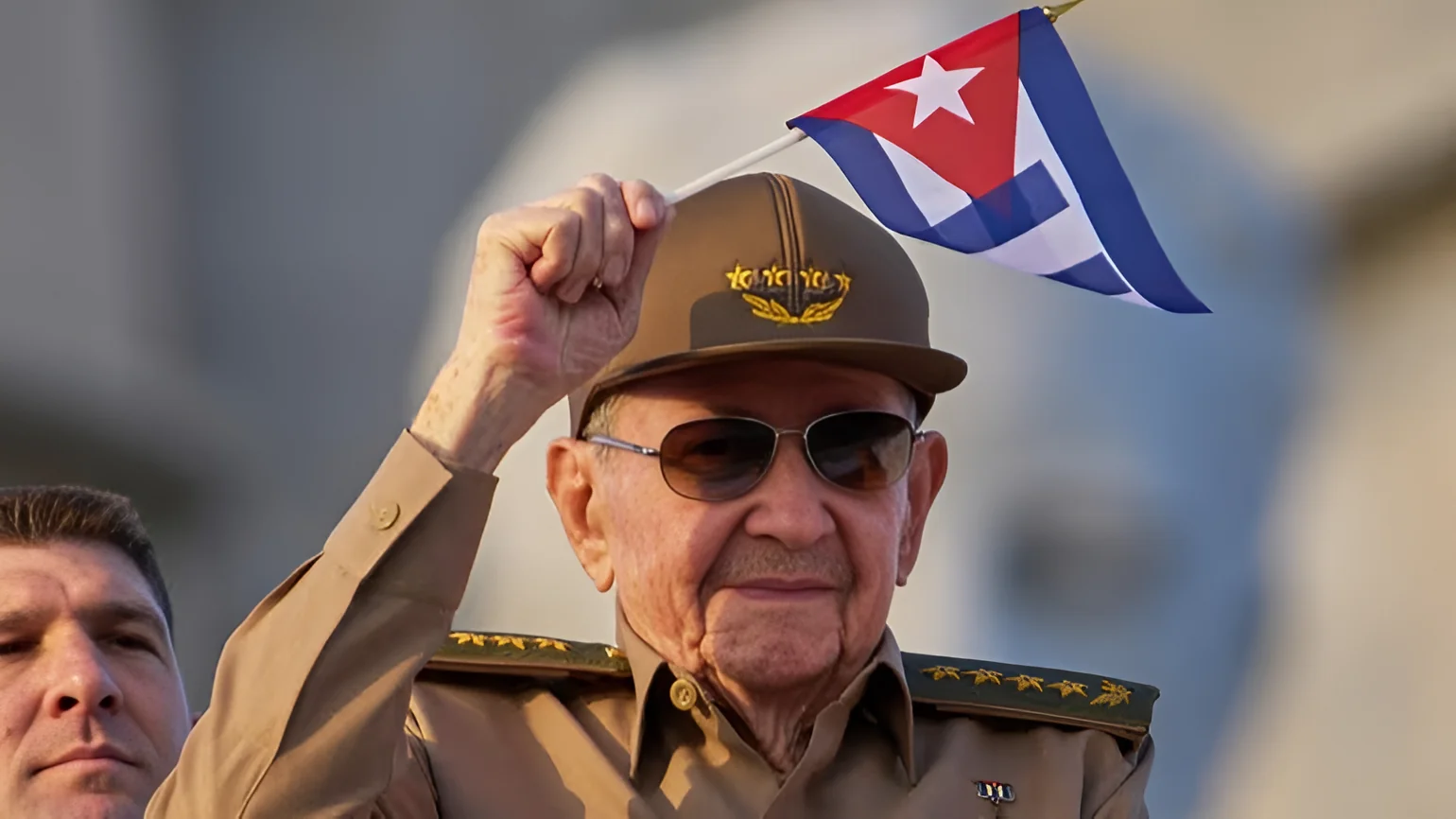
What an Indictment Can and Cannot Accomplish
The central enforcement problem is not legal. It is geographic. Raúl Castro is 94, has largely stayed out of public view since stepping down as head of the Cuban Communist Party in 2021, and lives inside Cuba. U.S. intelligence agencies have assessed that he retains substantial influence despite his formal retirement, though the precise nature of that influence is not publicly documented.
An indictment, once issued, would make Castro a wanted person under U.S. federal law. It would constrain his ability to travel internationally, create legal complications for anyone doing business with him in jurisdictions that cooperate with U.S. law enforcement, and carry significant symbolic weight for the Cuban exile community in South Florida. What it cannot do, on its own, is compel his surrender.
The administration's approach draws an implicit comparison to Venezuela. On January 3, 2026, U.S. forces conducted a military operation in Caracas and transported Venezuelan President Nicolás Maduro to New York to face drug trafficking charges. The source material for this article notes that comparison directly. Whether the Trump administration is prepared to consider a similar operation against Cuba is, as of the date of publication, unknown. Richard Feinberg of UC San Diego, cited in the underlying reporting, noted that while the indictment resonates strongly with the exile voter base in South Florida, senior Pentagon planners may be reluctant to enter a second major military engagement in the Western Hemisphere, particularly as the U.S. manages the aftermath of operations elsewhere.
The indictment, pending grand jury approval, is real legal action tied to a documented event with four confirmed victims. Its practical reach ends at Cuba's coastline unless additional steps — diplomatic, economic, or otherwise — follow.
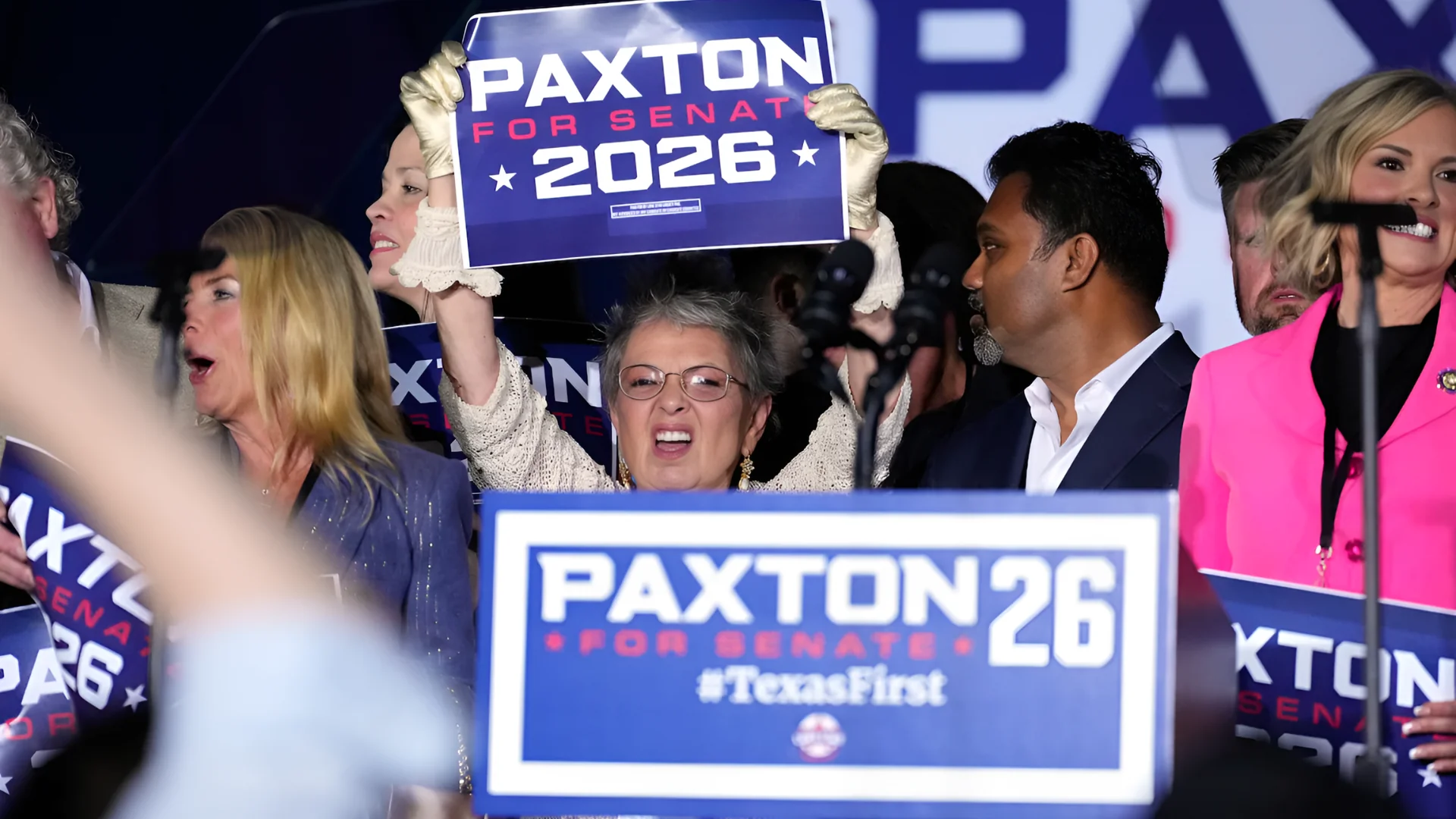
Paxton Defeats Cornyn in Texas Senate Runoff
Ken Paxton won the Texas Republican U.S. Senate primary runoff on May 26, 2026, defeating four-term incumbent John Cornyn by nearly 28 points despite a 9-to-1 spending disadvantage, setting up a competitive general election against Democrat James Talarico.

Spain Blocks Polymarket and Kalshi Over Gambling Licences
Spain's DGOJ ordered ISPs to block Polymarket and Kalshi on May 26, 2026, citing no gambling licences, no age verification, and no self-exclusion controls. The action joins Indonesia, India, France, and others in a widening global split over how to classify prediction markets.

![Texas Attorney General Ken Paxton, a Republican candidate for the US Senate, speaks to supporters at a campaign event in McKinney, Texas, the US, on May 19, 2026 [LM Otero/AP]](/uploads/1779863798651-Trump-backed_Paxton_topples_Senator_Cornyn_in_Texas_primary_run-off.webp)
Ken Paxton Defeats John Cornyn in Texas Senate Primary
Ken Paxton defeated incumbent Senator John Cornyn in the May 26, 2026 Texas Republican primary runoff. The result tests whether Trump's political influence can hold a state Republicans have never lost at the Senate level.

Trump's DC Triumphal Arch: Legal Fight, Protests
A federal commission dominated by Trump appointees approved a 250-foot gilded arch near the Lincoln Memorial over near-unanimous public objection, a veterans' lawsuit, and questions about public funding.
Comments (0)
Please sign in to join the discussion.
No comments yet.
Be the first to share your perspective on this topic.