
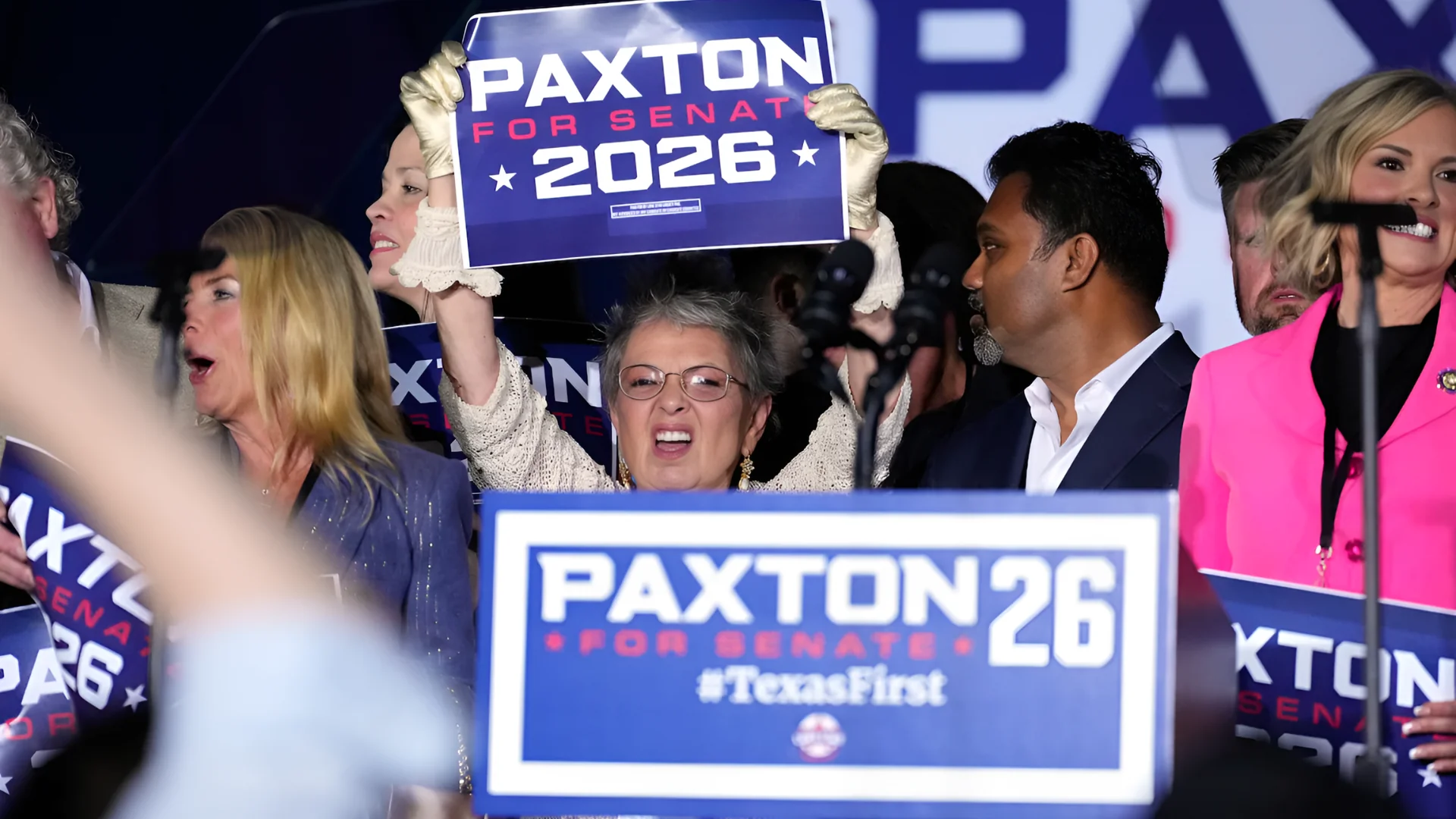
Texas Attorney General Ken Paxton defeated four-term incumbent Senator John Cornyn by nearly 28 percentage points in the Republican U.S. Senate primary runoff on Tuesday, ending Cornyn's unbroken 40-year record of winning public office and handing the MAGA wing of the Texas GOP its most significant primary victory in recent memory.
A Decisive Margin That Defied the Spending Gap
With 98 percent of votes counted early Wednesday morning, Paxton led Cornyn 63.8 percent to 36.2 percent — a result the Associated Press projected shortly after 8:00 PM CT on Tuesday. The margin was far wider than the March 3 primary had suggested. In that initial contest, Cornyn led narrowly, 42.0 percent to 40.5 percent, with the remainder going to Congressman Wesley Hunt. Because neither candidate cleared 50 percent, the race advanced to a runoff.
The money gap between the two campaigns was not close. Pro-Cornyn forces and aligned establishment groups outspent the pro-Paxton camp by roughly 9-to-1 over the full campaign, with satellite organizations backing Cornyn deploying approximately $50 million early in the cycle, supported extensively by Senate Majority Leader John Thune and other Washington Republican leadership. During the runoff phase alone, the Cornyn side maintained a spending advantage of more than 3-to-1. None of it proved sufficient.
The explanation most consistent with the available evidence is structural: runoff electorates in Texas Republican primaries skew toward the most committed ideological activists. A contest held in the week after the Memorial Day holiday, with lower overall turnout than the March primary, concentrated the voting pool among precisely the grassroots conservative base that has been most responsive to Trump-aligned candidates.
Trump's Endorsement Arrived Late and Landed Hard
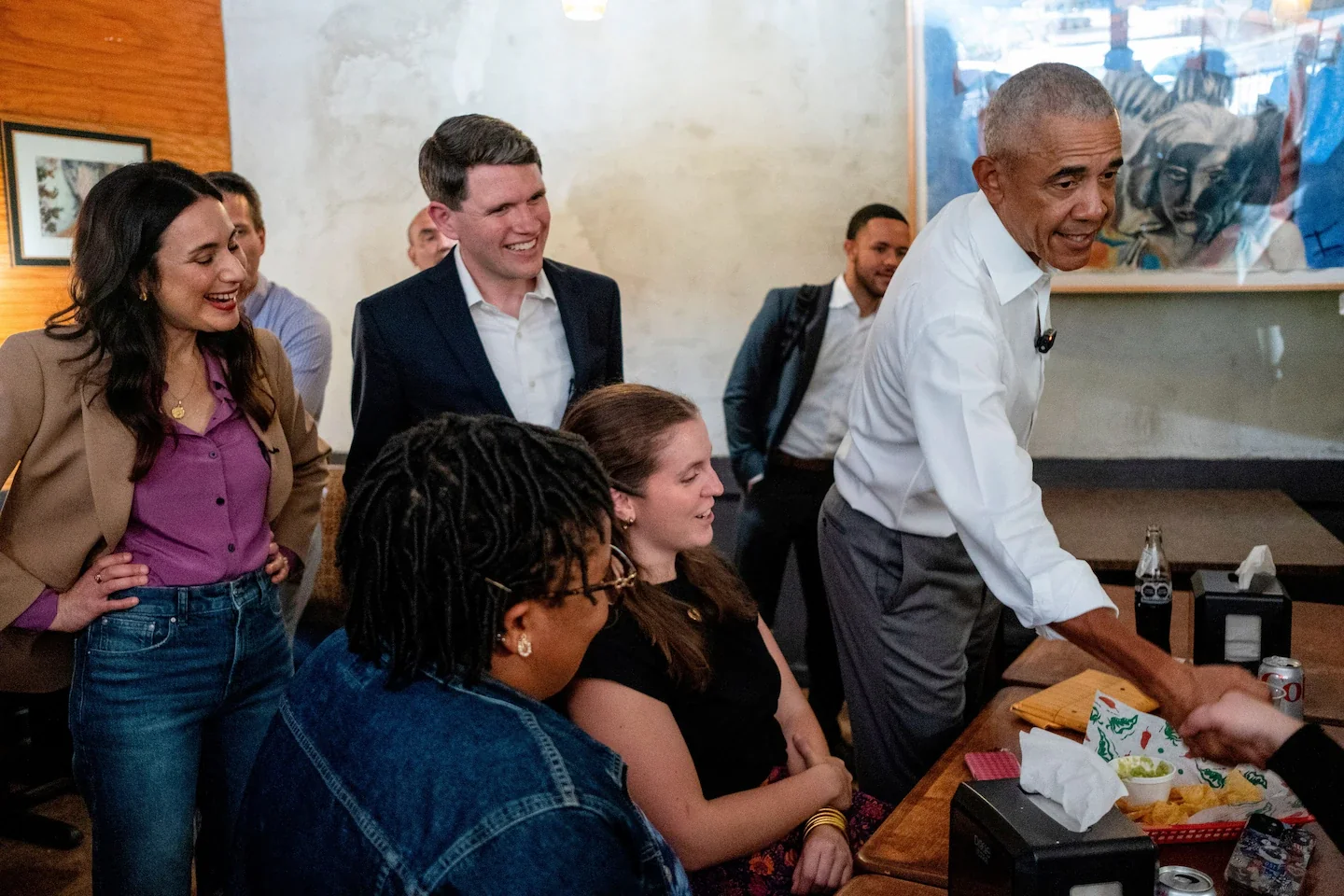
Donald Trump did not weigh in until May 19, one week before the runoff — but when he did, the effect was immediate and measurable in the final-week dynamics of the race. In a Truth Social post, Trump praised Paxton as a "true MAGA Warrior" while offering Cornyn a muted half-defense: "John Cornyn is a good man, and I worked well with him, but he was not supportive of me when times were tough."
The specific grievances Trump identified — Cornyn's past mild criticisms and his co-sponsorship of a bipartisan gun safety bill following the 2022 Uvalde school shooting — had dogged Cornyn throughout the cycle. According to Ken Paxton's victory over John Cornyn, Cornyn had spent more than a year attempting to align himself with Trump in order to avoid precisely this outcome. It did not work.
The dynamic illustrates a pattern that has appeared repeatedly in Republican primaries since 2020: proximity to Trump is not the same as Trump's endorsement, and primary voters who are skeptical of the establishment tend to treat the absence of explicit Trump backing as a signal in itself. Cornyn's extensive outreach to Trump and his efforts to distance himself from past criticisms were not enough to overcome the formal endorsement of his opponent.
Cornyn Exits With a Concession Built Around Process
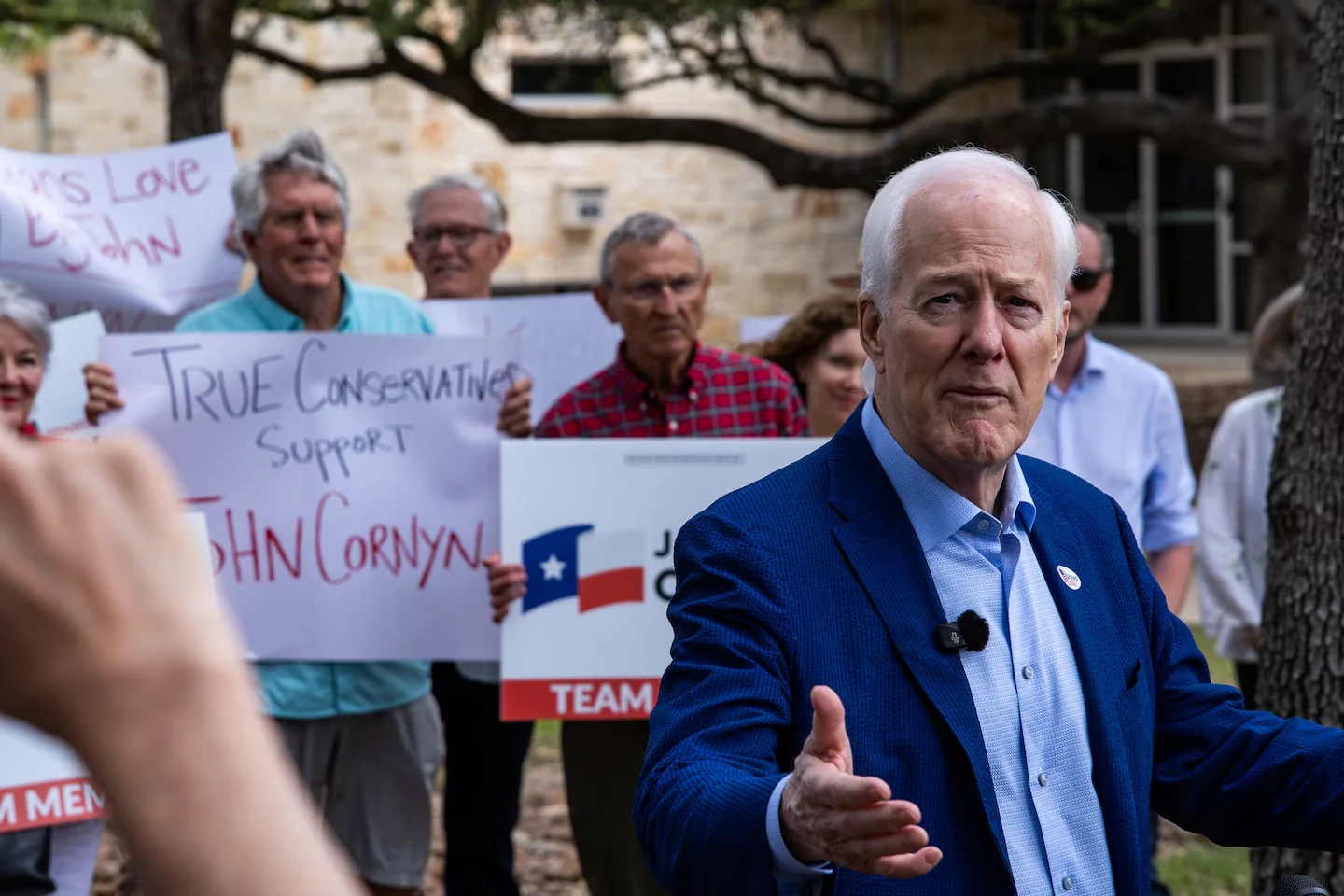
In his concession, Cornyn framed his defeat in institutional terms: "After a public service career lasting more than four decades and 18 consecutive campaign wins, tonight we've come up short. I've said throughout this race that I trust the voters of Texas, and they've made their decision, and I must respect it."
The statement was accurate in its accounting. Cornyn served as a district judge, then as a Texas Supreme Court justice, then as Texas Attorney General, and then as a U.S. Senator since 2002. He became the first Republican senator from Texas to lose a party nomination for re-election. The concession made no reference to the spending disparity or to Trump, which was consistent with the posture Cornyn maintained throughout the campaign — an approach that tried to avoid direct conflict while the environment around him shifted in ways his resources could not reverse.
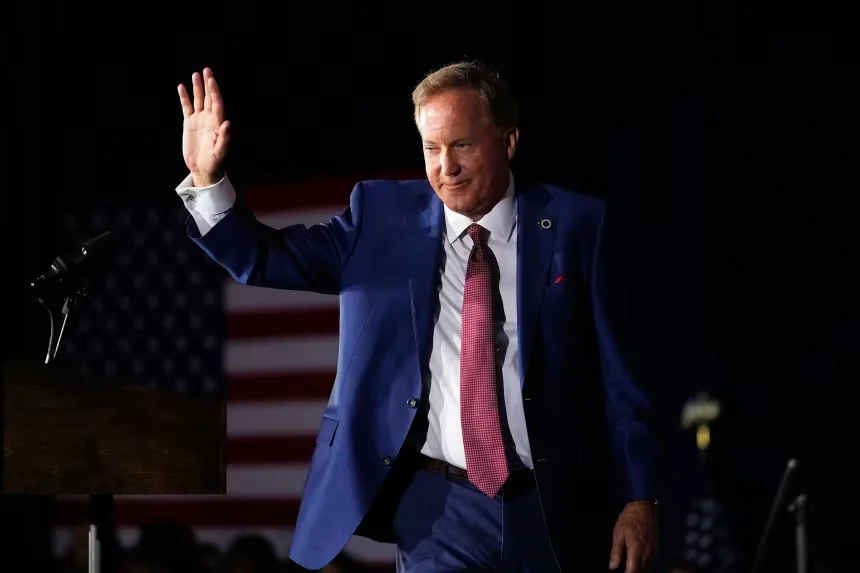
Paxton, for his part, immediately reframed the result as a preview of the general election challenge ahead: "Tonight, we just made history. Without a shadow of a doubt, I will be the Democrats' number one target in November... If Republicans lose this state, we lose the country."
November Sets Up a Race Republicans Did Not Expect to Defend
The runoff result sets up a November general election between Paxton and Austin State Representative James Talarico, the Democratic nominee. Texas has not sent a Democrat to the U.S. Senate since 1988, and the state has remained comfortably in the Republican column at the statewide level through cycles that were unfavorable to the party nationally. The Paxton nomination introduces variables that were not present when Cornyn was the candidate.
Paxton was impeached by the Republican-led Texas House in 2023 on charges including bribery and abuse of office, though the Republican-controlled Texas Senate subsequently acquitted him. Democrats believe that record — along with ongoing legal proceedings and a years-long FBI investigation — gives Talarico a viable line of attack that would not have existed against Cornyn. Talarico himself used his first post-runoff statement to call Paxton the party's most vulnerable statewide candidate and to explicitly solicit support from Cornyn's moderate backers.
The strategic risk is not limited to the Senate seat itself. An internal Republican Senate campaign memo, reported ahead of the runoff, warned that a Paxton nomination could force national Republican committees to spend heavily on Senate defense in Texas, pulling resources away from more competitive states and potentially harming down-ballot U.S. House races where Republican margins in suburban Texas districts are already narrowing. Whether that scenario materializes depends on whether Talarico can broaden his coalition beyond the Democratic base in a state where Republican structural advantages remain significant.

Spain Blocks Polymarket and Kalshi Over Gambling Licences
Spain's DGOJ ordered ISPs to block Polymarket and Kalshi on May 26, 2026, citing no gambling licences, no age verification, and no self-exclusion controls. The action joins Indonesia, India, France, and others in a widening global split over how to classify prediction markets.

![Texas Attorney General Ken Paxton, a Republican candidate for the US Senate, speaks to supporters at a campaign event in McKinney, Texas, the US, on May 19, 2026 [LM Otero/AP]](/uploads/1779863798651-Trump-backed_Paxton_topples_Senator_Cornyn_in_Texas_primary_run-off.webp)
Ken Paxton Defeats John Cornyn in Texas Senate Primary
Ken Paxton defeated incumbent Senator John Cornyn in the May 26, 2026 Texas Republican primary runoff. The result tests whether Trump's political influence can hold a state Republicans have never lost at the Senate level.

Trump's DC Triumphal Arch: Legal Fight, Protests
A federal commission dominated by Trump appointees approved a 250-foot gilded arch near the Lincoln Memorial over near-unanimous public objection, a veterans' lawsuit, and questions about public funding.
Trump DOJ's $1.776B Anti-Weaponization Fund, Explained
A breakdown of the DOJ's $1.776 billion Anti-Weaponization Fund — its commission structure, accountability gaps, January 6 eligibility questions, and the constitutional challenges already filed against it.
Comments (0)
Please sign in to join the discussion.
No comments yet.
Be the first to share your perspective on this topic.